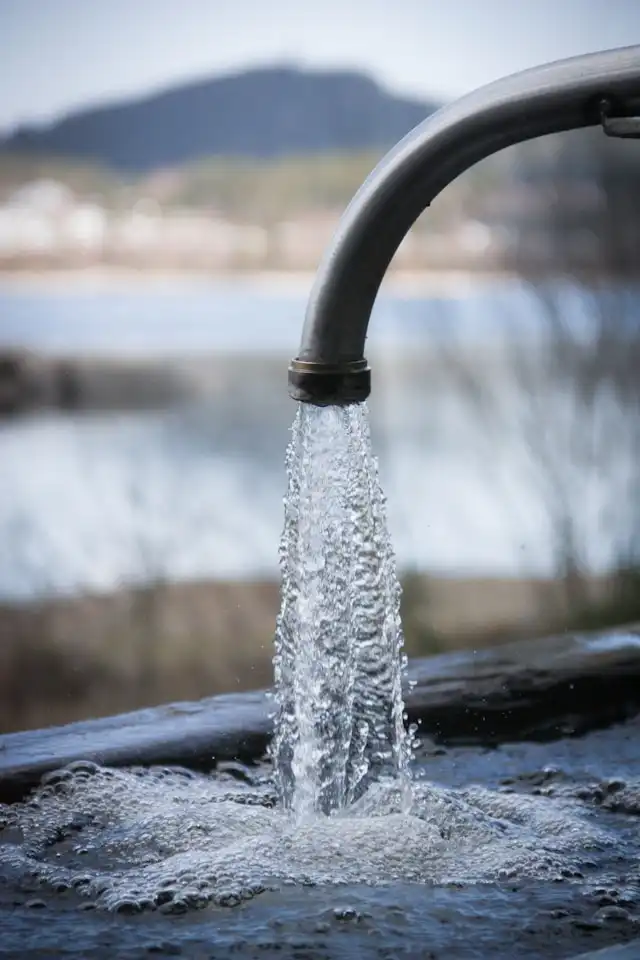
Few resources are as intricately woven into the fabric of daily life, economic stability, and environmental health as clean, accessible freshwater. It sustains wildlife, buffers agricultural supply chains, drives industrial production, and underpins the breathtaking natural landscapes that make sustainable travel and ecotourism possible. Yet, the foundational ecosystems that supply this vital resource—rivers, lakes, wetlands, and subterranean aquifers—are buckling under unprecedented anthropogenic pressure.
Rapid population growth, aggressive urban development, intensive industrial activity, and the cascading disruptions of global climate change have pushed localized and regional water budgets to their absolute limits. In the face of these compounding challenges, traditional conservation paradigms that rely solely on individual behavioral changes or voluntary cutbacks are no longer sufficient.
Protecting freshwater ecosystems requires a paradigm shift toward advanced, highly engineered water infrastructure. Modern water systems do far more than simply move water from point A to point B. By integrating intelligent storage, sophisticated transfer mechanisms, high-capacity treatment plants, and real-time digital monitoring technologies, contemporary infrastructure actively mitigates environmental degradation. It minimizes extraction pressures, eliminates systemic waste, guarantees rigorous wastewater purification, and empowers both municipalities and high-demand industries—such as construction, mining, and agriculture—to operate within strict ecological boundaries.
This report investigates how cutting-edge water management technologies and resilient infrastructure are transforming global water security, safeguarding delicate natural habitats, and forging a sustainable path forward for communities and ecosystems alike.
Detailed Chronology of Water Management: From Ancient Aqueducts to Smart Infrastructure
To understand the sophisticated state of modern water systems, it is essential to trace the historical evolution of how human civilizations have captured, transported, and managed water resources. The trajectory of water infrastructure reflects humanity’s growing ingenuity—and the escalating ecological consequences of our interventions.
Era 1: Antiquity and Gravity-Fed Engineering (c. 3000 BCE – 19th Century)
Early Civilizations: Ancient societies in Mesopotamia, the Indus Valley, and Egypt engineered rudimentary canals, levees, and basic irrigation channels to harness seasonal floodwaters for agriculture. These systems were localized and heavily dependent on natural hydrological cycles.
The Roman Aqueduct Revolution: Classical antiquity introduced monumental stone aqueducts, relying on precise gradients and gravity to transport freshwater over vast distances to urban centers. While engineering marvels for their time, these systems lacked containment controls, resulting in substantial evaporative loss and unmonitored runoff.
The Industrial Awakening: As cities swelled during the Industrial Revolution, wooden and early cast-iron pipe networks were laid to supply municipal water. However, these systems treated water as an infinite resource, prioritizing sheer volume delivery over efficiency, conservation, or environmental return.
Era 2: Centralized Sanitation and Public Health (Late 19th Century – Mid 20th Century)
The Sanitary Movement: Driven by catastrophic urban waterborne disease outbreaks (such as cholera), governments began investing heavily in centralized municipal water supply networks and early filtration systems.
Mass Damming and Reservoir Construction: Mid-20th-century engineering focused heavily on macro-infrastructure: massive concrete dams, sprawling artificial reservoirs, and long-distance inter-basin water transfers. While these projects secured water and hydropower for booming post-war economies, they profoundly fragmented river ecosystems, severed migratory fish routes, and permanently altered downstream riparian ecologies.
Era 3: The Environmental Reckoning and Regulatory Frameworks (Late 20th Century)
Rise of Environmental Consciousness: The late 1960s and 1970s ushered in a wave of environmental legislation—such as the Clean Water Act in the United States—mandating that wastewater be treated before discharge.
Shift Toward Treatment and Quality: Infrastructure investments pivoted from mere acquisition and transport to include primary and secondary wastewater treatment facilities, aiming to curb toxic industrial runoff and raw sewage dumping.
Era 4: The Smart Infrastructure and Circular Water Economy (21st Century – Present)
Digital Transformation: Today’s water infrastructure integrates IoT (Internet of Things) sensors, automated telemetry, acoustic leak-detection arrays, and AI-driven data analytics.
The Circular Shift: Modern systems are no longer linear (extract, use, discard). Instead, they embrace a circular framework featuring advanced membrane filtration, closed-loop industrial recycling, high-precision agricultural standpipe distribution, and potable reuse facilities. This modern approach explicitly balances human socio-economic demand with the ecological flow requirements of natural freshwater biomes.
Supporting Context & Metrics: The Anatomy of Modern Water Infrastructure
Modern water infrastructure is not a single entity, but a synchronized, capital-intensive network of physical facilities, mechanical equipment, and digital technologies. These systems collect, store, transport, treat, distribute, and monitor water across the entire hydrological loop.
To evaluate the operational scope of these systems, several core components and performance metrics must be analyzed:
Water Standpipe Systems: In heavy-use sectors like commercial construction, bulk civil engineering, open-cut mining, and large-scale land management, specialized water standpipe systems provide controlled, metered access to water resources. By enabling exact volume allocation, operators prevent the systemic over-extraction and careless spillage historically associated with open hydrants or unmonitored drafting.
Storage Tanks and Pressure Vessels: Advanced composite and coated steel tanks safely house potable water, industrial supply, and captured stormwater, preventing contamination and evaporative loss.
Advanced Pumping and Distribution Pipelines: Modern pipelines utilize corrosion-resistant thermoplastics, ductile iron, and elastomeric liners coupled with variable frequency drive (VFD) pumps that modulate pressure dynamically, reducing mechanical stress and preventing catastrophic ruptures.
Digital Monitoring and Telemetry: Real-time pressure sensors, flow meters, and acoustic listening devices trace water movement continuously, instantly flagging anomalies that indicate structural leaks or unauthorized extraction.
Critical Operational Metrics
Non-Revenue Water (NRW): Globally, it is estimated that utilities lose between 25% to 50% of treated water before it ever reaches a consumer due to leaks, bursts, and commercial inaccuracies (meter theft or under-registration). Upgrading to smart pipelines drastically reduces NRW percentages.
Energy-Water Nexus Intensity: Pumping and treating water accounts for roughly 4% of global electricity consumption. Modern infrastructure incorporates energy recovery devices and high-efficiency pumps, shrinking the carbon footprint of municipal water grids.
Biological Oxygen Demand (BOD) Reduction: Advanced wastewater treatment facilities achieve upwards of 95% to 99% removal rates for BOD and total suspended solids (TSS), ensuring that discharged water does not suffocate aquatic life in receiving lakes and rivers.
Official Statements and Industry Insights
The intersection of engineering, environmental science, and sustainable policy has generated significant commentary from global leaders, hydrologists, and conservation experts.
Dr. Aris Thorne, Senior Freshwater Ecologist at the Global Aquatic Institute: "For decades, we treated water management and environmental conservation as opposing forces. We built dams to tame nature and extracted groundwater as if aquifers possessed infinite capacity. The reality of the 21st century is that our natural ecosystems are our primary water infrastructure. When we invest in modern, leakage-resistant pipelines, high-efficiency treatment plants, and smart monitoring networks, we are directly subsidizing the health of our rivers and wetlands. Every leak we patch in a municipal grid is an extra liter of water left flowing through a threatened riparian habitat during a summer drought."
Elena Rostova, Infrastructure Policy Director at the International Water Management Council: "The modernization of water systems is no longer a localized engineering goal; it is a macroeconomic necessity. Industries such as mining, agriculture, and construction are facing severe regulatory scrutiny and physical water scarcity risks. By deploying precision equipment—such as automated standpipe systems and closed-loop recycling loops—businesses are discovering that ecological responsibility and operational efficiency go hand in hand. You cannot insulate supply chains from climate volatility without upgrading the digital and physical assets that carry your water."
Marcus Vance, Chief Systems Engineer for Municipal Water Technologies: "We have entered the era of the cognitive water grid. Twenty years ago, a pipe could burst in a suburban neighborhood, and utilities would only find out hours later when basements flooded. Today, acoustic sensors and AI telemetry map pressure drops in real-time, isolating valves within milliseconds. This technological leap transforms water from a volatile, poorly tracked commodity into a precision-managed resource, protecting both public coffers and natural freshwater ecosystems from needless waste."
Future Outlook: Navigating the Challenges of Tomorrow
As global temperatures climb, weather patterns become more erratic, and population centers continue to expand, the strain on freshwater ecosystems will intensify. Looking toward the horizon, the future of water infrastructure and environmental sustainability will be defined by five pivotal shifts:
1. The Accelerating Integration of Artificial Intelligence and IoT
Future water networks will operate with near-autonomous precision. Machine learning algorithms will analyze multi-year meteorological data, soil moisture metrics, and real-time consumption trends to predict municipal demand surges and automatically reallocate water supplies from surplus storage basins. This predictive capability will prevent environmental shock-withdrawals during acute drought events.
2. Decentralized Treatment and the Micro-Utility Model
While large municipal treatment plants will remain foundational, the future will see a massive surge in decentralized, neighborhood-scale, and facility-specific water recycling systems. Office complexes, industrial parks, and residential housing developments will increasingly feature onsite greywater recycling and advanced membrane bioreactors (MBRs). This decentralization reduces the heavy energy footprint of long-distance pumping and ensures localized water autonomy.
3. Nature-Based Solutions Merged with Hard Engineering
The most resilient future infrastructure will not rely solely on concrete and steel. Engineers are increasingly pairing hard infrastructure with "green infrastructure"—such as restored floodplains, artificial wetlands, and bio-swales. These hybrid systems utilize natural biological filtration to pre-treat stormwater runoff before it enters high-tech treatment facilities, cutting chemical processing costs while expanding wildlife habitats.
4. Regulatory Evolution and the Circular Economy Mandate
Governments worldwide are tightening discharge limits and setting aggressive benchmarks for industrial water reuse. In the coming decades, zero-liquid discharge (ZLD) policies will become standard for heavy industries. Companies that fail to modernize their internal water transfer, storage, and recycling systems will face prohibitive regulatory penalties and supply chain disruptions.
5. Citizen Engagement and the Ecotourism Imperative
Ultimately, the preservation of freshwater ecosystems depends on societal awareness. As ecotourism and sustainable travel grow in popularity, travelers are increasingly demanding that hospitality providers, national parks, and regional operators transparently manage their water footprints. By supporting businesses that invest in responsible water stewardship—and advocating for public infrastructure bonds that prioritize environmental flows—citizens become active participants in protecting the planet’s most critical resource.
Conclusion
Clean rivers, thriving wetlands, and reliable drinking water do not happen by chance. Behind every healthy aquatic ecosystem and dependable municipal tap lies a sophisticated, well-maintained network of infrastructure that quietly delivers clean water, purifies wastewater, and protects our natural world.
Whether you are exploring a pristine national park, kayaking across a glacier-fed lake, or simply striving to live more sustainably at home, healthy freshwater ecosystems make those experiences possible. By understanding the vital role of modern water infrastructure—and supporting policies and businesses committed to responsible water management—we can safeguard our planet’s precious aquatic resources, ensuring they remain resilient, vibrant, and abundant for generations to come.