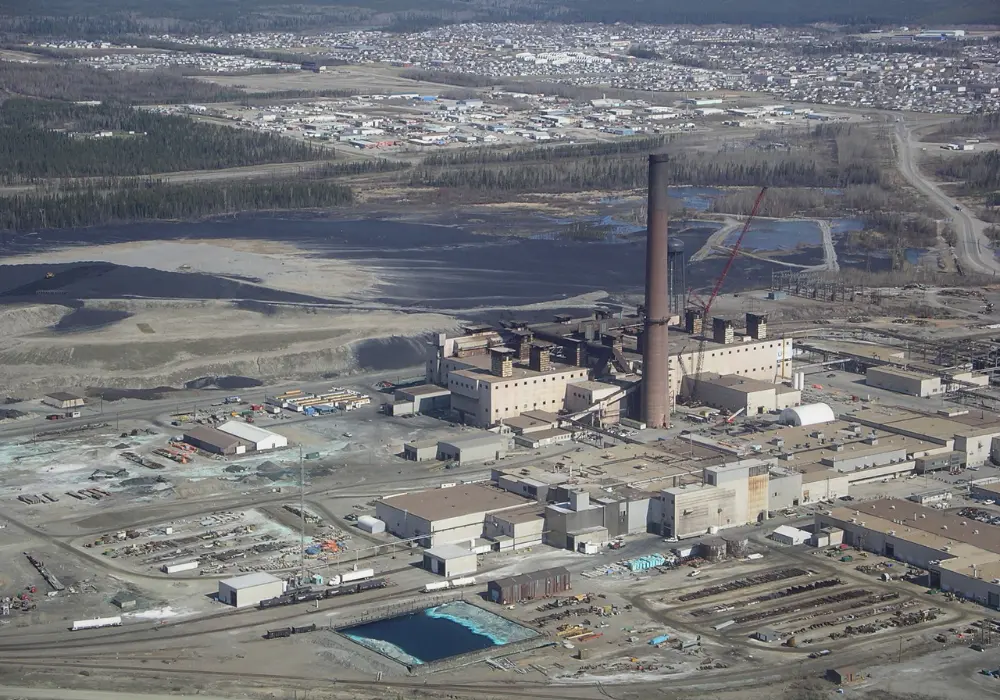
Executive Overview
For decades, the dominant narrative surrounding Canadian energy exports has been inextricably tied to fossil fuels—oil, natural gas, and the contentious infrastructure required to move them to global markets. Yet, a fundamental paradigm shift is quietly rewriting Canada’s economic and geopolitical playbook. Global energy systems have pivoted dramatically over the past ten years, driven by the accelerating transition to clean technologies. At the heart of this transformation are critical minerals: the lithium, nickel, cobalt, graphite, copper, and rare earth elements that power everything from electric vehicle (EV) batteries to grid-scale energy storage.
The strategic weight of these resources was underscored recently when British Columbia Premier David Eby floated a bold, unconventional bargaining chip during high-stakes discussions regarding the future of the Canada-United States-Mexico Agreement (CUSMA): threatening to restrict a key critical mineral export. It was a clear signal that critical minerals are no longer just industrial inputs—they are the new oil, serving as powerful diplomatic and economic leverage in North American trade disputes.
At the same time, the United States is racing to secure its own supply chains, with the Trump administration recently committing more than $2 billion to domestic mining projects and expanding its resource footprint across Latin America. However, as trade friction mounts and American protectionism complicates bilateral cooperation, Canada finds itself staring down an urgent strategic imperative: diversify its trade corridors.
Enter the European Union. Representing the world’s third-largest economy, the EU is desperate to decouple its clean-energy transition from authoritarian or non-allied suppliers—most notably China. With strict environmental, social, and governance (ESG) mandates, a burgeoning green industrial base, and a critical shortfall in domestic extraction, the EU is actively seeking reliable, values-aligned partners. Canada, boasting a clean power grid, expanding Indigenous-led mining initiatives, and established trade frameworks, is uniquely positioned to fill this void.
Yet, despite lofty political rhetoric framing Canada as an emerging "clean energy superpower," actual mineral flows to Europe have remained sluggish. Moving past superficial memorandums of understanding (MOUs) toward concrete offtake agreements, targeted capital deployment, and strategic supply-chain integration is now an economic emergency. As Canada prepares for upcoming high-level economic forums, including the pivotal Canada Investment Summit, federal and provincial leaders face a defining choice: continue wrestling with an unpredictable U.S. trading partner, or forge a lasting, lucrative alliance with Europe.
Detailed Chronology of the Critical Minerals Shift
The emergence of critical minerals as geopolitical currency did not happen overnight. It is the result of a decade-long convergence of climate policy, supply chain vulnerabilities, and escalating great-power competition.
2015–2020: The Awakening of Global Supply Vulnerabilities
In the wake of the Paris Agreement, global automotive and technology sectors accelerated their transition toward electrification. Early market signals revealed a glaring vulnerability: while renewable energy generation and battery manufacturing promised to free nations from fossil-fuel geopolitics, they created an immediate, acute dependence on a completely different set of commodities. China established a near-monopoly on the processing and refining of rare earths, lithium, and graphite, controlling critical chokepoints in the global supply chain. Western nations realized too late that green technology was heavily reliant on adversarial supply lines.
2021–2023: Legislative Action and North American Tensions
Recognizing the national security implications of mineral dependency, Canada released its first comprehensive Critical Minerals Strategy in late 2022, backed by historic funding aimed at exploration, infrastructure, and processing. Concurrently, the United States enacted sweeping industrial policy legislation, such as the Inflation Reduction Act, which prioritized domestic and free-trade-partner sourcing for EV supply chains.
However, integration between the U.S. and Canada has frequently hit political turbulence. As trade negotiations surrounding the review and enforcement of CUSMA grew fraught, Canadian provincial leaders began exploring independent leverage. B.C. Premier David Eby’s recent threat to restrict a vital provincial mineral export as a CUSMA bargaining chip marked a watershed moment: Canadian sub-national leaders realized that critical minerals could be wielded as aggressively as oil and gas once were.
2024–2026: The European Pivot and Multi-Billion-Dollar Realignments
By 2025 and into 2026, the geopolitical landscape fractured further. The United States ramped up aggressive foreign resource acquisitions, culminating in the Trump administration’s announcement of over $2 billion in domestic and international mining investments designed to lock down Western hemispheric supply.
Simultaneously, European nations—facing severe energy security crises following disruptions in traditional fossil fuel markets—doubled down on the European Green Deal. With domestic extraction capped by design to meet only 10% of its needs, the EU initiated an aggressive diplomatic offensive to secure the remaining 90% from reliable democracies. Over the past year, Canada signed a flurry of bilateral MOUs with European industrial powerhouses including Italy, Germany, and Sweden.
Crucially, in mid-2026, Canada formalized a letter of intent with the European Investment Bank (EIB), laying the groundwork to integrate Canadian mining projects into European financing mechanisms. As of late 2026, the central challenge has shifted from whether Europe wants Canadian minerals to how quickly Ottawa can convert diplomatic handshakes into binding, bankable projects ahead of major forums like the Canada Investment Summit.
Supporting Context & Metrics
Understanding the urgency of this transatlantic pivot requires examining the hard data driving global energy markets. The numbers underscore an undeniable reality: the scale of demand for critical minerals dwarfs anything historical commodity markets have experienced.
The Multiplier Effect of Electrification
According to comprehensive data from the International Energy Agency (IEA), global demand for key critical minerals is on a trajectory to skyrocket. The material intensity of the clean-energy transition is staggering when compared to the fossil-fuel era.
- Vehicle Intensity: A conventional internal combustion engine car requires a relatively modest suite of metal inputs. By contrast, a modern electric vehicle requires six times the mineral inputs of a conventional vehicle.
- Lithium Demand: Projections indicate that European Union lithium demand—driven entirely by the expansion of electric vehicles and grid-scale energy storage—is projected to increase by a staggering nine- to twelve-fold by 2030.
- The European Shortfall: The EU has established stringent regulatory frameworks aiming to supply just 10% of its raw material extraction needs domestically. For the remaining 90%, the bloc has set strict legislative targets to diversify its imports and eliminate single-country dependencies (specifically targeting its historical over-reliance on China).
How Canada Ranks Against Global Competitors
In a definitive recent analysis conducted by Clean Energy Canada evaluating how effectively current global suppliers meet the EU’s rigorous trade, environmental, and human rights criteria, Canada ranked second in the world, trailing only Norway.
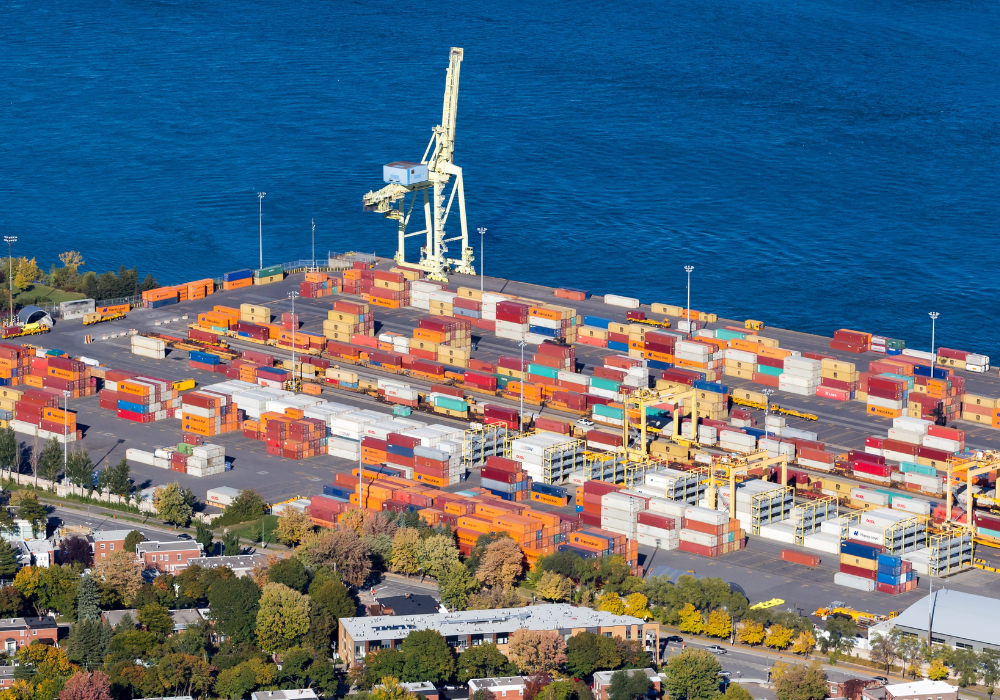
Canada’s competitive advantages are structural:
- A Clean Energy Grid: Canadian mining operations benefit from hydroelectric and low-carbon electricity grids, resulting in a substantially lower carbon footprint for refined raw materials compared to competitors operating on coal-heavy grids in Asia.
- Indigenous Partnerships: Canada is increasingly pioneering a model of economic reconciliation, where Indigenous communities are co-owners, equity partners, and leaders in critical mineral extraction projects.
- Robust Legal and ESG Standards: Canadian mining adheres to some of the world’s highest environmental, social, and governance standards, perfectly aligning with the EU’s Corporate Sustainability Due Diligence Directive.
Refining the Focus: The Core Six
Despite these advantages, policy analysts argue that Canada has historically spread its public investment capital too thin across dozens of disparate minerals. To capture European market share efficiently, experts suggest focusing capital resources on six essential minerals that form the backbone of the energy transition:
- Cobalt
- Copper
- Graphite
- Lithium
- Nickel
- Rare Earth Elements
Targeted supply-chain integration could yield immediate geopolitical dividends. For example, Canada could route low-carbon raw cobalt directly to specialized refineries in Finland—thereby directly reducing Europe’s heavy dependence on the Democratic Republic of Congo. Similarly, Canadian graphite exports could feed German EV battery manufacturing plants, insulating European automakers from unpredictable Chinese export controls.
Official Statements and Policy Perspectives
The strategic pivot toward Europe and the weaponization of critical mineral policy have drawn sharp commentary from policy architects, industry leaders, and political figures.
"With the volume of the conversation around Canada’s new pipeline, you’d be forgiven for thinking oil was Canada’s only major energy export opportunity. But the reality is that global energy systems have shifted dramatically… and critical minerals are becoming the new oil."
— Policy Analysts from Clean Energy Canada
The growing willingness of Canadian leaders to use critical minerals as diplomatic leverage was highlighted during recent North American trade discussions. Premier David Eby’s aggressive stance on B.C. exports signaled a departure from passive trade diplomacy.
On the European front, institutional leaders have made it clear that partnerships must be anchored in shared values. Representatives from the European Investment Bank (EIB) noted during the recent signing of their letter of intent with Ottawa that "securing raw material resilience requires working hand-in-hand with trusted democratic allies who maintain uncompromising environmental and labour standards."
However, civil society and policy strategists warn that government ambition has yet to match execution. Joanna Kyriazis, Director of Policy and Strategy at Clean Energy Canada, and Evan Pivnick, Associate Director of Public Affairs, have consistently emphasized that Canada must move beyond symbolic agreements:
"While these represent real progress, we need to move past the MOU stage and focus on key areas of EU demand while leveraging Canada’s existing strengths. The upcoming Canada Investment Summit represents a key opportunity to get these wheels turning, provided the right people are at the table."
Furthermore, industry advocates point out that securing European capital requires actively streamlining regulatory approval processes at home. While federal and provincial governments have doled out billions in public announcements, project developers frequently cite multi-year regulatory bottlenecks that discourage foreign institutional investors looking for predictable deployment timelines.
Future Outlook: The Strategic Roadmap for Canada
As the international community braces for further volatility in trade agreements—exemplified by ongoing friction around CUSMA and aggressive American industrial subsidies—Canada stands at a decisive crossroads. The path forward requires a synchronized, multi-pronged strategy to cement its status as Europe’s premier critical minerals supplier.
1. Monetizing the EIB Framework and Strategic Projects Lists
The immediate priority for federal trade officials must be the swift translation of the letter of intent with the European Investment Bank into a fully signed operational framework. Securing initial project transactions through the EIB will unlock billions of euros in institutional capital for Canadian mines. Simultaneously, Ottawa must aggressively lobby Brussels to secure spots for top-tier Canadian projects on the EU’s official Strategic Projects under the Critical Raw Materials Act (CRMA) list, which grants streamlined permitting and priority financing access within European markets.
2. High-Level Summits as Closing Tools
With the upcoming Canada Investment Summit serving as a central focal point for international capital, the Prime Minister’s office must curate guest lists intentionally. European investors, automotive executives, and industrial offtakers looking to secure long-term supply contracts must be placed at the absolute top of the agenda. Photo-ops and non-binding memorandums must be replaced by binding commercial purchase agreements.
3. Concentrating Capital on the Core Six
Canada must resist the political temptation to distribute critical mineral funding across dozens of marginal projects. By concentrating public investment, infrastructure buildouts (such as the Ring of Fire access roads and northern rail links), and environmental assessments strictly on the "Core Six" minerals—cobalt, copper, graphite, lithium, nickel, and rare earths—Canada can build globally competitive supply depth rather than superficial breadth.
Conclusion
The era of viewing natural resource wealth solely through the lens of petroleum is drawing to a close. Just as pipelines defined 20th-century Canadian geopolitics, refined battery minerals, low-carbon processing facilities, and transatlantic trade corridors will define the 21st century. By capitalizing on European demand, standing firm in North American trade negotiations, and executing with surgical precision, Canada has a narrow, golden window to transform its vast geological endowment into permanent geopolitical security and economic prosperity. The time for deliberation has expired; the age of execution has arrived.