Executive Overview
For decades, the global tourism industry has marketed the natural world as an infinite playground. From traversing dense rainforest canopies to diving into vibrant marine ecosystems, travelers are continually invited to immerse themselves in pristine environments. However, a critical paradigm shift is underway. As overtourism strains fragile habitats and global climate pressures intensify, the distinction between superficial outdoor recreation and true ecotourism has never been more vital.
True ecotourism is not merely about enjoying nature; it is a rigorous, mission-driven approach to travel. According to leading conservation frameworks, a genuine ecotourism experience must actively contribute to habitat preservation, provide equitable financial benefits to local and Indigenous communities, minimize environmental degradation, respect cultural heritage, and deepen the traveler’s ecological literacy.
When planned and managed responsibly, ecotourism acts as a powerful economic engine for conservation. It transforms local populations from resource extractors into stewards of the land, funds anti-poaching patrols, restores marine life, and protects endangered species corridors. Conversely, when poorly managed or left unchecked, it degrades the very environments travelers set out to appreciate. This comprehensive investigative report breaks down the primary categories of ecotourism—wildlife viewing, hiking and recreation, marine tourism, cultural preservation, and citizen science—while providing the analytical tools necessary to identify and dismantle greenwashing in the modern travel marketplace.
Detailed Chronology and Evolution of Sustainable Travel
The conceptual evolution of ecotourism did not happen overnight; it emerged as a direct response to the ecological degradation caused by mass tourism throughout the late 20th century.
- The 1980s—The Genesis of Ecotourism: As environmental consciousness entered the mainstream, conservationists and economists began formulating models where tourism revenue could directly subsidize the protection of biodiversity hotspots. The term "ecotourism" emerged to describe nature-based travel that respects ecological limits.
- The 1990s—Standardization and Community-Based Models: Recognizing that conservation could fail if local populations were marginalized, pioneers shifted toward community-based natural resource management. Projects like Nepal’s Annapurna Conservation Area Project (ACAP) demonstrated that local populations could successfully govern tourism infrastructure, manage waste, and protect endangered wildlife through localized governance.
- The 2000s to 2010s—The Rise of Global Certifications: As the market grew, so did the potential for exploitation. The proliferation of vague marketing terms led to widespread greenwashing. In response, international bodies, non-governmental organizations (NGOs), and independent auditors established rigorous standards—such as Green Fins for marine tourism and PADI Eco Center verifications—to hold operators accountable.
- The Present Day—The Imperative of Regenerative Travel: Today, ecotourism has evolved beyond mere "impact minimization" toward regenerative models. Modern ecotourism seeks to leave destinations better than they were found, utilizing advanced tracking, strict carrying capacities, and direct-to-conservation revenue streams to safeguard ecosystems against the compounding threats of climate change and over-visitation.
Supporting Context & Metrics: Sector-by-Sector Breakdown
To understand how authentic ecotourism functions in practice, we must examine its implementation across diverse ecosystems and activities.
1. Wildlife Viewing: Protecting Natural Behaviors
Responsible wildlife viewing offers the rare privilege of observing animals acting naturally within thriving, unconstrained ecosystems. This includes guided forest walks for spotting primates, tracking elephants across open plains, or observing cetaceans from a safe distance.
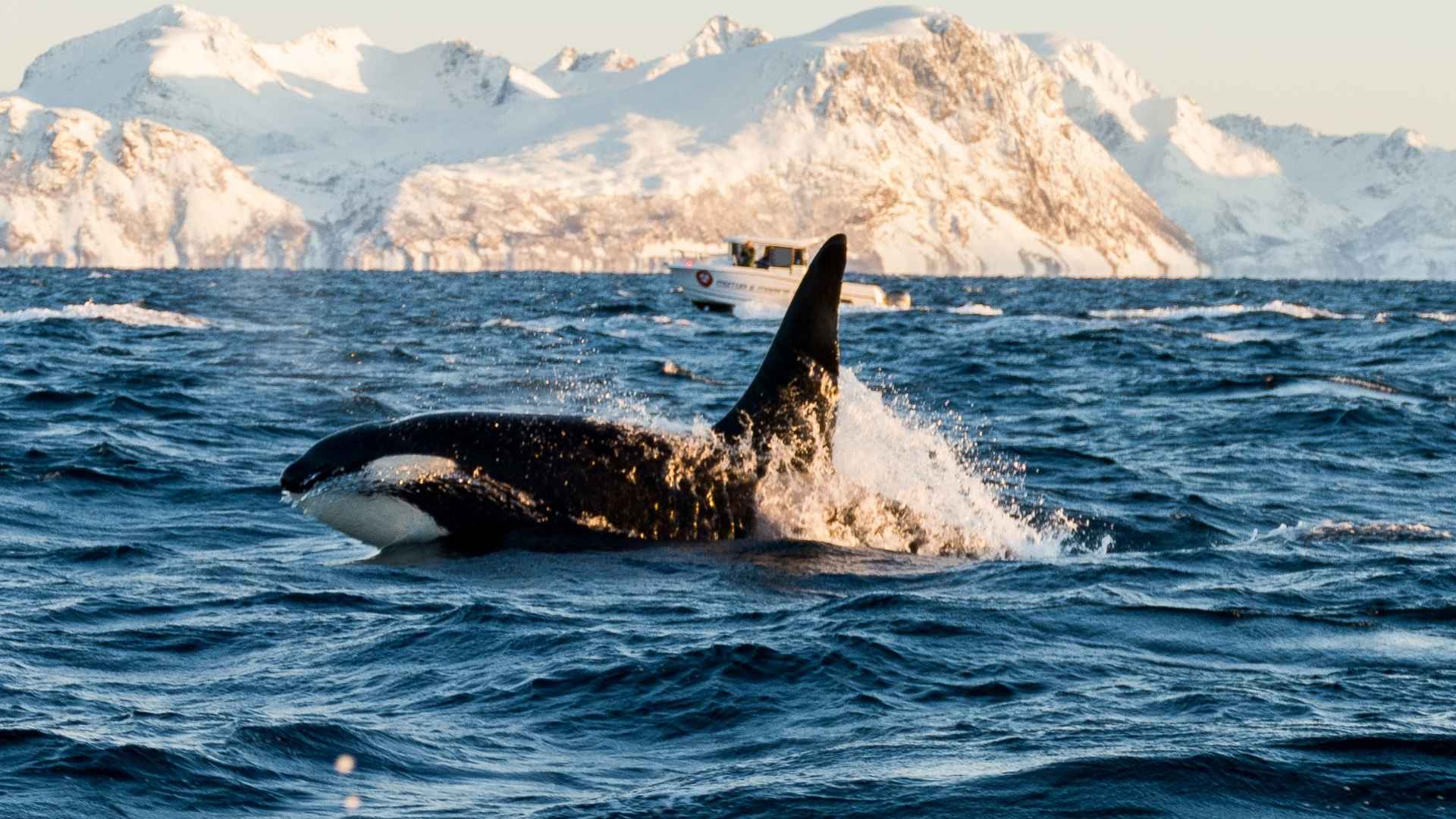
For these experiences to qualify as true ecotourism, animal welfare must supersede tourist gratification. This means strictly avoiding restrictive enclosures, staged animal encounters, and exploitative attractions. Group sizes must remain small, and respectful distances must be maintained at all times. Interactions that induce physiological stress—such as feeding, touching, or altering natural movement patterns—are strictly prohibited.
Case Study: Loisaba Conservancy, Kenya
In northern Kenya’s open plains, the Loisaba Conservancy protects 56,000 acres (23,000 hectares) of vital wildlife habitat. Dawn across the acacia-dotted grasslands reveals lions, endangered African wild dogs, and giraffes moving freely. Loisaba serves as an essential movement corridor for elephants and houses a newly established sanctuary supporting the return of black and white rhinos after decades of local absence.
- Operational Metrics & Guidelines: Loisaba enforces strict viewing protocols, limiting sightings to a maximum of three vehicles per animal, maintaining a minimum distance of 20 meters, remaining strictly on designated tracks, and mandating low noise levels.
- Economic Impact: Ecotourism directly funds 50% of the conservancy’s operating budget, bankrolling anti-poaching units and large-scale habitat restoration. Furthermore, tourism revenue underwrites community programs, including school uniforms, healthcare outreach, and sustainable grazing initiatives managed by local Samburu and Maasai guides.
2. Hiking and Recreation: The Leave No Trace Ethos
Trekking through rainforests, cycling along rugged coastlines, snowshoeing through alpine valleys, or walking over raised boardwalks across mangrove wetlands forces a slower pace of travel, heightening awareness of local flora and fauna.
To maintain ecological integrity, recreational ecotourism must strictly adhere to Leave No Trace principles. Staying on designated paths prevents soil erosion and protects sensitive endemic vegetation. All waste must be packed out, and visitors are expected to respect private property and local zoning laws.
Case Study: Annapurna Conservation Area Project (ACAP), Nepal
Set against the soaring peaks of Nepal’s central Himalayas, ACAP is the nation’s largest conservation area and premier trekking destination. Historically, high visitor volumes placed immense pressure on local timber resources and exacerbated waste accumulation, prompting the creation of this community-based management model.
- Community Integration: Visitors lodge in thousands of family-run teahouses, homestays, and campsites. ACAP provides comprehensive training in hospitality, sanitation, and sustainable cooking to ensure local families capture the economic upside of tourism.
- Conservation Funding: Trekking fees directly finance endangered snow leopard anti-poaching units, sustainable forestry programs, and the maintenance of eco-friendly infrastructure—including designated trails, waste receptacles, and safe drinking water stations.
3. Marine Tourism: Safeguarding Fragile Submerged Worlds
Coral reefs, kelp forests, and coastal pelagic zones hold immense ecological value. Activities like snorkeling, scuba diving, kayaking, paddleboarding, and low-impact boat excursions allow travelers to appreciate these environments.

Marine ecotourism requires rigorous behavioral changes: zero physical contact with corals and marine life, and the complete elimination of harmful chemical pollutants, such as oxybenzone-containing sunscreens. Boat captains must throttle down and idle engines when wildlife is present and avoid dropping anchors over fragile seagrass beds or coral heads.
Case Study: Dive Ninja Expeditions, Baja California, Mexico
Based off Mexico’s Baja Peninsula, Dive Ninja Expeditions conducts small-group scuba and snorkeling expeditions designed to protect marine life while fortifying the local economy.
- Standards and Verification: Operating under strict Green Fins environmental standards, Dive Ninja enforces no-touch and no-feeding policies alongside the complete elimination of single-use plastics. As one of the earliest designated PADI Eco Centers in Mexico, their sustainability performance undergoes independent third-party verification.
- Scientific Contribution: By replacing extractive industries (such as historical shark fishing) with ecotourism, guides and captains earn sustainable livelihoods. Dive Ninja dedicates 20% to 50% of its expedition profits directly to marine research, shark tracking, and ocean clean-up initiatives.
4. Cultural Ecotourism: Heritage on Community Terms
Cultural ecotourism examines the deep interconnections between human traditions, local landscapes, and survival strategies. When managed responsibly, these encounters foster deep intercultural empathy while returning financial resources directly to the indigenous stewards of the land.
True cultural ecotourism is radically community-led. It respects local etiquette, requires explicit permission to enter sacred sites, and ensures financial flows bypass middlemen to reach local families and cooperatives directly.
Case Study: Wae Rebo Village, Flores, Indonesia
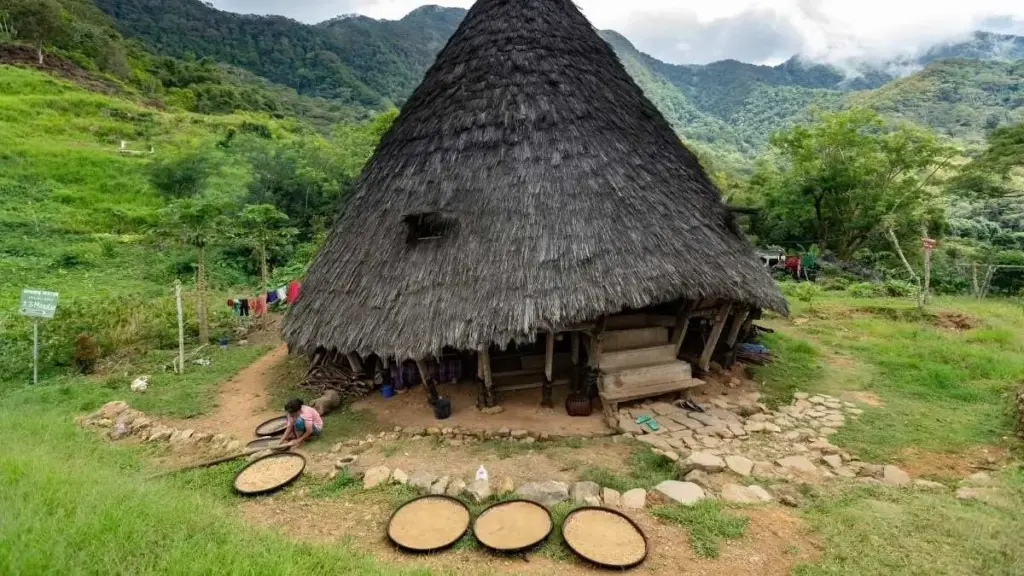
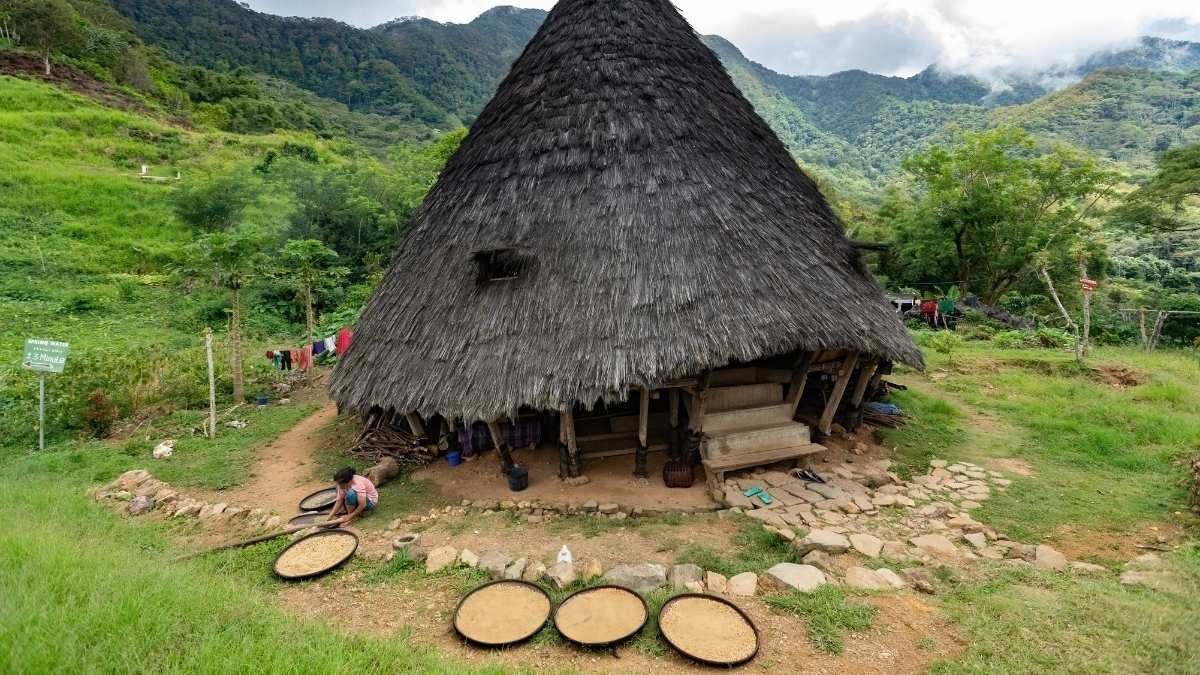
Nestled deep in the remote mountains of Indonesia, Wae Rebo is an ancient Manggarai village renowned for its iconic, cone-shaped thatched houses (mbaru niang) and resilient indigenous traditions. Accessibility is intentionally limited to a strenuous forest trek, naturally regulating visitor numbers.
- Community-Managed Infrastructure: Travelers stay in community-run guesthouses, share locally sourced meals, and participate in traditional coffee harvesting and processing workshops. Tourism revenue directly subsidizes the labor-intensive structural maintenance of the mbaru niang homes, proving that cultural preservation and economic viability can coexist harmoniously.
5. Citizen Science and Voluntourism: Collaborative Conservation
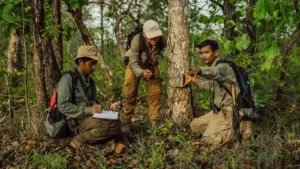
Citizen science bridges the gap between casual travel and active ecological research. By engaging travelers in wildlife monitoring, coral reef restoration, and habitat mapping, these programs provide invaluable boots-on-the-ground support for underfunded scientific institutions.
Credible voluntourism must be grounded in peer-reviewed scientific methodologies, supervised by credentialed researchers, and structured so that unskilled participants do not displace local employment.
Case Study: Earthwatch Institute Global Expeditions
The Earthwatch Institute connects everyday travelers with field scientists across more than 30 countries, spanning savannas, polar zones, and coral reefs.
- Measurable Outcomes: Earthwatch programs contribute over 100,000 hours of volunteer support annually. In South Africa, volunteers monitored the breeding success and foraging behaviors of critically endangered African penguins over a two-decade span, directly informing municipal legal protections and commercial fishing restrictions. Furthermore, 96% of Earthwatch projects directly employ, train, and compensate local community members.
Official Statements and Industry Insights
Global leaders in conservation and sustainable travel emphasize that consumer vigilance is the ultimate safeguard against greenwashing.
Dr. Jane Robinson, Senior Conservation Ecologist, notes:
"The dividing line between exploitation and ecotourism is transparency. If an operator cannot clearly demonstrate where their revenue goes, how they measure wildlife disturbance, or what percentage of their profits directly benefits the local community, it is not ecotourism. True conservation travel requires radical accountability from both the provider and the traveler."
Industry standards organizations emphasize that sustainable travel is an evolving commitment rather than a static badge.
"Greenwashing preys on the traveler’s good intentions," explains a spokesperson for Sustainable Travel International. "Operators can easily slap an ‘eco’ label on their brochure, but true sustainability is embedded in daily operations—from waste management and energy sourcing to fair-wage employment and verifiable contributions to local biodiversity protection."
Future Outlook: How to Spot Greenwashing and Plan Your Journey
As global tourism continues its post-pandemic surge, the risk of greenwashing—the deceptive marketing of environmentally destructive practices as sustainable—will only escalate. Travelers must learn to identify the common red flags that expose pseudo-ecotourism:
- The Red Flags of Greenwashing:
- Staged Wildlife Encounters: Any operation offering captive animal petting, elephant riding, dolphin swimming, or interactions with drugged or restrained wildlife.
- Vague Buzzwords: Marketing materials that rely heavily on unsubstantiated terms like "eco-friendly," "green," or "nature-lovers paradise" without citing specific conservation partnerships, third-party certifications (e.g., GSTC, Rainforest Alliance, Green Fins), or community-ownership models.
- Lack of Local Benefit: Tours where foreign-owned conglomerates retain all revenues, leaving local residents underpaid, displaced, or excluded from business ownership.
- Disregard for Carrying Capacities: Attractions that pack unlimited numbers of tourists into fragile environments without managing waste, trail erosion, or acoustic disturbance.
Actionable Steps for the Conscious Traveler
- Demand Transparency: Inquire directly with tour operators about their financial contributions to local conservation and community development funds.
- Verify Certifications: Look for internationally recognized verifications, such as GSTC-accredited certifications, PADI Eco Center status, or verified B-Corporation standing.
- Prioritize Local Leadership: Choose itineraries designed, led, and guided by members of the host community. Their generational knowledge ensures both safety and authentic cultural representation.
- Consult Educational Resources: Utilize trusted platforms like the Sustainable Travel International resource library to cross-reference travel operators and review up-to-date eco-friendly travel tips.
Ultimately, authentic ecotourism redefines the relationship between humanity and the natural world. By moving away from extractive consumption and toward reciprocal stewardship, travelers can ensure that their journeys protect, rather than penalize, the delicate ecosystems and vibrant communities that make our planet worth exploring.