

Executive Overview
In what is rapidly being recognized as a watershed moment for the global automotive landscape, the Australian new car market crossed a historic threshold in August 2026. For the first time ever, vehicles powered by internal combustion engines (ICE)—spanning petrol and diesel variants—were collectively outsold by electrified alternatives in a single monthly reporting period.
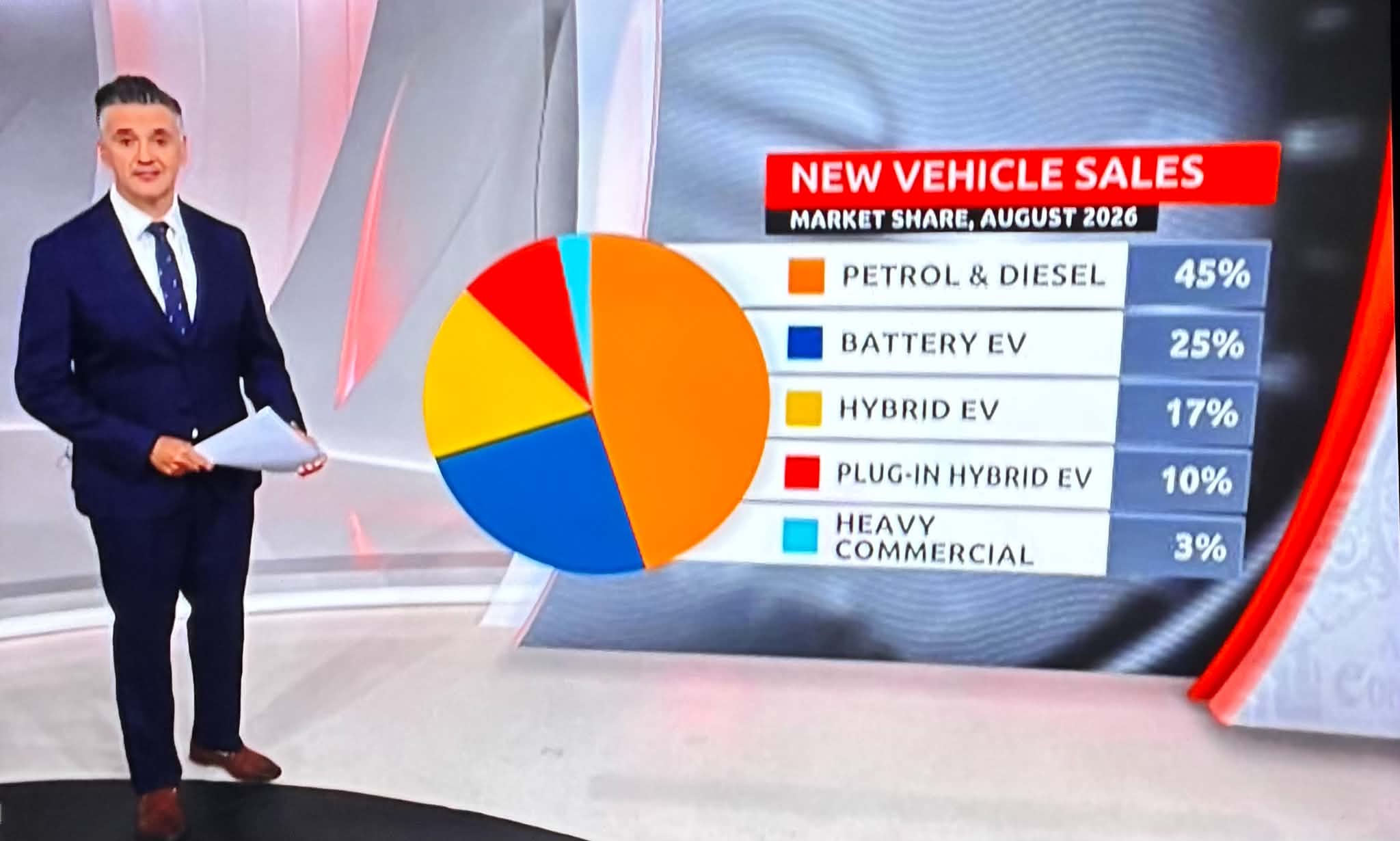
According to official VFACTS data analyzed by industry trackers like CarExpert and The Driven, more than 35% of all new vehicles sold in Australia during August featured a plug. Out of a total market volume of approximately 109,000 units, battery electric vehicles (BEVs) accounted for a remarkable 27,000 sales—surging a staggering 170% year-over-year (YOY)—while plug-in hybrid electric vehicles (PHEVs) added another 10,591 deliveries.
This dramatic shift has not gone unnoticed. Elon Musk publicly congratulated Tesla Australia on social media after the local branch confirmed that the Tesla Model Y had claimed the crown as the #1 best-selling vehicle overall in August, simultaneously propelling Tesla to the #3 best-selling automotive brand position in the country. Mainstream media networks, including the Australian Broadcasting Corporation (ABC) and SBS’s On the Money, have dedicated prime coverage to dissecting what economists and industry analysts are calling a structural transformation of the Australian commuter fleet.
Detailed Chronology of the August 2026 Surge
The road to August 2026 has been paved by steady, compounding growth in consumer appetite, combined with an influx of aggressively priced, high-value models hailing predominantly from China. However, the sheer velocity of August’s numbers caught even seasoned automotive analysts off guard.

The Breakdown of Powertrain Dominance
For decades, traditional petrol and diesel engines held an ironclad grip on Australian driveways, fueled by a culture deeply intertwined with long-distance driving and utility vehicles. In August 2026, that paradigm fractured.
Traditional powertrains posted the following delivery figures:
- Petrol-powered vehicles: 25,824 units
- Diesel-powered vehicles: 23,608 units
- Traditional Hybrids: 18,662 units
- Battery Electric Vehicles (BEVs): 27,000 units
- Plug-in Hybrids (PHEVs): 10,591 units
When combining BEVs and PHEVs, plug-in vehicles easily eclipsed any single traditional fuel category. The Tesla Model Y spearheaded this charge, demonstrating market dominance not just within the EV category, but across the entire Australian automotive spectrum.
The Rise of the Model Y Long (Model YL)
Adding fuel to the fire was the strong consumer reception of the updated Model Y Long (Model YL). Moving away from traditional five-seat configurations toward extended-utility formats, the Model YL has captured the imagination of larger families and long-distance commuters alike.
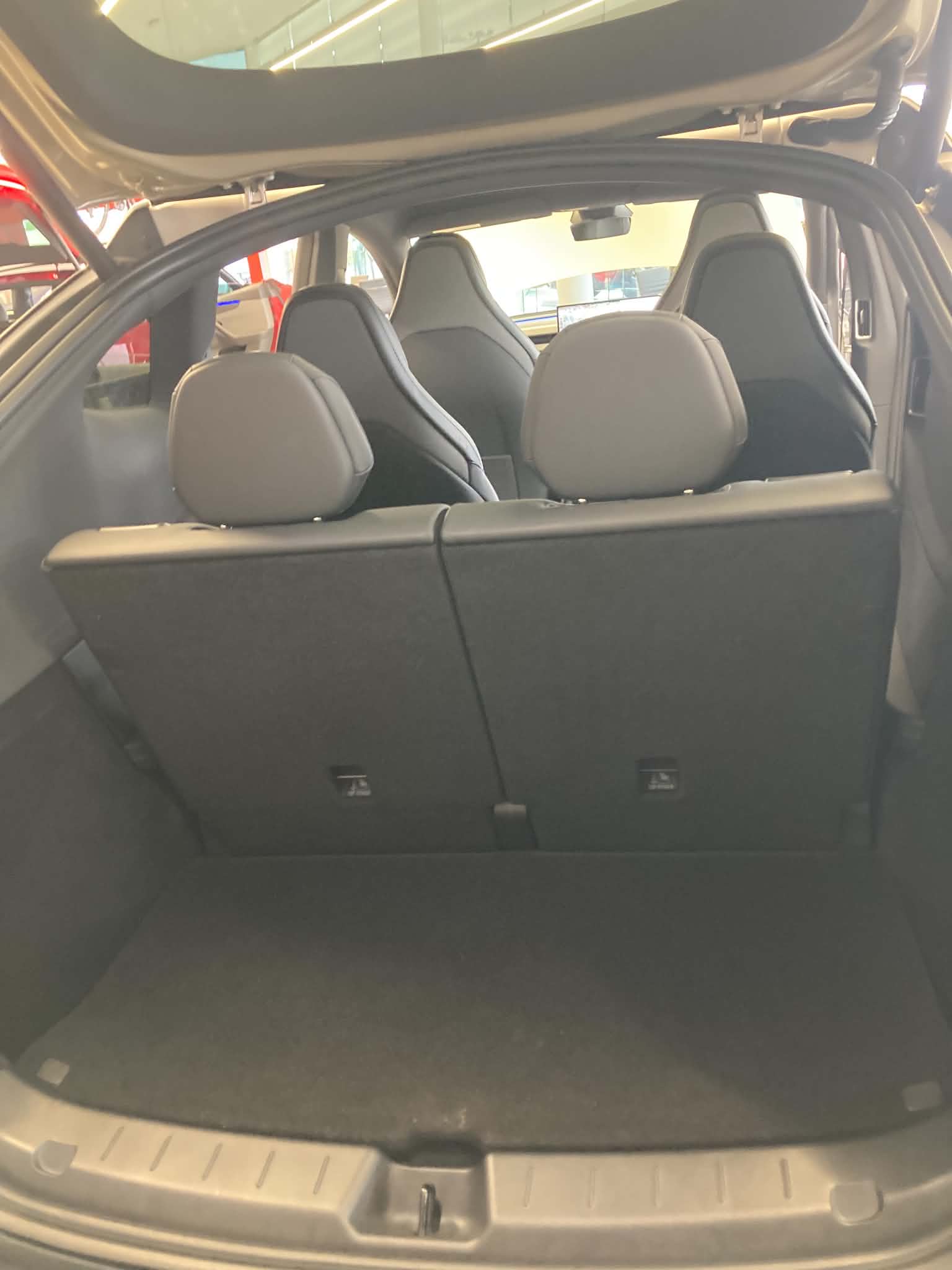
Data from CarExpert highlights this trend: in July, Model YL deliveries reached 2,429 units, outperforming the standard 5-seat Model Y (2,215 units). This momentum accelerated in August 2026, with Model YL deliveries jumping to 3,236 units, once again outpacing the standard variant’s 3,178 units. Dealership walk-arounds and family evaluations have shown that space, efficiency, and pricing have coalesced to make these variants deeply attractive to buyers who previously would have defaulted to traditional people-movers or large SUVs.
Supporting Context & Metrics: The Brand Battles and Legacy Stagnation
The August 2026 data reveals an underlying tectonic shift in brand loyalty. While emerging EV-first brands and Chinese automotive giants are experiencing exponential YOY growth, legacy automakers rooted in traditional engine technologies are facing an existential crisis.
The Brand Hierarchy
In the race for EV supremacy in Australia, BYD has claimed the #1 spot among EV brands, though its lead over Tesla remains razor-thin—sitting at roughly 3,000 vehicles, or about half a cargo ship’s worth of inventory. Emerging powerhouses like Geely and Zeekr have secured positions three and four respectively, closely followed by established players like Kia transitioning their lineups toward electrification.
Notably, traditional automotive strongholds from Japan and Europe struggled to break into the upper echelons of the EV category. Toyota, a titan of traditional internal combustion and hybrid tech, hovered around the 15th position with its bZ4X securing just over 400 sales for the month. Mazda’s newly introduced electric 6e made a solid commercial debut with 382 units sold—taking local dealerships pleasantly by surprise—while the highest-ranking European contender was the Volkswagen ID.4, which landed at number 20.

The Plight of Legacy Auto
The most alarming statistic for legacy manufacturers operating in Australia is the stark bifurcation of market performance: every single Chinese brand in the top ten, alongside Tesla, reported positive YOY growth; conversely, every other legacy brand reported a decline.
Industry analysts are increasingly questioning whether traditional legacy automakers can survive without robust export markets or a faster pivot to affordable electric architectures. As Chinese automakers leverage economies of scale, vertical integration, and aggressive software integration, legacy brands risk becoming "dead brands walking" unless they radically accelerate their EV development lifecycles.
Official Statements and Public Discourse
The rapid evolution of the Australian fleet has ignited fierce debate among policymakers, industry advocacy groups, and consumer associations.
Political Credit vs. Economic Realities
Federal and state politicians have been quick to claim credit for the structural change, frequently attributing the surge in EV adoption to the implementation of the New Vehicle Efficiency Standard (NVES). However, grassroots automotive advocates and industry observers argue that policy is only part of the equation.
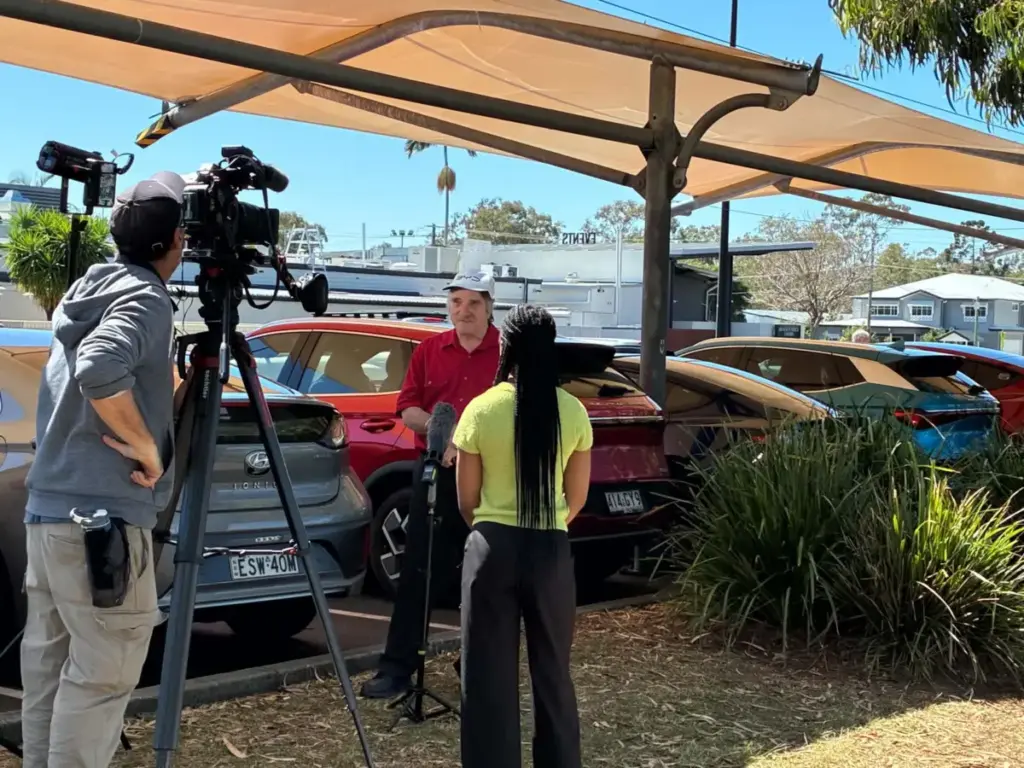
Adam Nelson, Chair of the Australian Electric Vehicle Association (Queensland), alongside prominent EV commentators, noted during a recent ABC interview that the primary catalyst is uncompromising consumer value. Australians are responding directly to affordable, high-tech Chinese electric vehicles amid lingering anxieties over the long-term price stability and security of imported petrol and diesel supplies—despite persistent, well-funded campaigns of misinformation across mainstream and social media channels.
Infrastructure and the "FUD" Factor
Critics of rapid EV adoption—most notably the Federal Chamber of Automotive Industries (FCAI)—frequently point to perceived shortcomings in public fast-charging infrastructure as a barrier to entry. However, real-world utilization data paints a vastly different picture. Open-source mapping platforms like Open Charge Map indicate that Australia’s public and destination charging network is scaling aggressively alongside vehicle deliveries, rendering range anxiety increasingly obsolete for daily commuters.
Furthermore, a comprehensive consumer survey conducted by the National Roads and Motorists Association (NSW) revealed that sentiment is undergoing a fundamental shift. Only 17% of respondents stated they would outright refuse to consider an EV for their next purchase. Intriguingly, environmental concerns are no longer the primary driver for prospective buyers; cost-efficiency has taken center stage. With domestic electricity costs averaging around 34 cents per kWh compared to petrol prices soaring near $2.50 per litre, the economic argument for switching to an EV has become mathematically irresistible for suburban households.
Nevertheless, lingering Fear, Uncertainty, and Doubt (FUD)—specifically regarding battery longevity and end-of-life recycling—continue to circulate. Addressing these misconceptions through transparent consumer education remains a vital task for both industry leaders and advocacy groups.

Future Outlook: The Road to Christmas 2026 and Beyond
As Australia turns the corner into the final quarter of 2026, the momentum shows no signs of abating. With upcoming models waiting in the wings—such as the Jaecoo J5, the BYD Shark plug-in hybrid ute, and the Geely EX2—the market is poised to conquer its final frontier: the utility vehicle and dual-cab ute segments. Once affordable, highly capable electric utes capture the hearts of regional and trades-focused Australian motorists, legacy dominance in those historically unyielding segments will effectively face checkmate.
The question on the lips of every market watcher is no longer if Australia will embrace electric mobility, but how fast. With industry pundits openly speculating whether the market can achieve a staggering 40% electrified vehicle penetration rate by Christmas 2026, supported by robust residential solar and home battery deployment, the Australian motoring public is stepping decisively into a cleaner, cheaper, and profoundly more electrified future.



