Executive Overview
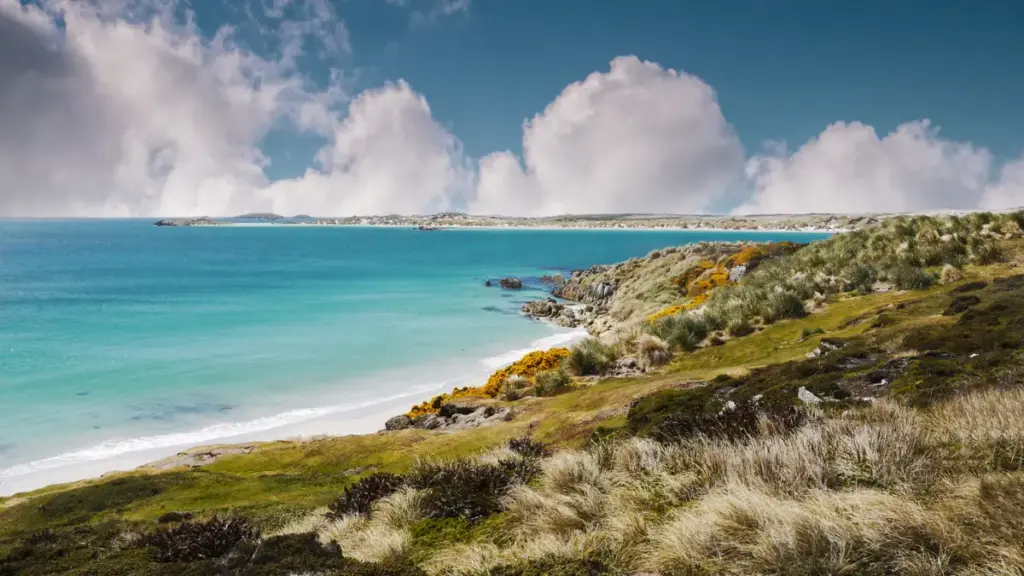
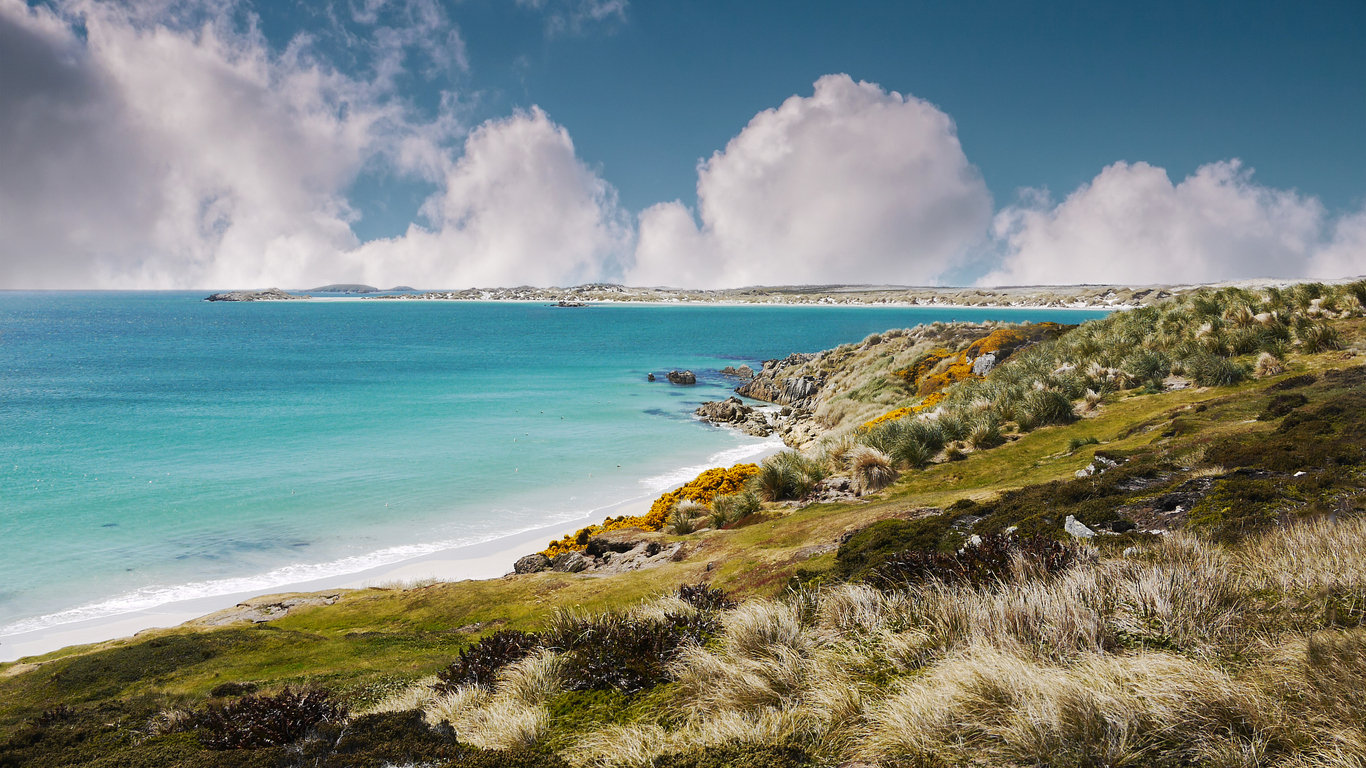
Nestled in the remote expanses of the South Atlantic, the Falkland Islands stand as one of the planet’s last truly pristine wildernesses. Characterized by dramatic coastlines, nutrient-rich waters teeming with krill and squid, and an extraordinary abundance of marine life—including sea lions, elephant seals, dolphins, and five distinct species of penguins that vastly outnumber the human population—this British overseas territory has long been celebrated as a sanctuary for biodiversity.
However, this ecological haven is now at the epicenter of a fierce political and environmental storm. Plans to introduce large-scale commercial salmon farming to the archipelago have deeply divided its 3,500-strong community. What began as a debate over economic diversification has escalated into a full-scale crisis of governance. Antagonists of the industrial aquaculture initiative, increasingly alienated by what they describe as a compromised public consultation process, are now aggressively mobilizing for a public referendum to let the people decide the archipelago’s ecological and economic destiny.
At the heart of the resistance is a profound loss of faith in the Falkland Islands Government (FIG). Environmental NGOs, independent scientists, and local residents argue that the government has rushed headlong into facilitating an industrial sector without adequate safeguards or transparent data. Dr. Tom Appleby, head of legal affairs at the renowned conservation NGO the Blue Marine Foundation, delivered a scathing critique of the administration’s handling of the initiative:
"It is extraordinary that the Falklands Islands government have got themselves in a position where they are providing reports to the public in this consultation that do not use independently verified primary data. The reports are so littered with disclaimers as to the sources of information as to be meaningless."
As tensions reach a boiling point, the future of the Falklands hangs in the balance. Will this remote British territory embrace the lucrative, yet ecologically perilous, path of industrial salmon farming, or will public outcry successfully halt a project that critics warn could irrevocably damage one of the world’s last pristine marine ecosystems?
Detailed Chronology: From Economic Aspiration to Environmental Flashpoint
The Genesis of Aquaculture Ambitions
The push to diversify the Falkland Islands’ economy is understandable. Historically reliant on fisheries (specifically Illex and Patagonian squid licensing), agriculture (primarily wool production), and a growing tourism sector, the islands’ government has continuously sought new avenues for revenue generation to ensure long-term financial self-sufficiency.
In recent years, the prospect of introducing open-pen finfish aquaculture—specifically Atlantic salmon—was floated as a viable commercial frontier. Proponents within government and industry circles argued that the island’s cold, energetic coastal waters offered ideal conditions for salmon growth, promising hundreds of jobs, increased export revenues, and a modernization of the local economy.
The Consultation Process and Mounting Suspicion
As initial feasibility studies progressed, the Falkland Islands Government initiated a public consultation process designed to gauge community sentiment and present the findings of various industry-backed impact assessments. However, rather than building consensus, the consultation quickly became a lightning rod for controversy.
Local residents, fishers, conservationists, and tourism operators began scrutinizing the documentation provided by the government. Instead of objective, peer-reviewed environmental assessments, stakeholders encountered reports riddled with caveats, disclaimers, and a heavy reliance on industry-provided data rather than independent, empirical science.
The Break Down of Trust and the Call for a Referendum
By mid-2026, the disconnect between the government’s ambitions and public unease reached a critical threshold. Critics argued that the consultation was not a genuine dialogue, but rather a rubber-stamping exercise designed to favor corporate aquaculture interests at the expense of local communities and the environment.
With confidence in the official process shattered, anti-salmon farming coalitions began demanding a binding public referendum. They argue that a decision of such magnitude—one that permanently alters the ecological and socio-economic fabric of the islands—cannot be made by a handful of officials relying on flawed and opaque data. Instead, they contend, every citizen must have a direct voice in determining whether commercial salmon pens belong in the pristine waters of the Falklands.
Supporting Context & Metrics: The Ecological Stakes
To fully grasp the gravity of the Falklands salmon farming debate, one must understand the unique and fragile ecosystem that hangs in the balance.
A Biodiversity Hotspot
The Falkland Islands are not merely an isolated group of islands; they are a critical node in the South Atlantic marine ecosystem. The surrounding waters are supercharged by upwelling currents that foster dense blooms of krill and squid. This abundance supports an astonishing array of wildlife:
- Marine Mammals: Commerson’s dolphins, Peale’s dolphins, killer whales, and massive pods of humpback and sei whales frequent the coastal bays and channels. Large colonies of southern sea lions and elephant seals breed along the rugged shores.
- Avian Populations: The islands host globally significant populations of seabirds, most notably five species of penguins—Gentoo, Magellanic, Rockhopper, King, and Macaroni—alongside black-browed albatrosses and petrels. On land and along the coasts, penguins often outnumber human residents by orders of magnitude.
The Documented Risks of Open-Pen Salmon Farming
Globally, open-net pen aquaculture has a heavily scrutinized track record. Conservation scientists point to several systemic threats associated with the industry, which they warn would be magnified in a pristine environment like the Falklands:
- Disease and Parasite Transfer: High-density pens act as breeding grounds for sea lice and infectious pathogens, which can easily spread to wild marine populations, devastating native fish stocks.
- Chemical and Organic Pollution: Uneaten feed, fish feces, and therapeutic chemicals (including antibiotics and pesticides used to treat parasites) settle on the seabed, smothering benthic life and creating hypoxic (oxygen-depleted) dead zones.
- Marine Mammal and Predator Conflicts: Seals, sea lions, and seabirds drawn to the rich food source of the pens often become entangled in nets or are intentionally targeted by farm operators using acoustic deterrent devices or lethal control methods.
- Escapes and Genetic Pollution: Farmed Atlantic salmon frequently escape their pens, competing with native species for resources and potentially interbreeding with wild populations, leading to weakened genetic resilience.
Economic vs. Ecological Realities
While proponents project substantial financial gains, opponents argue that salmon farming poses an existential threat to the Falklands’ existing sustainable industries:
- Tourism: Thousands of visitors travel to the islands annually specifically to witness pristine wilderness, untouched beaches, and thriving wildlife colonies. Industrialized coastlines and perceived environmental degradation could severely damage the tourism sector.
- Wild Fisheries: The islands’ established, highly regulated squid and finfish fisheries could be jeopardized if coastal water quality deteriorates or if marine food webs are disrupted by aquaculture operations.
Official Statements and Stakeholder Perspectives
The debate has polarized the small island community, drawing sharp contrasts between government officials, corporate interests, and conservation advocates.
The Conservation and Legal Perspective
Environmental organizations have stepped up to support local residents who feel sidelined by the political establishment. Dr. Tom Appleby of the Blue Marine Foundation has been particularly vocal in challenging the integrity of the government’s approach. By highlighting the pervasive disclaimers within official consultation reports, Appleby and other legal experts have underscored a systemic failure in due diligence.
Conservationists argue that introducing an industry known for environmental degradation into one of the world’s last uncompromised marine ecosystems is an irreversible gamble. They maintain that true sustainability cannot be achieved when public policy is guided by unverified, industry-generated data rather than rigorous, independent scientific oversight.
The Community and Grassroots Outcry
For many of the 3,500 residents, the issue cuts to the core of community identity and self-determination. Local fishermen, landowners, and tourism operators have expressed deep frustration at being ignored. Their call for a referendum is rooted in a fundamental democratic principle: that the custodianship of the islands belongs to the people who live there, not to outside corporations or administrative bodies detached from the ecological realities on the ground.
Future Outlook: A Critical Crossroads
As the controversy intensifies through the latter half of 2026, the Falkland Islands stand at a defining crossroads. The pressure for a public referendum is mounting, and the Falkland Islands Government faces an unenviable choice: push forward with a deeply divisive industry amidst widespread public distrust, or halt the process, reset the consultation framework, and allow the electorate to cast a definitive vote on the matter.
The implications of this battle extend far beyond the South Atlantic. As governments around the world grapple with the tension between economic growth and environmental preservation, the Falklands case serves as a stark reminder of the perils of opaque governance and the resilience of communities fighting to protect their natural heritage. Whether the pristine waters of the Falklands remain a sanctuary for whales, seals, and millions of penguins—or are transformed into the southern hemisphere’s newest industrial salmon frontier—will ultimately depend on the resolve of its people and the integrity of their democratic institutions.