Executive Overview
The Earth is a mosaic of breathtaking extremes. From the windswept, glacial heights of Mount Everest to the pitch-black, pressurized trenches of the Mariana Abyss, our planet hosts an astonishing web of life. For modern travelers, the allure of these ecosystems is irresistible. Millions are drawn annually to witness elephants traversing the dusty expanses of the Serengeti, to absorb generations of forest management knowledge from Indigenous communities deep within the Amazon Basin, or to snorkel among the kaleidoscopic, biodiverse reefs of the Coral Triangle.
Historically, ecotourism emerged as a philosophical and logistical antidote to mass tourism. It promised a symbiotic mechanism through which travelers could immerse themselves in the planet’s greatest wilderness areas while simultaneously generating the economic lifelines required to conserve them.
However, in the contemporary travel landscape, "ecotourism" has devolved into a ubiquitous corporate buzzword. The term is now routinely hijacked to market virtually any journey that takes place outdoors—even when those operations disrupt vulnerable wildlife, degrade delicate habitats, or exploit Indigenous cultures. This systemic "greenwashing" masks destructive practices, misleads conscientious consumers, and severely undermines the foundational goals of genuine ecotourism.
This reality forces a critical industry-wide reckoning: What is ecotourism, really?
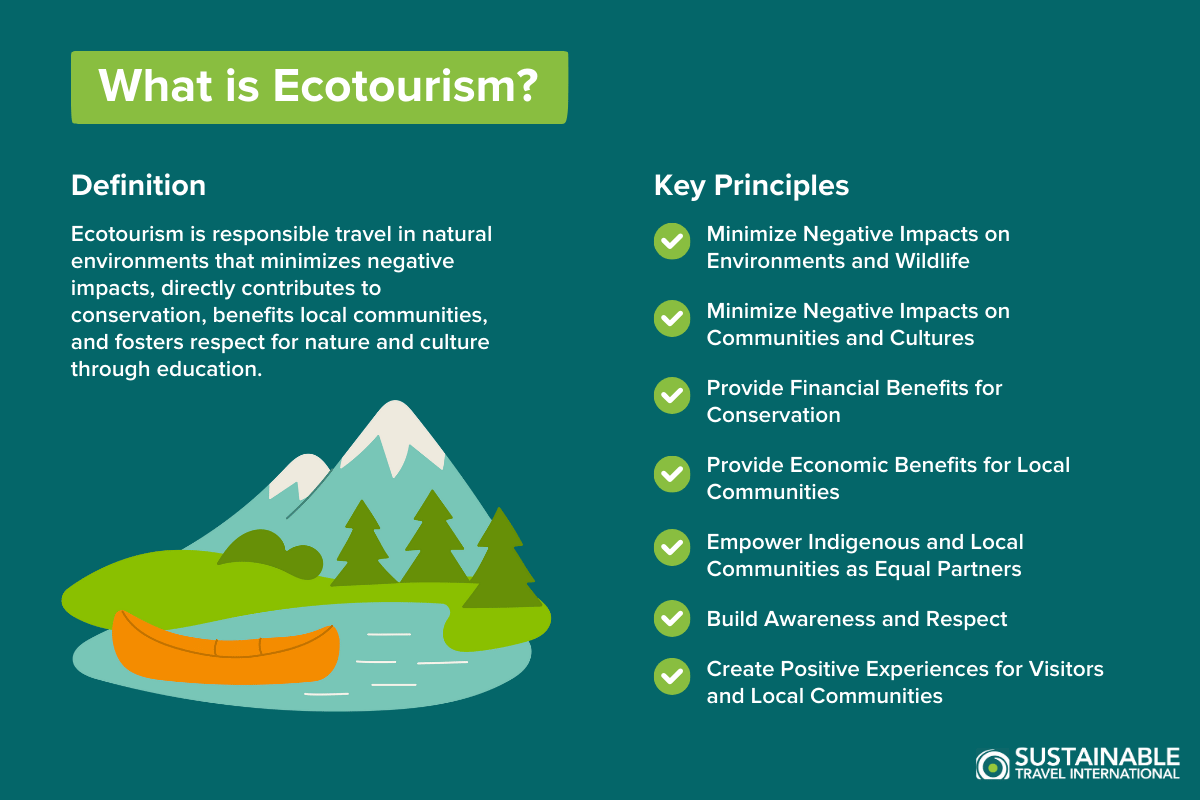
True ecotourism is not merely a vacation spent outdoors. At its core, it is a disciplined, highly intentional form of responsible travel to fragile natural areas. It prioritizes the active preservation of these environments, champions the socio-economic empowerment of local and Indigenous host communities, and fosters a transformative, respectful appreciation for unique landscapes and cultures.
As the global travel sector experiences an unprecedented post-pandemic resurgence, understanding the true definition, historical evolution, and operational reality of ecotourism has never been more urgent. This comprehensive investigation explores the anatomy of authentic ecotourism, contrasting it with commercial greenwashing, charting its fascinating history, and examining gold-standard models from across the globe.
Detailed Chronology: The Genesis and Evolution of Ecotourism
To understand where ecotourism is heading, one must examine its origins. Contrary to popular belief, the movement is relatively modern, forged during a period of rising environmental consciousness in the late 20th century.
The 1980s: The Birth of a Term
The conceptual framework of ecotourism was crystallized in the 1980s by Mexican architect, environmentalist, and visionary Héctor Ceballos-Lascuráin. Seeking a middle ground between rampant, destructive commercial development and absolute ecological isolationism, Ceballos-Lascuráin coined the term to describe low-impact travel that actively protected natural habitats while sustaining local economies.
His vision was disarmingly simple yet revolutionary: non-consumptive outdoor pursuits—such as birdwatching, botany, and low-impact hiking—could generate sustainable livelihoods for rural populations. In doing so, these activities would assign tangible economic value to living ecosystems, creating a financial incentive to keep forests standing and reefs intact rather than logging or overfishing them.
The 1990s: Mainstreaming Sustainability
Throughout the 1990s, as global development conversations increasingly grappled with the limits of industrial growth, sustainability moved from the fringes of academia to the forefront of international policy. Environmental NGOs, academic institutions, and grassroots organizations began codifying the distinct criteria that separated sustainable nature travel from conventional tourism. The movement shifted away from a loose collection of idealistic grassroots projects toward a structured, standardized global discipline.
2002: United Nations Recognition
A major institutional milestone occurred in 2002, designated by the United Nations as the International Year of Ecotourism. During this watershed year, the UN officially recognized ecotourism as a premier catalyst for sustainable development, poverty alleviation, and environmental protection. This endorsement spurred governments worldwide to integrate ecotourism frameworks into their national conservation strategies, paving the way for legally protected marine and terrestrial reserves funded directly by visitor revenues.
Present Day: A Multi-Billion-Dollar Movement
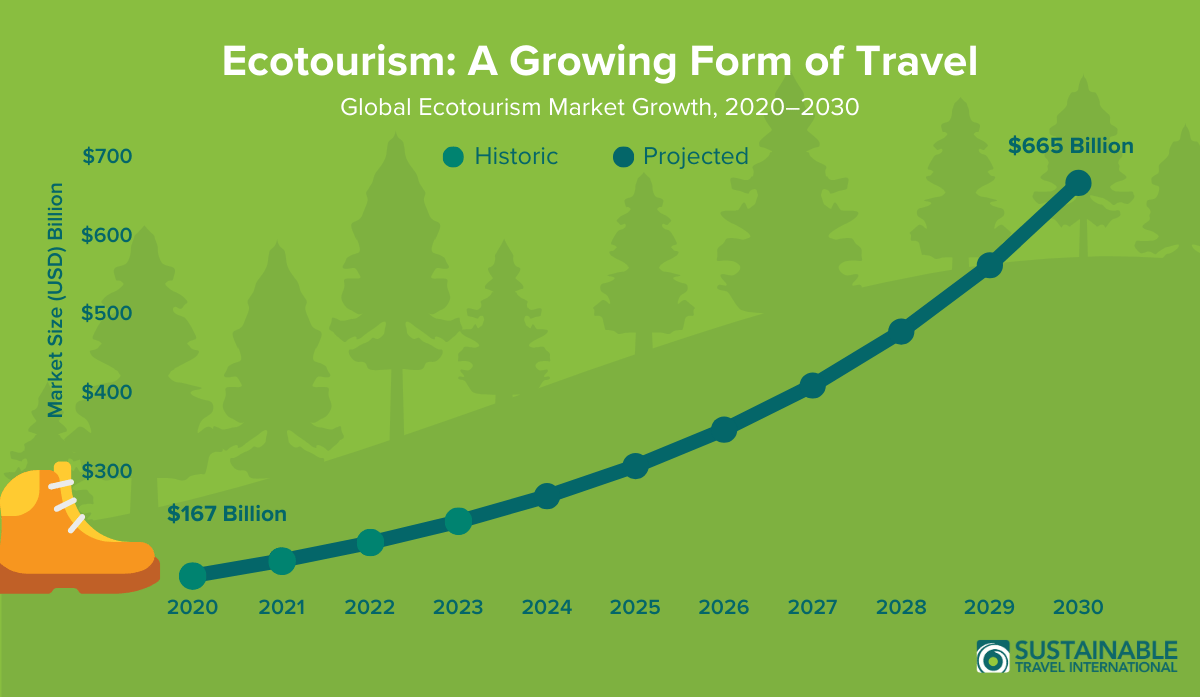
Today, ecotourism stands as one of the fastest-growing sectors in the global travel economy. Market analysts project that the global ecotourism market will exceed $665 billion by 2030, surging from its valuation in the early 2020s. This meteoric financial trajectory reflects a profound cultural shift: modern travelers are increasingly rejecting homogenous, high-impact mass tourism in favor of mindful, purpose-driven journeys that leave a positive net footprint on the destinations they explore.
Supporting Context & Metrics: The Imperative for Rigor
Many of the planet’s most alluring tourism destinations are simultaneously home to its most fragile, irreplaceable ecosystems.
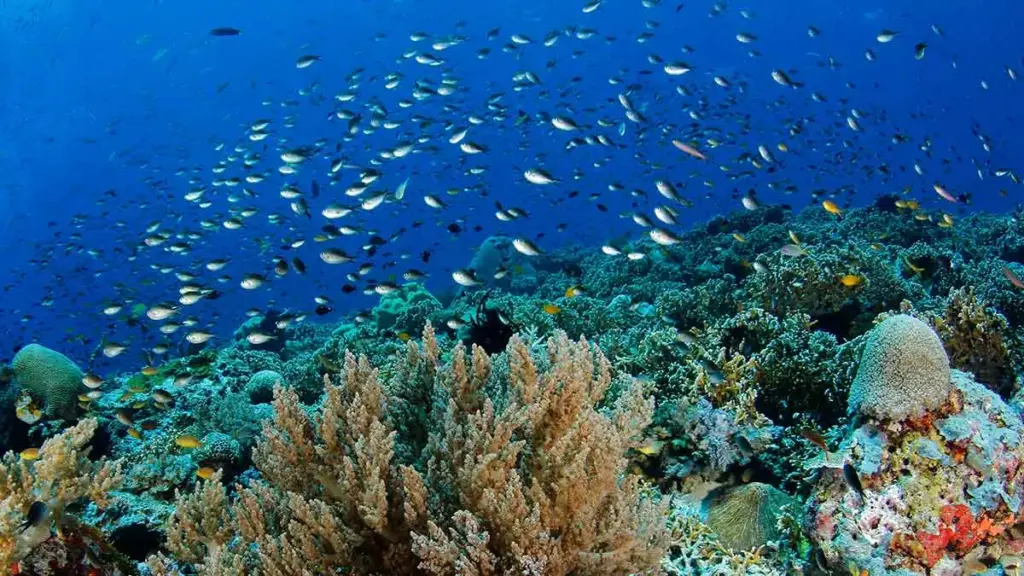
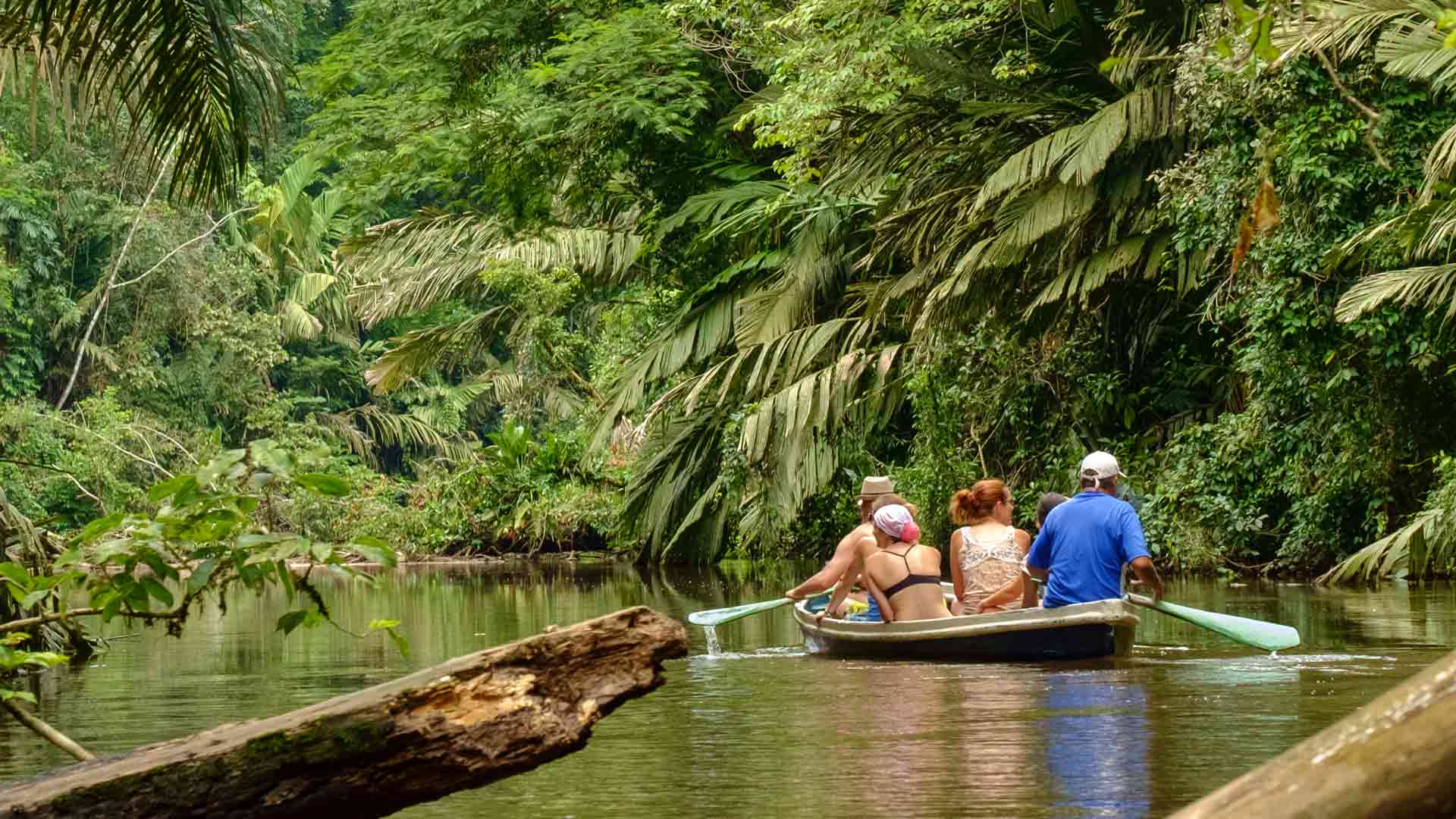
Consider Costa Rica, where dense rainforests pulse with staggering biodiversity, sheltering endangered species like the Baird’s tapir. Alternatively, look to Raja Ampat in Indonesia, where vibrant coral reefs provide a sanctuary for marine life but face mounting threats from warming sea temperatures and ocean acidification.
When managed without oversight, international travel exerts immense ecological pressure on these sensitive locales. Unchecked tourism growth frequently metastasizes into overtourism. Overcrowding, unmanaged waste generation, habitat fragmentation, and the exploitation of natural resources leave indelible scars on the very landscapes travelers journey thousands of miles to admire.
To combat this, leading global conservation authorities have established rigorous, shared definitions. Ecotourism is universally understood as responsible travel to natural areas that minimizes environmental impact, directly funds conservation initiatives, empowers local communities, and fosters a deep, cross-cultural respect for nature through education.
Global Standards and Alignment
The defining principles of ecotourism are anchored by consensus among major international governing bodies, including:
- The International Ecotourism Society (TIES): Focusing on community-centric conservation and traveler education.
- The International Union for Conservation of Nature (IUCN): Emphasizing the protection of biodiversity and natural habitats within tourism frameworks.
- Global Ecotourism Network (GEN): Promoting integrity, innovation, and community resilience in sustainable operations.
- UN Tourism (formerly UNWTO): Integrating ecotourism into broader global sustainable development goals.
Official Statements and Industry Insights
Industry leaders and conservation scientists emphasize that the integrity of ecotourism relies on measurable, positive outcomes rather than marketing narratives.
Dr. Héctor Ceballos-Lascuráin, reflecting on the expansion of his original concept, has repeatedly warned against the dilution of the term. "Ecotourism is not merely about enjoying scenery," he has noted in various conservation forums. "It is a specialized form of tourism where the traveler’s primary motivation is the study, admiration, and appreciation of nature, coupled with an explicit commitment to safeguarding the socio-ecological integrity of the host environment."
Similarly, reports from the World Travel & Tourism Council (WTTC) and academic researchers stress that the economic viability of rural communities is inextricably linked to ecosystem health. When local populations are cut out of tourism revenue streams, the temptation to engage in extractive practices—such as poaching, illegal logging, or destructive dynamite fishing—rises exponentially. Ecotourism succeeds precisely when it replaces these short-term extraction models with long-term, community-owned stewardship.
Ecotourism vs. Sustainable Tourism vs. Nature Tourism
To navigate the modern travel landscape effectively, one must distinguish between three frequently conflated terms: sustainable tourism, nature tourism, and ecotourism.
| Category | Nature Tourism | Ecotourism | Sustainable Tourism |
|---|---|---|---|
| Core Definition | Travel that depends on and takes place in natural environments. | Responsible travel in nature that actively supports conservation, benefits local communities, and fosters respect. | Travel that balances economic growth, community well-being, environmental health, and visitor satisfaction. |
| Destination Scope | Strictly natural environments. | Strictly natural environments. | Universal: Natural, urban, rural, or cultural destinations. |
| Primary Impact | Variable; can either benefit or harm ecosystems depending entirely on management practices. | Positively strengthens conservation outcomes and community well-being while minimizing negative impacts. | Minimizes negative impacts and maximizes positive contributions across economic, social, and environmental dimensions. |
Dissecting the Categories
- Sustainable Tourism: This is an overarching philosophy governing how travel is conducted. It applies to any sector of the industry, whether managing a high-rise urban hotel, an amusement park, or a remote jungle lodge. Sustainable tourism might involve implementing renewable energy systems in a metropolitan museum, utilizing water-saving technologies in a desert resort, or enforcing fair labor practices in a restaurant chain.
- Nature Tourism: This describes where travel takes place. Nature tourism encompasses any recreational activity pursued in the outdoors—such as motorized boating, off-roading, skiing, or camping. While nature tourism connects people with the outdoors, it is not inherently eco-friendly. Unmanaged nature tourism can severely erode soils, disrupt wildlife breeding patterns, and strain local watersheds.
- Ecotourism: Ecotourism sits squarely at the intersection of these two concepts, merging a passion for wild landscapes with an ethical mandate to protect them. It adopts the rigorous operational ethics of sustainable tourism and applies them directly to the geographic focus of nature tourism, ensuring that every visitor actively contributes to the preservation of the host ecosystem.
What Ecotourism Looks Like in Practice: Global Case Studies
True ecotourism is best understood through its real-world implementation. Across the globe, pioneering regions have demonstrated how thoughtful tourism design can restore ecosystems and enrich local populations.
1. Costa Rica: Institutionalized Conservation
Costa Rica remains the global benchmark for ecotourism. The nation has successfully transformed its extraordinary biodiversity into both a national identity and an educational engine, dedicating over a quarter of its sovereign landmass to national parks and biological reserves.
Costa Rica pioneered one of the world’s earliest Certification for Sustainable Tourism (CST) programs, which now governs hundreds of businesses nationwide. In destinations like Monteverde, expert-led birdwatching excursions educate travelers on fragile cloud forest avian species while funding family-run conservation reserves. In Tortuguero, community-led sea turtle monitoring programs generate vital seasonal income, transforming former poachers into dedicated wildlife rangers who protect nesting beaches from illegal egg harvesting.
2. Raja Ampat, Indonesia: Marine Resilience in the Coral Triangle
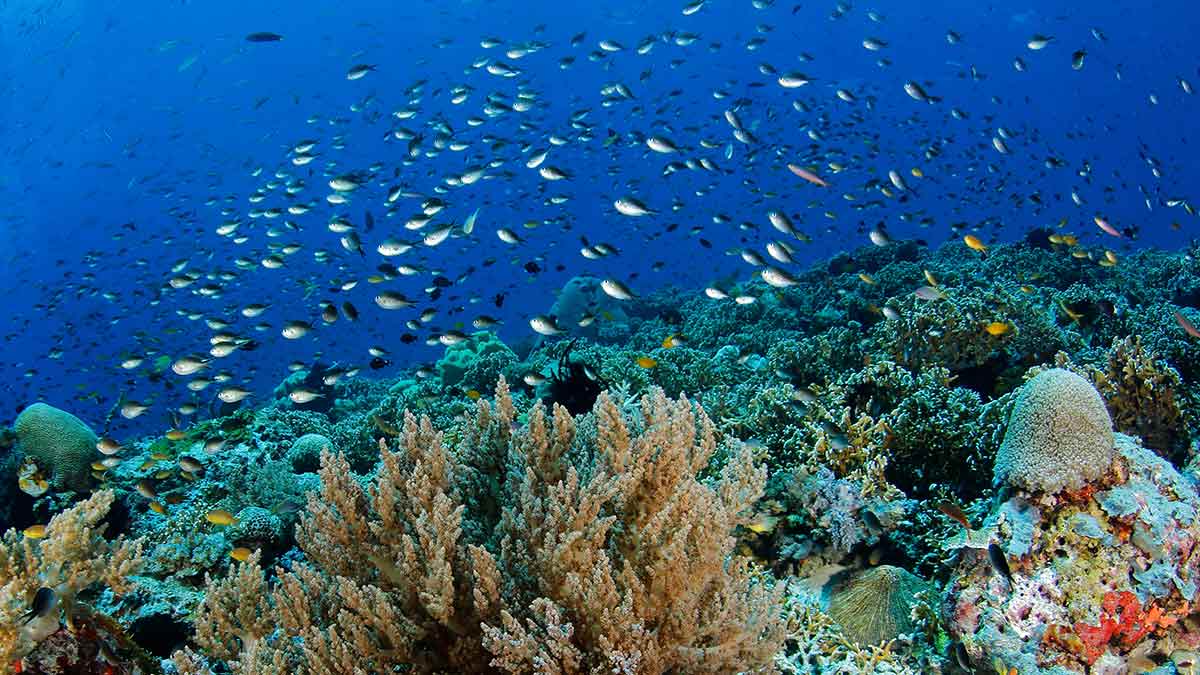
Located within the heart of the Coral Triangle—often dubbed the "Amazon of the Seas"—the Raja Ampat archipelago holds over 76% of the world’s known coral species and 1,700 species of fish.
In the southern reaches of the archipelago, the Misool Foundation operates a private island resort centered entirely around marine conservation. The resort funds and patrols a massive 300,000-acre no-take marine reserve. Tourism revenue directly supports ranger patrols, a manta ray sanctuary, a sea turtle nursery, and comprehensive community recycling initiatives. Rigorous ecological assessments indicate that within this reserve, fish biomass has risen by over 250%, shark populations have increased twenty-fivefold, and coral cover has expanded by 60%.
3. Bhutan: Biodiversity Finance and River Conservation
Bhutan has long integrated environmental preservation into its national philosophy of Gross National Happiness. Through partnerships such as the UNDP Biodiversity Finance Initiative (BIOFIN), the kingdom utilizes adventure tourism—specifically river rafting—as an active conservation tool. Certified rafting guides double as environmental wardens, patrolling waterways to intercept illegal fishing, clear plastic waste, and monitor vulnerable, endangered species such as the white-bellied heron.
4. Kenya: Community Conservancies and Wildlife Corridors
As the birthplace of community conservation in Africa, Kenya hosts more than 200 community-owned conservancies. In these regions, Indigenous pastoralists live alongside wildlife, protecting two-thirds of the country’s large mammals that reside outside formal government parks.
At the LUMO Community Wildlife Conservancy, local ranches united to secure vital wildlife corridors while maintaining sustainable cattle grazing. Previously degraded rangelands have experienced a dramatic ecological rebound, once again supporting populations of elephants, cheetahs, and rare antelopes. Tourism revenue generated from guided safaris, photography tours, and community-run camps funds local schools, healthcare clinics, and stable local employment.
Future Outlook: The Rise of Regenerative Travel
As the global ecotourism sector marches toward its projected 2030 valuations, the industry is experiencing an ideological evolution. Merely "minimizing harm" is no longer considered sufficient by leading conservationists and forward-thinking operators.
The frontier of responsible travel is regenerative tourism. While ecotourism laid the groundwork by focusing on conservation and impact mitigation, regenerative travel asks a more demanding question: How can travel actively heal, restore, and improve the destinations we visit?
This next-generation framework moves beyond sustainability to focus on net-positive contributions. It involves travelers participating directly in habitat restoration—such as coral reef replanting, reforestation projects, and soil regeneration—while ensuring that economic benefits flow directly into the hands of Indigenous stewards.
For the modern traveler, navigating this landscape requires diligence. It demands looking past slick marketing campaigns, verifying third-party certifications, and supporting tour operators who transparently reinvest in local communities and ecosystems. By holding the travel industry to these rigorous standards, travelers and professionals alike can ensure that ecotourism fulfills its original promise: safeguarding the remarkable wonders of our natural world for generations yet to come.