

Executive Overview
In April 2024, amidst quiet tears of profound validation, Tish Taylor and her father, Robert, stood directly behind Environmental Protection Agency (EPA) Administrator Michael Regan as he signed a historic regulation. The rule was designed to slash toxic emissions from the labyrinth of petrochemical complexes looming over their homes along Louisiana’s lower Mississippi River—an 85-mile stretch universally known as "Cancer Alley." For the Taylors and millions of Americans living in the suffocating shadows of heavy industry, the regulation was celebrated as a generational triumph, a long-overdue shield against insidious, cancer-causing air pollution.
Known formally as the HON rule (Hazardous Organic National Emission Standards for Hazardous Air Pollutants), this sweeping environmental mandate targeted more than 200 large-scale petrochemical facilities across the United States. It instituted aggressive controls on some of the industrial sector’s most notorious chemical byproducts, mandating continuous fenceline monitoring and closing loopholes that had historically allowed unchecked emissions during facility startups, shutdowns, and malfunctions.
Yet, this hard-won environmental milestone proved painfully short-lived. Following the inauguration of Donald Trump for his second presidential term, the federal government systematically dismantled the rule. Citing national security and economic vitality, the administration issued sweeping temporary exemptions to scores of petrochemical plants and signaled an imminent, wholesale rewrite designed to gut the regulation’s core protections.
For fence-line communities—disproportionately low-income and minority neighborhoods already bearing the brunt of industrial pollution—the swift reversal felt like a profound betrayal. Local residents, public health advocates, and legal coalitions have responded with aggressive litigation, setting up a high-stakes constitutional showdown over executive overreach, corporate accountability, and the fundamental right to clean air.
Detailed Chronology: From Celebration to Rollback
The Genesis of Reform (2016–2024)
The scientific foundation of the HON rule was laid years before its enactment, rooted in a critical 2016 reevaluation of ethylene oxide gas. Federal health assessments revealed that the chemical was significantly more toxic and carcinogenic to humans inhaling it than previously understood. This revelation triggered a cascade of regulatory reviews across the EPA, culminating in the Biden administration’s 2024 push to strengthen Clean Air Act standards for hazardous air pollutants across multiple industrial sectors.
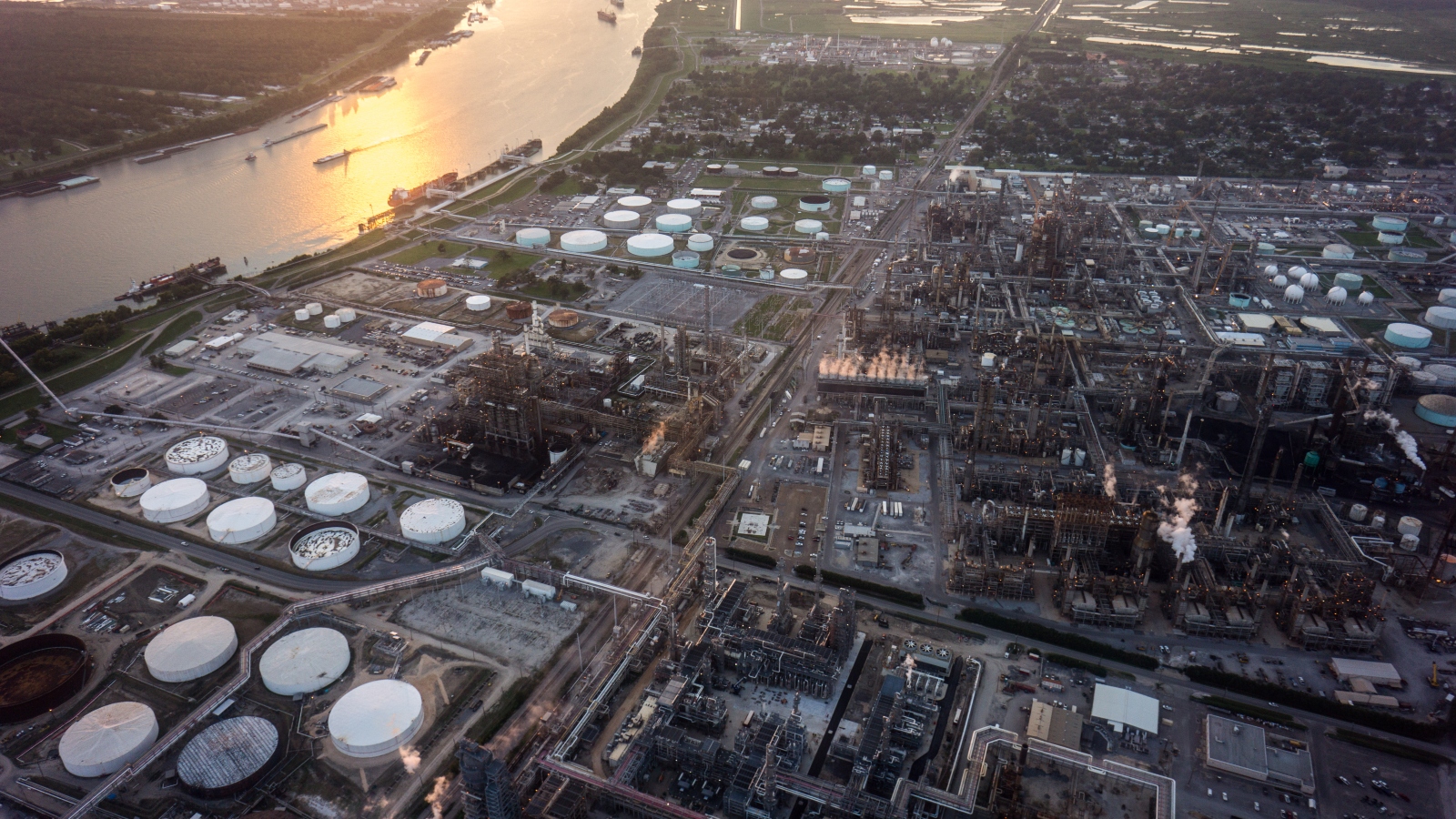
When the HON rule was finalized in April 2024, it stood as the crown jewel of this regulatory suite. It required over 220 petrochemical facilities—concentrated heavily along the Gulf Coast of Texas and Louisiana, but dispersed through industrial corridors in states like Ohio, West Virginia, Kentucky, and Alabama—to drastically overhaul their pollution control infrastructure.
For communities in St. John the Baptist Parish, where lifetime cancer risks from air pollution soared to nearly 50 times the national average, the signing ceremony represented a historic turning point. Residents who had fought for decades against the heavy industrial footprint felt the federal government was finally listening.
The Swift Dismantling (2025–2026)
The political landscape shifted dramatically with the return of the Trump administration in early 2025. Moving swiftly to fulfill campaign promises of industrial deregulation, the EPA invited chemical manufacturers to petition the agency directly for relief from the Biden-era air toxics rules.
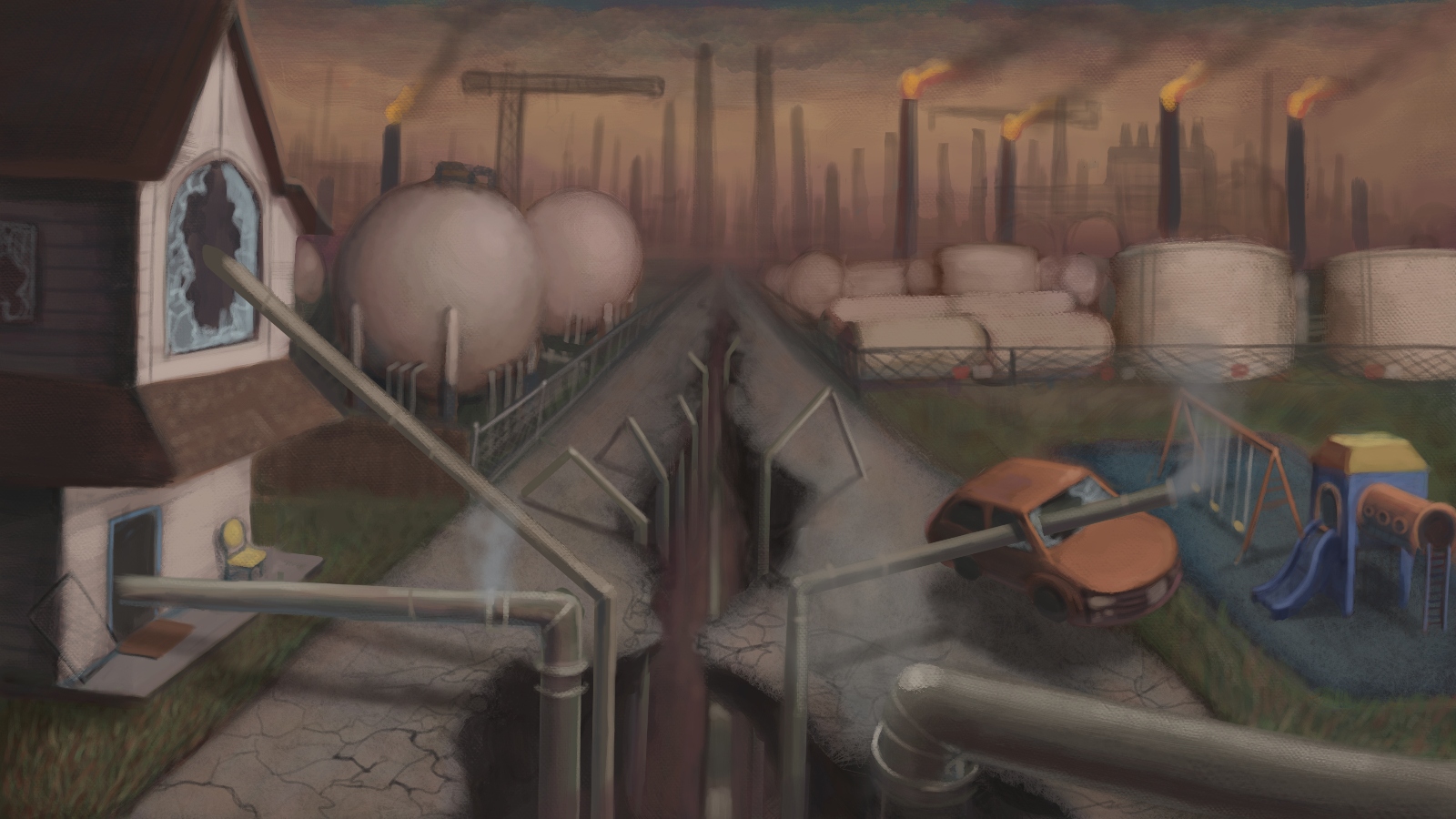
Utilizing a rarely invoked provision of the Clean Air Act, President Trump granted two-year emergency exemptions to more than 50 petrochemical facilities in mid-2025, followed by another 20 temporary exemptions in July 2026. The administration justified these moves by asserting that strict environmental timelines threatened domestic manufacturing security and supply chain resilience.
Simultaneously, the EPA announced plans to formally rewrite the HON rule. Environmental law experts noted that the upcoming regulatory overhaul would almost certainly strip away the mandatory fenceline monitoring requirements and weaken emissions caps, effectively neutralizing the standard before most facilities were required to complete their compliance upgrades.
Supporting Context & Metrics: The Anatomy of Toxic Exposure
The "Classic Bad Guys" of Chemical Pollution
The pollutants targeted by the HON rule are among the most hazardous substances known to modern industrial chemistry. According to Dr. Tracey Woodruff, a professor of epidemiology and population health at Stanford University and a former EPA toxic assessment official, these compounds are the "classic bad guys of toxic chemicals."
The regulation specifically addresses emissions of six dangerous substances:
- Ethylene Oxide: A potent carcinogen linked to breast cancer and lymphoid cancer.
- Chloroprene: A chemical utilized in synthetic rubber production, classified as a likely human carcinogen associated with lung and liver cancers.
- Benzene: A well-documented leukemia-causing agent.
- 1,3-Butadiene: Linked to increased risks of cardiovascular disease and various cancers.
- Ethylene Dichloride & Vinyl Chloride: Toxic gases known to impair liver function and elevate cancer risks.
For decades, federal regulations governed common urban pollutants—such as vehicle tailpipe emissions—far more strictly than these hazardous industrial air toxics. The HON rule sought to correct this disparity by requiring continuous fenceline monitors to measure precise chemical concentrations, forcing operators to immediately investigate and repair leaks whenever thresholds were breached.
Closing the Maintenance Loophole
A critical element of the HON rule was its elimination of a massive regulatory loophole: the exemption of petrochemical plants from emissions limits during periods of startup, shutdown, and routine maintenance (SSM). Historically, plants routinely emitted massive volumes of toxic chemicals during these transitional phases without legal penalty.
With global climate change driving more frequent extreme weather events along the Gulf Coast—forcing facilities into emergency shutdowns and subsequent restarts—this loophole had become an invisible engine of massive toxic releases. Environmental policy experts emphasize that failing to regulate SSM emissions renders ambient air quality standards virtually meaningless in heavy industrial zones.
Geographic and Public Health Impact
Unlike narrower rules that applied to only a handful of specialized facilities, the HON rule’s footprint was vast. Approximately 60 percent of the regulated facilities are clustered in Texas and Louisiana, anchoring the nation’s primary petrochemical hubs.
When the EPA finalized the rule in 2024, its internal models projected staggering public health benefits:
- Annual Reductions: Prevention of roughly 6,200 tons of toxic air pollution annually.
- Targeted Emissions: An 80 percent reduction in ethylene oxide and chloroprene emissions from covered facilities.
- Risk Mitigation: A projected 96 percent decrease in localized cancer risks for communities residing adjacent to HON-regulated plants.
These facilities produce the fundamental building blocks for everyday consumer goods, including plastics, paints, synthetic fibers, antifreeze, and commercial detergents. Proponents of the rule argued that modern engineering made compliance entirely feasible, while critics within industry asserted that the timelines were unachievable.
Official Statements and Legal Battles
The Battle Lines of Executive Authority
The Trump administration’s deployment of national security exemptions to bypass Clean Air Act mandates has ignited a fierce legal war. In justifying the rollbacks, presidential proclamations stated that the HON rule imposed "substantial burdens on chemical manufacturers," threatening domestic supply chain security and increasing foreign material dependence.
Legal scholars and public advocacy attorneys have challenged the legitimacy of these claims. Annie Fox, a staff attorney at the Philadelphia-based Clean Air Council, pointed out that invoking national security exemptions under the Clean Air Act requires rigorous factual backing and empirical proof—a standard she argues the administration has completely ignored.

"These are supposed to be rare exceptions that are well-grounded in research and facts," Fox noted. "Not just state it."
The Judicial Challenge
In October 2025, a coalition of local and national environmental justice groups—including the Concerned Citizens of St. John, represented by the Taylors—filed a federal lawsuit in the U.S. District Court for the District of Columbia. The lawsuit challenges the legality of the Trump administration’s exemptions, arguing that the national security justification is merely a pretext designed to shield corporate polluters from compliance while the administration permanently dismantles the rule.
Meanwhile, industry trade groups have strongly defended the administration’s actions. The American Chemistry Council criticized the original HON rule as "overly stringent," asserting that it exceeded the EPA’s statutory authority, ignored relevant scientific data, and imposed technological requirements that were commercially unavailable within the mandated timeframes.
The EPA maintained its stance through official correspondence, stating that its ongoing regulatory revisions seek a balanced approach that "protects American industry and supply chains, while still minimizing Americans’ unnecessary exposure to hazardous air pollutants."
Broader Deregulatory Waves
The rollback of the HON rule is part of a broader federal retreat from environmental protections. The administration has simultaneously moved to:
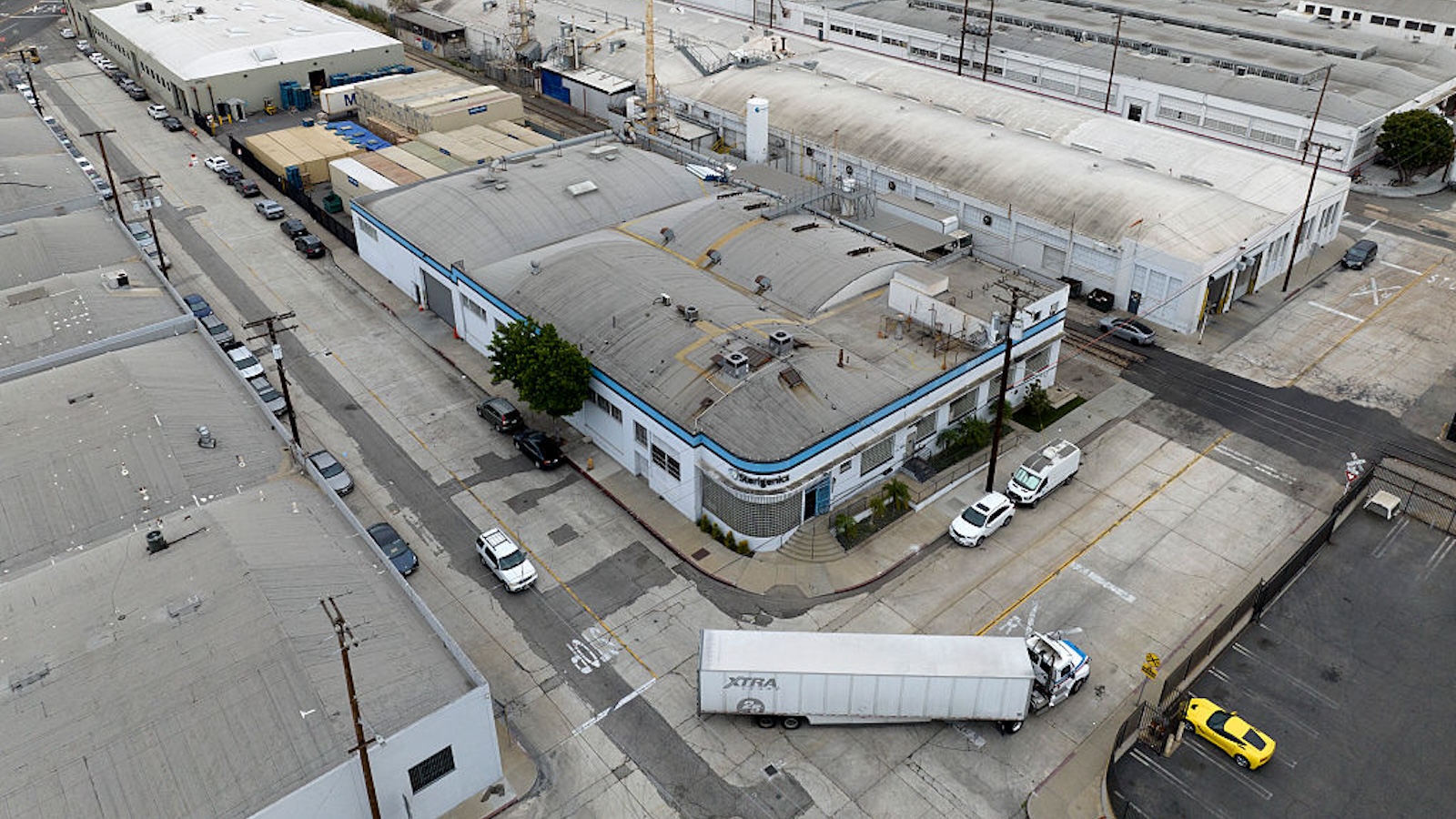
- Weaken the Medical Sterilizer Rule: Proposing scaled-back standards for ethylene oxide use in medical equipment sterilization.
- Undermine the Risk Management Program (RMP): Proposing the removal of Biden-era mandates that empowered industrial workers to halt dangerous operations and required facilities to prepare for natural disasters and public information sharing.
- Suppress Public Data: Dismantling online public disclosure tools that allowed local communities to access facility accident histories and chemical inventories.
Public health advocates warn that these compounding rollbacks strip communities of vital self-defense mechanisms, leaving millions vulnerable to catastrophic industrial accidents reminiscent of historical disasters like the 1984 Bhopal chemical leak.
Future Outlook: The Resilience of Fence-Line Communities
Despite the mounting setbacks at the federal level, grassroots resistance remains unbroken. Sharon Lavigne, founder of the Louisiana-based advocacy group RISE St. James and a prominent figure in Cancer Alley, retains the ceremonial pen given to her by EPA Administrator Michael Regan following the 2024 signing ceremony. Her organization remains a primary plaintiff in the ongoing federal lawsuit against the administration’s exemptions.
Lavigne views the wholesale dismantling of the rule as a direct reflection of federal indifference toward marginalized populations, yet she remains steadfast in her commitment to the struggle.
"When he gets out of office," Lavigne vowed, reflecting the fierce determination of her community, "we’re gonna fix it back."
As the legal battles wind through federal courts and the EPA prepares its official rewrite of the HON rule, the fundamental tension between industrial production and public health remains unresolved. For the residents of Cancer Alley and similar industrial corridors across America, the fight for clean air is not merely a political debate—it is an ongoing battle for survival.



