

Published: September 3, 2026
Author: Jacob Wallace (Adapted & Expanded)
Beat: Environmental Policy, Regulatory Compliance, Waste Management & Climate Mitigation
Executive Overview
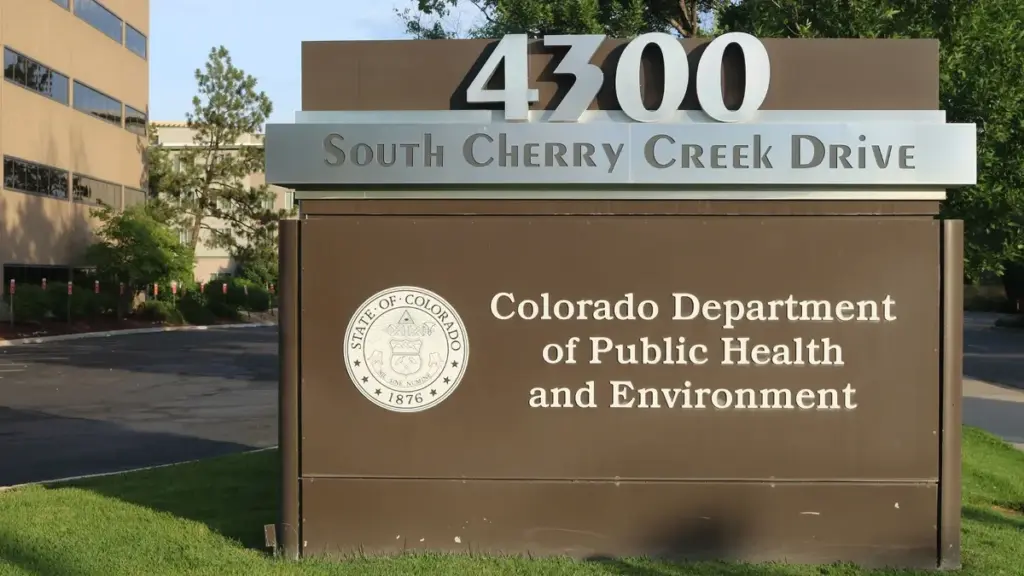
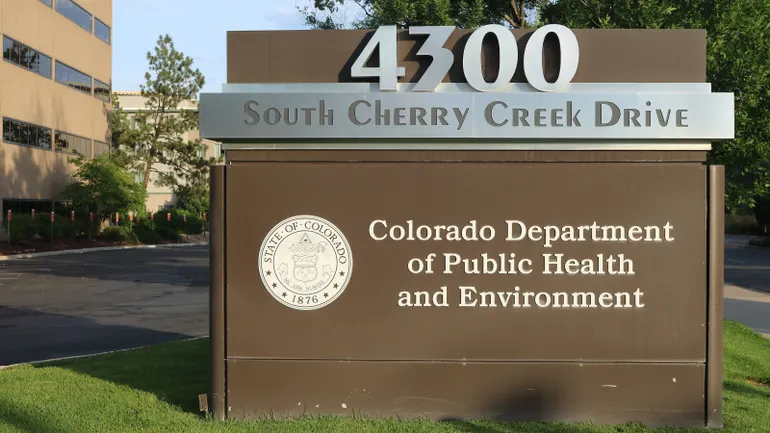
In a decisive move to curb potent greenhouse gas emissions, the state of Colorado is rolling out targeted financial relief and regulatory flexibility to help smaller waste-management facilities comply with aggressive new air-quality standards. Spearheaded by the Colorado Department of Public Health and Environment (CDPHE), the initiative focuses primarily on smaller, community-run landfills owned by local governments or nonprofit entities. These operators have long voiced anxieties regarding the prohibitive costs associated with state-mandated methane mitigation.
The core of this regulatory landscape is Colorado Regulation 31, a pioneering framework that establishes stringent methane-based thresholds requiring operators to install comprehensive landfill gas (LFG) collection and control systems. While environmental advocates have lauded the rule as a monumental step toward achieving the state’s ambitious long-term climate targets, smaller operators warned of an impending fiscal cliff. Without external assistance, they argued, compliance could cripple municipal budgets and drive up local refuse collection fees.
To bridge this financial chasm, state regulators have instituted dedicated grant programs and compliance extensions. The newly launched Landfill Methane Mitigation Grant Program—complemented by legislative funding pathways like Colorado Senate Bill 101—aims to level the playing field. By prioritizing projects at smaller, publicly and non-profit-owned facilities, Colorado hopes to prove that aggressive climate action and fiscal equity can coexist.
Detailed Chronology: From Regulation 31 to Financial Relief
Understanding the current state of Colorado’s waste sector requires examining the deliberate, albeit friction-laden, trajectory of Regulation 31 and its subsequent legislative and administrative adjustments.
The Inception and Reach of Regulation 31
Regulation 31 was formulated to plug a significant loophole in national climate policies by targeting methane—a greenhouse gas with a global warming potential significantly higher than carbon dioxide over a 20-year timeline. The regulation instituted a strict methane-based threshold. Once a landfill exceeds this designated limit, operators are legally bound to design, install, and operate advanced gas collection and control systems. Furthermore, the rule mandates enhanced monitoring protocols and rigorous reporting mechanisms that far outstrip baseline federal mandates under the U.S. Environmental Protection Agency (EPA).
The regulation directly impacts 32 active and closed landfills across the state. As part of the initial rollout, facility operators faced a critical milestone on June 30, when they were legally required to submit comprehensive initial waste-in-place reports to establish their regulatory standing.
Pushback from the Municipal Sector
While major commercial waste firms possess the capital reserves to absorb sudden regulatory expenses, smaller municipal and regional operators expressed immediate alarm. Many of these smaller facilities serve rural or mountain communities where a sudden capital expenditure of hundreds of thousands—or millions—of dollars translates directly into higher trash bills for residents.
Operators argued that the financial burden of purchasing and installing enclosed flares, gas extraction wells, and sophisticated monitoring arrays threatened to overwhelm local budgets. The stark funding gap threatened to turn compliance into an existential financial threat for community-owned infrastructure.
Regulatory Tweaks and Administrative Adjustments
Recognizing the validity of these concerns without watering down the overarching environmental goals, staff within CDPHE’s Air Pollution Control Division (APCD) engaged in a series of administrative tweaks. Most notably, the final language of Regulation 31 was modified to grant an extra three-year compliance runway to landfills owned by local governments that hold less than 8 million tons of waste in place. This grace period provides smaller entities with the necessary temporal buffer to plan capital improvements, apply for grants, and budget responsibly.
Legislative Intervention: Senate Bill 101
The policy landscape shifted further in May with the passage of Colorado Senate Bill 101 (SB 101). Signed into law in the spring of 2026, SB 101 authorized the CDPHE to distribute financial awards directly from the state’s Community Impact Cash Fund to landfill operators struggling to meet methane reduction mandates.
Significantly, SB 101 directed state officials to prioritize funding allocations toward local government-owned facilities rather than large private operators. While certain broader provisions that would have fundamentally altered Regulation 31’s compliance architecture were ultimately stripped from the bill during heated legislative debates, the core funding mechanism remained intact, providing a vital legislative backstop for cash-strapped municipalities.

Supporting Context & Metrics: The Scale of the Challenge
The urgency behind Colorado’s regulatory push is underscored by stark environmental math. Landfills represent the third-largest source of human-related methane emissions in the United States. When organic waste decomposes in the anaerobic environment of a landfill, it generates a potent cocktail of roughly 50% methane and 50% carbon dioxide.
Environmental Projections
According to CDPHE’s comprehensive environmental impact assessments, the full implementation of Regulation 31 is projected to prevent an estimated 12.53 million metric tons of carbon dioxide equivalent (CO₂e) from entering the atmosphere by the year 2050.
To put this astronomical figure into perspective, the state estimates that the avoided emissions are roughly equivalent to:
- The greenhouse gas emissions produced by burning nearly 1.41 billion gallons of gasoline.
- The annual energy use of more than 1.5 million American homes.
- Removing millions of passenger vehicles from the road for an entire year.
The Mechanics of Mitigation
To achieve these reductions, the state’s newly established grant program and regulatory framework target specific technological interventions. Eligible projects under the state’s funding umbrella include:
- Gas Collection Infrastructure: Constructing entirely new gas collection and control systems (GCCS) from the ground up.
- System Optimization: Enhancing and optimizing existing gas extraction networks to capture fugitive emissions more efficiently.
- Flare Upgrades: Replacing outdated, inefficient open flares with modern enclosed flares that destroy methane with higher combustion efficiency while minimizing noise and light pollution.
- Pre-Development Engineering: Completing critical design plans, geological surveys, and securing necessary air quality permits required for construction.
Official Statements and Stakeholder Perspectives
The rollout of the grant program and the compromise embedded in Regulation 31 reflect a delicate balancing act between uncompromising environmental ambition and pragmatic administrative empathy.
Michael Ogletree, senior director of the state’s air quality programs, emphasized the collaborative ethos driving the initiative. In an official statement released by the agency, Ogletree noted:

"We sought out and created this funding opportunity to help landfill operators manage costs while supporting a healthier, cleaner future for Coloradans. Addressing climate change requires serious planning and commitment. We deeply value the collaborative effort it takes to do so."
This sentiment is echoed by APCD personnel, who have sought to position the division not merely as an enforcement body, but as a technical and financial partner to local governments. By providing grants through the APCD—and managing them independently of parallel legislative funds like SB 101—the state has constructed a multi-layered support network.
Conversely, local stakeholders and municipal leaders remain cautiously optimistic. While the influx of grant capital and the three-year compliance extension for facilities with under 8 million tons of waste-in-place provide immediate relief, long-term operational costs—such as ongoing monitoring, data reporting, and eventual system maintenance—will require sustained vigilance. Local officials continue to lobby for predictable, recurring revenue streams to ensure that rural and small-town rate-payers are not disproportionately penalized for regional environmental compliance.
Future Outlook: The Road to 2050
As Colorado marches toward its mid-century climate goals, the success of Regulation 31 and its accompanying grant programs will serve as a national bellwether. Many states grappling with the EPA’s evolving oversight of municipal solid waste are closely watching Colorado’s hybrid model of strict performance standards paired with targeted state-sponsored financial assistance.
Immediate Milestones Ahead
- Grant Application Windows: The APCD will begin reviewing initial applications for the Landfill Methane Mitigation Grant Program, prioritizing projects based on facility ownership type, emissions reduction potential, and financial need.
- Compliance Tracking: Regional inspectors will monitor progress on the ground, ensuring that facilities granted the three-year extension utilize the window effectively for engineering and design phases rather than delaying action.
- Technological Adaptation: Smaller operators will increasingly lean on technical assistance from the state to navigate the complexities of enclosed flare installation and real-time gas monitoring.
Ultimately, Colorado’s strategy acknowledges a fundamental truth of modern environmental governance: ambitious climate mandates cannot succeed in a vacuum. By pairing regulatory teeth with financial muscle—and deliberately protecting the smallest public operators from being priced out of compliance—the state is charting a pragmatic course toward a cleaner, lower-emission future.



