

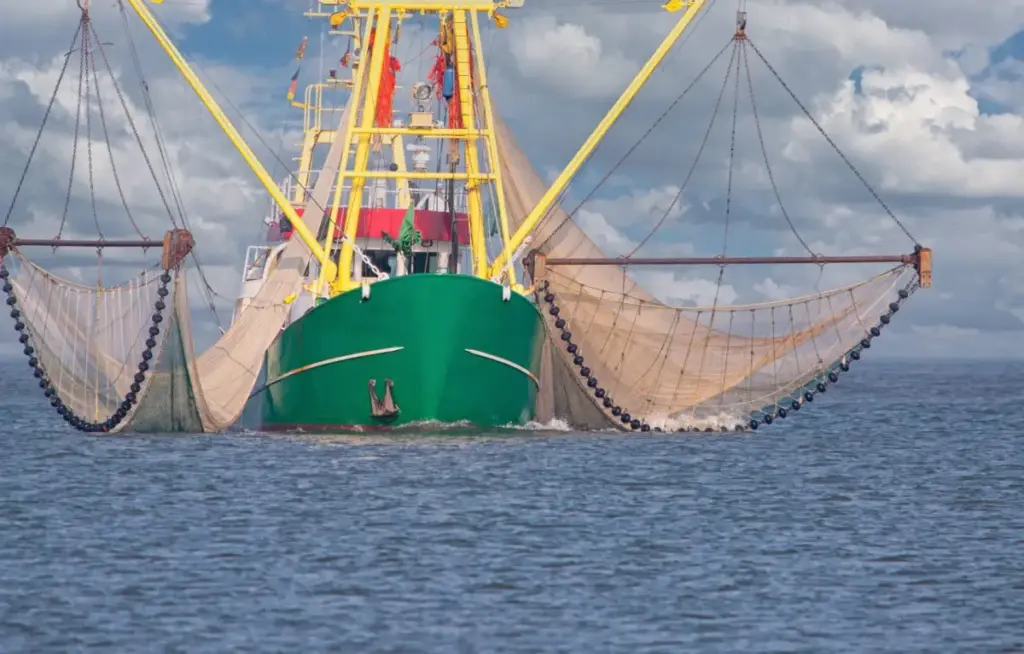
By the Blue Marine Foundation Investigative Desk
Published: October 6, 2026
Executive Overview
As the Member States of the European Union enter the final stages of deciding how to allocate billions of euros under the next multi-annual financial framework, a profound and urgent crisis is unfolding beneath the surface of European waters. At the heart of this controversy is the distribution of the EU ocean and fisheries budget—a massive public chest currently slated to prop up industrial-scale fishing fleets irrespective of their ecological footprint.
Despite making up 76 percent of the entire European Union fishing fleet, small-scale, artisanal fishers receive a meager 20 percent of ocean funding. Even more alarming is the systemic neglect of marine conservation: for every single billion euros granted in ocean subsidies, European authorities allocate a paltry 7 percent toward the active protection, restoration, and preservation of marine habitats.
Worse still, current drafts and negotiations indicate that member-state governments are on the verge of compounding these errors. Policymakers are moving to channel even more capital into the construction of new industrial fishing vessels and the technological modernization of existing ones. This policy direction flies in the face of scientific consensus, directly accelerating fishing pressure on already severely depleted fish stocks—only 28 percent of which are currently classified as healthy in European waters.
This investigative report explores the deep systemic flaws in EU fisheries funding, analyzes the glaring disparity between industrial and artisanal operators, outlines the urgent environmental implications, and provides a roadmap for citizens and policymakers to intervene before the National and Regional Partnership Plans (NRPPs) are permanently sealed.
Detailed Chronology: The Road to the Next EU Budget
To understand how European fisheries policy arrived at this precarious juncture, it is necessary to trace the legislative and budgetary timeline leading up to the current policy drafts.
Phase I: The Post-2027 Financial Framework Negotiations
Over the past twenty-four months, the European Commission, the European Parliament, and national capitals have quietly engaged in preliminary discussions regarding the allocation of the bloc’s long-term budget. Historically, the Common Fisheries Policy (CFP) and its primary financial vehicle—the European Maritime, Fisheries and Aquaculture Fund (EMFAF)—have faced criticism from environmental watchdogs for subsidizing capacity-enhancing activities.
Phase II: The Drafting of National and Regional Partnership Plans (NRPPs)
Throughout 2025 and into 2026, individual EU Member States assumed the responsibility of drafting their National and Regional Partnership Plans (NRPPs). These strategic documents dictate precisely how Brussels-allocated funds will be distributed at the domestic level. While the European Union provides broad financial parameters, member governments retain significant autonomy in prioritizing specific sectors—such as industrial trawling versus low-impact coastal fishing.
Phase III: The Current Window for Public and Institutional Intervention
We are now at a critical inflection point. As national ministries—specifically fisheries, environment, and finance departments—finalize their NRPPs, civil society organizations, environmental NGOs, and marine scientists are sounding the alarm. The decisions made in committee rooms across European capitals over the coming weeks will lock in ocean spending priorities for years, if not decades, to come. Once the NRPPs are formally submitted and approved, reversing capacity-enhancing subsidies for industrial fleets will become exponentially more difficult.
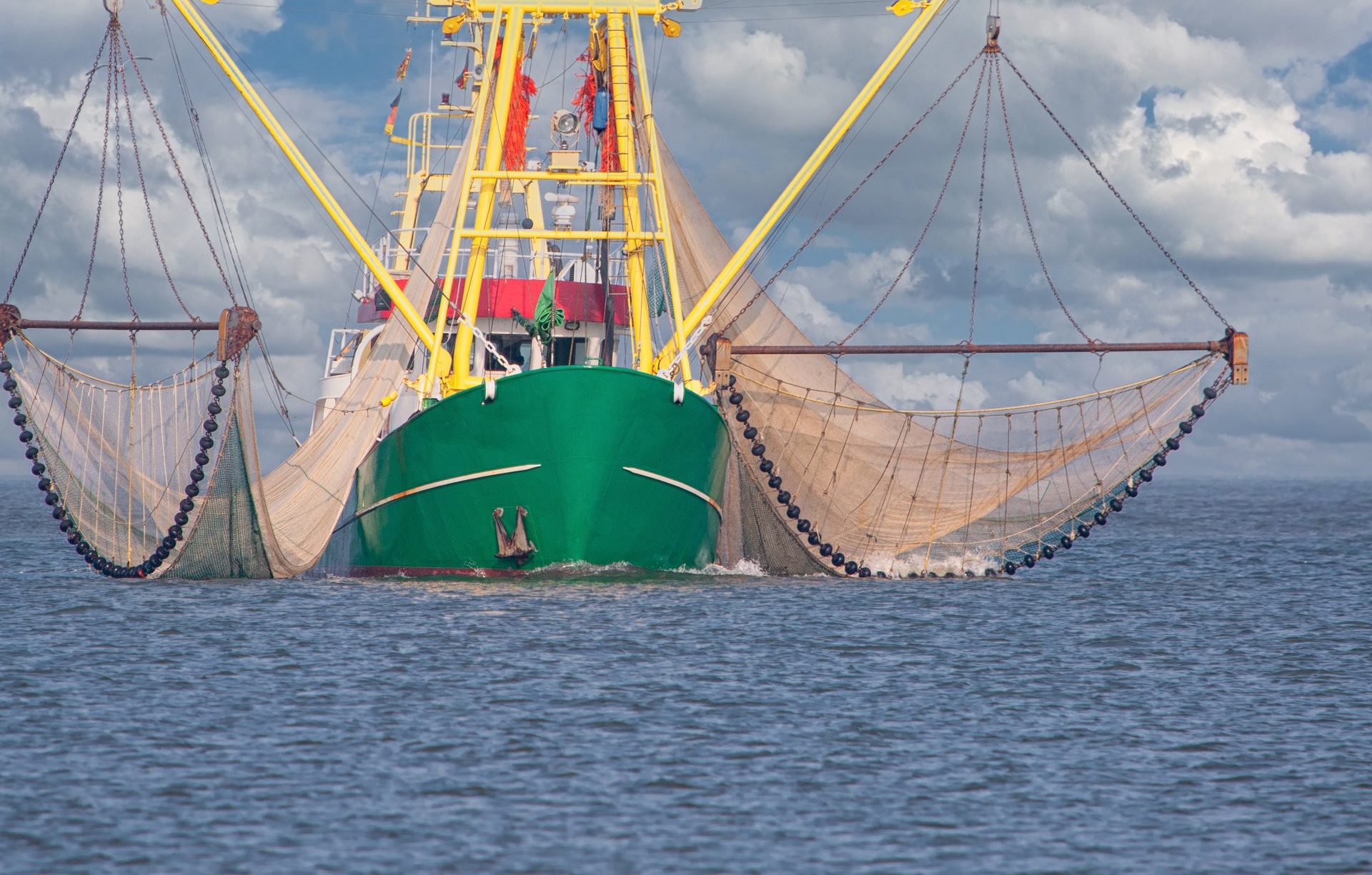
Supporting Context & Metrics: The Numbers Behind the Crisis
A quantitative breakdown of current European ocean spending reveals an alarming imbalance between industrial interests, artisanal operators, and environmental protection.
1. The Fleet Disparity: Industrial vs. Artisanal
- 76 Percent: The proportion of the European Union fishing fleet comprised of small-scale, artisanal vessels. These operators typically use low-impact, sustainable gear and support local coastal economies.
- 20 Percent: The share of ocean and fisheries funding allocated to support these small-scale fishers.
- 80 Percent: The overwhelming majority of public funds directed toward the remaining 24 percent of the fleet—namely, large-scale, high-impact industrial vessels.
2. The Conservation Deficit
- 7 Percent: The percentage of ocean subsidies dedicated to the protection and restoration of marine ecosystems for every billion euros disbursed. Put differently, for every €100 distributed from the ocean budget, a mere €7 goes toward healing the seas, while €93 flows directly into extraction-focused industries.
3. The Collapse of Fish Stocks
- 28 Percent: The fraction of European fish stocks that are currently judged to be at healthy, sustainable population levels. The remaining 72 percent suffer from overfishing, ecosystem degradation, or a lack of reliable scientific data, yet national governments continue to subsidize the very vessels driving these stocks toward commercial extinction.
Official Statements and Institutional Perspectives
The debate over fisheries subsidies has sharply divided industrial lobbying groups, artisanal fishing associations, and environmental conservation bodies.
The Environmental Argument
Conservationists and marine scientists argue that continuing to subsidize industrial vessel construction and modernization is an ecological contradiction in terms. Marine biologists point out that adding capacity to fleets operating in overfished waters is mathematically and biologically irrational.
“When governments subsidize the building of new industrial trawlers, they are effectively paying out of the public purse to wipe out the last remaining fish stocks,” notes a senior policy advisor at the Blue Marine Foundation. “We are subsidizing our own environmental decline. The upcoming National and Regional Partnership Plans represent our final chance to redirect these funds toward what actually matters: restoring marine habitats, supporting low-impact coastal communities, and ensuring that our oceans can recover from decades of industrial overexploitation.”
The Industrial Fishing Lobby
Conversely, representatives of large-scale industrial fishing sectors maintain that modernization subsidies are vital to maintaining the economic competitiveness and safety standards of European fleets. Industry advocates argue that newer vessels are often more fuel-efficient and technologically advanced, which can reduce certain types of operational waste.
However, critics counter that "efficiency" in an overfished sea simply means the capacity to catch fish faster and at greater depths before stocks have time to replenish, ultimately accelerating the ecological collapse of fragile benthic environments.
Future Outlook: What Can Be Done?
The trajectory of Europe’s marine environment is not yet set in stone. Because national governments are actively drafting and revising their National and Regional Partnership Plans (NRPPs), immediate and coordinated public engagement can shift the allocation of billions of euros in public funds.
Actionable Steps for Citizens and Stakeholders
- Engage Directly with National Ministries:
Citizens, advocacy groups, and concerned stakeholders are urged to contact their respective ministries of fisheries, environment, and finance. Letters and meetings should demand that forthcoming NRPPs explicitly exclude subsidies for the construction or capacity-increasing modernization of industrial fishing vessels. - Prioritize Low-Impact Fisheries:
Funding streams must be redirected away from high-impact industrial fleets and toward small-scale, artisanal fishers who operate with minimal environmental damage and form the cultural and economic backbone of coastal communities. - Scale Up Marine Protection:
The allocation for ocean restoration—currently stuck at an indefensible 7 percent—must be massively scaled up. True sustainability requires robust financial commitments to marine protected areas (MPAs), habitat restoration (such as seagrass meadows and reef recovery), and rigorous scientific monitoring. - Raise Awareness:
Public pressure remains one of the few tools capable of countering powerful industrial lobbying. Sharing informational campaigns, educational videos, and investigative reports helps bring transparency to closed-door budget negotiations.
Conclusion
The European Union stands at a historic crossroads. If member states proceed with current plans to pump public money into the expansion and modernization of industrial fishing fleets, the consequences for European marine life will be catastrophic and irreversible. However, by seizing the window of opportunity presented by the National and Regional Partnership Plans, European citizens and policymakers can rewrite the future of our oceans—transforming public finance from a driver of ecological destruction into an engine for marine recovery.
Make your voice heard today: share informational resources, engage with your elected representatives, and demand that your government protects our shared marine heritage.



