

Executive Overview
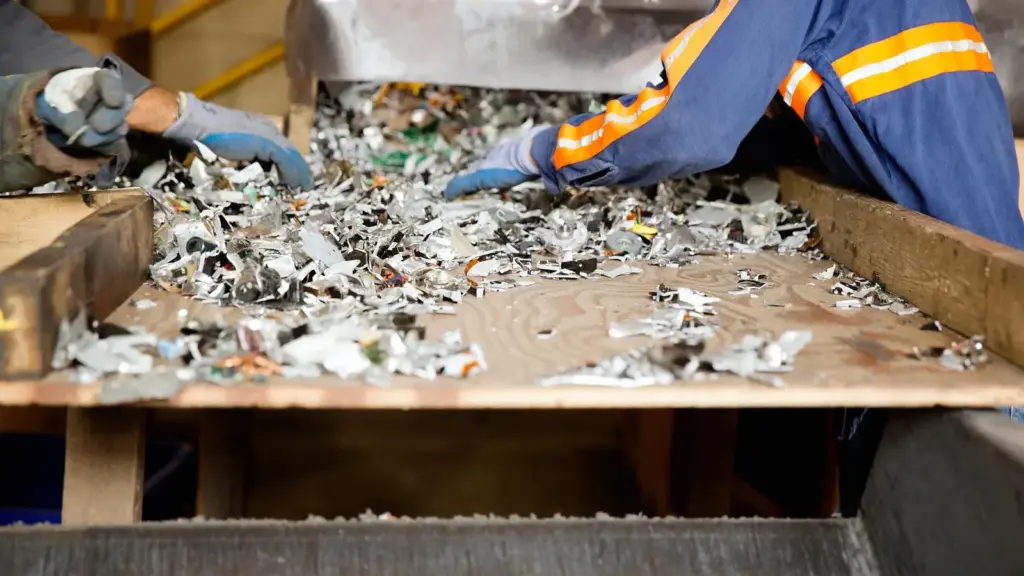
For decades, the standard ritual of American curbside recycling remained largely static. Households dutifully rinsed glass jars, flattened cardboard boxes, and tossed plastic jugs into blue bins, operating under the assumption that an invisible, highly efficient machinery took care of the rest. Yet, behind the scenes, the landscape of municipal solid waste is experiencing a seismic shift. Materials Recovery Facilities (MRFs)—the high-tech industrial plants where commingled recyclables are sorted, baled, and prepped for commodity markets—find themselves on the front lines of an unyielding operational evolution.
As consumer preferences pivot, brand packaging undergoes rapid redesigns, and sweeping new policy frameworks emerge, MRF operators must constantly weigh the high-stakes gamble of accepting newly introduced materials. What sounds simple to the consumer—such as dropping a greasy pizza box, an expanded polystyrene cup, or a flexible plastic pouch into a bin—triggers a complex, high-risk economic and engineering puzzle for facility owners.
To a casual observer, recycling is an environmental imperative. To a MRF operator, however, a facility is fundamentally a manufacturing plant processing a completely uncontrolled, unpredictable daily feed of incoming waste. For any new item to earn a permanent spot on a municipality’s accepted materials list, it must pass a rigorous, tripartite test: it must be technically collectible, mechanically sortable, and economically marketable.
As the industry grapples with the promise and pitfalls of Extended Producer Responsibility (EPR) laws across several U.S. states, the decision-making process inside these industrial sorting hubs has never been more scrutinized. This comprehensive investigation explores the multifaceted operational, economic, and political mechanics that dictate what truly makes it into our recycling bales—and what gets sent straight to the landfill.
Detailed Chronology: From Banned Items to Mainstream Acceptance
The history of curbside recycling acceptance is littered with shifting rules, evolving technologies, and changing market appetites. Understanding how a material transitions from a strictly prohibited "contaminant" to an accepted commodity reveals the gradual, often painstaking pace at which the recycling industry adapts.
The Era of Exclusion (Pre-2015)
For years, the operational rulebook for MRFs was deeply conservative. Facilities relied on basic mechanical screens, manual sorters, and early-generation eddy currents. During this era, lists of prohibited items were long and strictly enforced. Pizza boxes, for instance, were the poster child of non-recyclable items; industry consensus dictated that residual grease and food contamination compromised the integrity of the paper fibers, ruining an entire batch of corrugated cardboard. Similarly, cartons, small-format plastics, and various flexible packaging types were routinely flagged as operational nuisances that jammed trommels or tangled sorting belts.
The Market Shock and Technological Pivot (2018–2020)
The global recycling landscape experienced an unprecedented shock following China’s implementation of its National Sword policy in 2018, which severely restricted the import of foreign scrap materials. Overnight, American MRFs lost their primary buyers for low-grade mixed paper and contaminated plastics. Rather than expanding their acceptance lists, operators were forced to tighten quality controls, slow down processing speeds, and reduce the types of materials they could legally process. This period forced a hard, introspective look at the economic viability of sorting difficult materials, prompting early investments in optical sorters and artificial intelligence.
The Shift in Educational Dogma (2021–2023)
As optical sorting technology matured and domestic end markets slowly expanded, industry standards began to pivot. Notably, prominent recycling advocacy groups and corrugated packaging associations launched coordinated campaigns to re-evaluate the recyclability of pizza boxes. Backed by industry-funded technical studies demonstrating that standard papermaking processes could easily accommodate normal levels of grease, municipalities across the country began rewriting their educational guidelines. Pizza boxes officially graduated from contaminants to welcomed commodities. Simultaneously, trade groups like the Carton Council ramped up lobbying efforts, particularly in states like California, to prove that aseptic and gable-top cartons could meet stringent modern recycling thresholds.
The Modern Policy Landscape (2024–Present)
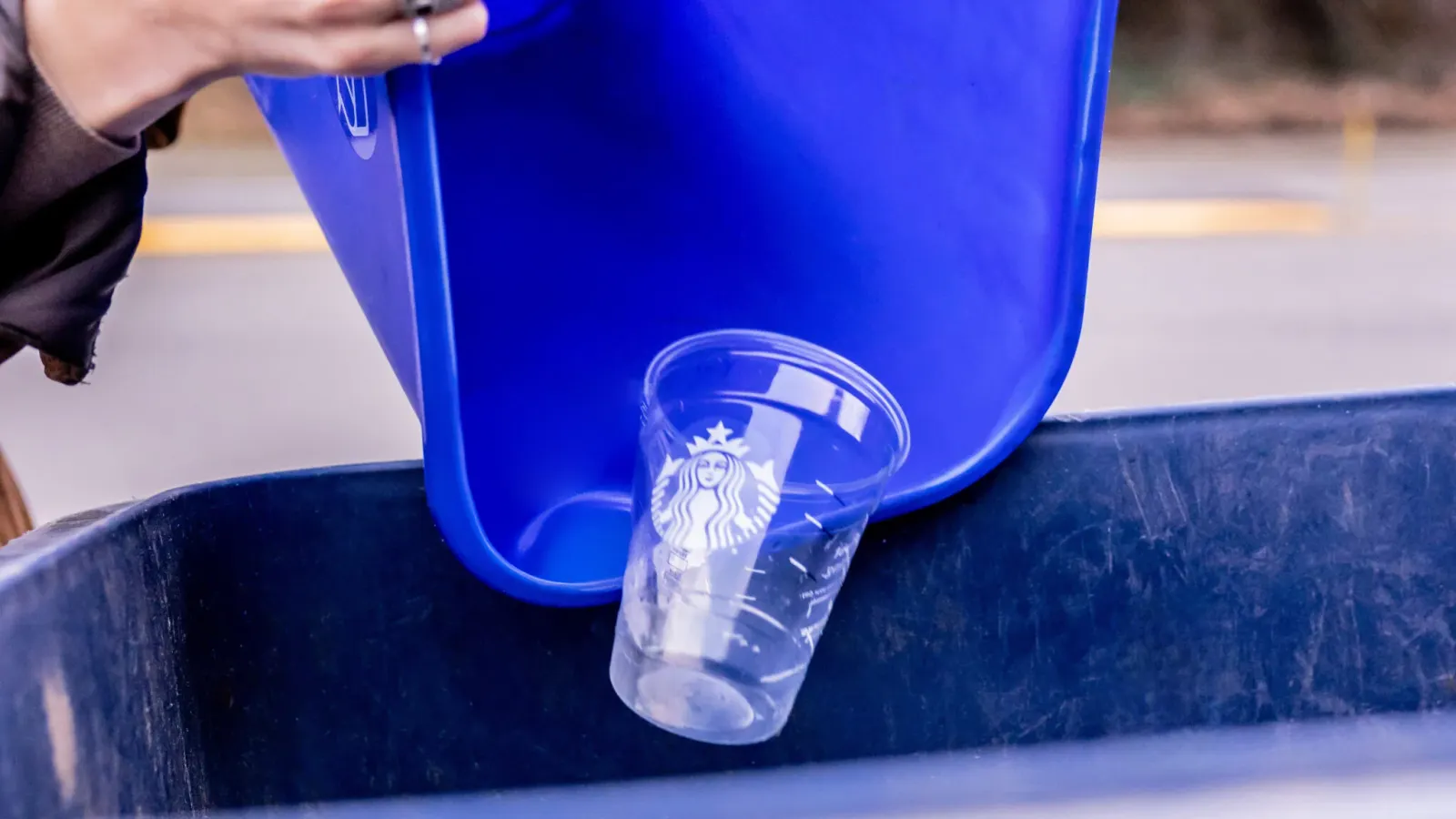
Today, the industry stands on the precipice of a legislative revolution. With Extended Producer Responsibility (EPR) packaging laws enacted in states such as California, Oregon, Colorado, and Maine, the timeline of materials acceptance is shifting away from purely voluntary MRF decisions toward regulated, state-managed standardization. While early-adopter facilities trial small-format rigid plastics and beverage cups under collaborative pilot programs, the broader operator community remains locked in a careful balancing act, weighing capital expenditures against unpredictable commodity pricing and evolving regulatory frameworks.
Supporting Context & Metrics: The Anatomy of a MRF Decision
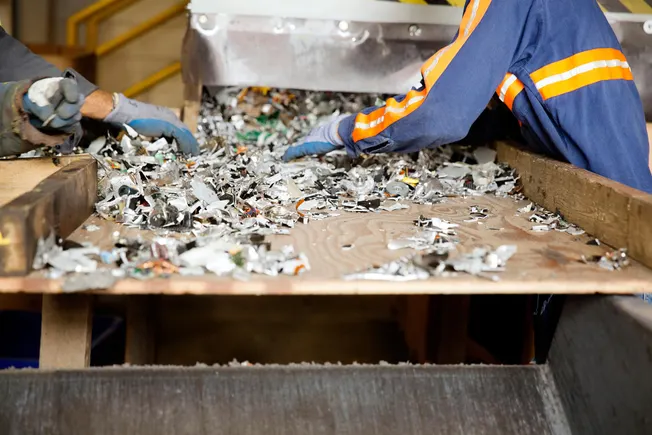
Operating a Materials Recovery Facility requires navigating a relentless barrage of variables. Unlike traditional manufacturing facilities that dictate their raw material inputs to ensure consistent quality, MRF operators open their receiving doors every morning to whatever the local population happens to have thrown away.
[Inbound Stream: Unpredictable Consumer Waste]
                     │
                     ▼
       Collectable? Sortable? Marketable?
                     │
         ┌───────────┴───────────┐
         ▼                       ▼
     [ YES ]                 [ NO ]
  Add to Stream           Send to Landfill /
 (Configure Plant)       Incur Residual Costs
The Three Pillars of Recyclability
Zan Jones, executive director of Eco-Cycle, a Colorado-based mission-driven recycler, distills the entire industry philosophy down to a fundamental triad: "For something to be truly recyclable, it has to be collectible, sortable, and marketable. If all those three things aren’t in place, then something isn’t really recyclable."
- Collectibility: Can the municipal hauling infrastructure consistently gather the material without requiring entirely separate collection trucks?
- Sortability: Do the facility’s existing mechanical sorting lines—or feasible facility upgrades—have the capability to isolate the item into a pure, uncontaminated bale?
- Marketability: Are there stable, long-term end markets willing to purchase the sorted commodity at a price that justifies the operational cost of processing it?
The Basket Value Calculation
Because commodity markets for paper, aluminum, glass, and various polymer grades fluctuate wildly on a monthly—and sometimes daily—basis, MRF operators rely on what industry experts term "basket value" economics.
Kate Davenport, chief impact officer at The Recycling Partnership and former operator at Minnesota’s Eureka Recycling, explains that facilities calculate the blended value of their incoming stream by analyzing the percentage composition of each material grade. Operators multiply these percentages by current market prices, while simultaneously factoring in the heavy costs of residual disposal (hauling non-recyclable trash to landfills or incinerators) and transportation logistics.
Even with sophisticated hedging strategies, this basket value remains volatile. When market prices for a specific material drop, the financial cushion provided by municipal processing fees and revenue-sharing contracts is frequently stretched to its absolute limit.
Official Statements & Industry Perspectives
Industry leaders, technical consultants, and non-profit advocates offer diverse insights into the delicate balance between environmental ambition and industrial reality.
"A MRF is fundamentally a manufacturing facility. They’re getting feedstock in and having to prepare that to sell into a supply chain. The key difference is that they have no control over the quality, composition, or volume of the material you’re getting on a day-to-day basis."
— Kate Davenport, Chief Impact Officer, The Recycling Partnership
Davenport emphasizes that adding a new material is never a casual administrative choice. Operators must secure multiple, stable end markets before greenlighting a new item. "You don’t want to accept a material and sort it into bales if you have no one to send it to," she warns. "There have been examples where MRFs have accepted materials and then markets have disappeared, and then they’re left holding the bag."
Spence Davenport, an independent MRF process improvement consultant, notes that geographic location heavily dictates these operational decisions. A material that makes sense to isolate in the mid-Atlantic region might be wholly unprofitable in the Midwest due to regional industrial buyer demand.
"It’s a region-by-region response. For a lot of those small facilities, it becomes really hard to justify the floor space and capital costs."
— Spence Davenport, MRF Process Improvement Consultant
Furthermore, navigating capital improvements is a monumental engineering challenge. Upgrading a facility is rarely a matter of simply plugging in a new machine. Sadie Gardner, MRF director at Eco-Cycle, highlights the complex financial equations facilities manage: "Eco-Cycle takes aseptic cartons even though they are a very low scale in terms of revenue—so they do not cover their cost of processing—but because we’re mission-based, we’re investing in doing this."
Future Outlook: Policy, AI, and the Next Generation of Recovery
As the waste and recycling sector looks toward the horizon, two dominant forces are poised to reshape the architecture of materials recovery: Extended Producer Responsibility (EPR) legislation and advanced technological automation.
The Promise and Caution of EPR
Extended Producer Responsibility laws are steadily altering the financial risk profile of recycling infrastructure. By shifting a portion of the financial burden of end-of-life management from municipalities onto packaging producers, EPR laws aim to inject much-needed capital into facility upgrades.
Spence Davenport points out that while EPR is ultimately "what the system really needs," many mid-sized and independent MRF operators are adopting a wait-and-see approach. Operators are hesitant to overhaul their facilities for fringe materials until they see concrete details on funding mechanisms, reimbursement schedules, and end-market stability. Conversely, larger national waste companies, such as WM and Waste Connections, are already leveraging their balance sheets to build heavily automated, next-generation facilities designed to meet strict future standards.
Beyond direct financial subsidies, Kate Davenport highlights an equally vital benefit of EPR: establishing a communication pipeline that has historically never existed. "It’s not like producers were calling MRFs and saying, ‘Hey, by the way, we’ve changed our packaging and you’re going to get a lot more of this and a lot less of that,’" she notes. By fostering direct dialogue between packaging designers and recovery operators, EPR programs can help MRFs anticipate feedstock shifts and provide actionable feedback on how novel packaging designs interact with automated sorting equipment.
The Role of AI, Robotics, and Eco-Design
Artificial intelligence and optical sorting robots are increasingly common sights in modern facilities, yet experts caution that technology is not a universal panacea. The high capital expenditure required to purchase, install, and power advanced AI sorters can be prohibitive. Moreover, installing any new equipment necessitates plant downtime—a severe operational hurdle for facilities contracted to provide 365-day municipal waste processing services.
Ultimately, industry veterans argue that the ultimate evolution of materials recovery must go beyond technological fixes in the sorting plant. Zan Jones advocates for proactive eco-modulation—using policy incentives to phase out problematic packaging before it ever reaches the consumer.
"If something shouldn’t be made in the first place, if it’s something you spend a lot of energy trying to recycle when it could be transitioned to reuse or refill or made of some other material that already exists," Jones concludes, "do that instead."
Until that utopian circular economy is fully realized, MRF operators will continue to walk the high wire, balancing municipal service commitments, volatile commodity markets, and complex engineering realities with every truckload that tips onto their tipping floors.



