

Executive Overview
The United States electric vehicle (EV) market is proving remarkably resilient in the face of significant macroeconomic and regulatory headwinds. According to newly released data from Kelley Blue Book (KBB), average transaction prices (ATPs) for new electric vehicles continued their downward trajectory in May, marking the 11th consecutive month of year-over-year price declines. This sustained affordability trend has coincided with a notable resurgence in consumer demand, driving May EV sales to their highest level since the elimination of federal tax credits under the Trump administration late last fall.
Despite the abrupt termination of government subsidies at the end of the third quarter of 2025, early industry estimates indicate that U.S. consumers purchased more than 85,000 EVs in May. This performance signals that the domestic electric vehicle market is successfully transitioning away from its reliance on federal incentives. Instead, market growth is being sustained by a combination of aggressive automaker discounts, plunging sticker prices, and the compounding pressure of rising conventional fuel costs at the pump.
As manufacturers fight for market share in an increasingly competitive landscape, average transaction prices for a new EV dropped to $54,532 in May—representing a 4% decline compared to the same period last year. With industry incentives hovering near historic highs and market leader Tesla continuing to pull down average segment pricing, the automotive industry finds itself at a fascinating crossroads. The gap between internal combustion engine (ICE) vehicles and battery-powered alternatives continues to narrow, reshaping consumer behavior and accelerating the electrification of American roadways.
Detailed Chronology: Navigating the Post-Tax-Credit Era
To understand the current dynamics of the U.S. electric vehicle market, it is necessary to examine the timeline of regulatory shifts and market adaptations that have shaped the industry over the past year.
Q3 2025: The Regulatory Shock
The landscape of the American EV market shifted dramatically at the close of the third quarter of 2025. Following policy directives from the Trump administration, the federal government officially dismantled the longstanding EV tax credit program, which had previously offered up to $7,500 in direct consumer savings at the point of purchase. Industry analysts initially warned of a severe contraction in demand, predicting that the sudden evaporation of federal subsidies would stall EV adoption rates and force automakers into inventory gridlock.
Late 2025 to Early 2026: The Adaptation Phase
Immediately following the termination of the federal tax credits, automakers were forced to pivot. Rather than surrendering market share, major manufacturers—led by legacy original equipment manufacturers (OEMs) and dominant EV players alike—began absorbing the financial impact to keep vehicles moving off dealership lots. This period inaugurated the ongoing streak of year-over-year price declines, as brands recognized that sticker shock, compounded by the loss of tax incentives, would paralyze prospective buyers without aggressive corporate intervention.
Spring 2026: Rising Fuel Costs and Market Rebound
By April and May of 2026, the market entered a new phase characterized by stabilization and recovery. As geopolitical pressures and seasonal shifts pushed conventional gasoline prices upward, the total cost of ownership equation swung back in favor of electric mobility. Consumers who were initially hesitant following the loss of federal tax credits found a silver lining in the aggressive pricing strategies deployed by automakers. By May 2026, monthly sales broke through previous post-subsidy ceilings, eclipsing the 85,000-unit threshold and marking the strongest month for EV sales since the federal incentive program was dismantled.
Supporting Context & Metrics: Analyzing the May Data
A granular examination of Kelley Blue Book’s data reveals the underlying mechanics driving the May market recovery. Affordability, manufacturer incentives, and Tesla’s continued market dominance served as the primary catalysts for the month’s robust performance.
Falling Transaction Prices and the 11-Month Streak
In May, the average transaction price for a new electric vehicle fell to $54,532. This figure represents a 4% decrease compared to May of the previous year and extends a relentless 11-month streak of year-over-year price contractions. Industry experts attribute this trend to manufacturing efficiencies, fierce competition among traditional and pure-play EV makers, and a conscious effort by brands to democratize EV ownership in the absence of government subsidies.
| Metric | May Data Overview | Year-over-Year Change |
|---|---|---|
| Average Transaction Price (ATP) | $54,532 | -4.0% |
| Estimated Monthly EV Sales | >85,000 units | Highest since Q3 2025 |
| Average Incentive Spending | ~14% of ATP (~$7,600) | Nearly double industry average |
| Tesla Market Share | ~50% of U.S. EV sales | Stable |
The Role of Corporate Incentives
With federal subsidies gone, automakers have stepped in to bridge the gap through direct consumer incentives. In May, automotive brands spent an average of 14% of an EV’s transaction price on various incentives, translating to roughly $7,600 per vehicle. To put this into perspective, this level of promotional spending is nearly double the broader automotive industry average and remained essentially unchanged from April figures. These incentives have manifest as cash-back offers, subsidized lease programs, and low-interest financing deals designed to entice budget-conscious buyers.
Tesla’s Outsized Market Influence
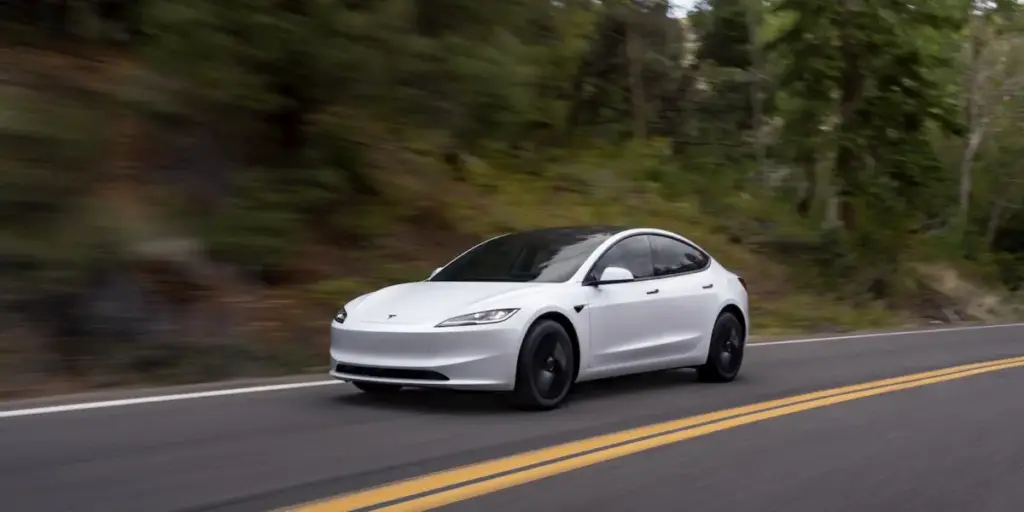
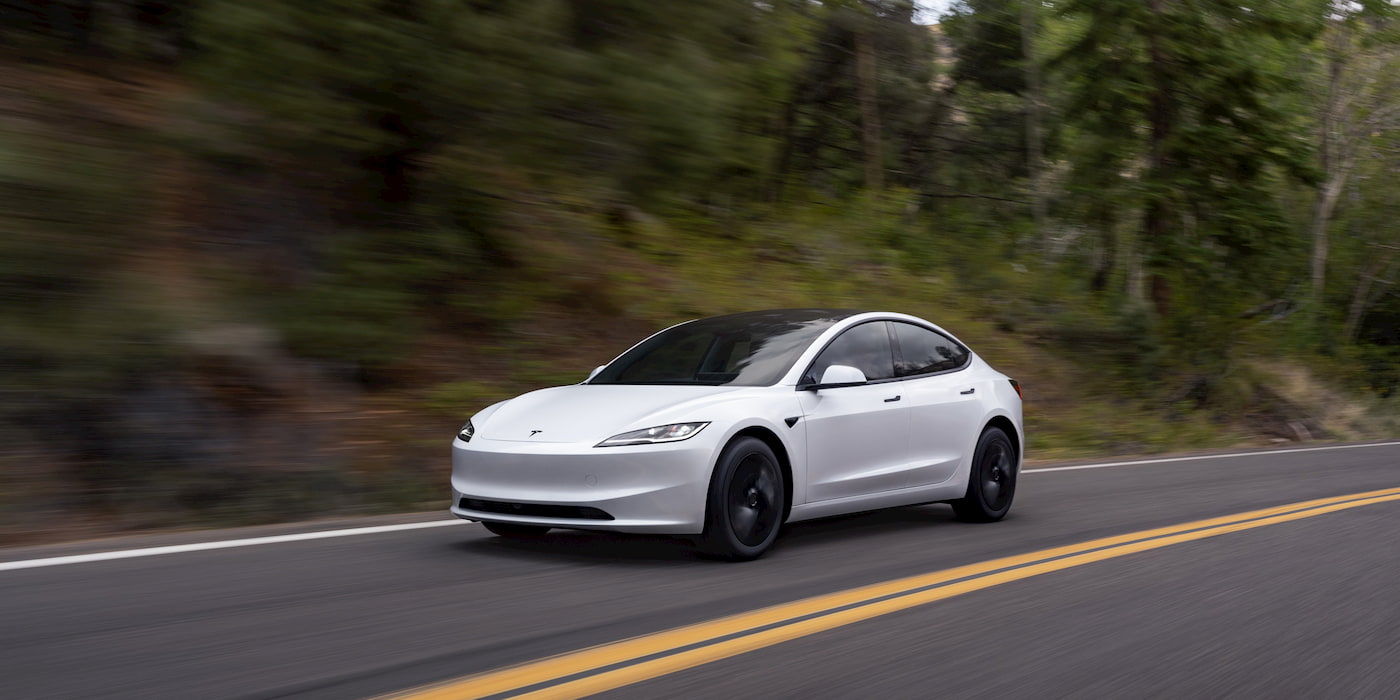
Tesla continues to command roughly half of all electric vehicle sales in the United States, maintaining its position as the undisputed bellwether of the domestic EV market. Because of this massive market share, any pricing adjustments made by Austin, Texas-based Tesla reverberate across the entire sector.
In May, the average price paid for a Tesla vehicle fell 1% month-over-month and dropped 3.4% compared to the same period last year. This downward price pressure is largely a byproduct of Tesla’s volume concentration: an overwhelming 96% of the company’s sales came from its two most accessible offerings. Specifically:

- Tesla Model 3: Recorded an average transaction price of $49,082.
- Tesla Model Y: Recorded an average transaction price of $51,537.
By keeping these core high-volume models competitively priced, Tesla has effectively forced rival manufacturers to match or beat its MSRPs, driving down the segment average as a whole.
Official Statements and Industry Perspectives
Industry analysts and market researchers have expressed cautious optimism regarding the resilience demonstrated by the U.S. electric vehicle market this spring.
Speaking on the release of the May data, automotive retail analysts noted that the transition from government-backed demand to organically driven market demand is happening faster than many skeptics anticipated. "The narrative that the American EV market cannot survive without federal tax credits has been soundly challenged by May’s sales figures," noted one senior automotive market researcher. "When given the choice, consumers are balancing upfront vehicle costs against long-term fuel savings. As automakers absorb margin hits to lower sticker prices, buyers are responding positively."
Furthermore, energy market commentators have highlighted the symbiotic relationship between conventional fuel volatility and EV adoption rates. As crude oil markets experience seasonal fluctuations, the comparative advantage of charging an electric vehicle at home—particularly for households equipped with residential solar energy systems—becomes an increasingly persuasive marketing point for automotive dealerships.
Future Outlook: What Lies Ahead for the U.S. EV Market?
As the automotive industry looks past the midpoint of 2026, several critical questions remain regarding the long-term trajectory of electric vehicle adoption in the United States.
Bridging the Price Parity Gap
The ultimate holy grail for the EV industry has long been absolute price parity with internal combustion engine vehicles. While the gap has narrowed significantly—with the differential hitting record lows in early 2026—automakers must continue to drive down production costs. The reduction in battery cell manufacturing expenses, localized supply chains stemming from domestic investments, and next-generation platform architectures will be vital in ensuring that profitability can be maintained even as retail prices drop below the $50,000 threshold.

The Sustainability of High Incentive Spending
While automakers have successfully utilized high incentive spending (averaging $7,600 per vehicle) to maintain sales momentum in the post-tax-credit era, industry analysts question how long companies can sustain these aggressive promotional budgets. Margin compression remains a genuine concern for legacy original equipment manufacturers attempting to balance their multi-billion-dollar investments in electrification with slowing near-term profitability.
Infrastructure and Consumer Confidence
Beyond vehicle pricing, the broader buildout of public charging infrastructure will dictate the ceiling for EV sales in the latter half of the decade. As more mainstream buyers enter the market—shifting past early adopters willing to overlook charging friction—reliable, ubiquitous fast-charging networks will become non-negotiable.
Ultimately, May’s sales data serves as a powerful testament to consumer intent. Even without the artificial tailwind of federal tax credits, the American electric vehicle market is demonstrating that compelling products, aggressive pricing adjustments, and rising fuel economics can successfully drive the transition toward a electrified transportation future.



