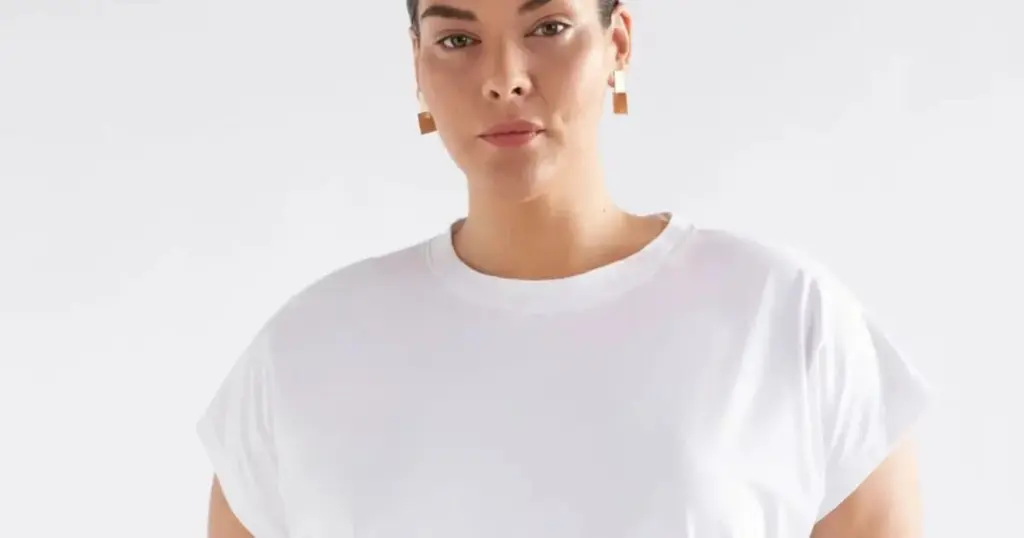
The humble t-shirt stands as the undisputed champion of the modern wardrobe. As the ultimate foundational staple, this versatile and layerable basic transitions effortlessly from casual weekend wear layered under a classic slip dress to a structured, professional statement piece paired with tailored denim. Yet, despite its ubiquity, the process of acquiring a t-shirt rarely prompts critical reflection from the average consumer. In an era dominated by hyper-accelerated fast fashion cycles, millions of garments are produced, worn briefly, and discarded into landfills, leaving a staggering trail of environmental degradation and labor exploitation in their wake.
For conscious consumers seeking to curate a sustainable capsule wardrobe, the journey toward ethical consumption begins with a fundamental reevaluation of our basic essentials. Transitioning away from linear, exploitative production models requires asking difficult questions: Who actually spun this cotton? Were the garment workers compensated with a verified living wage? And, crucially, is this garment constructed from lower-impact, regenerative, or recycled fibers?
To navigate this complex landscape, our editorial team has scrupulously curated a global directory of high-rated sustainable fashion brands. Utilizing a rigorous and transparent assessment system, we evaluate thousands of labels based on their holistic impact across three critical pillars: people, the planet, and animals. Brands featured in this comprehensive guide have met our strict criteria to be classified as "Good" or "Great" overall. Spanning North America, Europe, Asia, and Australasia, these trailblazing companies are redefining what it means to manufacture the world’s favorite basic, proving that style, ethics, and environmental stewardship can seamlessly coexist.
Detailed Chronology: The Evolution of Conscious Consumerism and Basic Apparel
Understanding how we arrived at the current renaissance of sustainable basic wear requires tracing the evolution of the global textile industry over the past several decades.
The Fast Fashion Boom (Late 20th Century – Early 2000s)
For decades, the globalization of apparel manufacturing prioritized speed, volume, and rock-bottom pricing above all else. Brands outsourced production to developing nations where environmental regulations were lax and labor costs were minimal. The t-shirt, once viewed as a durable, long-term investment piece, was reduced to a disposable commodity—frequently sold in multi-packs for mere dollars. This hyper-efficient supply chain obscured the true human and environmental toll of garment production from Western consumers.
The Awakening and the Rana Plaza Watershed (2013)
A pivotal turning point in global consumer consciousness occurred on April 27, 2013, with the catastrophic collapse of the Rana Plaza garment factory complex in Bangladesh. Claiming over 1,100 lives, this tragedy exposed the catastrophic human costs of unchecked fast fashion and ignited an unprecedented global demand for supply chain transparency. Consumers began asking foundational questions about worker safety, labor rights, and living wages. Concurrently, environmental scientists began sounding alarms regarding the textile industry’s massive carbon footprint, water consumption, and microplastic pollution.
The Rise of the Capsule Wardrobe and Ethical Basics (2015–Present)
As consumer awareness matured, the philosophy of the "capsule wardrobe" gained mainstream traction. Rather than chasing ephemeral seasonal micro-trends, style-conscious shoppers began investing in timeless, high-quality foundational pieces. Brands emerged with a radical new mandate: dismantle the seasonal fashion calendar entirely, eliminate toxic chemicals and synthetic dyes, and commit to verifiable, circular supply chains. Independent labels around the globe began utilizing GOTS-certified organic cotton, regenerative farming practices, and localized artisan networks, transforming the basic t-shirt from an environmental liability into a beacon of ethical innovation.
Supporting Context & Metrics: The State of Sustainable Basics
The environmental and social impact of the global apparel industry is staggering. To fully appreciate why upgrading your t-shirt collection matters, one must examine the empirical data surrounding conventional versus sustainable textile production.
Environmental Toll of Conventional Cotton
- Water Consumption: Conventional cotton is notoriously water-intensive. Producing a single traditional cotton t-shirt requires approximately 2,700 liters (713 gallons) of water—enough drinking water for one person for over two and a half years.
- Chemical Pesticides: While cotton covers roughly 2.5% of the world’s cultivated land, it accounts for a disproportionate share of global insecticide and pesticide use. These synthetic chemicals degrade soil health, pollute local waterways, and pose severe health risks to agricultural workers.
- Carbon Emissions: Global logistics, energy-intensive manufacturing processes, and synthetic dye runoff contribute significantly to the fashion sector’s carbon footprint, which surpasses international flights and maritime shipping combined.
The Sustainable Alternative: Metrics That Matter
Transitioning to lower-impact alternatives fundamentally alters these equations:
- GOTS-Certified Organic Cotton: Cultivated without toxic synthetic fertilizers or GMOs, organic cotton preserves soil biodiversity, protects local ecosystems, and uses significantly less blue water.
- Regenerative Agriculture: Pioneered by forward-thinking farming collectives, regenerative practices actively restore soil health, capture atmospheric carbon, and sequester it back into the earth.
- Innovative Natural Fibers: Incorporating industrial hemp, Tencel Lyocell, and recycled cotton drastically reduces reliance on virgin resources while maintaining superior garment durability.
Global Directory of Ethical T-Shirt Brands
To assist you in overhauling your foundational wardrobe, our editorial team has organized top-tier ethical brands by geographic region. Each of these enterprises has been vetted through our rigorous rating methodology.
The USA and Canada
1. ALTER X Company (United States)
- The Ethos: Crafting apparel designed for individuals who strive to be the change they wish to see in the world, ALTER X Company merges purposeful design with philanthropic impact. At checkout, every purchase directs 20% of the proceeds to a charitable cause of the customer’s choice.
- Sizing & Availability: Offered in sizes XS to 2XL, catering to a broad demographic of conscious shoppers.
- Standout Piece: Organic Boxy Scoop — A timeless, versatile staple that ships internationally from the US.
2. FM 669 (United States)
- The Ethos: Demonstrating an uncompromising commitment to local supply chains, FM 669 sources its homegrown GOTS-certified cotton directly from a cooperative of regenerative farms based in Texas. Utilizing limited production runs and lower-impact dyes, the brand champions a laid-back, gender-neutral aesthetic.
- Sizing & Availability: Available in sizes XS to L.
- Standout Piece: T102 Little T-Shirt in classic black, embodying effortless, sustainable casualwear.
3. Toad&Co (United States)
- The Ethos: Balancing rugged durability with environmental responsibility, Toad&Co creates men’s and women’s apparel equally suited for outdoor wilderness trails or relaxed urban environments.
- Sizing & Availability: Most items are accessible in sizes XS to 2XL.
4. Neococo (United States)
- The Ethos: A mission-driven apparel brand founded with the singular objective of creating dignified employment and community support for women refugees. By harnessing traditional hand-embroidery techniques, Neococo helps artisans navigate cultural transitions and achieve financial independence.
- Sizing & Availability: Inclusive sizing ranging from XS to 3XL.
- Standout Piece: Formation Tee — Hand-embroidered pieces celebrating female empowerment.
5. LA Relaxed (United States)
- The Ethos: Guided by the foundational motto "Simplicity, sustainability, style," LA Relaxed actively mitigates its carbon footprint by powering its supply chain with renewable energy and utilizing eco-friendly materials like GOTS organic cotton and Tencel Lyocell.
- Sizing & Availability: Offered in collections spanning sizes XS to XL.
- Standout Piece: Bebe Organic Tee — A fitted essential offering both comfort and ethical integrity.
Europe
6. Colorful Standard (Denmark)
- The Ethos: Rejecting the fast-paced, destructive cycle of seasonal trends, this Danish enterprise creates vibrant, durable essentials designed for longevity. By eschewing over-consumption, Colorful Standard focuses on timeless styles that endure.
- Sizing & Availability: Most products are available in sizes XS to 2XL.
- Standout Piece: Classic Organic Tee — Available in an extensive palette of eco-dyed hues, shipping internationally from Denmark.
7. ASKET (Sweden)
- The Ethos: Established in 2015, ASKET revolutionized the basics market through permanent collections, transparent pricing, and revolutionary sizing parameters. By cutting out middlemen and selling directly to consumers, the brand focuses entirely on garment durability and traceability.
- Sizing & Availability: Exceptional sizing range from 2XS to 2XL, including tailored lengths.
- Standout Piece: The Long Sleeve T-Shirt — Crafted with uncompromising Swedish precision.
8. CAES (Netherlands)
- The Ethos: Operating under the core philosophy that fashion need not be fast or seasonal, Dutch brand CAES produces minimalist, elegant garments using innovative, lower-impact materials such as Desserto cactus leather, recycled cotton, and Tencel Lyocell.
- Standout Piece: Ribbed Knit Top — A luxurious, minimalist staple shipped internationally from the Netherlands.
9. NIKIN (Switzerland)
- The Ethos: For consumers who proudly wear their environmental values, Swiss brand NIKIN plants a tree for every single product purchased, fostering tangible reforestation efforts alongside stylish everyday wear.
- Sizing & Availability: Accessible in sizes XS to 2XL.
10. THTC (United Kingdom)
- The Ethos: A recognized pioneer in sustainable streetwear, THTC specializes in organic hemp t-shirts, hoodies, and accessories while actively supporting charitable NGOs through white-label production.
- Standout Piece: Hemp Originals T-Shirt — Premium-weight, durable streetwear utilizing the natural strength of industrial hemp.
11. WAWWA (United Kingdom)
- The Ethos: Dedicated to prioritizing the planet and its inhabitants, WAWWA crafts organic, fair-trade, vegan-friendly streetwear utilizing recycled textiles, non-toxic dyes, and zero-waste cutting practices that repurpose fabric offcuts.
- Sizing & Availability: Available in sizes XS to 2XL.
Australia and New Zealand
12. Citizen Wolf (Australia)
- The Ethos: Utilizing revolutionary custom-fit technology and local manufacturing in Sydney, Citizen Wolf ensures zero deadstock by making garments to order. Their t-shirts are crafted from certified lower-impact fabrics, including organic cotton, hemp, and Melbourne-milled Merino wool.
- Standout Piece: V-Neck Hemp T-Shirt — A custom-engineered fit tailored to individual body dimensions.
13. Elk (Australia)
- The Ethos: Founded in Melbourne in 2004, Elk pioneered independent Australian design by releasing bi-annual collections rooted in simplicity, innovation, and environmental responsibility.
- Sizing & Availability: Available in Australian sizes 6 to 18.
14. Etiko (Australia)
- The Ethos: A gold standard in ethical fashion, Etiko consistently sets industry benchmarks for championing human rights and fair-trade practices within historically exploitative agricultural and manufacturing supply chains.
- Sizing & Availability: Clothing offered in AU sizes 8 to 20; footwear in UK sizes 3 to 13.
15. Kowtow (New Zealand)
- The Ethos: New Zealand-based Kowtow produces elegant, structural womenswear using 100% fair-trade certified organic cotton and non-toxic dyes, ensuring complete soil-to-garment integrity.
- Sizing & Availability: Offered in sizes XS to L.
- Standout Piece: Building Block Classic Tee — The ultimate architectural white t-shirt.
16. STAPLE Co (Australia)
- The Ethos: An Australian independent label dedicated exclusively to crafting premium organic cotton everyday essentials with transparent, ethical supply chains.
Asia
17. The Summer House (India)
- The Ethos: Partnering directly with local artisans and grassroots NGOs in India, The Summer House creates flowing silhouettes and elegant prints using locally sourced, lower-impact textiles.
- Sizing & Availability: Range available in sizes XS to XL.
- Standout Piece: Box T-Shirt — A breezy, artisan-crafted essential shipped internationally from India.
18. SeamsFriendly (India)
- The Ethos: Redefining inclusive fashion, SeamsFriendly creates tailored garments using organic cotton and linen. The brand offers hyper-customizable sizing (accommodating diverse bust, waist, and height dimensions for women, men, and children) to eliminate ill-fitting garments and reduce textile waste.
- Standout Piece: Off-White Cotton T-Shirt — Custom-built to exact individual measurements by skilled artisans upon order.
19. No Nasties (India)
- The Ethos: A prominent leader in responsible fashion, No Nasties produces stylish, minimalist essentials crafted from 100% Fairtrade organic cotton, actively working to cultivate and expand the ethical consumer market within India.
- Sizing & Availability: Inclusive sizing spanning 2XS to 3XL.
- Standout Piece: Lagoon Everyday Tee — Simple, clean, and certified fair-trade.
Official Statements and Industry Perspectives
As the sustainable fashion movement gains institutional momentum, industry leaders and ethical watchdogs continue to emphasize systemic transformation.
"The basic t-shirt should no longer be viewed as a disposable item to be worn twice and discarded," notes an editorial spokesperson for Good On You. "When consumers demand transparency—asking who made their clothes and under what conditions—they shift the economic power dynamic. True sustainability requires us to buy less, choose well, and demand that brands take full accountability for their environmental and social footprint."
Environmental scientists and agricultural economists likewise emphasize the urgent necessity of scaling regenerative farming. By shifting away from synthetic chemical dependency and embracing organic soil management, fashion brands can actively reverse desertification, protect water tables, and secure long-term agricultural livelihoods for cotton farmers worldwide.
Future Outlook: The Horizon of Sustainable Apparel
Looking toward the future, the landscape of ethical basic wear is poised for profound innovation. Several emerging trends are set to redefine the industry over the next decade:
- Circular Design and Take-Back Schemes: Leading brands are moving beyond mere sustainable material sourcing to implement closed-loop systems. Soon, purchasing a cotton t-shirt will include a guaranteed recycling pathway, ensuring the garment is broken down and respun into new yarn rather than entering a landfill.
- Advanced Traceability Technologies: Blockchain integration and digital product passports will soon allow consumers to scan a simple garment tag and view the exact farm where the cotton was harvested, the facility where it was spun, and the living wage verification of the sewing floor.
- Mainstream Customization and Zero-Waste Production: As demonstrated by innovators like Citizen Wolf and SeamsFriendly, made-to-order manufacturing will increasingly replace mass-inventory forecasting, virtually eliminating deadstock and ensuring every garment is cherished for its perfect, personalized fit.
By consciously choosing to invest in certified, high-rated ethical brands, consumers possess the power to transform the fashion industry from the ground up. Wear your values proudly, support the brands leading the charge, and remember that every ethical basic purchase is a vote for a cleaner, fairer world.