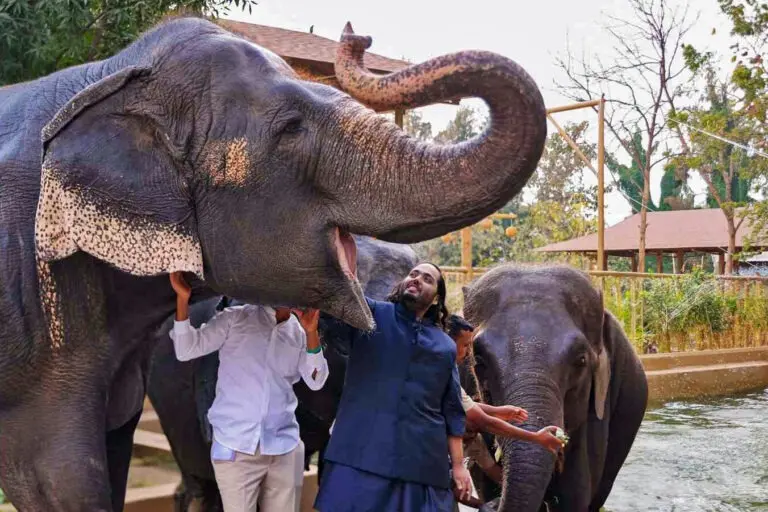
A coalition of 27 prominent international wildlife conservation and animal welfare organizations has issued a stern, unified call to Vantara, an elite, billionaire-backed zoo in India. The NGOs are demanding that the facility enact a permanent, unconditional end to all wild animal imports.
Vantara—a sprawling 3,500-acre private sanctuary and zoo located in Jamnagar, Gujarat—is financed by the philanthropic arm of Reliance Industries, India’s largest corporation, and was inaugurated in 2025 by Anant Ambani, the youngest son of billionaire chairman Mukesh Ambani. Operating primarily as a closed, non-public collection, the institution has faced intense global scrutiny and investigative journalism over its rapid acquisition of approximately 60,000 live wild animals spanning more than 2,000 species.
While Vantara recently introduced a self-imposed, retrospective 12-month moratorium on imports and established an independent governance council, global conservation bodies argue that temporary fixes fall dangerously short. In an open letter addressed to Vantara’s regulatory leadership, the 27 NGOs contend that the zoo’s current framework leaves exploitative loopholes open, risking the normalization of illicit wildlife trafficking and laundering operations worldwide.
Detailed Chronology of Events and Regulatory Friction
The showdown between international conservationists and Vantara follows a multi-year trajectory marked by cross-continental investigations, regulatory audits, and shifting corporate policies.
Inception and Rapid Expansion
The Launch of Vantara: Officially inaugurated in early 2025 by Anant Ambani under the auspices of Reliance Industries and its philanthropic foundations, Vantara was designed as an ultra-exclusive sanctuary. However, its immense financial resources quickly enabled the unprecedented acquisition of tens of thousands of exotic creatures.
Global Procurement Spree: Investigations by media outlets across Germany, Brazil, Africa, the Czech Republic, and India revealed that Vantara’s collection expanded rapidly through acquisitions spanning Africa, Asia, and Latin America. Species procured included critically endangered great apes, rare primates, and endemic reptiles.
Investigations and International Auditing
The CITES Secretariat Inspection: In September 2025, representatives from the Convention on International Trade in Endangered Species of Wild Fauna and Flora (CITES) Secretariat visited Vantara. Their subsequent report flagged notable irregularities in animal acquisitions, raising serious red flags regarding compliance with international wildlife trade treaties.
Domestic Legal Scrutiny: Vantara faced investigations by India’s top court, which ultimately appointed a Special Investigation Team (SIT) that cleared the facility of wrongdoing. Vantara has consistently denied all allegations of illegal animal acquisition.
Law Enforcement Probes Abroad: Concurrently, international law enforcement agencies initiated probes into global trafficking rings. Notably, Brazilian federal police seized electronic devices from a prominent bird expert as part of an expanding trafficking investigation tied directly to the supply chains feeding institutions like Vantara.
Vantara’s Concessions and the NGO Pushback
August 19, 2026: Vantara released an official press statement and communication addressed to India’s CITES Management Authority. The zoo announced "voluntary commitments," including a backdated 12-month moratorium on all animal imports starting June 5, 2026. The facility confirmed it had withdrawn all pending import applications and appointed John Scanlon AO—former CITES Secretary General—to head a newly formed independent governing council.
September 22, 2026: Unimpressed by the temporary nature of the policy, a coalition of 27 wildlife organizations published a joint open letter to Amit Aggarwal, president of regulatory affairs at Vantara, urging a permanent cessation of imports.
Upcoming CITES Standing Committee Meeting: The controversy reaches a critical juncture in early November 2026 at the 81st CITES Standing Committee meeting, where the Indian government is formally scheduled to answer inquiries stemming from the Secretariat’s 2025 audit report.
Supporting Context, Metrics, and High-Profile Acquisitions
The scale of Vantara’s collection is without modern precedent, housing approximately 60,000 live animals across more than 2,000 species. Conservationists have repeatedly highlighted several flagship acquisitions that underscore the global ecological stakes of the facility’s sourcing practices:
Spix’s Macaws (Cyanopsitta spixii): Once declared extinct in the wild, these iconic blue parrots have found their way into private collections, sparking intense debate over captive management oversight.
Tapanuli Orangutans (Pongo tapanuliensis): Recognized as one of the rarest great ape species on Earth, Vantara’s acquisition of these critically endangered apes drew sharp criticism from Asian and European conservation groups questioning how such vulnerable endemic wildlife entered private trade channels.
Galápagos Land Iguanas: Ecuador has repeatedly maintained that it has never legally exported these protected island iguanas, casting immediate suspicion on the origins of specimens appearing in private international zoos.
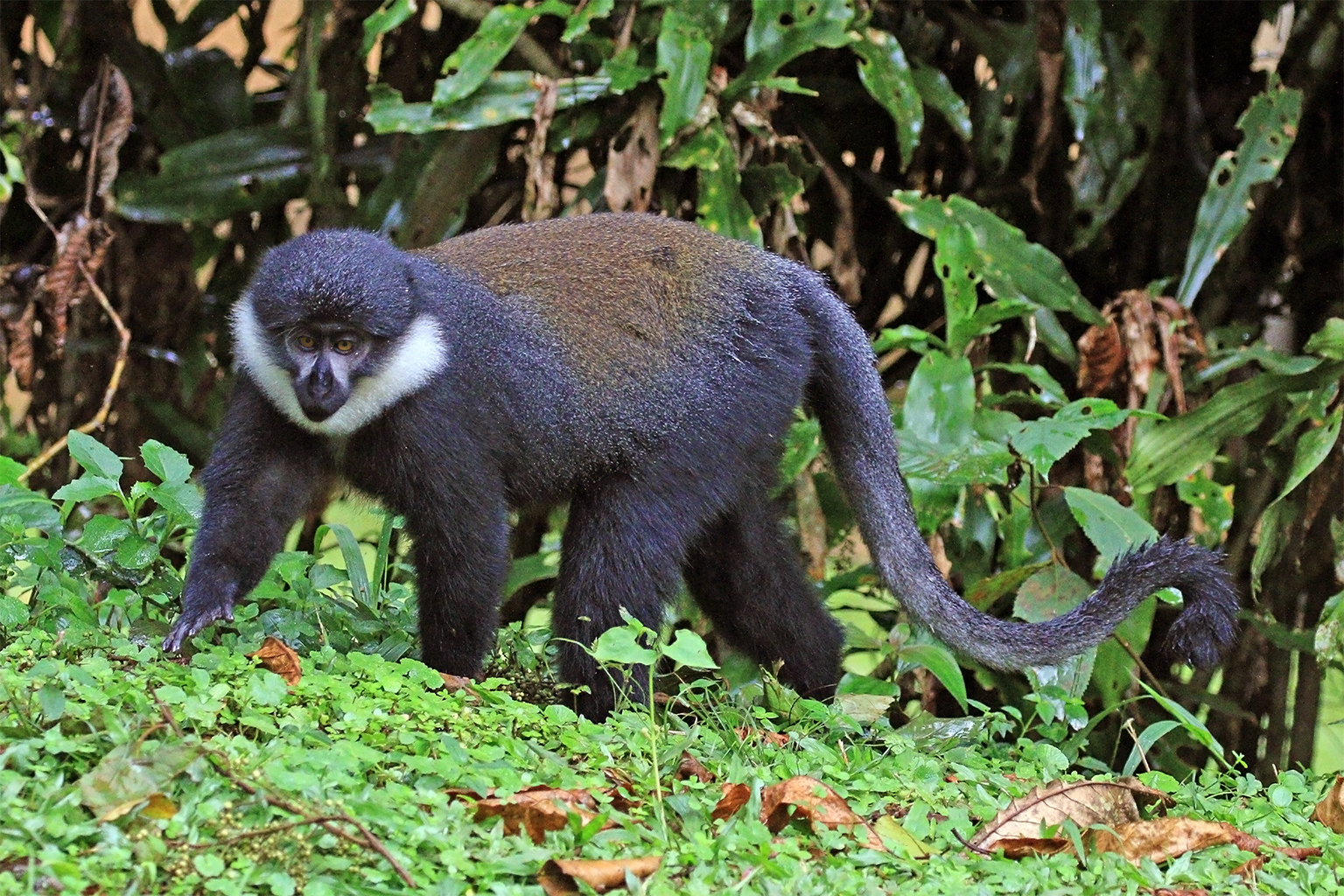
L’Hoest’s Monkeys (Cercopithecus lhoesti): Endemic to the Congo Basin in Africa, Vantara’s own annual corporate reporting revealed the import of 70 of these threatened primates in November 2024 alone, drawing sharp condemnation from African sanctuary alliances.
Official Statements and Competing Perspectives
The debate over Vantara’s operational ethics hinges on a fundamental philosophical divide: whether massive private collections function as legitimate rescue havens or whether they inadvertently stimulate the global wildlife trade.
The NGO Coalition’s Position
While international bodies have acknowledged Vantara’s steps toward better governance, they emphasize that a temporary pause fails to address structural vulnerabilities.
"After years of criticism over its practices, Vantara has promised a change of course — we’ll be watching closely to see whether words are followed by action. A pause with an expiry date isn’t enough: Vantara must commit to a permanent end to imports, full transparency, and independent oversight."
— Daniela Freyer, Pro Wildlife
"The acquisition of tens of thousands of live wild animals by Vantara from all over the world in recent years, many under questionable circumstances, has been a cause for international concern… Rebuilding trust will require them to make good on their promises, and indeed to go further, in order to demonstrate their commitment to deliver high quality rescue and care."
— Will Travers OBE, Born Free
NGO leaders also warned against the dangerous loophole of "captive-bred" exemptions. Conservationists point out that commercial breeders routinely launder wild-caught animals—or offspring derived from illegally poached parents—by mislabeling export documentation. Furthermore, a time-bound moratorium risks creating a perverse economic incentive, causing wildlife traffickers to stockpile rare species in anticipation of the ban’s expiration.
Concerns Over Conflict of Interest
Transparency issues have further strained relations between Vantara and the conservation community. On August 13, 2026, the Elephant Protection Initiative Foundation (EPI)—an Africa-focused conservation group—disclosed via email that it had received a substantial grant from Vantara. Notably, John Scanlon, who was subsequently appointed to head Vantara’s independent governing council, serves as the CEO of EPI. Critics argue that such financial interdependencies compromise the perceived independence of Vantara’s newly minted oversight bodies.
Vantara’s Defense
Vantara maintains that its facilities operate strictly for the welfare of animals rescued from substandard private facilities or perilous environments. The institution asserts that its newly formed "international CITES Due Diligence Committee," alongside a mandatory three-stage review process led by independent experts, ensures complete regulatory compliance. Vantara’s leadership insists that all animals acquired via third-party donors were rescued specifically to provide them with superior long-term care and sanctuary.
Future Outlook and Recommendations
As the global conservation community braces for the 81st CITES Standing Committee meeting, the 27-member NGO coalition has outlined a clear roadmap for what a genuine institutional reset at Vantara must entail:
Permanent Import Ban: Convert the current 12-month moratorium into an indefinite, permanent ban on the import of wild animals, permitting exceptions solely for independently verified, emergency welfare crises.
Redefinition of "Rescue": Formally ban transactions where money changes hands directly or indirectly—including via third-party donors—thereby cutting off financial incentives for commercial wildlife breeders.
Radical Transparency: Publish a complete, publicly accessible inventory of all resident animals, including historical records of births, deaths, and inter-facility transfers. Furthermore, governing council members must disclose all financial, professional, and familial ties to avoid conflicts of interest.
Shift to In-Situ Conservation: Direct Vantara’s vast financial resources toward supporting on-the-ground, underfunded wildlife sanctuaries and law enforcement agencies within the animals’ countries of origin, where natural habitats require urgent protection.
Protection for Civil Society: Ensure complete legal and institutional safety for journalists, whistleblowers, and NGOs, allowing them to scrutinize environmental practices free from strategic lawsuits, fake legal notices, and intimidation tactics.
Whether Vantara will transition from a controversial private accumulator of global wildlife into a transparent, cooperative partner in conservation remains one of the defining environmental questions heading into the final quarter of 2026.