Executive Overview
As the global transition toward vehicle electrification, renewable energy generation, and advanced artificial intelligence accelerates, the industrial appetite for critical minerals has reached unprecedented heights. At the heart of this technological revolution are rare earth elements (REEs)—specialized metals like neodymium, dysprosium, and praseodymium that form the magnetic backbone of electric motors, wind turbines, and high-performance computing hardware. However, a stark geopolitical and economic vulnerability underpins this green and digital boom: the world’s supply chains for these crucial components are heavily concentrated overseas, leaving Western manufacturers at the mercy of foreign suppliers and volatile trade policies.
In a landmark move to fortify domestic supply chains and bypass the protracted environmental permitting processes associated with traditional mining, electronics recycler ERI and rare earth recycling pioneer Cyclic Materials have announced a sweeping global partnership. This strategic alliance aims to extract high volumes of rare earths, copper, and aluminum directly from the escalating mountains of discarded consumer and industrial electronics.
By combining ERI’s nationwide electronic waste collection network—which processes more than one million pounds of e-waste daily—with Cyclic Materials’ advanced processing capabilities in Mesa, Arizona, the partnership will establish one of the largest commercial rare earth recycling feedstock portfolios in the United States. Beyond merely addressing the mounting global e-waste crisis, this collaboration represents a vital step toward creating a self-sustaining, circular domestic economy capable of supplying the raw materials necessary for America’s clean energy and high-tech future.
Detailed Chronology & Operational Mechanics: From Scrap to Strategic Resource
The partnership between ERI and Cyclic Materials did not materialize overnight; it is the culmination of years of technological maturation in both electronic waste sorting and rare earth extraction chemistry.
Step 1: High-Volume Collection and AI-Driven Sorting at ERI
Headquartered in Fresno, California, ERI operates as a juggernaut in the North American electronics recycling landscape. Operating a vast network of eight state-of-the-art recycling centers distributed strategically across the United States, ERI processes an immense throughput exceeding one million pounds of electronic waste every single day.
To isolate valuable components from the chaotic mix of shredded consumer gadgets, obsolete enterprise servers, and industrial equipment, ERI utilizes proprietary artificial intelligence (AI)-based software and advanced hardware systems. These systems are engineered to rapidly scan, identify, and categorize products containing high-value rare earth magnets, ensuring that critical materials are not lost in the broader shredding stream. By sorting materials according to strict purity thresholds, ERI prepares a targeted, high-grade feedstock stream specifically optimized for rare earth recovery.
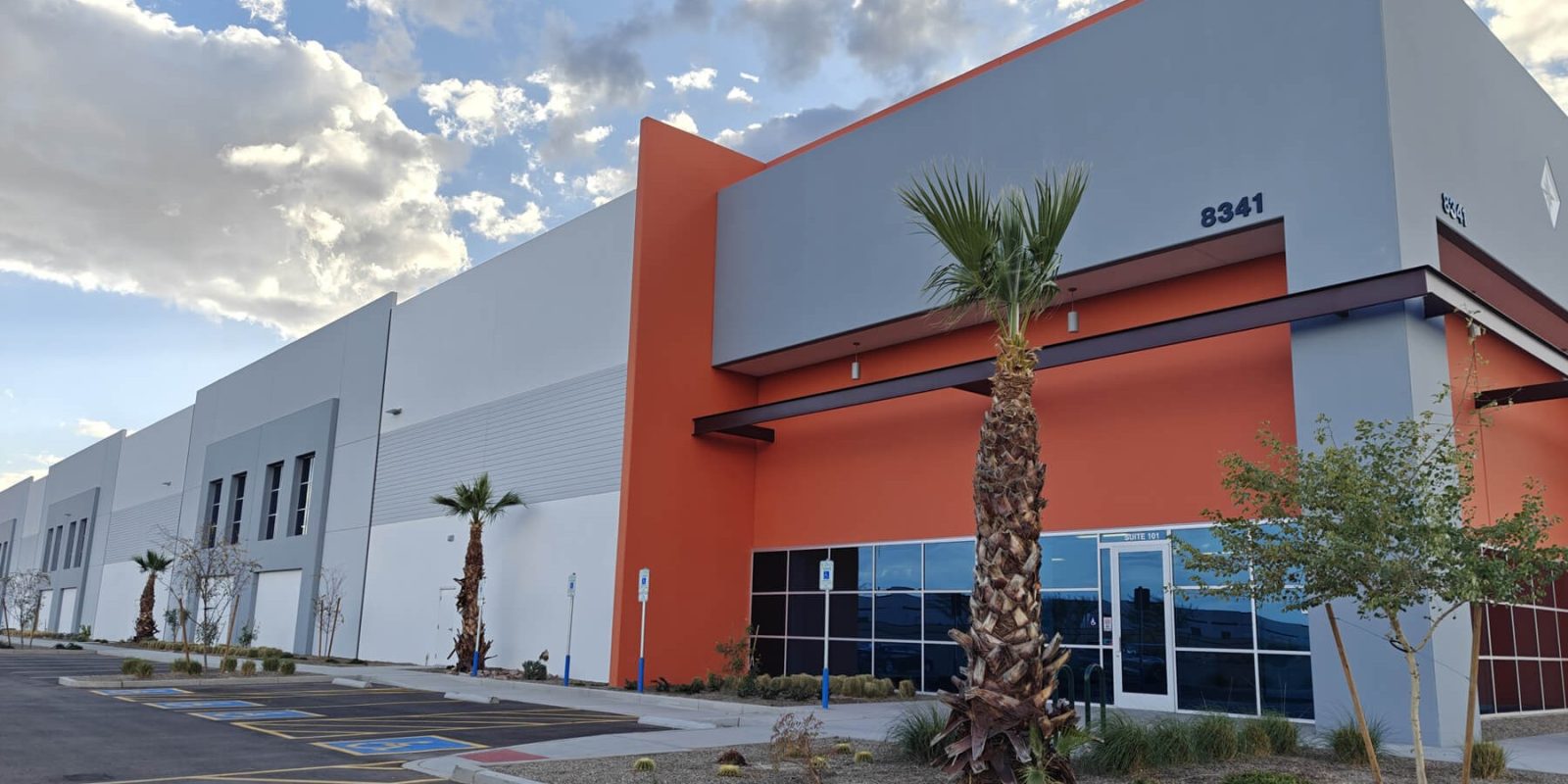
Step 2: Advanced Processing at Cyclic Materials’ Mesa Facility
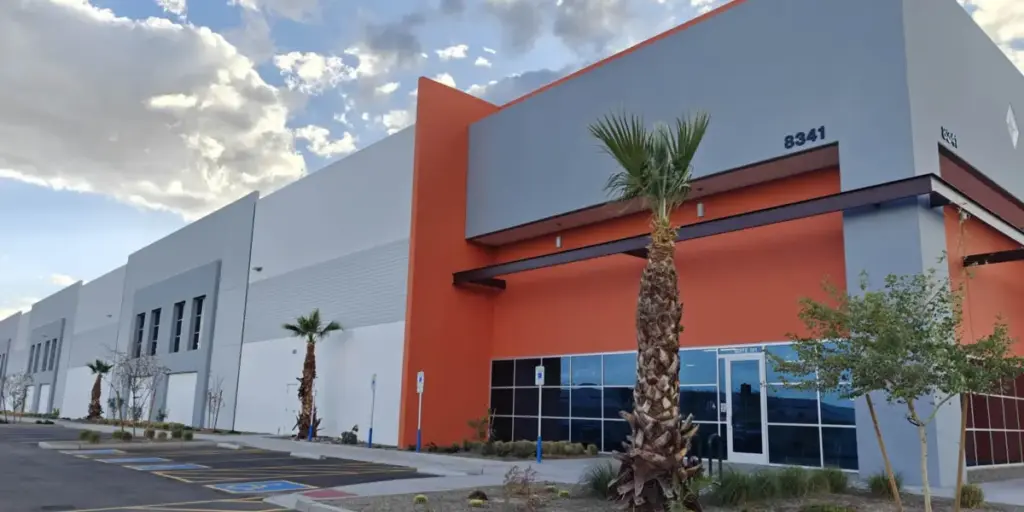
Once ERI has isolated and prepared the magnet-containing components, the materials are transported to Cyclic Materials’ specialized facility located in Mesa, Arizona. This cutting-edge plant is designed to handle up to 25,000 metric tonnes of end-of-life components annually.
Rather than relying on energy-intensive pyrometallurgical methods that often generate toxic byproducts, Cyclic Materials employs innovative hydrometallurgical and separation technologies. These processes allow the company to break down complex end-of-life magnets and extract heavy rare earth elements with high recovery rates. Furthermore, the facility’s operational scope extends beyond rare earths alone; the process successfully recovers other economically vital and industrially constrained commodities, including copper and aluminum.
Step 3: Product Qualification and Future Government Contracting
Currently, technical teams from both companies are actively engaged in analyzing material samples to determine the optimal product categories for large-scale recycling. While the leadership teams have confirmed the identification of several high-volume product streams, specific categories remain undisclosed as the qualification phase progresses.
Alongside commercial supply agreements, the two companies have formalized an agreement to jointly bid on federal and commercial government contracts. These joint proposals will target critical mineral recovery initiatives funded by domestic industrial policy aimed at decoupling Western manufacturing from monopolistic foreign suppliers.
Supporting Context & Metrics: The Imperative for a Circular Economy
To fully grasp the significance of the ERI-Cyclic Materials partnership, one must examine the broader macroeconomic and environmental pressures currently reshaping the global industrial landscape.
The Looming Mineral Deficit
Traditional rare earth mining is a notoriously destructive, capital-intensive, and time-consuming endeavor. Developing a new rare earth mine from initial exploration to commercial production can take anywhere from a decade to fifteen years, bogged down by rigorous environmental impact assessments, legal challenges, and complex permitting processes. Meanwhile, global demand is skyrocketing across multiple sectors:

- Electric Vehicles (EVs): Permanent magnet synchronous motors, which rely heavily on neodymium-iron-boron (NdFeB) magnets, remain the industry standard for high-efficiency electric vehicle powertrains.
- Renewable Energy: Direct-drive wind turbines require massive quantities of rare earth permanent magnets to convert kinetic wind energy into electricity without heavy gearboxes.
- Artificial Intelligence and Advanced Manufacturing: The rapid expansion of AI data centers, robotics, and defense electronics has generated an unprecedented secondary wave of demand for specialized magnetic components and high-purity conductive metals.
The E-Waste Paradox
Paradoxically, while the world faces acute shortages of primary raw materials, consumers and corporations are discarding electronics at record rates. Electronic waste is one of the fastest-growing municipal waste streams globally. Millions of tons of discarded smartphones, laptops, hard drives, electric vehicle components, and home appliances are landfilled or incinerated annually, taking billions of dollars worth of critical minerals down with them.
Recycling products already circulating within the domestic economy offers a distinct thermodynamic and logistical advantage. Scrap materials from urban mines generally contain higher concentrations of valuable metals than raw ore extracted from the earth, reducing the energy required for refining. Furthermore, establishing a localized recycling loop eliminates the massive carbon footprint associated with shipping raw or processed minerals across oceans.
Official Statements: Leadership Perspectives
Key executives from both organizations emphasized the transformative potential of the alliance during the announcement of the global partnership.
Ahmad Ghahreman, CEO and founder of Cyclic Materials, highlighted the sheer scale of ERI’s operations and the immediate impact the partnership will have on the domestic supply landscape:
"As one of the world’s largest electronics recyclers, ERI processes an immense volume of products annually, and this partnership will transform that volume into an impactful supply of rare earths for the US."
Echoing these sentiments, John Shegerian, Chairman and CEO of ERI, pointed to the technological synergy uniting the two enterprises:

"Cyclic Materials’ innovative technology and state-of-the-art facility provide commercial capabilities that make the circularity of heavy rare earth elements more accessible than ever before."
Future Outlook: Building a Resilient Domestic Supply Chain
The alliance between ERI and Cyclic Materials represents a structural shift in how North American industries approach resource security. By treating e-waste not as a disposal problem, but as an above-ground mine of critical minerals, the partnership addresses the vulnerabilities exposed by modern geopolitical friction and supply chain bottlenecks.
As Cyclic Materials continues to expand its footprint across North America, Europe, and Asia, and as ERI refines its AI-powered sorting capabilities, the foundational infrastructure for a truly circular economy is rapidly taking shape. While the companies have yet to announce a formal timeline for when the first batch of recycled rare earths from this specific partnership will enter the commercial market, the ongoing product qualification and feedstock accumulation phase is laying the groundwork for substantial output.
In an era where resource nationalism and trade restrictions threaten the stability of the green energy transition, initiatives like the ERI-Cyclic Materials partnership offer a pragmatic, scalable blueprint. By turning yesterday’s discarded electronics into the critical minerals of tomorrow, the United States moves one step closer to genuine resource independence.