

Executive Overview
As the autumn leaves begin to carpet gardens across the United Kingdom, millions of homeowners face the annual challenge of seasonal clear-ups and garden preparation. Traditionally, this period marks a winding down of horticultural activities as gardeners brace their plots for the frosty months ahead. However, contemporary sustainable gardening practices are reframing autumn not as an end, but as a critical window of opportunity—particularly when it comes to closing the loop on organic household and garden waste.
In a concerted effort to promote domestic sustainability and mitigate the environmental impact of organic waste, a high-profile nationwide initiative has been launched in partnership with industry leader HOTBIN. This authoritative campaign seeks to educate the British public on the transformative potential of hot composting, shifting the paradigm from traditional cold-heap methods that stall in winter to rapid, year-round biological recycling. To drive engagement and reward proactive environmental stewardship, the campaign features an exclusive, high-value giveaway offering two lucky UK residents their choice of premium composting bundles worth up to £313 each.
The initiative arrives at a pivotal time. With local authorities facing mounting pressures regarding landfill capacities and municipal waste management costs, decentralized home composting is increasingly viewed as an essential pillar of domestic circular economy models. Furthermore, the commercial agricultural sector faces ongoing scrutiny over the ecological degradation caused by peat-based growing media, driving a surge in demand for high-grade, home-produced peat-free compost.
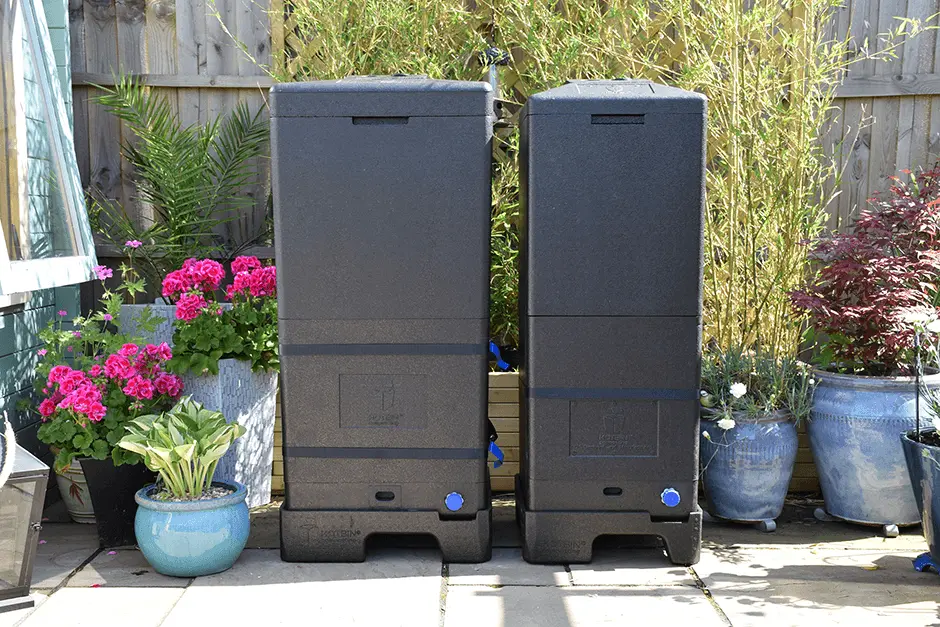
At the forefront of this movement is the HOTBIN composter—a scientifically engineered unit recently crowned a BBC Gardeners’ World Magazine Best Buy. Celebrated as the fastest composter tested and the premier choice for compact gardens, the technology enables households to recycle everything from standard garden trimmings to difficult kitchen scraps, including cooked food, dairy, meat, and small bones. By harnessing aerobic thermophilic (high-temperature) decomposition, the unit achieves what conventional bins cannot: rich, nutrient-dense compost in as little as 30 days, regardless of the ambient outdoor temperature.
This extensive report examines the mechanics of advanced home composting, the ecological urgency driving this nationwide campaign, the specific details of the prize packages on offer, and the broader future outlook for municipal and domestic waste reduction in the UK.
Detailed Chronology: The Evolution of Domestic Composting and the Rise of Accelerated Thermal Systems
The Historical Bottleneck of Traditional Composting
For generations, home composting has followed a familiar, albeit frustratingly slow, trajectory. Traditional cold composting heaps rely primarily on mesophilic bacteria—microorganisms that thrive in moderate temperatures (typically between 20°C and 45°C). While these heaps eventually break down organic matter over a period of six months to two years, they suffer from significant operational vulnerabilities.
Chief among these is their susceptibility to seasonal climate shifts. As ambient temperatures drop below 10°C in the British autumn and winter, mesophilic microbial activity plummets. The decomposition process virtually stalls, leaving gardeners with stagnant piles of semi-rotted material that emit foul odors and attract vermin due to the inability to safely process protein-rich kitchen waste. Consequently, millions of households abandoned composting during the colder months, diverting valuable organic matter into general municipal waste streams.
The Scientific Breakthrough: Aerobic Thermophilic Digestion
The paradigm shifted with the introduction of insulated, high-efficiency aerobic digesters. Unlike open heaps, advanced units like the HOTBIN utilize engineered thermal containment—often constructed from high-density expanded polypropylene (EPP)—to trap the natural metabolic heat generated by rapidly multiplying bacteria.
Chronologically, the development of these systems marked a maturation in domestic waste management engineering throughout the 2010s and 2020s. By maintaining internal temperatures between 40°C and 60°C (and occasionally peaking up to 70°C), thermophilic bacteria take over the decomposition process. This high-heat environment offers three distinct biological advantages:
- Accelerated Breakdown: Complex polymers like lignin, cellulose, and chitin are broken down at an exponentially faster rate, achieving finished compost in 30 to 90 days.
- Pathogen and Weed Seed Destruction: The sustained high temperatures effectively sterilize the compost, neutralizing persistent weed seeds and harmful plant pathogens that often survive in cold heaps.
- Omnivorous Feeding Capabilities: Unlike traditional bins where meat, dairy, and cooked foods attract pests and create anaerobic slime, thermophilic systems safely consume these protein- and fat-heavy items without adverse effects.
The Current Campaign and Partnership Milestone
The launch of the current nationwide promotion represents the culmination of years of consumer education and product refinement. Having earned rigorous independent validation—most notably from BBC Gardeners’ World Magazine, which named it a Best Buy for speed and spatial efficiency—the brand has positioned itself as an authoritative leader in the urban and suburban green spaces sector.
By tying this technological achievement to an accessible public competition running until November 9, 2026, the organizers aim to accelerate mass adoption. The initiative bridges the gap between high-end horticultural engineering and everyday household waste habits, providing an actionable roadmap for urban and rural gardeners alike to drastically reduce their carbon footprints.
Supporting Context & Metrics: The Environmental Imperative
To fully understand the significance of this campaign, one must examine the broader metrics surrounding organic waste generation, municipal disposal challenges, and the horticultural dependency on non-renewable resources.
The Scale of Domestic Food Waste
According to data compiled by environmental charity WRAP (Waste and Resources Action Programme), UK households generate millions of tonnes of food and garden waste annually. A significant proportion of this organic material ends up in municipal residual waste streams, where it is either incinerated or sent to landfill.
When organic waste decomposes anaerobically (in the absence of oxygen) at the bottom of a landfill, it produces methane—a potent greenhouse gas with a global warming potential significantly higher than carbon dioxide over a 20-year timescale. By intercepting food scraps and garden trimmings at the source and processing them via aerobic composting, domestic gardeners effectively neutralize this methane pathway, converting potential pollutants into valuable soil amendments.
The Peat Crisis in Horticulture
Simultaneously, the commercial and amateur gardening sectors have faced mounting ecological pressure regarding the extraction of peat. Peatlands are critical global carbon sinks, storing vast quantities of carbon dioxide while supporting unique, highly sensitive biodiversity. Centuries of extraction for horticultural growing media have severely degraded these ancient ecosystems.
Although legislative bans on the retail sale of peat-based composts have progressed across the UK, many gardeners struggle with the performance consistency of alternative media. Home-produced compost offers the ultimate solution: a nutrient-rich, structurally balanced, entirely peat-free alternative generated on-site at zero commercial transport cost.
Performance Metrics: HOTBIN vs. Conventional Systems
Independent laboratory and field tests substantiate the claims made by modern accelerated composting units. Comparative performance indicators highlight stark contrasts:
| Metric | Traditional Cold Composting | HOTBIN Accelerated Composting |
|---|---|---|
| Processing Time | 6 to 24 months | 30 to 90 days |
| Internal Operating Temp | Ambient (fluctuates with weather) | 40°C – 60°C (Year-round) |
| Acceptable Inputs | Raw garden waste, fruit/veg peelings | Garden waste, cooked food, meat, bones, dairy, weeds |
| Pest Mitigation | Low (open access attracts rodents) | High (sealed, odor-controlled, pest-proof) |
| Seasonality | Dormant in autumn/winter | Fully active 365 days a year |
These metrics underscore why urban and suburban gardeners are increasingly migrating toward engineered thermal solutions. The ability to maintain biological activity through the damp British winter transforms a seasonal chore into a continuous, year-round sustainability loop.
Official Statements and Prize Details
The collaborative campaign is designed not only to educate but to equip selected participants with professional-grade tools. Two winners will be chosen following the close of the competition on 9 November 2026 at 23:59, with each recipient able to select one of two comprehensive bundles tailored to their specific property size and gardening ambitions.
The Prize Packages
Option A: The HOTBIN Mini 100-litre Essentials Bundle
- Estimated Value: £43
- Target Audience: Ideal for smaller households, urban courtyards, patios, and compact gardens where space is at a premium.
- Inclusions:
- The 100-litre HOTBIN Mini unit, engineered for optimal thermal retention in restricted spaces.
- A bespoke HOTBIN Plinth, which elevates the unit off the ground. This structural addition serves a vital functional purpose: it allows users to effortlessly collect nutrient-rich liquid fertiliser (tea) runoff via a dedicated collection point.
- A HOTBIN Garden Kneeler, designed with ergonomic comfort in mind to reduce physical strain during garden maintenance, harvesting, and soil-turning tasks.
Option B: The HOTBIN 200-litre Essentials Bundle
- Estimated Value: £313
- Target Audience: Suited for larger families, prolific kitchen cooks, and expansive gardens producing substantial volumes of organic waste.
- Inclusions:
- The high-capacity 200-litre HOTBIN unit, capable of handling heavy daily domestic and horticultural throughput.
- The accompanying HOTBIN Plinth, ensuring easy access for liquid fertilizer extraction and ground-level aeration.
- The ergonomic HOTBIN Garden Kneeler for supreme comfort during intense seasonal gardening sessions.
Expert Endorsements and Editorial Recognition
Industry experts have repeatedly lauded the design philosophy behind these bundles. Reviewers from BBC Gardeners’ World Magazine highlighted the unit’s unmatched speed, noting that its capacity to break down difficult materials without emitting offensive odors sets a new benchmark for domestic waste management hardware.
Horticultural specialists emphasize that the inclusion of the plinth and kneeler addresses common user pain points. Bending over low compost bins and struggling to harvest liquid feed have historically deterred amateur gardeners from maintaining their systems; by integrating ergonomic accessories directly into the bundles, the barriers to entry are significantly lowered.
Future Outlook: The Horizon of Domestic Circular Economy
As municipal authorities face escalating budgetary constraints and national governments tighten carbon reduction targets, the future of waste management is undeniably decentralized. The reliance on centralized collection and processing infrastructure is increasingly being supplemented by hyper-local, community- and household-level initiatives.
The Integration of Smart Urban Planning
Looking ahead to the late 2020s and beyond, urban planners and residential developers are beginning to incorporate built-in composting infrastructure into modern housing developments. The integration of designated thermal composting spaces within urban allotments and apartment complex balconies points toward a cultural shift where organic waste is no longer viewed as refuse, but as an essential raw material.
Educational campaigns of this scale play a vital catalyst role in this transition. By demonstrating that high-performance composting is clean, rapid, and accessible to anyone—regardless of prior horticultural expertise—the public perception of waste management is evolving from an administrative burden into an empowering act of ecological stewardship.
Conclusion and Call to Action
The convergence of seasonal garden clear-ups, the urgent need for peat-free growing media, and the availability of award-winning thermal technology creates an unprecedented window for environmental action.
UK residents aged 18 and over are encouraged to review the competition terms, enter before the strict deadline of 23:59 on 9 November 2026, and take their first definitive step toward closing the loop on household waste. By embracing accelerated hot composting, gardeners are not only enriching their soil for the seasons to come; they are actively participating in a sustainable, circular future that benefits both their local plots and the wider global environment.



