Good nutrition is the cornerstone of lifelong health, but it holds even greater urgency during childhood. As growing minds and bodies undergo rapid physical and cognitive development, every single nutrient counts. Without a balanced diet rich in vital vitamins and minerals, children face heightened risks of developmental delays, structural vulnerabilities, and compromised immune systems.
Yet, translating nutritional science into daily family meals is notoriously difficult. Modern childhood is frequently characterized by restrictive diets, food allergies, and, most commonly, selective eating habits. According to data from the Centers for Disease Control and Prevention (CDC), the majority of children and adolescents fail to consume adequate amounts of fruits and vegetables. Concurrently, approximately 40 percent of their daily caloric intake is derived from added sugars and solid fats.
For parents managing a finicky eater who stubbornly rejects leafy greens, turning to a children’s multivitamin can be a practical strategy to bridge nutritional gaps. However, the supplement market is vast, unregulated, and often confusing. This comprehensive guide—informed by clinical insights from registered dietitians—explores when a multivitamin is genuinely warranted, how to evaluate ingredient quality, and reviews the top-performing kids’ vitamins across various categories, needs, and budgets.
(Editor’s Note: Always consult your primary care physician or a board-certified pediatrician before making significant changes to your child’s diet or introducing new supplements.)
Detailed Chronology & Market Evolution: The Rise of Clean Kids’ Supplements
The landscape of pediatric dietary supplements has undergone a dramatic transformation over the past decade. Historically, children’s vitamins were dominated by brightly colored, chalky chewables heavily laden with artificial dyes, high-fructose corn syrup, and synthetic flavors. These formulations were engineered primarily for palatability rather than nutritional integrity.
As consumer awareness shifted toward clean-label living, organic foods, and functional nutrition, parents began demanding better alternatives. By the mid-2010s, the market saw an influx of "gummy" vitamins. While gummies successfully solved the compliance problem—kids loved taking them—they introduced new challenges, including high sugar content, dental health concerns due to sticky textures, and stability issues where active nutrient potency degraded when exposed to heat and moisture.
By the 2020s, the industry entered its current "clean-formula" era. Direct-to-consumer disruptors pioneered zero-sugar chewables, sustainable and refillable packaging, and bioavailable nutrient forms (such as methylated B-vitamins and chelated minerals). Today, the market features specialized categories tailored to modern dietary realities: allergen-free gummies, formulas fortified with omega-3 fatty acids for cognitive development, and targeted probiotics to support the emerging science of the gut microbiome.
To understand why supplementation has become so prevalent, one must examine the nutritional shortfalls inherent in modern diets. Food allergies, economic barriers to fresh produce, and sensory-based food aversions put children at an elevated risk of specific deficiencies.
Common Nutrient Gaps in Children
Vitamin D: Essential for calcium absorption and bone mineralization. Deficiency can lead to rickets, muscle weakness, and impaired immune function.
Iron: Critical for hemoglobin production and neurological development. Iron deficiency anemia causes fatigue, cognitive deficits, and behavioral issues.
Omega-3 Fatty Acids (EPA/DHA): Vital for brain development, visual acuity, and inflammatory regulation. Many children consume very little fish, the primary dietary source.
Calcium: Necessary for peak bone mass accrual during growth spurts. Dairy avoidance or intolerance often creates a shortfall.
Fiber & B-Complex Vitamins: Important for metabolic energy and digestive health, frequently lacking in diets heavy on refined carbohydrates.
According to public health metrics, clinical or subclinical nutrient deficiencies can quietly erode a child’s health over time. Because children often struggle to articulate symptoms like mild fatigue or brain fog, routine pediatric check-ups involving blood panels are critical for early detection.
Key Factors to Consider Before Supplementation
Before introducing a supplement, parents should conduct a dietary audit. Logging a child’s food and beverage intake for three to five days provides invaluable data for a pediatrician or registered dietitian. This audit helps isolate whether the issue is a genuine nutrient gap or a behavioral feeding dynamic that requires occupational or nutritional therapy.
Comparative Product Reviews: The Best Kids’ Multivitamins
Evaluating a children’s multivitamin requires looking beyond flashy marketing claims. Based on expert criteria—including bioavailability, ingredient purity, third-party testing, and child compliance—here are the top-performing options on the market.
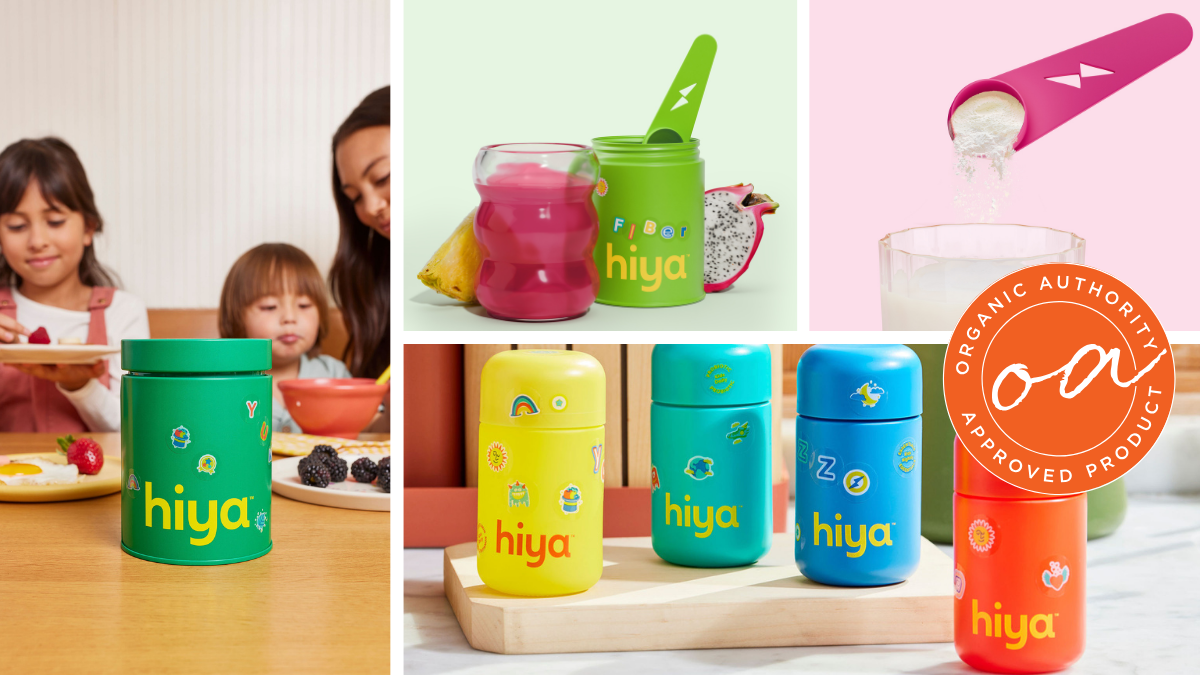
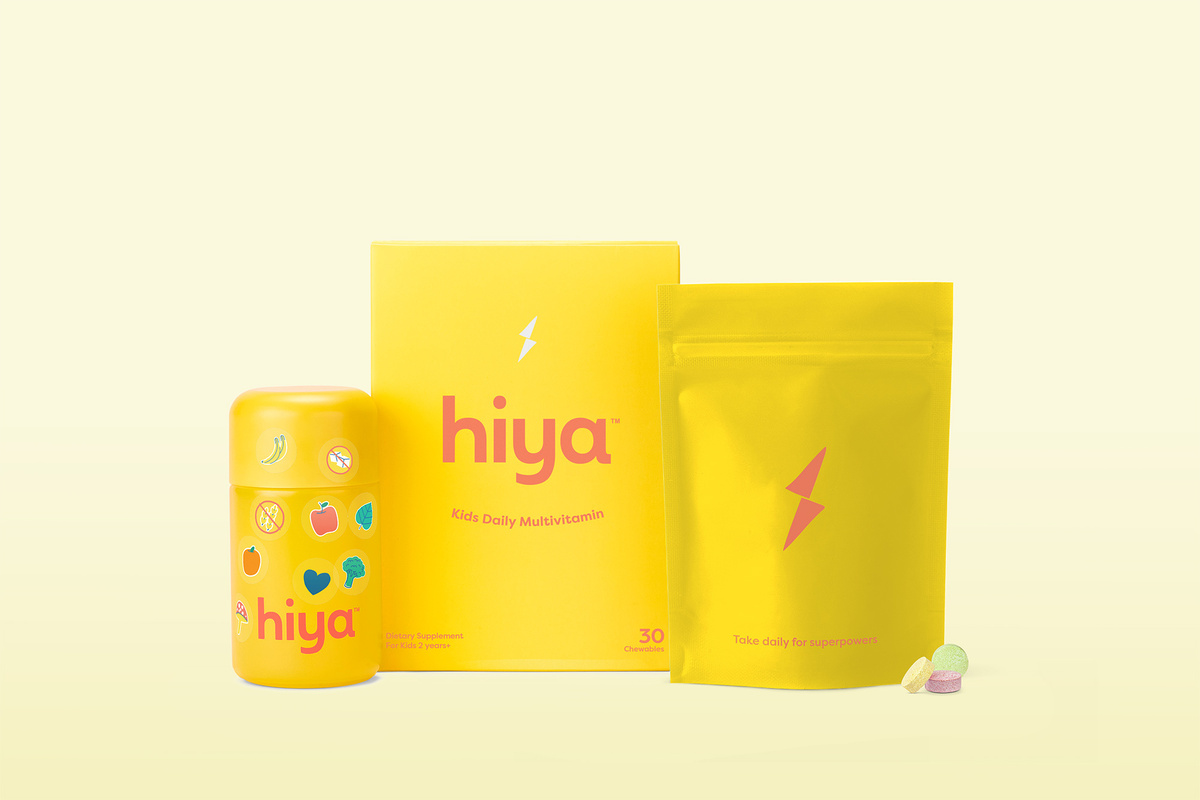
1. Hiya Kids Daily Multivitamin — Best Overall Clean Formula
Analysis: Hiya leads the market in clean-label pediatric supplementation. Formulated for children aged 2 and older, it avoids the gelatin, artificial sweeteners, and synthetic dyes typical of legacy brands. While it omits iron and calcium (common practice for general chewables to prevent accidental toxicity), its reliance on bioavailable ingredients and strict third-party testing makes it a gold standard for health-conscious families.
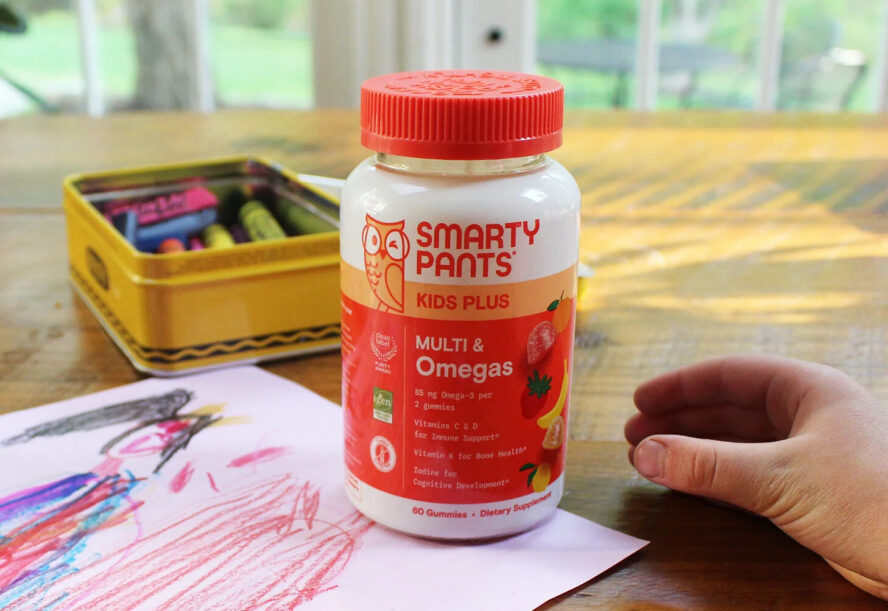
2. SmartyPants Kids Organic Multi & Omegas — Best Organic Gummy
Form: Gummy
Sugar Content: 3g per serving
Key Features: USDA Organic, plant-based omega-3 ALA from flaxseed oil, methylated B-vitamins, NSF Certified.
Analysis: For children who flatly reject non-gummy formats, SmartyPants offers a stellar organic profile. Certified free from the nine major allergens, it combines 16 essential nutrients with plant-based omegas. The primary trade-off is its sugar content and the requirement of four gummies per serving.
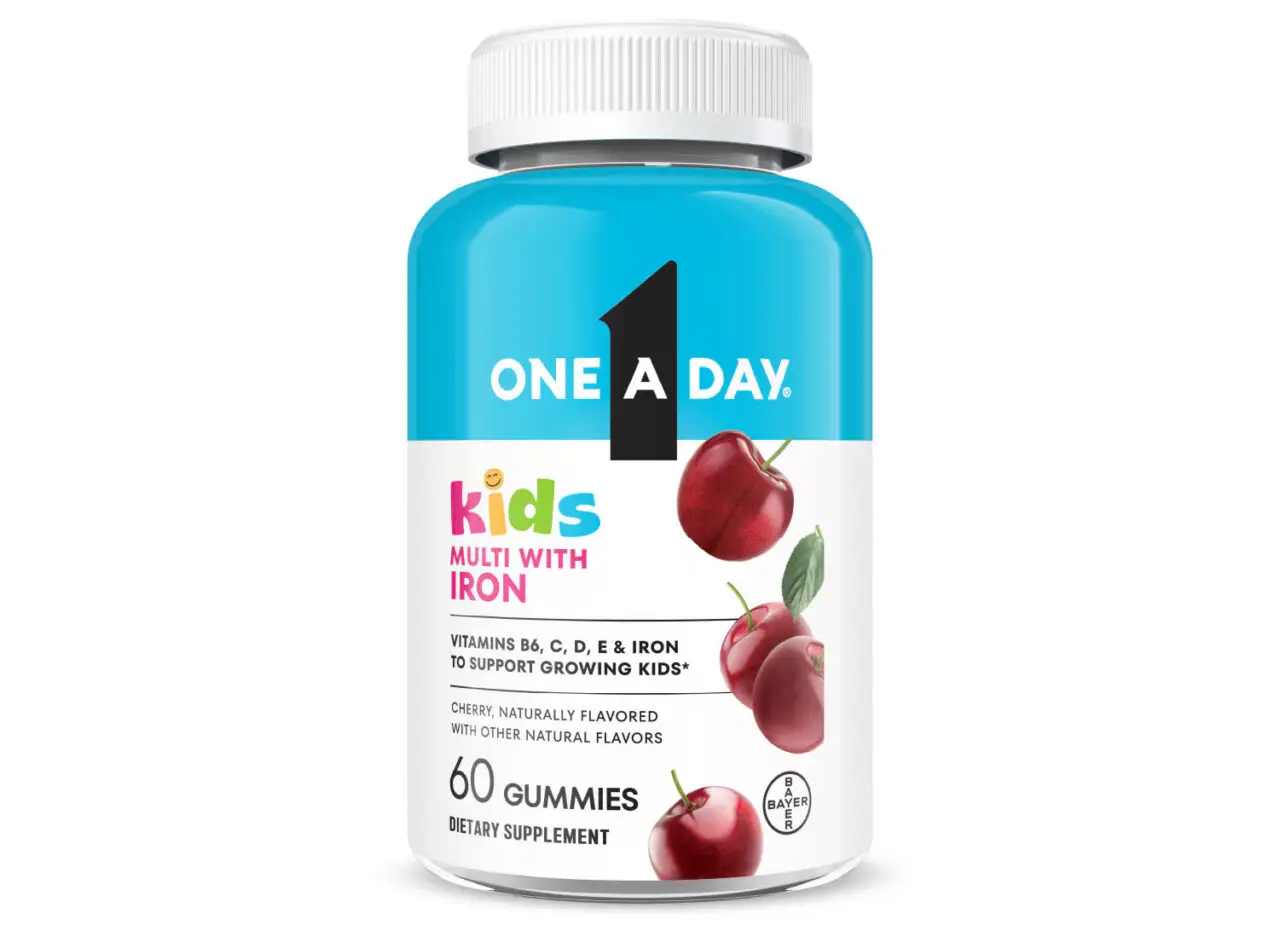
3. One A Day Kids Multi with Iron Gummies — Best Gummy With Iron
Form: Gummy
Sugar Content: 4g per serving
Key Features: 12mg of iron per serving, natural cherry flavor, free from artificial sweeteners and high-fructose corn syrup.
Analysis: Iron deficiency is a significant concern for certain pediatric demographics. Finding iron in a palatable gummy format is rare, making this product exceptionally useful for children who need supplemental iron but refuse liquid drops or tablets. Produced under Bayer’s rigorous quality controls, it balances efficacy with taste.
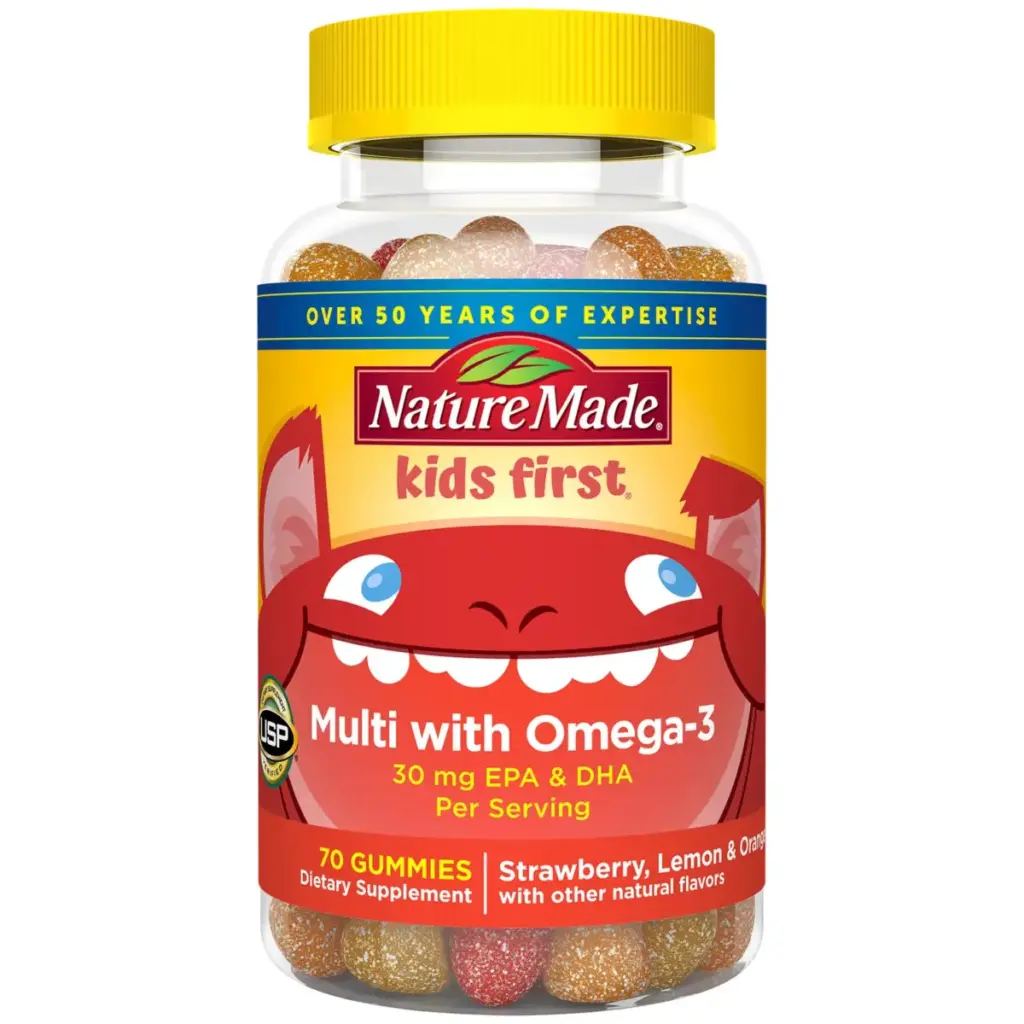
4. Nature Made Kids First Multivitamin + Omega-3 Gummies — Best Value With Omega-3s
Form: Gummy
Sugar Content: 2g per serving
Key Features: USP Verified, EPA and DHA from fish oil, affordable and widely available.
Analysis: Nature Made stands out due to its USP (United States Pharmacopeia) Verification—a rigorous third-party quality stamp rare in the children’s supplement space. Providing both essential vitamins and omega-3 fatty acids at an accessible price point, it is an ideal everyday option for healthy children.
5. OLLY Kids Multi + Probiotic — Best for Everyday Digestive Support
Analysis: Combining a multivitamin with a shelf-stable probiotic, OLLY addresses both systemic nutrition and gut health in a single, berry-flavored gummy. It is a convenient two-in-one product, though parents should note the inclusion of gelatin and a modest sugar content.
6. Renzo’s Picky Eater Multi — Best for Picky Eaters
Form: Melt-in-Mouth Tablet
Sugar Content: 0g
Key Features: 18 nutrients including gentle iron, vegan vitamin D3, allergen-friendly, zero sugar.
Analysis: Renzo’s bypasses the gummy debate entirely with its proprietary "Melty Tabs" that dissolve on the tongue. Packed with premium nutrient forms—such as methylated folate and gentle iron that lacks a metallic aftertaste—it is explicitly engineered for sensory-sensitive or selective eaters.
Analysis: Culturelle leverages one of the most thoroughly researched probiotic strains in pediatric medicine. This sugar-free, dairy-free chewable is exceptional for children requiring targeted digestive and immune support alongside a foundational multivitamin.
Official Statements & Expert Perspectives
Pediatric health organizations maintain a measured stance on dietary supplements. According to the American Academy of Pediatrics (AAP), healthy children eating a balanced, varied diet generally do not require routine multivitamin supplementation. However, pediatricians increasingly acknowledge that modern dietary patterns often fall short of clinical ideals.
Dr. Staci Gulbin, a registered dietitian, notes:
"The best kids’ multivitamin is ultimately the one that provides necessary nutrients in a bioavailable form that a child will consistently take without resistance. Supplements are designed to bridge gaps—not to replace a vibrant, whole-food diet."
Furthermore, toxicologists and regulatory bodies continually emphasize safety. Because fat-soluble vitamins (A, D, E, K) and minerals like iron can accumulate to toxic levels if over-consumed, professionals strongly advise parents to treat vitamins like medicine: stored securely out of reach of young children.
Future Outlook: The Next Generation of Pediatric Wellness
Looking ahead, the pediatric supplement market is poised for continued innovation driven by biotechnology and personalized nutrition. Key trends shaping the future include:
Microbiome-Tailored Formulas: As research into the gut-brain axis expands, future multivitamins will likely feature increasingly sophisticated, strain-specific probiotics matched to individual developmental milestones.
Advanced Delivery Systems: Beyond gummies and chewables, researchers are exploring microencapsulation technologies that protect sensitive nutrients (like omega-3s and iron) from degradation without requiring excessive sugars or masking agents.
Personalized Nutrigenomics: Emerging direct-to-consumer testing may soon allow parents to evaluate their child’s specific genetic variations and nutritional absorption profiles, moving away from generalized "one-size-fits-all" multivitamins toward hyper-customized regimens designed by clinical specialists.
Conclusion
Choosing the right multivitamin for your child requires a balanced approach rooted in clinical reality and individual need. While whole foods and a varied diet must remain the primary vehicles for childhood nutrition, high-quality supplements serve as a valuable safety net against the realities of picky eating and modern dietary shortfalls.
By prioritizing clean ingredient lists, appropriate dosages, rigorous third-party testing, and open communication with your pediatrician, you can confidently support your child’s journey toward robust health, vitality, and lifelong wellness.
Disclaimer: This article is for informational and educational purposes only and does not constitute medical advice. Always consult your primary care physician or pediatrician before altering your child’s diet or starting any new supplement regimen.