

Executive Overview
For more than half a century, the Endangered Species Act (ESA) has served as the ultimate legal backstop against permanent extinction for America’s most vulnerable wildlife. Lauded by the Supreme Court as "the most comprehensive legislation for the preservation of endangered species ever enacted by any nation," the Nixon-era statute has successfully pulled nearly 300 species—including the bald eagle, the American alligator, and the grizzly bear—back from the brink.
At the core of this conservation framework are two foundational statutory concepts: "take" and "harm." Historically, the prohibition against "taking" an animal criminalized any effort to "harass, harm, pursue, hunt, shoot, wound, kill, trap, capture, or collect" a protected species. Crucially, the regulatory definition of "harm" extended legal penalties to actions that degrade or destroy a listed species’ critical habitat—its breeding grounds, feeding areas, and shelter.
However, recent executive actions by the Trump administration have fundamentally altered this regulatory landscape. By stripping federal penalties from habitat degradation and reinterpreting "take" to apply exclusively to instances of intentional direct killing, federal agencies have effectively hollowed out the law’s enforcement mechanism. Nearly two dozen state attorneys general have filed lawsuits challenging these sweeping changes, but legal experts warn that the immediate impacts will be devastating.
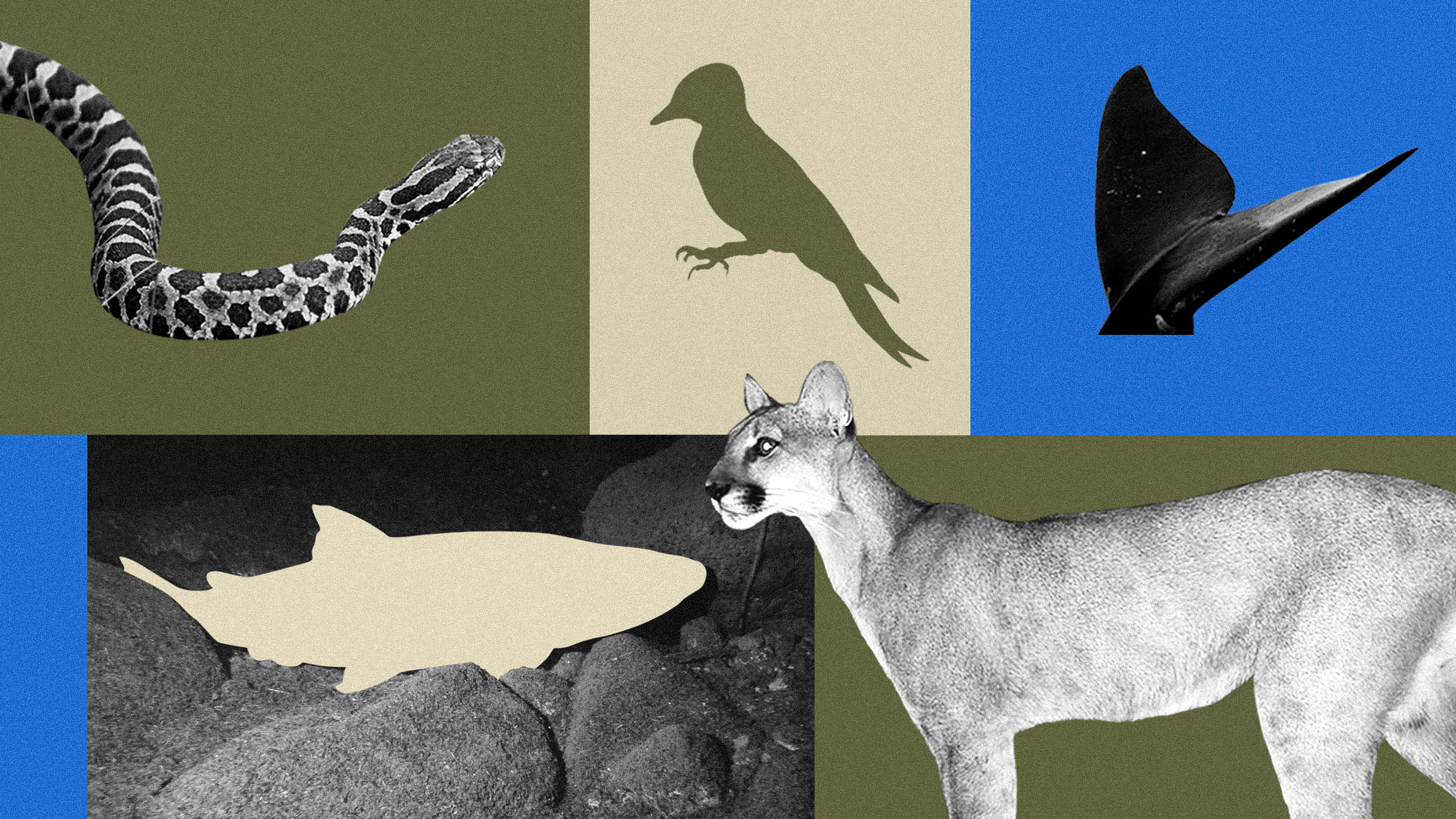
Coupled with escalating pressures from climate change, habitat fragmentation, and industrial expansion, these regulatory rollbacks threaten to unravel decades of hard-won conservation gains. Below is an in-depth examination of how ten distinct American species—ranging from apex marine predators and alpine fish to misunderstood reptiles and elusive pollinators—fare as their foundational regulatory framework is dismantled.
Detailed Chronology of the ESA Overhaul
Understanding the gravity of the current regulatory shift requires examining the timeline of legal interpretations and administrative actions that shaped modern conservation law:
- 1973: Congress passes the Endangered Species Act with bipartisan support, establishing federal protections and strict definitions for species conservation. Landmark litigation soon establishes that protecting animals requires safeguarding their surrounding ecosystems.
- 1979: Federal courts issue a historic ruling in the Palila case, affirming that state and private actors can be held liable under the ESA for allowing feral animals to destroy high-elevation forests vital to endangered bird survival. This precedent cements habitat protection as central to the law.
- 2016–2017: Species such as the eastern massasauga rattlesnake and the rusty patched bumble bee receive federal protections, highlighting the expanding scope of the ESA to encompass diverse taxonomic groups.
- Early 2020s: Conservation groups utilize the traditional definitions of "take" and "harm" to mount successful legal challenges against destructive infrastructure, logging, and pollution projects across the United States.
- Late 2025 – Early 2026: The Trump administration advances a series of sweeping administrative rule changes. Federal regulators formally rescind the long-standing regulatory definition of "harm" to exclude habitat destruction, while an internal memo reinterprets "take" to limit enforcement strictly to intentional, direct killings. Nearly two dozen state attorneys general respond by filing federal lawsuits challenging the legality of the changes.
Supporting Context & Metrics: The Stakes for Biodiversity
The weakening of the ESA arrives at a precarious ecological moment. Habitat fragmentation, rising global temperatures, and chemical pollution are accelerating biodiversity loss across North America. The metrics defining the status of these ten species illustrate the profound vulnerability they face in the absence of robust federal backstops:

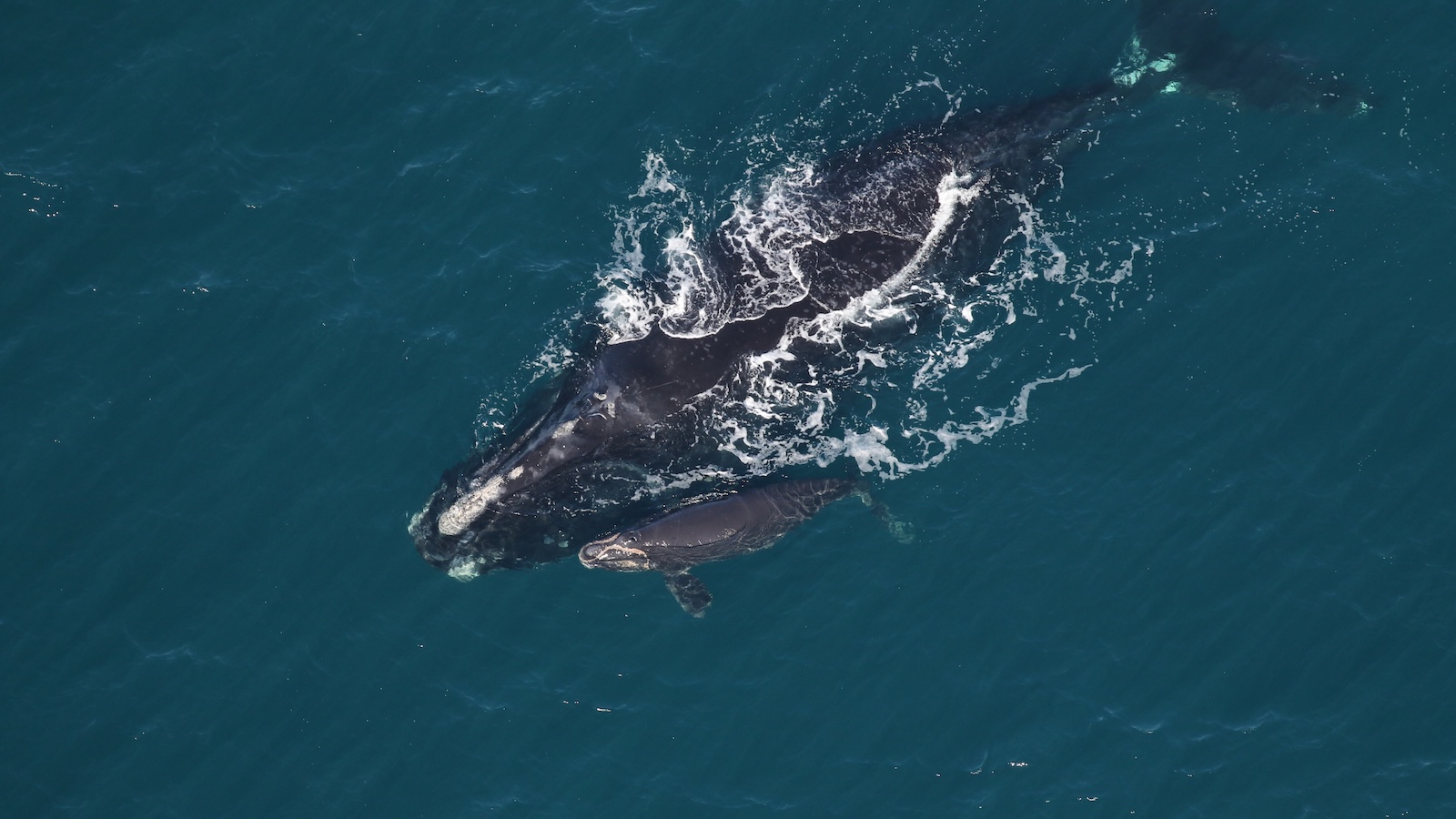
- North Atlantic Right Whale: Only about 380 individuals remain, with a critically low count of roughly 70 breeding females. An ongoing "unusual mortality event" since 2017 has documented 43 deaths and 133 injuries, primarily driven by vessel strikes and fishing gear entanglements.
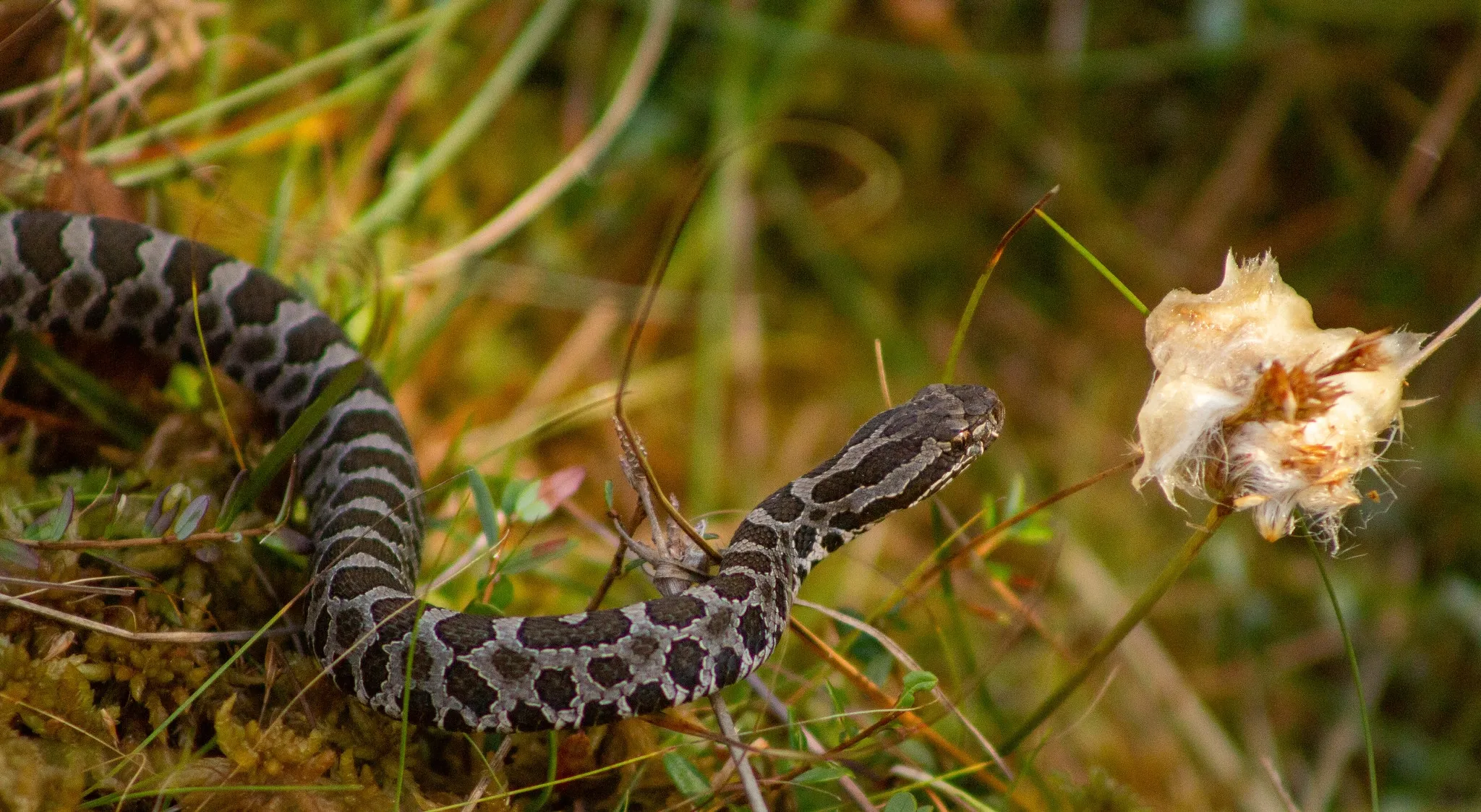
- Eastern Massasauga Rattlesnake: More than a third of the roughly 260 surveyed habitat sites across the Midwest face imminent threats of degradation due to commercial development and wetland drainage.
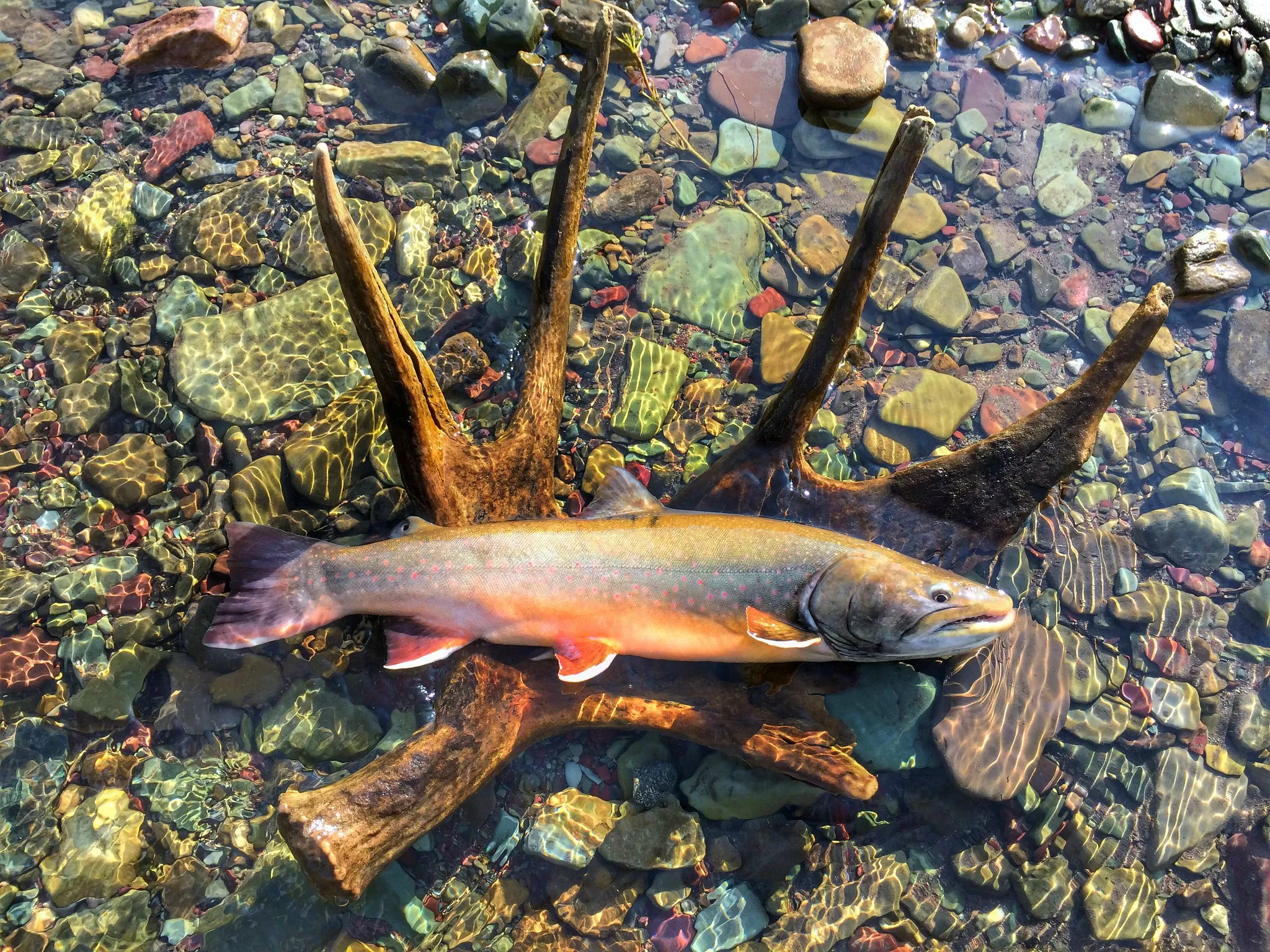
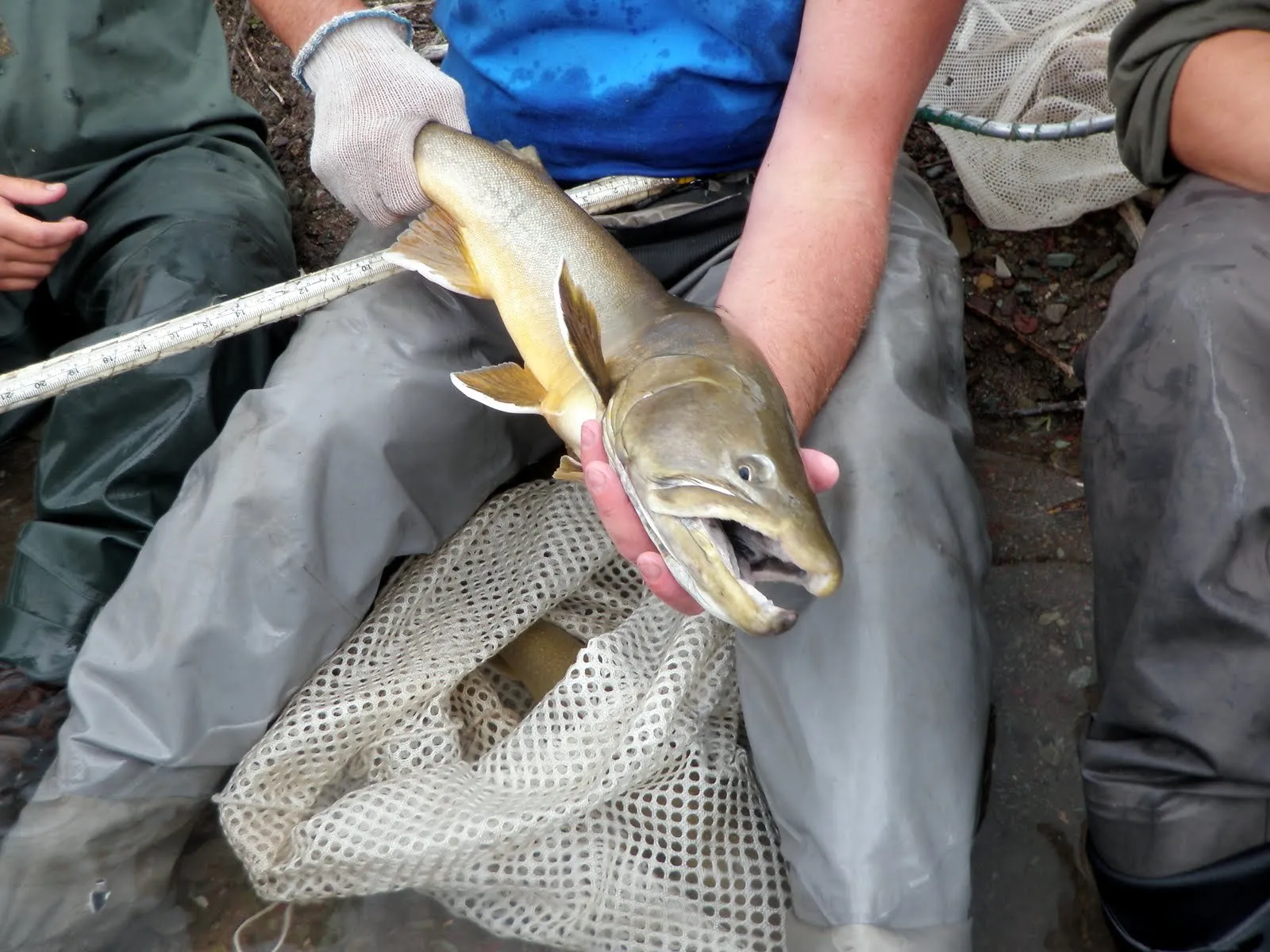
- Bull Trout: Significant population declines have been documented across half of their historic range in Montana, driven by warming alpine waters, sediment buildup from logging roads, and habitat fragmentation.
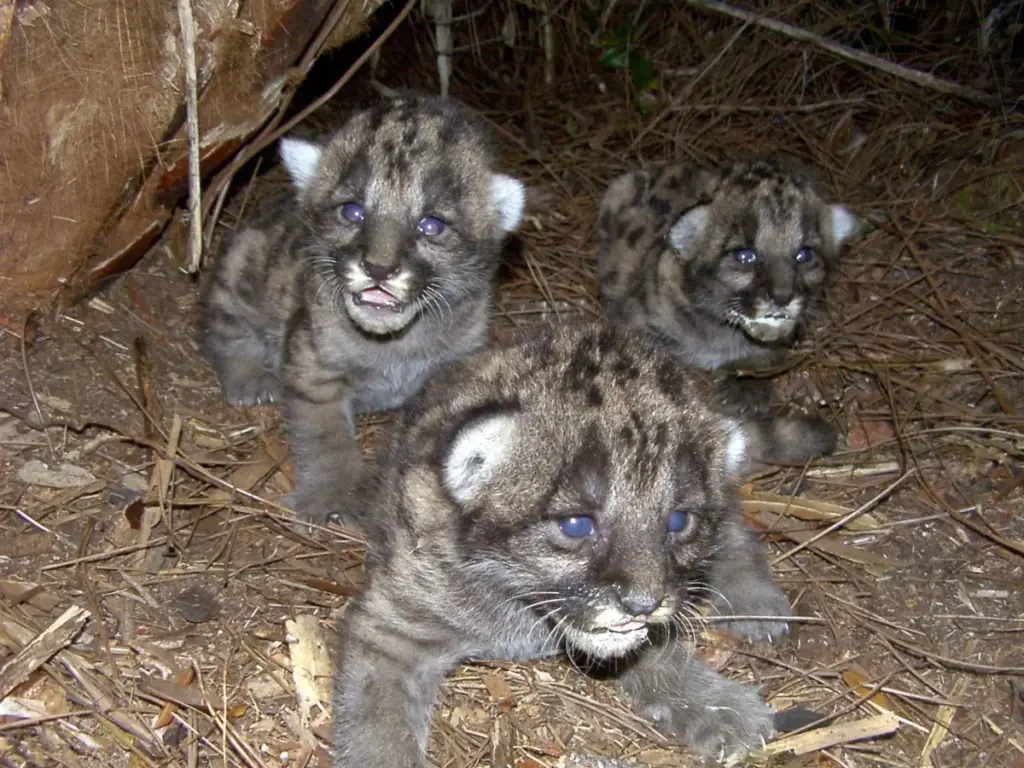
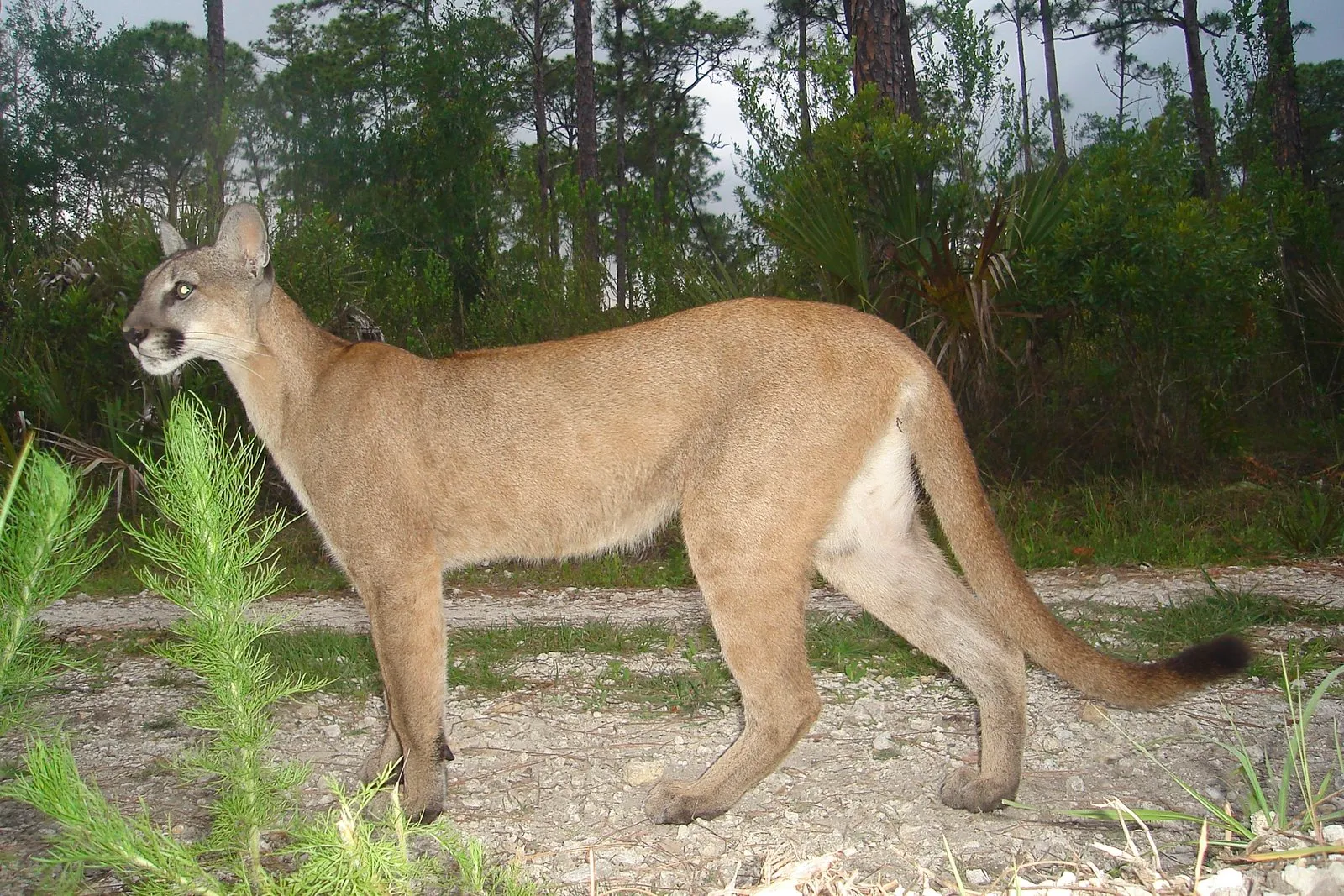
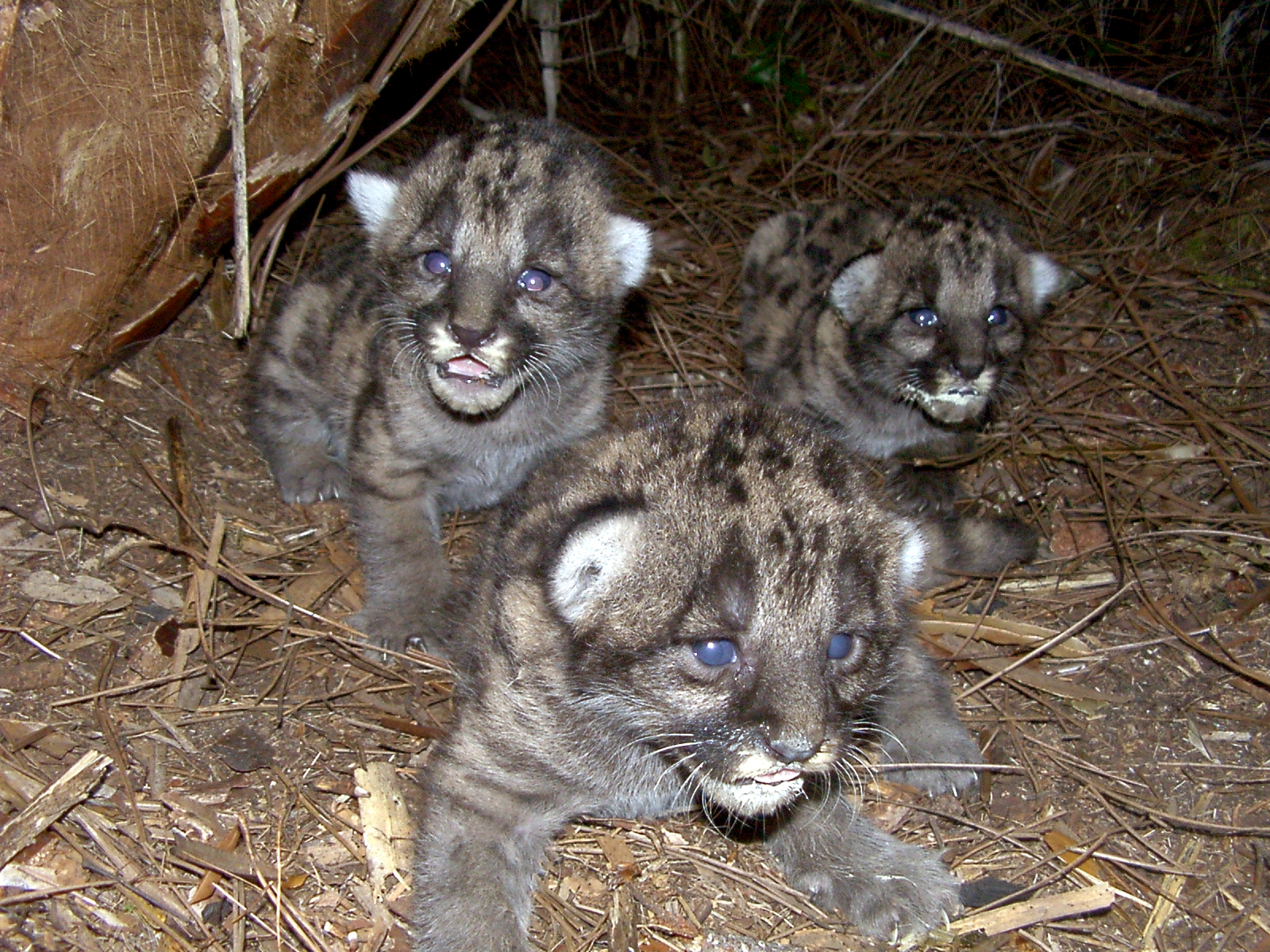
- Florida Panther: Following decades of recovery efforts, an estimated 200 panthers survive in southern Florida. Vehicle collisions remain the leading cause of mortality in a state experiencing unprecedented real estate development.
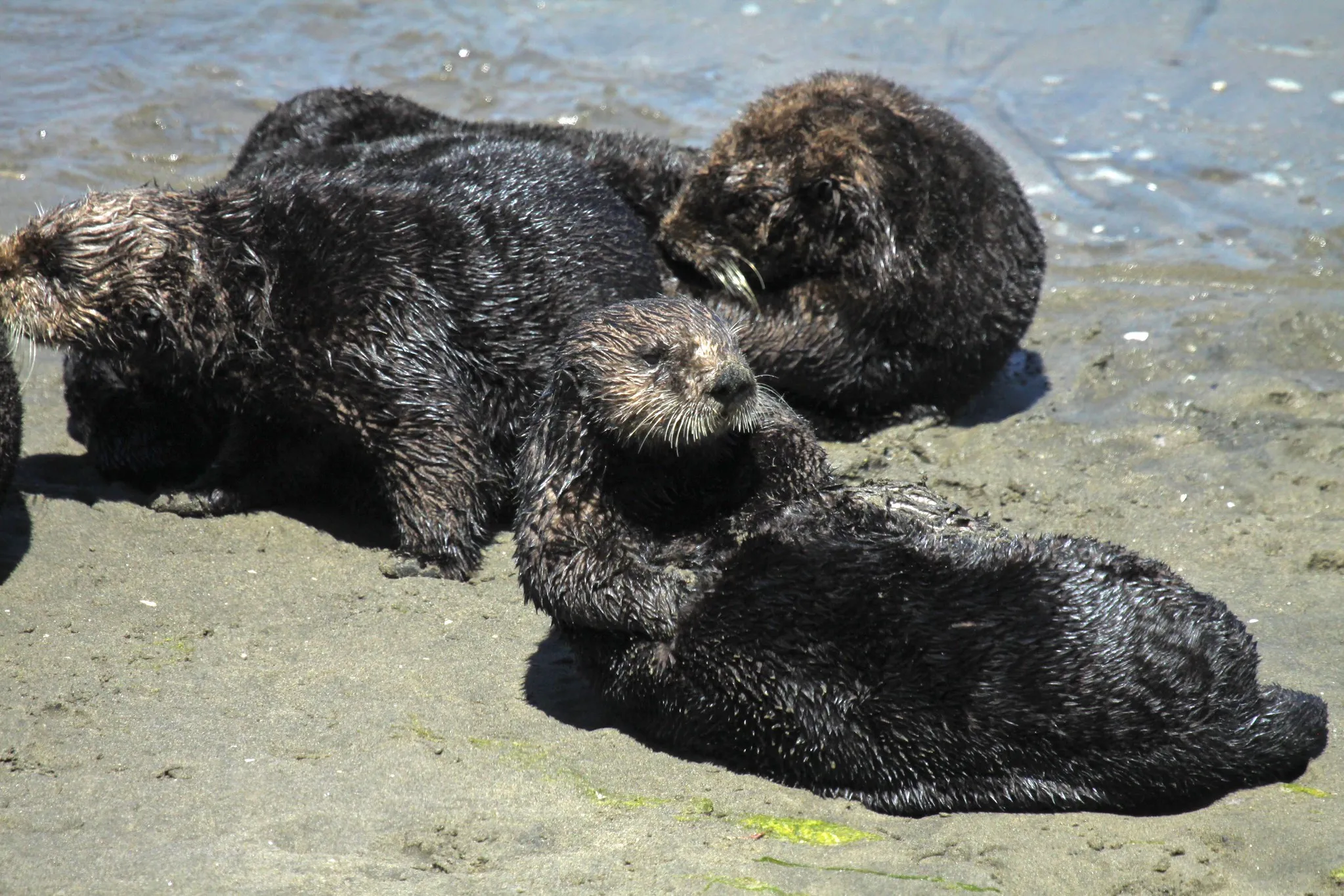
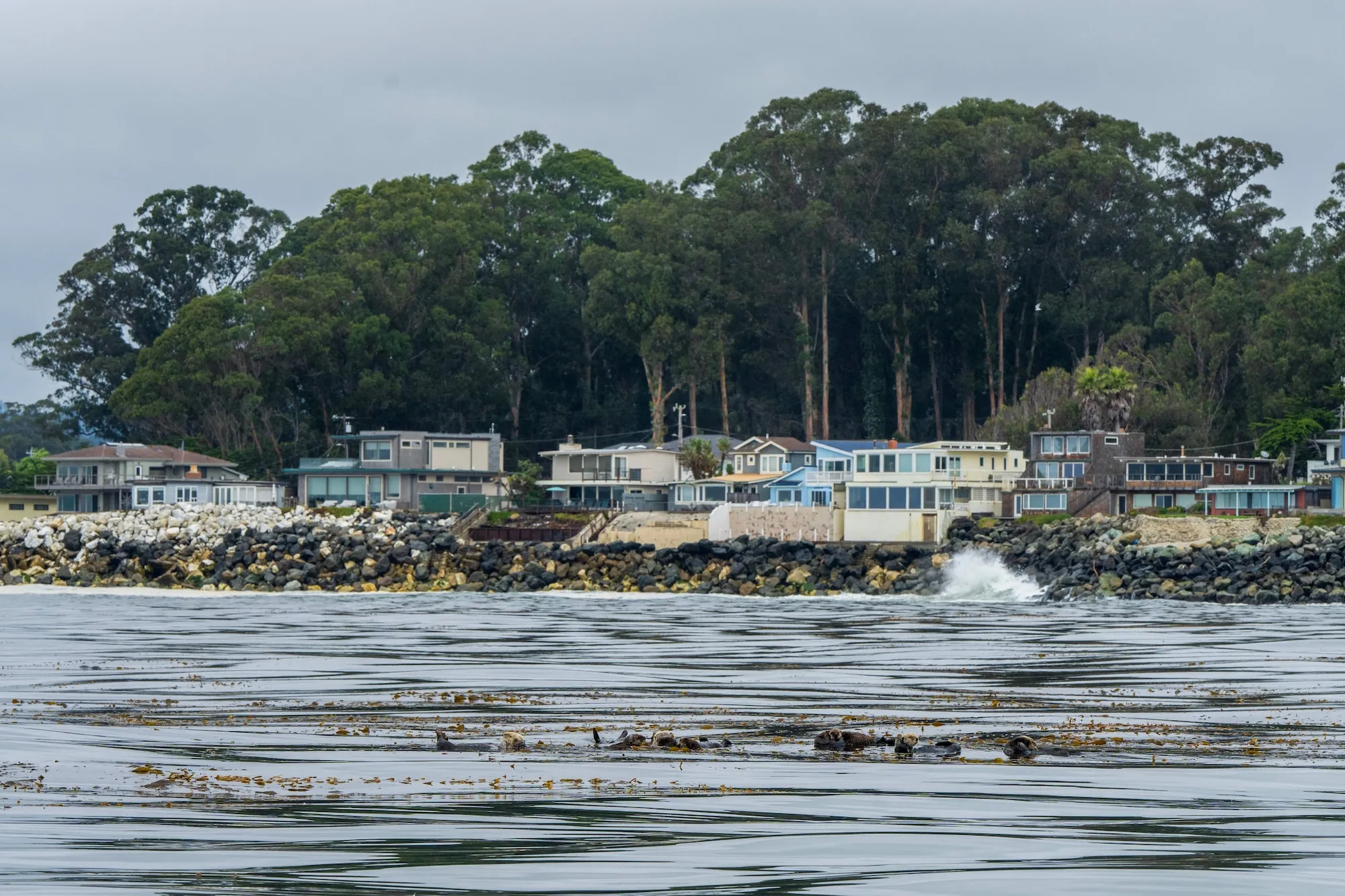
- California Sea Otter: Having rebounded from a historic low of near-extinction due to the 19th-century fur trade, approximately 3,000 otters now inhabit the central California coast. Lacking a "critical habitat designation," they remain highly vulnerable to toxic agricultural runoff and coastal pollution.
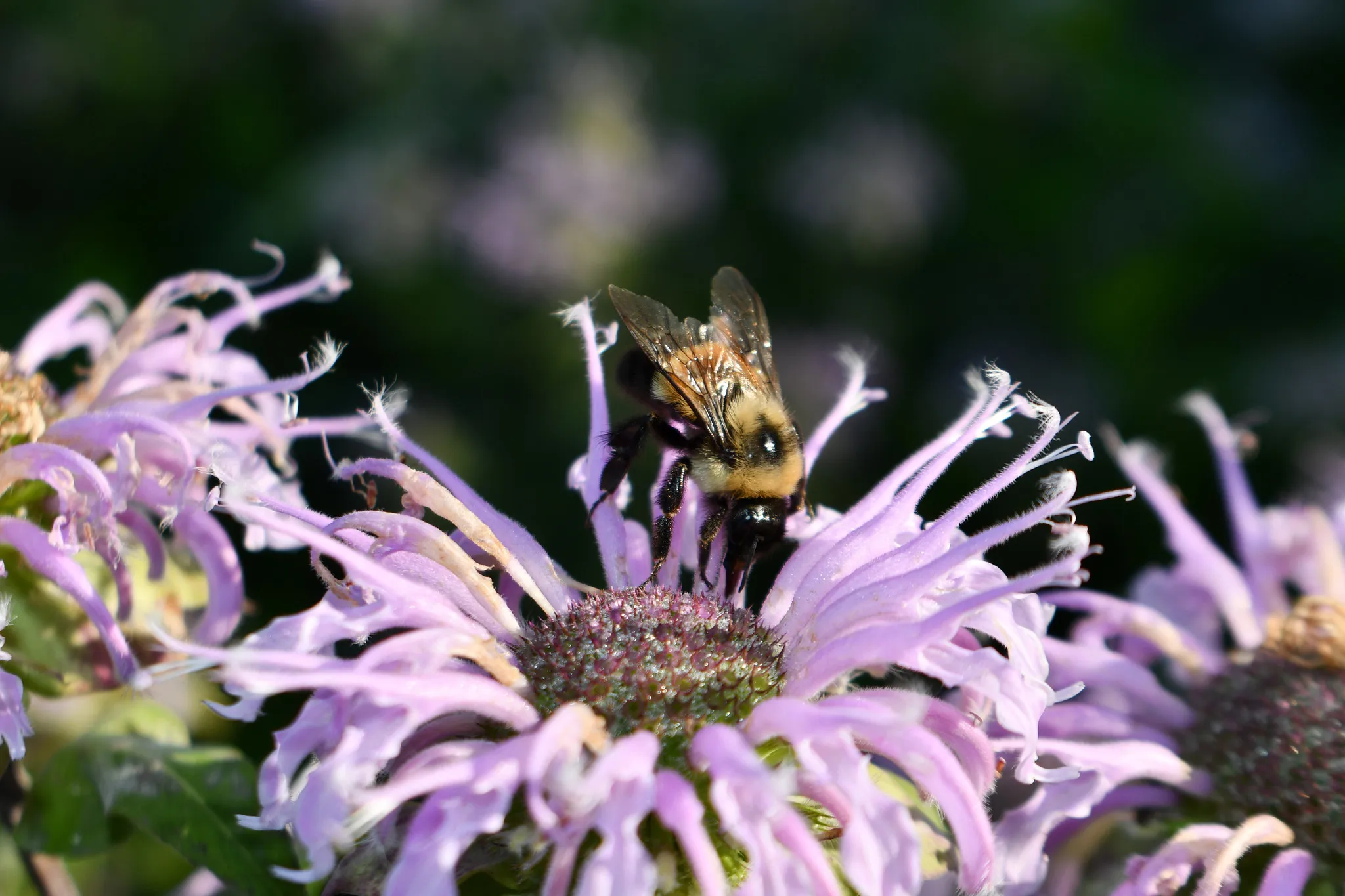
- Rusty Patched Bumble Bee: Formerly native to 28 states and parts of Canada, populations have plummeted by nearly 90 percent over the past three decades. Today, the insect occupies a mere 0.1 percent of its historical range.
- Eastern Hellbender: Over 40 percent of its 600 historical populations have vanished entirely, with an additional 36 percent experiencing active population declines due to water pollution, sedimentation, and climate-induced warming in Appalachian streams.
- Red-Cockaded Woodpecker: Longleaf pine forests, the exclusive habitat of these cavity-nesting birds, have been heavily fragmented by timber harvesting and land conversion. Despite being downlisted to "threatened" in 2024, they remain deeply dependent on active habitat management.
- Palila: Restricted to the high-elevation slopes of the Mauna Kea volcano in Hawaiʻi—widely recognized as the extinction capital of the world—only about 600 individuals remain in the wild, threatened by invasive feral sheep and degradation of māmane forests.
- Chinook Salmon: Pacific Northwest populations face severe bottlenecks due to dam construction, rising river temperatures, and toxic tire-wear chemicals like 6PPD washing off roadways into crucial spawning tributaries.
Official Statements and Expert Perspectives
The administrative rollback of ESA provisions has drawn fierce condemnation from legal scholars, conservation biologists, and environmental advocates who warn of irreversible consequences for American wildlife.
Elizabeth Forsyth, a senior attorney in the biodiversity defense program at Earthjustice, summarized the breadth of the regulatory changes:
"These rule changes, when you zoom out, are an assault on threatened and endangered species unlike we’ve ever seen before. It’s an effort to eliminate habitat protections, eliminate automatic protections for threatened species, and give industry power."
Delcianna Winders, director of the Animal Law and Policy Institute at Vermont Law and Graduate School, emphasized the immediate danger facing vulnerable marine life:
"Now they can point to this and say, ‘Look, we can’t have speed limits under the law because it only applies to intentional direct activities.’ Right whales don’t have two years or four years to wait for a new president or Congress to restore their protections. This is going to impact them immediately."
Sean Bothwell, executive director of the California Coastkeeper Alliance, highlighted the chilling effect these legal shifts impose on environmental enforcement:
"People aren’t going out there and stabbing salmon, but they are putting a chemical into the habitat that is directly killing them, or modifying their habitat by blocking the flow of rivers. That’s why this rule was so important. We are worried there will be some kind of backsliding."
Tara Zuardo, a senior advocate with the Center for Biological Diversity, pointed to the regulatory dissonance created between state and federal oversight:
"Michigan’s law and the federal Endangered Species Act would suddenly be operating under the same words, but radically different legal meanings."
Future Outlook: Ten Species at the Crossroads
1. North Atlantic Right Whale
As federal agencies move to rescind ocean speed restrictions and decline to expand critical migratory habitats, the North Atlantic right whale faces an existential crisis. Because the vast majority of right whale mortalities stem from incidental takes—such as accidental vessel strikes and entanglement in commercial fishing gear—reinterpreting the law to exclude accidental or indirect harm strips away the primary legal mechanism used to enforce protective shipping lanes.
2. Eastern Massasauga Rattlesnake
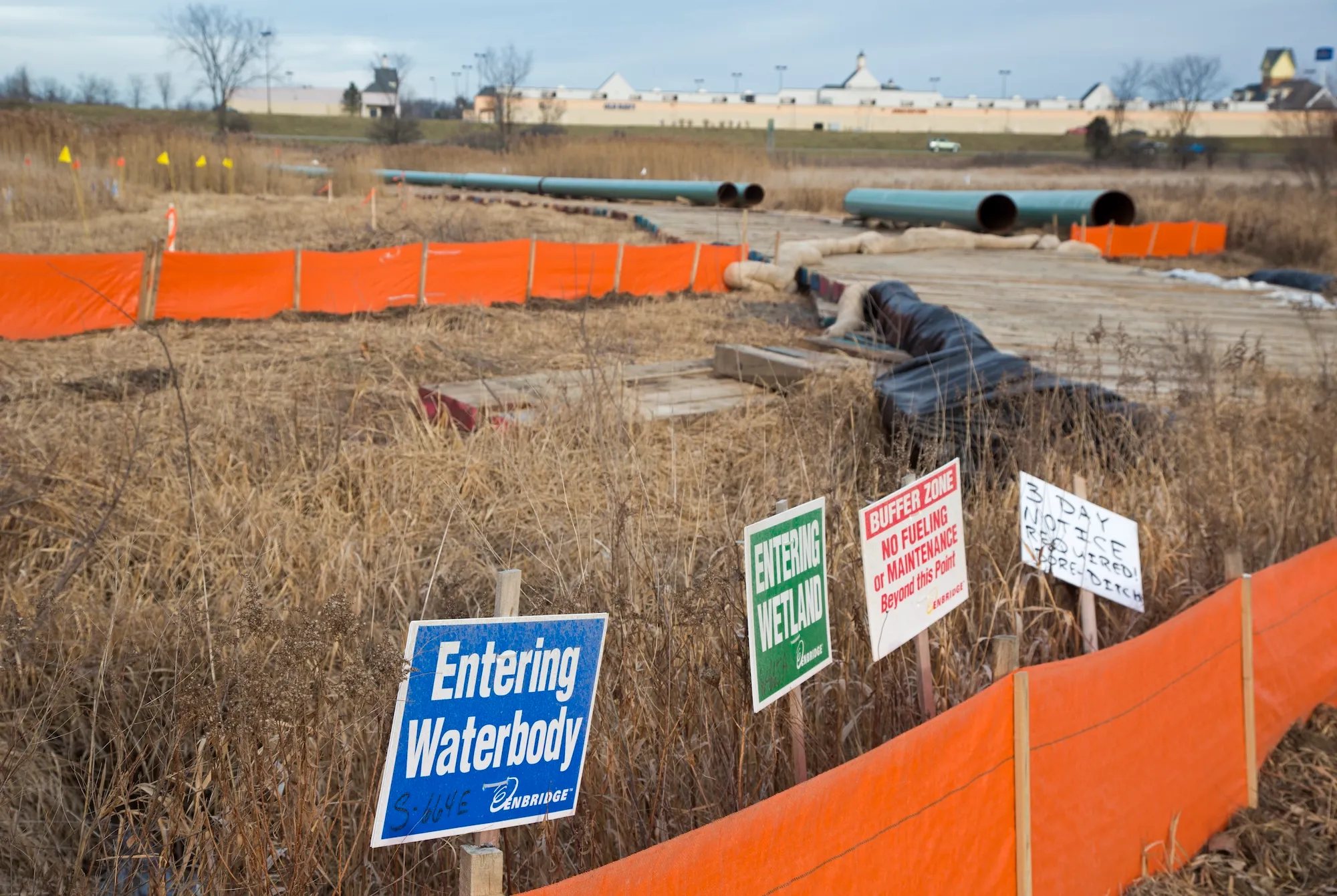
Often vilified despite its shy and retiring nature, the eastern massasauga relies heavily on fragile midwestern wetlands. With federal rules no longer penalizing the accidental destruction of these habitats during industrial construction or pipeline installation, the burden of protection falls entirely onto state statutes, which frequently lack the comprehensive backing of the federal ESA.
3. Bull Trout
Alpine streams in Montana are warming rapidly, and industrial logging roads continue to shed sediment that suffocates trout eggs. Without strict federal habitat protections, legal challenges against large-scale watershed degradation will lose their viability, making it increasingly difficult to preserve the cold-water corridors these sensitive fish require for spawning.
4. Florida Panther
As Florida experiences historic human population growth, sprawling housing developments and expanding highway networks increasingly fragment panther territory. Because Florida panthers were listed early in the history of the ESA, they lack modern critical habitat designations. Under weakened federal guidelines, developers are no longer legally required to mitigate the landscape-level impacts of their projects.
5. California Sea Otter
Thriving in the dynamic tidal zones of the central California coast, sea otters are directly exposed to agricultural chemical runoff that fosters toxic algae blooms. With the narrowing definition of "harm," legal avenues to hold corporate polluters accountable for indirect watershed contamination are rapidly evaporating, threatening both the otters and their vital kelp forest ecosystems.
6. Rusty Patched Bumble Bee
Although conservationists recently celebrated the designation of 1.5 million acres of critical habitat for the rusty patched bumble bee, the vast majority of these lands are privately owned. Because these insects spend half their life cycle dormant underground and are notoriously difficult to spot, the new "intentional take" standard leaves them exceptionally vulnerable to unmitigated agricultural and commercial development.
7. Eastern Hellbender
Often styled as a "living fossil," this giant Appalachian salamander has endured in cold mountain streams for 160 million years. Yet, political delays have left the hellbender stranded without federal protection while more than 40 percent of its historical populations have vanished. Without federal listing, local advocates lack the legal leverage needed to combat mounting sedimentation and water pollution.
8. Red-Cockaded Woodpecker
Living exclusively in the living trunks of mature longleaf pine trees across the American Southeast, these birds depend on specialized forestry management. The administration’s narrow redefinition of habitat harm places old-growth pine ecosystems at heightened risk of clear-cutting and agricultural conversion, threatening not only the woodpecker but an entire suite of co-evolved wildlife.
9. Palila
As the avian poster child of Hawaiʻi—the undisputed extinction capital of the world—the palila depends entirely on the high-elevation māmane forests of Mauna Kea. Legal precedents established by the palila once compelled state authorities to eradicate destructive invasive sheep and goats. Under current administrative interpretations, failing to protect this forest from invasive browsers may no longer constitute a legal violation, pushing the remaining 600 birds closer to oblivion.
10. Chinook Salmon
Pacific Northwest Chinook salmon are fighting a multi-front war against warming river temperatures, physical dam barriers, and toxic runoff from automotive chemicals like 6PPD. With federal agencies abandoning habitat modification enforcement, legal strategies aimed at compelling dam operators to maintain adequate streamflows and forcing industrial polluters to clean up urban runoff face unprecedented hurdles, imperiling a cornerstone species of West Coast ecosystems.



