

Executive Overview
The electrical grid of the 21st century is undergoing a paradigm shift, transitioning from a rigid, centralized network of fossil-fuel generation plants to a dynamic, decentralized ecosystem powered by renewable energy and smart infrastructure. At the vanguard of this transformation is Massachusetts, a state long recognized for aggressive climate targets and policy innovation. In a bold new initiative, the Massachusetts Clean Energy Center (MassCEC) has officially selected the participants for its flagship Vehicle-to-Everything (V2X) Demonstration Program.
This first-of-its-kind state-level pilot program seeks to solve one of the most persistent bottlenecks in modern energy management: grid congestion and peak demand volatility. By deploying bi-directional EV chargers at absolutely zero cost to select school districts, municipalities, and residential participants across the Commonwealth, MassCEC is effectively turning everyday electric vehicles into mobile utility-grade batteries.
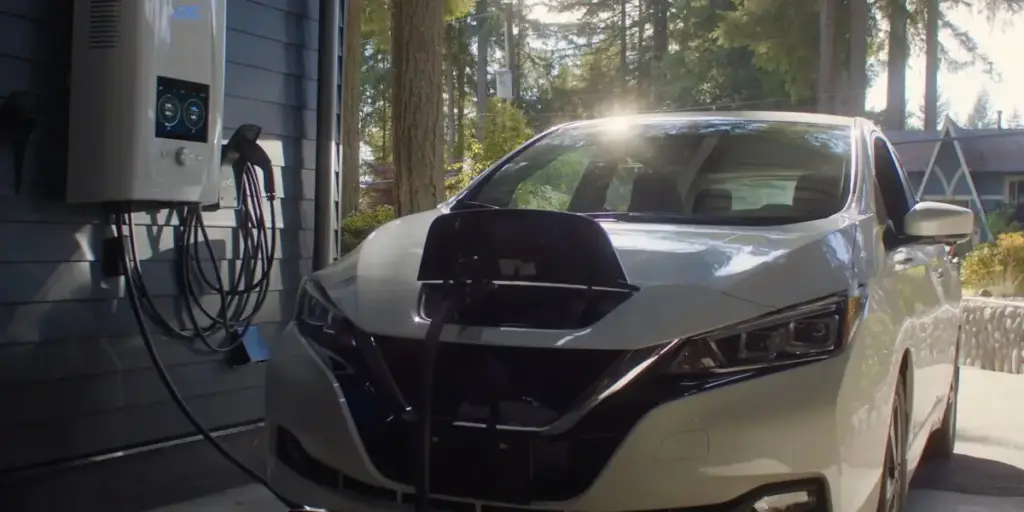
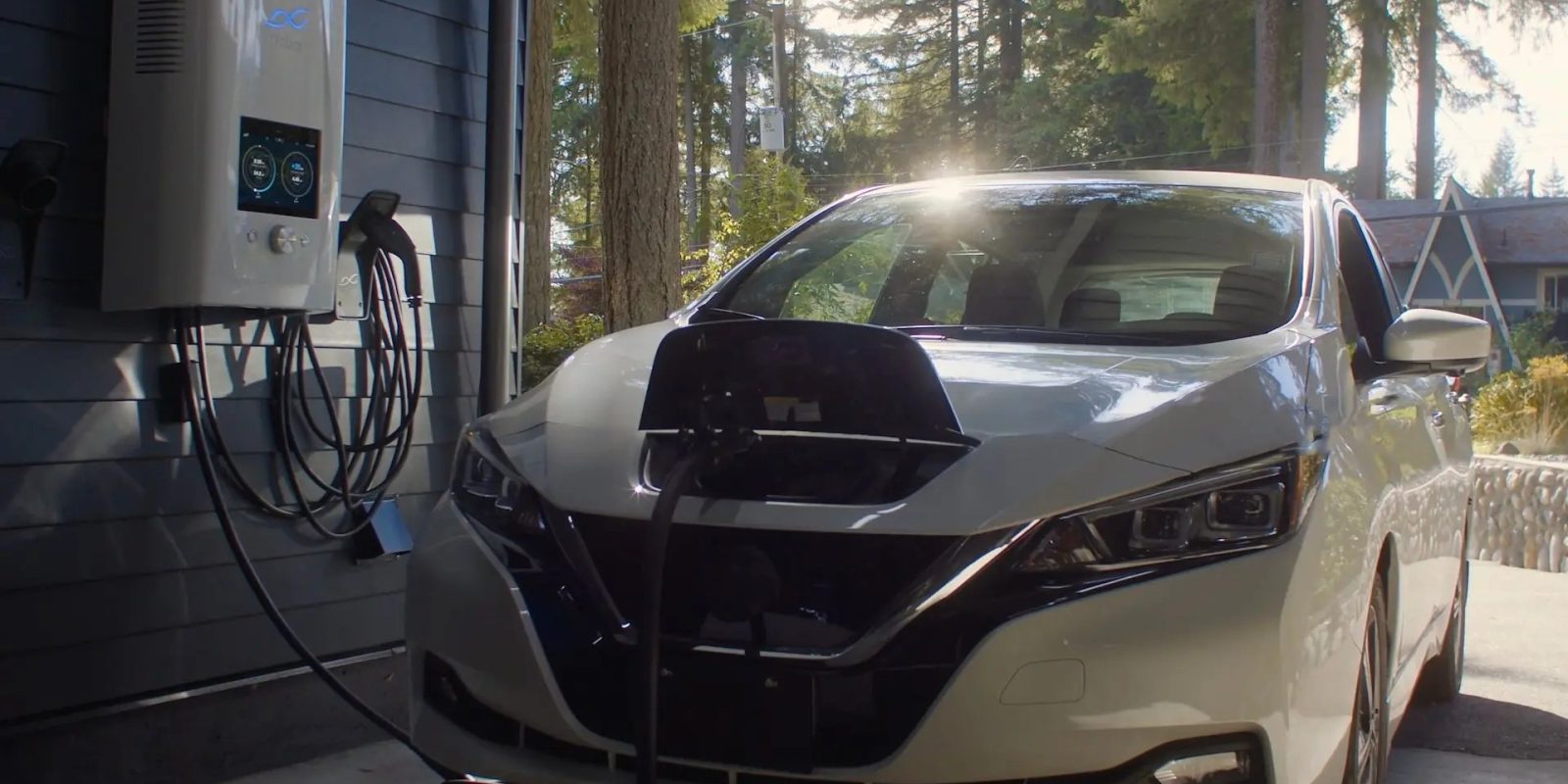
When operational, these integrated bi-directional charging stations will serve a dual purpose. Under normal conditions, they charge EVs efficiently; however, during grid emergencies, extreme weather events, or high-demand periods (such as heatwaves or deep freezes), they can pump stored electricity back out of the vehicle batteries and into homes, municipal buildings, or directly onto the public grid.
State officials project that the initial phase of the pilot will yield over 1 megawatt (MW) of dispatchable power back to the grid during demand response events—a critical threshold roughly equivalent to offsetting the instantaneous electricity consumption of about 300 average American homes for an hour. By targeting critical public infrastructure, such as school bus fleets and town facilities, alongside everyday drivers—with a heavy emphasis on environmental justice communities—Massachusetts is establishing a blueprint for how states can leverage electrification to build climate resilience, slash carbon emissions, and lower utility bills for everyday families.
Detailed Chronology: From Concept to Deployment
The path toward a state-wide V2X demonstration program did not happen overnight; it represents years of regulatory evolution, technological maturation, and strategic planning within Massachusetts’ clean energy sector.
Laying the Groundwork
As electric vehicle adoption accelerated across New England, state energy planners recognized an impending challenge. While the mass transition to EVs is essential for decarbonizing the transportation sector—which remains one of the largest contributors to greenhouse gas emissions—it places unprecedented strain on local distribution transformers and regional transmission lines, particularly when thousands of vehicles plug in simultaneously during evening peak hours.
Rather than viewing EVs purely as a load on the electrical grid, forward-thinking policy architects at MassCEC and the Department of Energy Resources (DOER) began asking a transformative question: What if every EV could act as a shock absorber for the grid?
Program Inception and Participant Selection
MassCEC formally designed the V2X Demonstration Program to eliminate the primary barriers keeping everyday consumers and public entities from adopting bi-directional technology: high hardware costs, installation complexity, and regulatory uncertainty. By absorbing 100% of the equipment and installation costs, the state unlocked participation for cash-strapped municipalities and school districts that otherwise could not afford bleeding-edge energy tech.
The selection process meticulously targeted a diverse cross-section of society to ensure the pilot yields rich, multifaceted data. Selected participants fall into three distinct categories:
- Public Education Infrastructure: Five prominent school districts—Acton-Boxborough Regional, Arlington, Boston, Concord, and Lincoln—were chosen to test V2X integration using heavy-duty electric school buses and administrative fleets.
- Municipal Operations: Four municipal projects in Sterling, Needham, Plymouth, and Warwick integrated V2X tech into local government infrastructure, police/fire depots, and public works facilities.
- Residential Pioneers: Thirty individual homeowners from various geographic and socioeconomic backgrounds were selected to host residential bi-directional chargers. Notably, over one-third of the total program funding has been deliberately carved out to support residents living in designated environmental justice communities, ensuring that the benefits of clean energy innovation are equitably distributed.
The Road Ahead: 2026 and Beyond
With participants locked in, the timeline shifts rapidly toward physical infrastructure deployment. All bi-directional charging stations under the demonstration program are scheduled to be fully installed, interconnected, and operational by summer 2026.
Following deployment, a rigorous data collection phase will run through the remainder of 2026. Researchers and utility partners will monitor system performance, round-trip efficiency, battery degradation metrics, and user experiences. To ensure the lessons learned do not remain isolated within the pilot, MassCEC has committed to publishing a comprehensive V2X Guidebook in late 2026. This definitive manual will outline system design best practices, charging management protocols, hardware costs, and strategies for navigating regulatory hurdles, allowing other states and local municipalities to replicate and scale similar projects effortlessly.
Supporting Context & Metrics: The Mechanics of V2X and Virtual Power Plants
To understand the profound implications of the Massachusetts V2X initiative, one must examine the mechanics of bi-directional charging and the concept of Virtual Power Plants (VPPs).
What is V2X?
Traditional EV charging is a one-way street: electricity flows from the grid, through the charger, and into the vehicle’s lithium-ion battery (Vehicle-to-Grid, or unidirectional charging, allows some grid feedback under very limited circumstances, but true V2X is comprehensive).
Bi-directional charging introduces an inverter capable of reversing the current. This enables several advanced capabilities:

- V2H (Vehicle-to-Home): An EV can power an entire household during a blackout, keeping refrigerators running, lights on, and medical equipment functioning for days.
- V2B (Vehicle-to-Building): Commercial and municipal buildings can draw power from parked fleet vehicles to offset expensive peak demand charges.
- V2G (Vehicle-to-Grid): Fleets of vehicles connected to smart chargers can collectively discharge power back into the public utility grid when regional demand threatens grid stability.
+-----------------------------------------------------------------+
|                       THE V2X ECOSYSTEM                         |
|                                                                 |
|  [ Solar / Wind ] ---> ( Smart Grid ) <---> [ V2X Charger ]     |
|                              ^                    |             |
|                              |                    v             |
|                       ( Virtual Power )     [ EV Battery /      |
|                       ( Plant Aggregation )  School Bus Fleet ]  |
+-----------------------------------------------------------------+
The Power of 1 Megawatt
MassCEC’s projection that the pilot chargers will deliver over 1 megawatt (MW) of power back to the grid during peak events warrants closer examination. In the energy sector, 1 MW of dispatchable, instant-response storage is remarkably nimble. Unlike a traditional peaking power plant—which can take 30 minutes to an hour to spin up turbines and often burns fossil fuels—a VPP aggregated from EV batteries can respond in milliseconds.
This capability is especially vital for New England’s grid operator, ISO New England, which faces severe constraints during winter cold snaps when natural gas pipelines are prioritized for home heating, leaving electricity generation vulnerable. By tapping into localized mobile storage, Massachusetts can shave peak loads without firing up dirty, expensive peaker plants.
Environmental Justice and Economic Equity
A standout metric of the program is that over one-third of the funding is dedicated to environmental justice communities. Historically, low-income neighborhoods and communities of color have borne the brunt of pollution from fossil-fuel peaker plants, which are disproportionately sited in urban areas. By deploying clean, quiet electric school buses and bi-directional storage in these exact areas, the program actively combats localized air pollution while providing grid-resilience assets directly to populations most vulnerable to extreme weather outages.
Official Statements and Industry Perspectives
State leaders and energy experts have championed the Massachusetts V2X demonstration program as a watershed moment for clean energy policy.
Massachusetts Energy and Environmental Affairs Secretary Rebecca Tepper underscored the systemic transformation underway, stating:
"Virtual power plants are the future of our electrical grid. Bi-directional charging unlocks new ways to protect communities from outages and lower costs for families and public fleets."
Her sentiment reflects a broader modernization movement across utility commission boardrooms nationwide. Energy regulators are increasingly realizing that building more physical wires and gas-fired power plants to handle just a few hours of peak demand each year is economically and environmentally unsustainable. Software-driven demand management and distributed energy resources (DERs) offer a cleaner, cheaper path forward.

Industry analysts note that while consumer hesitation regarding battery degradation has historically hindered V2X adoption, modern battery management systems and advanced software protocols have largely mitigated these concerns. Modern EV batteries lose negligible capacity when subjected to controlled V2X discharge cycles, especially when paired with smart charging software that ensures vehicles are always prioritized for daily commuting needs.
Future Outlook: Replicating Success Across America
As the Massachusetts Clean Energy Center drives toward its summer 2026 operational deadline, the eyes of the energy world will be firmly fixed on the Commonwealth.
If the pilot program proves successful—demonstrating reliable grid support, seamless integration with municipal fleet operations, and high user satisfaction among the 30 residential participants—it could fundamentally alter utility rate structures across the United States. Regulators in California, New York, and Texas are likely to follow suit, implementing similar mandates and incentive structures to encourage automakers and utilities to standardize bi-directional capabilities across all EV models.
Furthermore, the anticipated release of the V2X Guidebook in late 2026 will democratize technical knowledge. By removing the guesswork associated with electrical engineering standards, interconnection queue delays, and cost-benefit analyses, the guidebook will empower towns and cities nationwide to deploy their own localized virtual power plants.
Ultimately, the Massachusetts V2X Demonstration Program marks a crucial turning point: the moment electric vehicles stopped being viewed merely as cars, and began being recognized for what they truly are—wheels of the future, powering our communities forward.



