

Executive Overview
The intersection of autonomous transportation and grid-scale energy storage has reached a critical inflection point. In a strategic alliance that redefines the lifecycle management of electric vehicle (EV) components, autonomous driving pioneer Waymo has announced a multi-state partnership with battery repurposing leader B2U Storage Solutions. Moving forward, retired lithium-ion battery packs harvested from Waymo’s sprawling fleet of autonomous robotaxis will bypass immediate, energy-intensive recycling plants. Instead, they will embark on a lucrative and environmentally impactful "second act": fortifying electrical power grids in California and Texas.
This joint initiative tackles two of the clean energy transition’s most pressing dilemmas: the surging demand for stationary energy storage to stabilize renewable power sources, and the sustainable handling of post-automotive lithium-ion batteries. Rather than allowing battery packs—which often retain up to 70% to 80% of their initial capacity when retired from vehicular duty—to enter traditional shredding and smelting pipelines prematurely, B2U’s proprietary technology integrates these units directly into grid-connected storage infrastructure.
By strategically deploying these repurposed assets in two of the nation’s most volatile and rapidly expanding energy markets, Waymo and B2U are establishing a scalable blueprint for the circular economy. This article provides an in-depth look at the mechanics of this partnership, the technological processes enabling safe second-life battery deployment, the broader economic and environmental implications for the power sector, and what this means for the future of sustainable infrastructure in autonomous fleets.
Detailed Chronology: From Autonomous Asphalt to Stationary Storage
To understand the significance of the Waymo-B2U collaboration, it is essential to trace the operational evolution of commercial EV fleets and the bottlenecks traditionally associated with end-of-life battery management.
Phase One: The Rigors of Autonomous Fleet Operations
Waymo operates one of the most advanced, heavily utilized autonomous ride-hailing networks in the world. Unlike consumer-owned electric vehicles, which typically sit idle for upwards of 95% of their lifespans, robotaxis in metropolitan centers like San Francisco, Los Angeles, Phoenix, and Austin endure grueling duty cycles. These vehicles operate nearly around the clock, undergoing frequent charging, rapid thermal fluctuations, and intensive stop-and-go urban driving.
Consequently, Waymo’s vehicle batteries reach their automotive performance thresholds—defined by a degradation level where range and fast-charging capabilities no longer meet the stringent demands of commercial transit—much faster than standard consumer EVs. Historically, once a pack crossed this threshold, it was extracted and routed directly to recycling facilities. While recycling is a vital component of a closed-loop supply chain, it represents a terminal endpoint that consumes substantial chemical or thermal energy to recover raw minerals like lithium, cobalt, and nickel.
Phase Two: Identifying the Second-Life Window
Recognizing that retirement from a vehicle does not equate to the exhaustion of a battery’s electrochemical utility, Waymo began exploring alternative lifecycles. Even when a lithium-ion pack can no longer deliver the high-C-rate discharge required for rapid acceleration or long-range driving, it remains fully capable of performing steady, moderate-load tasks.
Stationary energy storage systems (ESS) represent an ideal application for these retired assets. Unlike vehicles, which must carry their own weight and operate under extreme environmental stress, grid storage units are housed in controlled, stationary environments. They do not require peak power bursts; instead, they slowly absorb and discharge energy, making degraded chemistry more than adequate for years of reliable service.
Phase Three: The B2U Integration and Deployment
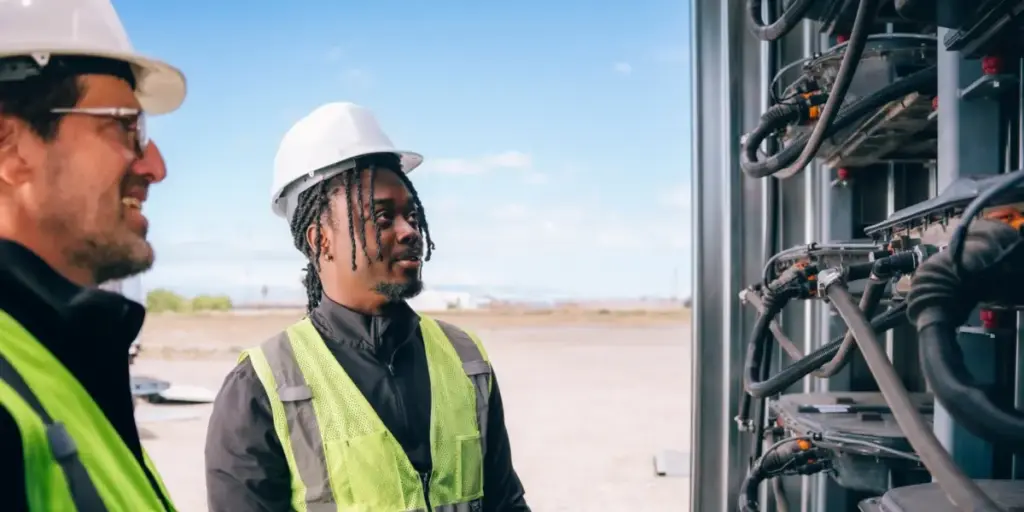
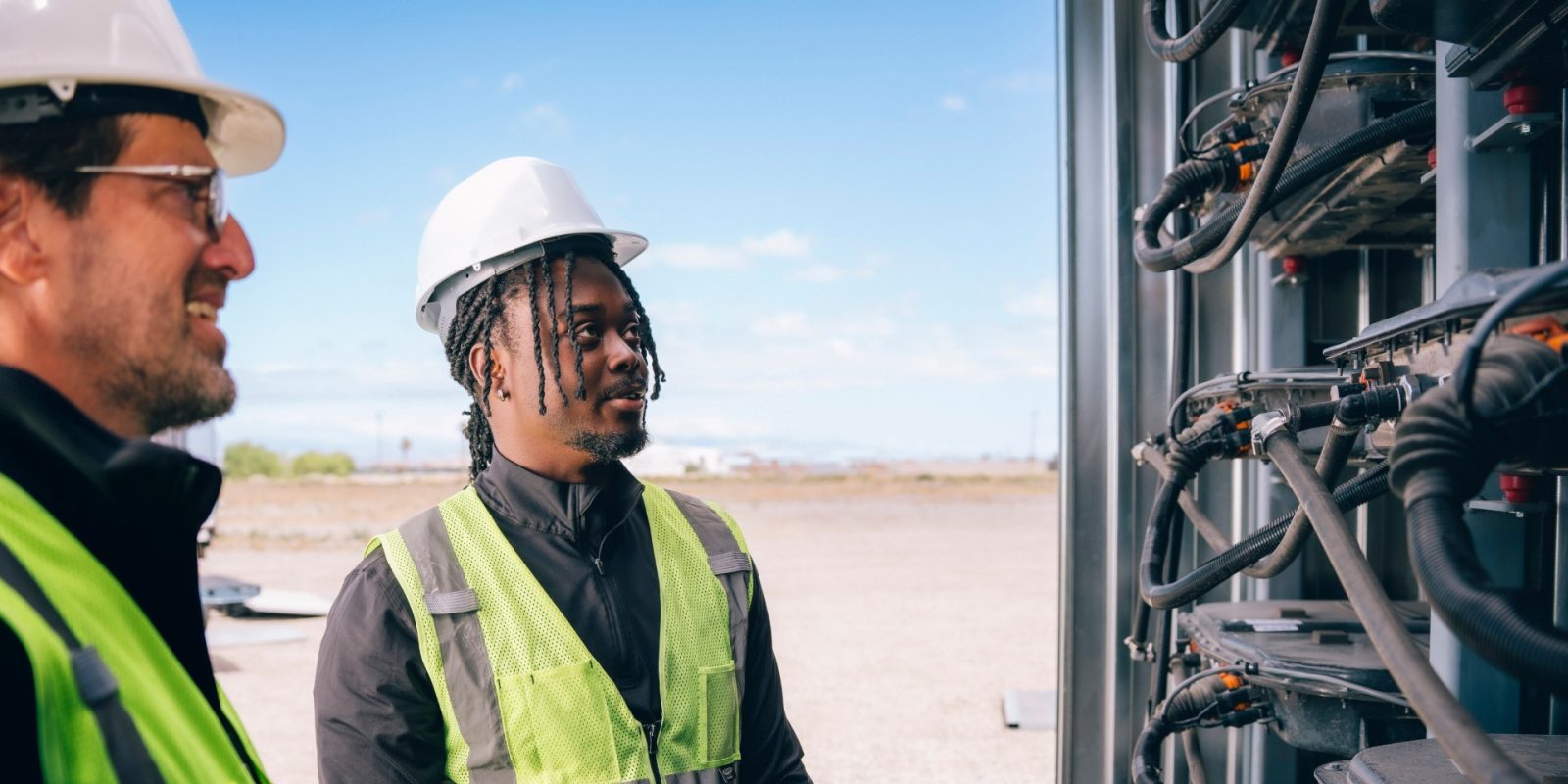
Under the new agreement, B2U Storage Solutions intercepts Waymo’s retired battery packs before they reach the recyclers. B2U specializes in the deployment of large-scale energy storage systems using retired EV batteries without requiring the costly and complex disassembly of individual battery modules.
Through B2U’s specialized hardware and software management platforms, the packs are integrated into utility-scale storage facilities located in California and Texas. These two states represent critical beachheads for energy storage: California faces intense grid stress due to heavy reliance on solar generation and aggressive decarbonization mandates, while Texas operates the independent ERCOT grid, which is notoriously susceptible to extreme weather events and rapid demand spikes.
Supporting Context & Metrics: The Economics of Circular Energy Storage
The transition from vehicle-to-recycling to vehicle-to-grid (V2G/second-life storage) is underpinned by compelling economic and technical metrics. As the global energy transition accelerates, the metrics driving the stationary storage market reveal why partnerships like Waymo and B2U’s are vital to future grid resilience.
The Capacity Retention Paradox
A common misconception among consumers is that a "dead" EV battery is completely inert. In reality, automotive manufacturers design battery management systems (BMS) with conservative safety margins. When a battery’s capacity drops to roughly 70% or 80% of its original factory rating, it is retired from automotive use to preserve driving range.

However, that remaining 70% to 80% capacity represents massive energy storage potential. For a fleet as large as Waymo’s, compounding the retired capacity of thousands of vehicles yields megawatt-hours (MWh) of potential energy storage. Tapping into this pool bypasses the immediate need to mine virgin materials, significantly lowering the carbon footprint associated with building new grid storage infrastructure.
Cost Arbitrage and Supply Chain Pressures
Constructing utility-scale energy storage systems using newly manufactured lithium-ion cells exposes developers to the volatile pricing of raw commodities, including lithium carbonate, nickel, and cobalt. Supply chain bottlenecks, geopolitical tensions, and mining constraints frequently drive up capital expenditures for renewable energy developers.
Repurposed EV batteries offer a substantial cost advantage. Because the primary manufacturing cost has already been amortized during the battery’s first life on the road, second-life batteries can be acquired at a fraction of the cost of new cells. B2U’s business model leverages this price differential, allowing the company to deliver cost-effective energy storage solutions to the market while simultaneously providing EV operators like Waymo with a sustainable, value-generating exit strategy for their legacy hardware.
Grid Stabilization in California and Texas
The geographical focus of the partnership—California and Texas—is far from accidental. Both regions feature high penetration of intermittent renewable energy sources (wind and solar) and face acute grid reliability challenges.
- California: Driven by ambitious climate goals and frequent heatwaves that strain the grid, California regularly experiences the "duck curve"—a phenomenon where solar generation peaks during midday when demand is low, followed by a steep ramp-up in demand in the evening just as solar generation drops off. Stationary storage systems powered by second-life EV batteries absorb this excess midday solar energy and discharge it during peak evening hours.
- Texas: The Electric Reliability Council of Texas (ERCOT) manages a deregulated, isolated grid that has experienced severe stress during winter freezes and scorching summer heat domes. Fast-responding battery storage is essential for maintaining frequency regulation and preventing rolling blackouts. Integrating retired Waymo batteries into the ERCOT footprint adds crucial localized buffering capacity.
Official Statements and Industry Perspective
Leadership from both companies emphasized the strategic, long-term vision behind the collaboration, highlighting both corporate responsibility and economic viability.
Freeman Hall, CEO of B2U Storage Solutions, pointed out the operational synergy of the partnership:

"By extending the use of these batteries as grid storage, we are monetizing the full potential of EV batteries, now providing crucial stability to the power grid as energy demand continues to grow."
Hall’s remarks underscore the shift in how tech and energy sectors view industrial waste. What was once considered a disposal liability is now being reframed as a high-value asset capable of generating recurring economic returns while reinforcing public infrastructure.
Echoing this sentiment, Adam Lenz, Head of Sustainability and Environment at Waymo, emphasized the brand’s commitment to holistic environmental stewardship:
"Through this partnership, we can repurpose our batteries for local grid storage and ensure our batteries continue to provide economic and environmental value to the community long after they’ve retired from the road."
Lenz’s statement highlights Waymo’s broader corporate sustainability goals. As autonomous vehicle fleets scale globally, proving that autonomous mobility can coexist with—and actively support—clean energy infrastructure is vital for securing regulatory approval and public buy-in.
Future Outlook: Scaling the Second-Life Ecosystem
The Waymo and B2U partnership serves as a bellwether for the broader transportation and energy sectors. As commercial electric fleets—including delivery vans, public transit buses, and autonomous robotaxis—proliferate over the next decade, the volume of retired EV batteries will grow exponentially.

The Roadmap Ahead: From Thousands to Millions of Packs
While the current initiative focuses on integrating Waymo’s initial waves of retired robotaxi packs in California and Texas, industry analysts predict that this model will rapidly scale. B2U has projected that successful execution of this partnership could eventually transition thousands of retired battery packs out of the transport sector and permanently into the power sector.
Furthermore, as second-life battery management standards mature, regulatory bodies are likely to introduce supportive frameworks that incentivize circular economy practices. Standardized testing protocols, streamlined transport regulations for used battery modules, and tax incentives for grid operators utilizing repurposed storage could further accelerate adoption.
Eventual Recycling: Delay, Not Denial
It is important to note that second-life storage is not a permanent alternative to recycling; rather, it is an extension mechanism. Once a battery pack has exhausted its utility in a stationary energy storage system—potentially operating for an additional 5 to 10 years—it will still be routed to specialized recycling facilities.
However, by extracting a decade or more of additional productive work from the chemistry before recycling, the lifecycle carbon intensity of the battery is drastically reduced. When the pack finally reaches a recycler, the extraction of raw materials will occur at a time when recycling technologies are likely to be even more advanced, efficient, and economically viable than they are today.
Conclusion
The collaboration between Waymo and B2U Storage Solutions represents a maturation of the clean tech ecosystem. By bridging the gap between autonomous mobility and grid infrastructure, the two companies have demonstrated that the transition to sustainable energy does not end when a vehicle leaves the road. Through innovative engineering, strategic market positioning, and a commitment to circular resource management, retired robotaxi batteries are poised to keep the lights on in homes across California and Texas, proving that the future of power is as smart as the vehicles driving us into it.



