


Executive Overview
The global movement for ocean conservation has reached a critical juncture in the British Isles, as ambitious new proposals take shape to secure formal protection for nearly a third of the waters surrounding Sark. Highlighted recently through discussions with the Blue Marine Foundation and regional broadcasters like BBC Radio Guernsey, these plans represent a monumental step forward for marine biodiversity in the Channel Islands.
Under the newly outlined initiatives, the island of Sark could soon designate up to 30% of its surrounding marine territory as a formal Marine Protected Area (MPA). This strategic move is designed to halt habitat degradation, enhance climate resilience, rebuild depleted fish stocks, and preserve the unique coastal heritage of the region for future generations. As human pressures on the marine environment mount—ranging from intensive commercial fishing to the escalating impacts of climate change—the establishment of these protected zones serves as a crucial defensive line for vulnerable ecosystems.
Conservationists emphasize that this is not merely an environmental crusade, but an essential investment in the long-term socio-economic stability of the island community. By placing Sark firmly on the international marine conservation map, the initiative promises to align local waters with global biodiversity targets, demonstrating that even smaller island communities can spearhead outsized, impactful environmental stewardship.
Detailed Chronology: The Path to Marine Protection in the Channel Islands
The journey toward establishing robust marine protections around Sark and the broader Channel Islands has been characterized by meticulous scientific assessments, grassroots advocacy, and growing political awareness of the fragility of local marine habitats.
The Early Foundation: Recognizing Regional Vulnerability
Years prior to the current 30% proposal, marine scientists and local conservation groups identified significant gaps in the regulatory frameworks governing the Channel Islands’ inshore waters. While terrestrial environments enjoyed various forms of planning controls and protection, the surrounding seas were often viewed through the lens of open exploitation. Recognizing the rapid decline in local biodiversity—driven by bottom-trawling, dredging, and unregulated coastal activities—environmental organizations began lobbying for coordinated regional management.
Engaging Stakeholders and Building Coalitions
As momentum gathered, organizations such as the Blue Marine Foundation intensified their presence in the British Isles. Project managers and marine biologists began engaging directly with local fishers, government officials, and community stakeholders. The goal was to dispel the misconception that marine protection is inherently punitive to local livelihoods. Instead, extensive consultations were initiated to demonstrate how well-managed MPAs could ultimately benefit fishers by acting as nurseries and spillover zones that replenish surrounding commercial fishing grounds.
The Turning Point: Aligning with Global Targets
The ambition to protect 30% of Sark’s waters mirrors the international "30×30" pledge—a global initiative committed to safeguarding at least 30% of the world’s land and ocean by 2030. As policy discussions matured, regional media outlets, notably BBC Radio Guernsey, began spotlighting the initiative, bringing the debate out of specialized scientific committees and into living rooms across the Bailiwick. Freddie Watson, Channel Islands project manager for the Blue Marine Foundation, emerged as a leading voice in these broadcasts, articulating a clear vision for how formal protection could be structurally achieved and legally enforced.

Supporting Context & Metrics: Why Sark’s Waters Matter
To fully appreciate the significance of the proposed 30% protection framework, one must examine the unique ecological characteristics of the Channel Islands’ marine environment and the mounting pressures it faces.
A Biodiversity Hotspot
Sark’s coastal waters are characterized by extreme tidal ranges, nutrient-rich currents, and complex rocky reefs. These dynamic physical conditions create a haven for an extraordinarily diverse array of marine life. From delicate cold-water corals and expansive maerl beds—which act as vital carbon sinks—to commercial species like lobster, crab, and various finfish, the ecosystem is both exceptionally rich and remarkably fragile.
- Maerl Beds and Carbon Sequestration: Slow-growing calcareous red algae known as maerl form extensive underwater carpets around parts of the Channel Islands. These habitats provide critical nursery grounds for juvenile fish and invertebrates while playing an understated role in global carbon sequestration.
- The Vulnerability of Benthic Communities: Mobile bottom-fishing gear, such as dredges and heavy trawls, can devastate benthic (seabed) communities in minutes, destroying structures that have taken centuries to form. Formal MPA designation aims to restrict or entirely ban these destructive practices within designated zones.
The Global 30×30 Framework
The push to protect 30% of marine areas is backed by an overwhelming body of scientific consensus. Research consistently demonstrates that fully or highly protected marine reserves allow ecosystems to recover from overexploitation at astonishing rates. Fish biomass within protected zones often increases exponentially, spilling over into adjacent areas and supporting sustainable fisheries over the long term. By integrating Sark into this paradigm, local advocates are ensuring that the island punches above its weight in global environmental conservation.
Official Statements and Expert Perspectives
The advocacy surrounding Sark’s marine protection initiative has drawn vital commentary from conservation leaders and media figures alike, emphasizing both the urgency and the historic nature of the undertaking.
Speaking on the motivations behind the initiative, Freddie Watson, Channel Islands project manager for the Blue Marine Foundation, highlighted the transformative nature of the policy:
"A formal Marine Protected Area would place Sark firmly on the global marine protection map, ensuring its waters are safeguarded in the long term, benefitting nature, climate and generations to come."
This sentiment underscores the core philosophy of the Blue Marine Foundation: that robust, legally binding protections are the only reliable defense against the compounding crises of biodiversity loss and climate change. Watson’s engagement through regional platforms like BBC Radio Guernsey has been instrumental in demystifying the technical aspects of marine zoning for the general public, reframing environmental regulation as a generational duty.
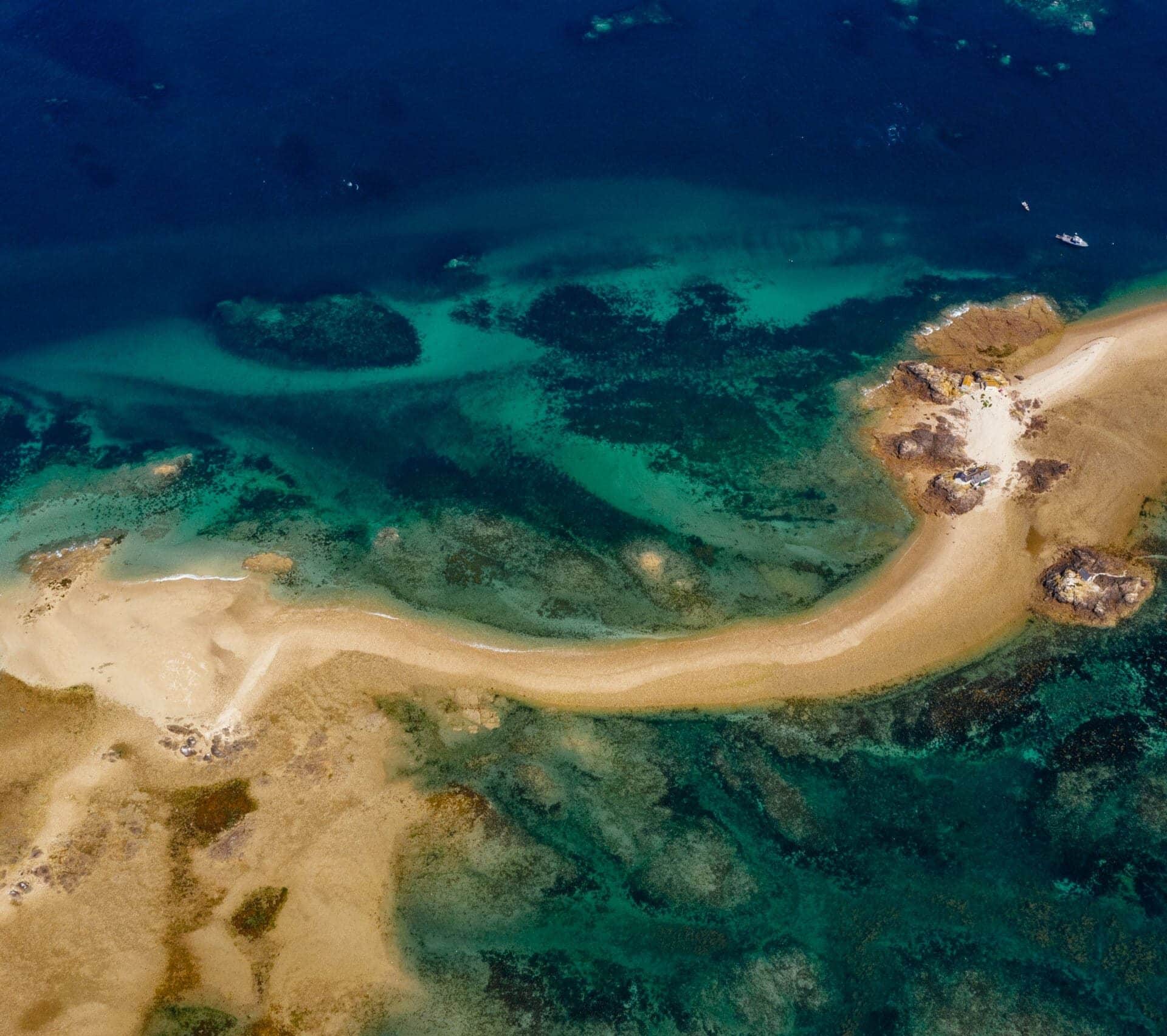
Further expert commentary collected during recent broadcasts points to the cascading benefits of marine sanctuaries. Fisheries scientists note that when habitats are left undisturbed, the average size, age, and reproductive capacity of marine species increase dramatically. For an island community inextricably linked to the sea—whether through tourism, recreation, or artisanal fishing—the restoration of these natural buffers provides an invaluable safeguard against environmental uncertainty.
Future Outlook: Challenges and Next Steps
While the proposal to protect 30% of Sark’s waters represents a major milestone, translating ambition into permanent, legally enforced reality will require navigating complex administrative, social, and economic hurdles.
Regulatory Implementation and Enforcement
Designating an MPA on paper is only the first step. The island’s governing bodies, in collaboration with marine scientists and environmental NGOs, must draft precise legislative frameworks that define the exact boundaries of the protected zones, permissible activities, and enforcement mechanisms. Given the vastness of the sea and the limited resources typically available to smaller island administrations, developing cost-effective, tech-enabled monitoring systems—such as satellite tracking and remote surveillance—will be paramount to preventing illegal incursions by commercial vessels.
Fostering Community Consensus
Long-term success depends heavily on the continued buy-in of local stakeholders. Ongoing dialogue with fishers, tourism operators, and residents is vital to ensure that conservation rules are viewed as equitable and transparent. Initiatives that incorporate local traditional knowledge into marine management plans have historically proven the most resilient, fostering a sense of shared ownership over the health of the marine estate.
A Beacon for Regional Conservation
If successfully realized, Sark’s 30% marine protection plan could serve as a powerful blueprint for neighboring islands and jurisdictions across the British Isles and beyond. It proves that ambitious conservation is not the exclusive domain of large nation-states; smaller communities, driven by proactive leadership and scientific clarity, can take decisive action to protect the natural world.
As discussions continue and the policy frameworks evolve, all eyes remain fixed on Sark. The decisions made in the coming months will reverberate far beyond the island’s shores, charting a sustainable course for the future of our shared oceans.



