

Date: September 28, 2026
Source: Blue Marine Foundation
Executive Overview
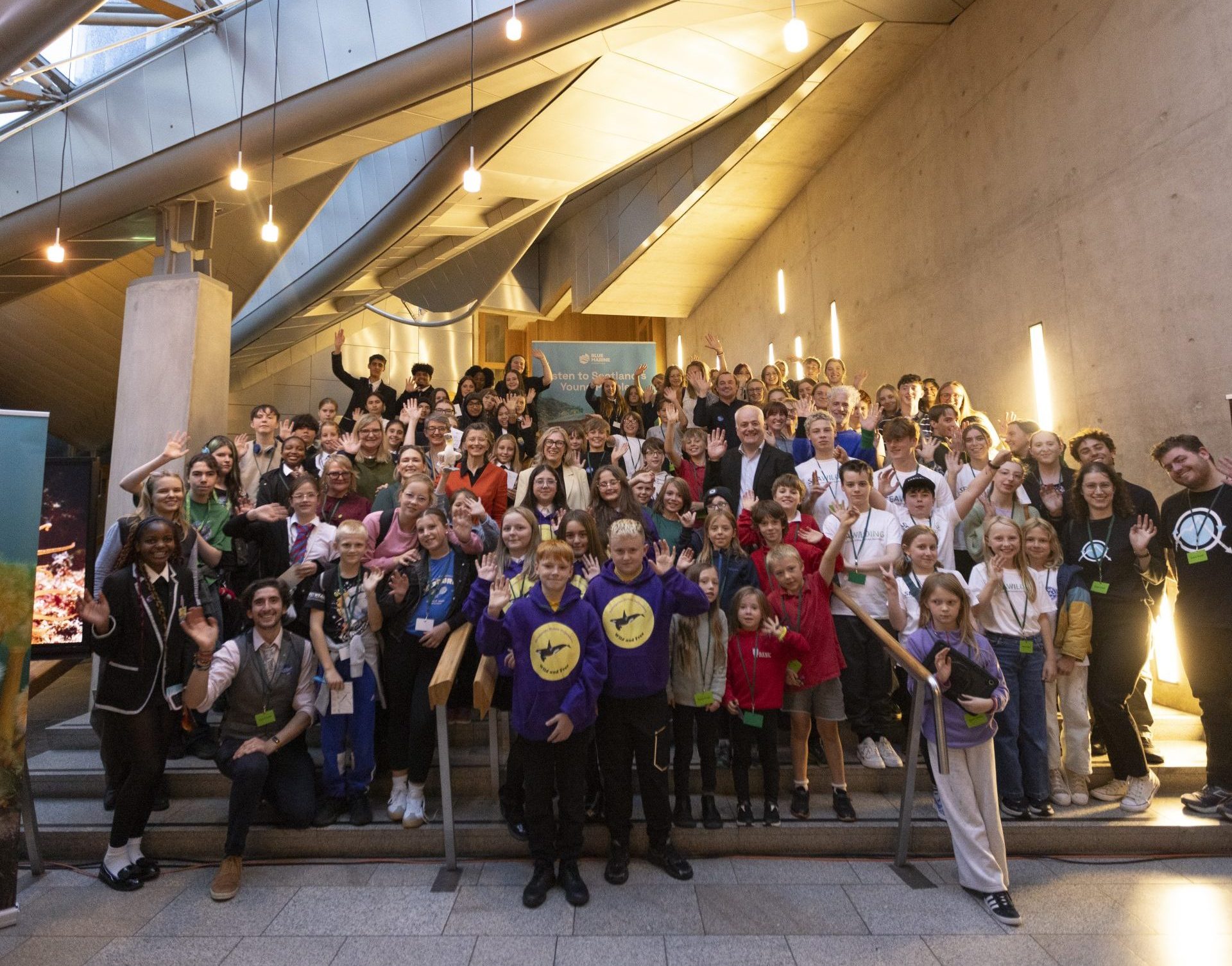
In a powerful display of youth-led advocacy, the Scottish Parliament recently played host to a pivotal event that brought the future of Scotland’s marine ecosystems directly to the desks of lawmakers. Titled “Future Seas: Young People’s Perspectives,” the high-profile gathering was jointly hosted by the Blue Marine Foundation and Mark Ruskell MSP. It convened a dynamic coalition of cross-party parliamentarians, leading conservationists, and impassioned young ocean advocates inside Holyrood.
The timing of the event was far from accidental. It arrived hot on the heels of a major Scottish Government announcement launching a comprehensive consultation on fisheries management measures. This consultation targets 76 Marine Protected Areas (MPAs) and 90 proposed Priority Marine Feature (PMF) management zones scattered along Scotland’s rugged coastline. For over a decade, many of these designated "protected" zones have remained legally open to destructive industrial fishing practices—specifically bottom trawling and hydraulic dredging. Consequently, the rare species and fragile habitats these sites were originally established to shield have suffered continuous degradation and alarming population declines.
By bridging the gap between decision-makers and the generation that will inherit these coastal waters, the "Future Seas" reception injected a vital human element into dry bureaucratic proceedings. Featuring evocative artwork, deeply personal messages, and firsthand testimonies from young scientists and campaigners, the event reinforced a singular, urgent message: Scotland’s marine environment requires immediate, ambitious, and uncompromised legal protection to safeguard wildlife, secure sustainable livelihoods, and honor the rights of future generations.
Detailed Chronology & Event Highlights
The "Future Seas" initiative represents the culmination of months of grassroots engagement, creative expression, and strategic lobbying coordinated by the Blue Marine Foundation alongside environmental allies.
The Lead-Up: Mobilizing Youth Voices Across Scotland
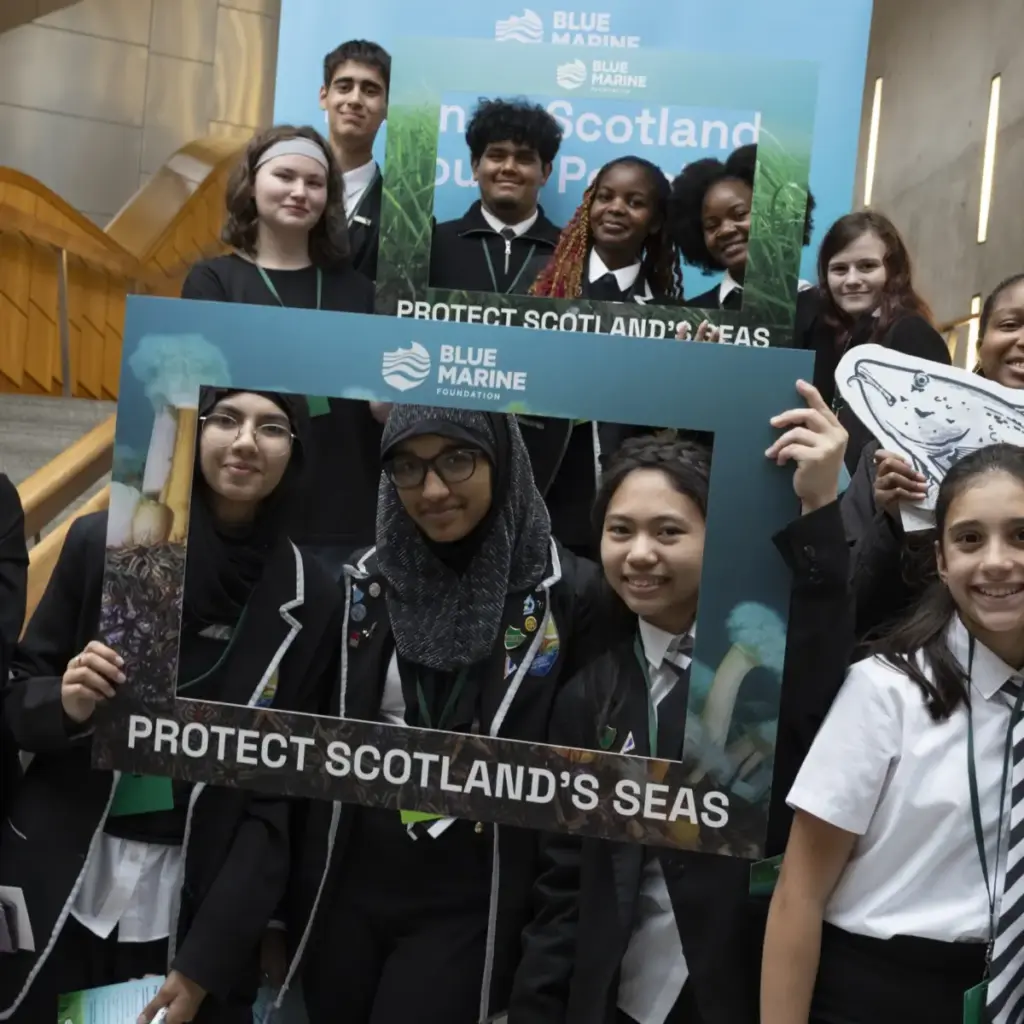
In the weeks leading up to the Holyrood reception, more than 100 young people hailing from communities across Scotland mobilized to make their voices heard. Eschewing traditional, dense policy documents, these young advocates chose creativity as their primary medium. They contributed intricate artwork, hand-painted postcards, and emotionally resonant personal letters articulating what Scotland’s seas mean to them personally.
These submissions formed a vibrant visual tapestry that framed the parliamentary event, offering visiting Members of the Scottish Parliament (MSPs) a tangible reminder of what is at stake. The messaging centered on the intrinsic value of marine biodiversity, the cultural heritage of Scottish coastal communities, and an underlying anxiety regarding the escalating threats posed by climate change and destructive industrial fishing.
Inside Holyrood: A Bipartisan Gathering
On the day of the event, the Scottish Parliament building buzzed with rare bipartisan energy. Ministers and MSPs from across the political spectrum turned out in impressive numbers, moving past typical legislative divides to engage warmly and openly with the youthful delegation. Attendees walked among the youth-crafted displays, pausing to listen attentively as young advocates explained the ecological significance of the sea and voiced their deep-seated concerns over ongoing environmental degradation.
The formal program featured a compelling lineup of speakers who bridged the gap between scientific reality, artistic vision, and political responsibility:
- Mark Ruskell MSP (Mid-Scotland and Fife), who co-hosted the event and has long championed progressive environmental policies in the Scottish Parliament.
- Gillian Martin MSP, Cabinet Secretary for Climate Action and Rural Affairs, who listened to the concerns of the younger generation and acknowledged the weight of upcoming policy decisions.
- Gordon Buchanan, renowned wildlife filmmaker and broadcaster, who drew on his extensive field experience to illustrate the breathtaking beauty—and heartbreaking vulnerability—of Scotland’s coastal habitats.
- Lorna Farquhar, an emerging young ocean scientist who articulated the rigorous scientific imperative for safeguarding marine ecosystems against long-term ecological collapse.
Speakers consistently underscored that the decisions made by Holyrood today will dictate the ecological health of Scottish waters for decades to come, framing the current consultation window as a historic test of political will.
Supporting Context & Metrics: The Crisis in Our Marine Protected Areas
To fully understand the gravity of the "Future Seas" event, one must examine the stark ecological and regulatory backdrop against which it was staged.
The Illusion of Protection
Scotland boasts a vast network of Marine Protected Areas (MPAs) designed to safeguard everything from cold-water coral reefs and maerl beds to vital spawning grounds for commercially and ecologically vital fish stocks. However, a glaring regulatory loophole has undermined these conservation efforts since their inception. When many of these sites were designated more than ten years ago, restrictions on industrial fishing methods were omitted or heavily delayed.
To this day, a significant portion of Scotland’s designated MPAs and PMF management areas remain entirely open to bottom trawling and dredging. These heavy industrial fishing gears drag across the seabed, effectively clear-cutting underwater forests, crushing fragile benthic organisms, and stirring up carbon stored safely in marine sediments.
Independent marine scientists and conservation NGOs have repeatedly pointed out the contradiction: calling an area "protected" while legally permitting industrial activities that actively destroy its foundational habitats creates a false sense of security. Over the past decade, monitoring reports have shown that the very species and habitats targeted for conservation within these zones have continued to struggle, suffering from chronic habitat fragmentation and population declines.
The New Consultation: A Once-in-a-Generation Opportunity
The Scottish Government’s newly launched consultation—unveiled just two days prior to the Holyrood event—seeks to rectify these historic shortcomings. The consultation document outlines proposed fisheries management measures across 76 MPAs and 90 Priority Marine Feature management areas.
This comprehensive review represents a critical juncture for marine governance in Scotland. It offers a formal, democratic mechanism through which citizens, scientists, fishers, and conservationists can demand the exclusion of damaging bottom-trawling gear from sensitive ecological zones.
Crucially, the consultation is not just open to corporate stakeholders or academic experts; it is open to the general public. Every individual, regardless of age, has the legal right and opportunity to input their views and influence the ultimate policy outcome. The consultation window remains open until January 18, 2027, giving civil society ample time to organize, educate, and submit evidence-based responses.
Official Statements and Perspectives
The synergy between the political leadership, conservation advocates, and youth delegates was captured in the statements released following the event:
-
Mark Ruskell MSP emphasized the unique nature of the youth-led mobilization:
"It has been truly inspiring to welcome so many young ocean advocates to Holyrood today. The creativity, intelligence, and passion they have poured into their artwork and messages remind us all why we are here. Our seas are a priceless national asset, but they are deeply vulnerable. The enthusiasm shown by parliamentarians from all parties today proves that there is a genuine appetite to listen to the next generation. We must now turn that listening into decisive legislative action."
-
Cabinet Secretary Gillian Martin addressed the policy implications and the government’s path forward:
"Scotland’s marine environment is central to our national identity, our economy, and our fight against climate change. The launch of our new fisheries management consultation is a critical step in ensuring our Marine Protected Areas deliver real, tangible conservation benefits. Engaging directly with young people today reinforces our responsibility to strike the right balance—protecting our vulnerable marine habitats while supporting sustainable, low-impact coastal communities for the future."
-
Wildlife filmmaker Gordon Buchanan spoke on the intrinsic value of Scotland’s underwater realms:
"When you spend your life filming the natural world, you realize very quickly that everything is connected. What happens beneath the surface of Scotland’s seas directly dictates the richness of our wildlife on land and along our shores. For too long, we have turned a blind eye to the quiet destruction happening on our seabed. Seeing these young people step up with such clarity and conviction gives me immense hope that we can reverse this trend before it is too late."
-
Young ocean scientist Lorna Farquhar highlighted the scientific consensus:
"Science tells us unequivocally that healthy seas are resilient seas. When we allow heavy bottom trawling to continually disrupt fragile benthic habitats, we strip the ocean of its ability to recover from climate shocks. We are not asking for the impossible; we are simply asking our leaders to use the science available to them, close the loopholes in our protected areas, and give marine life a fighting chance."
Future Outlook: The Road to January 2027 and Beyond
The "Future Seas" event was much more than a symbolic reception; it marked the official opening salvo of a concerted, long-term campaign to secure robust marine governance in Scotland.
Blue Marine Foundation’s Strategic Vision
In response to the government’s consultation, the Blue Marine Foundation has outlined a clear, pragmatic path forward. The organization is actively campaigning for:
- Ambitious, Uncompromising Protection: Complete exclusion of damaging industrial bottom trawling and dredging from all designated MPAs and Priority Marine Feature sites where vulnerable habitats are at risk.
- Support for Sustainable Livelihoods: Safeguarding and encouraging small-scale, low-impact coastal fishing operations that work with the marine ecosystem rather than against it, ensuring that traditional coastal communities can thrive economically.
- Empowering the Next Generation: Providing dedicated guidance, educational resources, and institutional support to help young people, schools, and coastal communities navigate the complex government consultation process.
By bridging grassroots activism with high-level policy engagement, Blue Marine aims to ensure that the public consultation does not become a mere bureaucratic exercise, but rather a turning point for Scottish marine conservation.
How to Participate
With the consultation window remaining open until January 18, 2027, the pressure is now on civil society to make its voice heard. Environmental groups are urging citizens of all ages to visit the Scottish Government’s official consultation webpage, review the proposed management measures for local coastal waters, and submit formal responses.
As the echoes of the youth-led debates fade from the stone halls of Holyrood, the fundamental challenge remains clear: Scotland possesses the legal tools, the scientific data, and the passionate public mandate required to heal its seas. Whether policymakers possess the political courage to enact true, uncompromised protection will define the legacy of Scottish marine conservation for generations to come.



