

Executive Overview
Few rituals at the end of a long, demanding day rival the simple, restorative pleasure of sliding beneath crisp, freshly laundered sheets. That nightly decompression is elevated even further when cocooned in loungewear that feels exceptional against the skin—and carries an even better environmental conscience. Yet, for decades, the sleepwear industry has operated on a foundational paradox: while designed to comfort us through the night, conventional pyjamas have historically cost the Earth.
Beneath the glittering surface of the fast-fashion sleepwear market lies an invisible web of environmental degradation and labor exploitation. The vast majority of commercially available pyjamas are spun from synthetic polymers like polyester, nylon, and acrylic. Derived directly from fossil fuels, these materials shed microscopic plastic microfibers with every wash, polluting our marine ecosystems. Worse still, synthetics lack the breathability required for optimal thermoregulation, trapping heat and leaving sleepers tossing, turning, and uncomfortable throughout the night.
Parallel to these ecological impacts are deep-seated human rights concerns. The global garment supply chain is notoriously opaque, frequently relying on underpaid workers trapped in precarious, unregulated environments devoid of health and safety standards. Furthermore, high-end sleepwear is often quietly plagued by animal-derived components, from traditional silk harvested through cruel practices to mother-of-pearl buttons that slip past well-intentioned consumers looking to avoid animal exploitation.
Enter the conscious sleepwear movement. Driven by a surging consumer demand for radical transparency, a new vanguard of ethical brands is redefining what it means to get a good night’s rest. By leveraging plant-based, biodegradable fibers, upholding rigorous labor standards, and committing to circular production systems, these brands prove that style, comfort, and sustainability can coexist harmoniously.
This comprehensive guide—curated and backed by the rigorous ratings methodology of Good On You—explores what to look for when investing in ethical pyjamas and highlights the top-rated brands leading the charge toward a cleaner, kinder future in sleep.
Detailed Chronology: The Evolution of Conscious Sleepwear
To understand how the sustainable sleepwear market reached its current renaissance, it is necessary to trace the historical trajectory of fabric production, labor advocacy, and environmental consciousness within the broader fashion industry.
The Mid-20th Century: The Synthetic Boom
Following the Second World War, the textile industry underwent a radical revolution. The invention and mass commercialization of synthetic fibers—most notably polyester and nylon—promised consumers an era of wrinkle-free, inexpensive, and durable clothing. Pyjamas transitioned rapidly from traditional woven cottons and flannels to petroleum-based synthetics. At the time, the environmental cost of extracting fossil fuels and the non-biodegradable nature of plastics were largely unconsidered, and synthetic sleepwear quickly dominated the global market due to its low production costs.
The Late 1990s to Early 2000s: Awakening to Supply Chain Realities
As globalization accelerated apparel manufacturing, outsourcing production to developing nations with lax labor laws became standard industry practice. Disasters such as factory fires and structural collapses gradually brought the harsh realities of fast-fashion supply chains into public consciousness. Concurrently, early scientific warnings regarding microplastic pollution began to surface, linking the routine washing of synthetic garments to the accumulation of plastic particles in oceans and waterways. Consumers and activists alike began demanding accountability, laying the groundwork for modern ethical fashion directories and grading systems like Good On You, which launched to demystify brand claims and evaluate apparel impacts across people, the planet, and animals.
The 2010s: The Rise of Plant-Based Innovation and Certification
During the 2010s, material science made significant strides. Innovations like TENCEL Lyocell—derived from sustainably managed wood sources processed in a closed-loop system—and organically grown bamboo gained traction as viable, luxurious alternatives to both silk and synthetics. Independent certifications such as the Global Organic Textile Standard (GOTS) and Fair Trade USA matured, providing verifiable benchmarks for organic agriculture and ethical labor practices. Brands began specializing explicitly in loungewear and sleepwear that prioritized ecological integrity without sacrificing tactile comfort.
2020 to Present: The Mainstreaming of Conscious Comfort
The COVID-19 pandemic catalyzed a cultural shift toward home-centric living, causing an unprecedented surge in demand for loungewear and sleepwear. Consumers forced to spend months indoors re-evaluated their wardrobes, prioritizing comfort, health, and values-aligned purchasing. Today, sustainable sleepwear is no longer a fringe market segment; it is a thriving, highly scrutinized sector of the ethical fashion movement. Brands are continuously evaluated, updated, and rated on their transparency, ensuring that consumers can make truly informed purchasing decisions.
Supporting Context & Metrics: What to Consider When Buying Sustainable Pyjamas
Navigating the landscape of ethical sleepwear requires looking beyond marketing buzzwords like "eco-friendly" or "natural." To ensure your next pyjama purchase genuinely aligns with your values, evaluate potential additions to your wardrobe against three foundational pillars: materials, labor ethics, and animal welfare.
+-------------------------------------------------------------------------+
|                  THE THREE PILLARS OF ETHICAL SLEEPWEAR                 |
+------------------------------------+------------------------------------+
| PILLAR                             | KEY CONSIDERATIONS                 |
+------------------------------------+------------------------------------+
| 1. Sustainable Materials           | - Opt for GOTS-certified organic   |
|                                    |   cotton, linen, TENCEL Lyocell,   |
|                                    |   or organically grown bamboo.     |
|                                    | - Avoid fossil-fuel synthetics     |
|                                    |   (polyester, nylon) that trap     |
|                                    |   heat and shed microplastics.     |
+------------------------------------+------------------------------------+
| 2. Labor Rights & Fair Wages       | - Verify living wages, financial   |
|                                    |   security, and safe working       |
|                                    |   conditions.                      |
|                                    | - Check brand transparency via     |
|                                    |   directory ratings.               |
+------------------------------------+------------------------------------+
| 3. Animal Welfare                  | - Avoid conventional silk and      |
|                                    |   subtle animal byproducts like    |
|                                    |   mother-of-pearl buttons.         |
|                                    | - Choose plant-based alternatives. |
+------------------------------------+------------------------------------+
1. Material Matters: Temperature Regulation Meets Planetary Health
The choice of fabric dictates both your comfort during the night and the garment’s environmental footprint. Synthetic materials like polyester and nylon are hydrophobic; they do not absorb moisture well and lack breathability. This traps body heat, frequently causing night sweats and restless sleep. Furthermore, every time synthetic garments are laundered, thousands of microfibers are released into greywater systems, eventually infiltrating marine food webs.
In contrast, plant-based and regenerative fibers offer superior thermoregulation.
- Organic Cotton: Grown without toxic synthetic pesticides or fertilizers, organic cotton preserves soil health and protects agricultural workers’ health. Look for GOTS certification to guarantee organic integrity from seed to garment.
- Linen: Crafted from flax plants, linen requires minimal water to grow and becomes softer with every wash while naturally wicking away moisture.
- Bamboo & TENCEL Lyocell: These semi-synthetic cellulosic fibers offer an exceptionally silky drape, making them sublime alternatives to traditional silk. When produced using closed-loop systems—where solvents are recycled rather than released into the environment—their ecological impact is drastically reduced.
2. Labor Standards: Protecting the Hands That Made Your Clothes
A truly sustainable garment must be ethical across every stage of its creation. When evaluating sleepwear brands, investigate their labor practices. Are garment workers paid a living wage—not merely a legal minimum wage, which often falls short of covering basic living expenses? Do they enjoy job security, freedom of association, and safe, well-ventilated working conditions?
Independent ratings directories, such as Good On You, assess brands based on robust data regarding supply chain auditing, supplier relationships, and worker empowerment. If a brand’s labor policies remain opaque, do not hesitate to reach out directly to customer service or consult their corporate social responsibility disclosures.
3. Animal Welfare: Spotting Hidden Animal Byproducts
While many consumers consciously avoid obvious animal-derived materials like conventional silk, wool, or down, subtle animal components often slip past even seasoned shoppers. High-end pyjamas frequently feature mother-of-pearl buttons, which are harvested from mollusk shells. To maintain a strictly cruelty-free sleep routine, opt for buttons fashioned from corozo nuts, wood, or recycled plant-based resins, and substitute silk sets with buttery-soft modal, TENCEL, or bamboo alternatives.
Curated Brand Directory: Top-Rated Sustainable Sleepwear Labels
To help you navigate your next purchase, Good On You editors have curated a selection of brands rated "Good" or "Great" against rigorous sustainability criteria. Whether you are looking for luxurious matching sets, plant-dyed organics, or cozy children’s pyjamas, these brands offer peaceful nights with a clean conscience.
1. Sustain by Kat
- Focus: Timeless organic women’s and children’s clothing, dyed exclusively with plants.
- Sustainability Credentials: Sustain by Kat demonstrates a profound commitment to environmental stewardship. The brand utilizes GOTS-certified organic cotton, ensuring chemical-free agriculture. Crucially, they eschew toxic synthetic chemical dyes in favor of lower-impact, plant-based colorways. This practice protects waterways from toxic runoff and ensures that no harsh chemical residues come into contact with your skin during sleep.
- Size Range: XS–XL
- Ethical Verdict: A premier choice for those seeking truly chemical-free, earth-nurturing garments.
2. Boody
- Focus: Comfort-first everyday essentials and luxurious bamboo loungewear.
- Sustainability Credentials: Founded in Australia by two best friends, Boody centers its philosophy on health, comfort, and environmental responsibility. Their garments are crafted from organically grown bamboo, cultivated without harmful pesticides. Boody actively minimizes textile waste through advanced, lower-waste cutting techniques and operates a closed-loop manufacturing system that recycles water and processing agents.
- Size Range: XS–4XL
- Ethical Verdict: Exceptionally soft, highly inclusive sizing, and rigorous closed-loop production make Boody a stellar option for everyday sleep essentials.
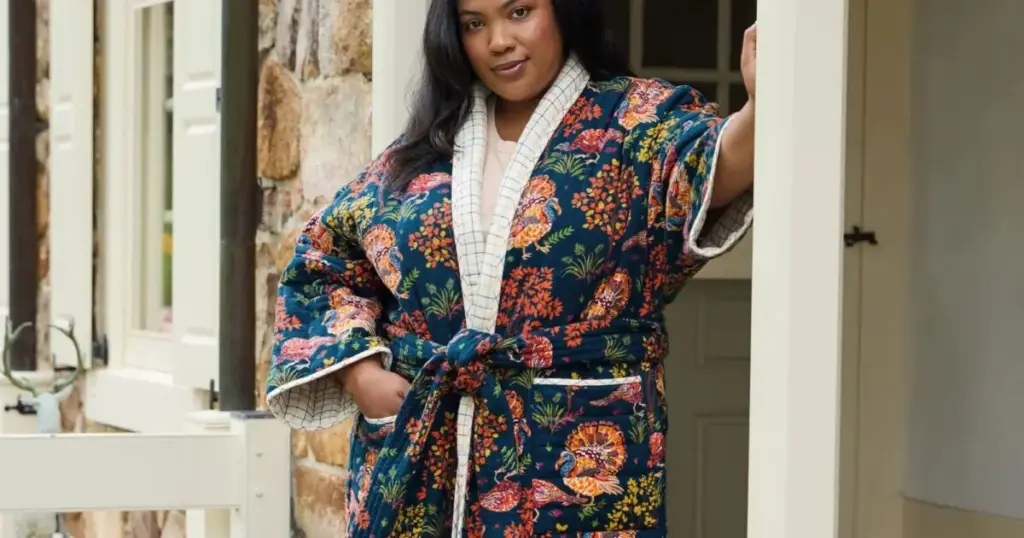
3. Printfresh
- Focus: Vibrant, pattern-rich sleepwear, apparel, and home decor inspired by flora and fauna.
- Sustainability Credentials: Based in the United States and founded in 2016 by textile designer Amy Voloshin and her husband Leo Voloshin, Printfresh operates as a majority woman-owned business. Known for its whimsical, hand-screenprinted motifs, the brand combines bold artistic expression with mindful production practices, offering expanded size inclusivity that champions bodies of all shapes.
- Size Range: 2XS–6XL
- Ethical Verdict: Ideal for sleepers who refuse to sacrifice vibrant personality and bold prints for sustainability.
4. Noctu
- Focus: Minimalist, luxuriously soft organic cotton nightwear and loungewear from the UK.
- Sustainability Credentials: Noctu bridges the gap between simplicity and uncompromised comfort. Specializing in clean, uncluttered silhouettes, the brand relies exclusively on high-grade organic cotton that caresses the skin without synthetic irritants. Their timeless designs encourage a slower consumption cycle, discouraging fast-fashion trend turnover.
- Size Range: S–L
- Ethical Verdict: Perfect for adherents of minimalist aesthetics who value pure, unadorned organic cotton against their skin.
5. CASAGiN
- Focus: Conscious Italian apparel designed to foster sustainable living from the closet outward.
- Sustainability Credentials: Hailing from Italy, CASAGiN infuses classic European design sensibilities with ethical accountability. Their sleep and loungewear lines prioritize eco-friendly, biodegradable, and regenerated fibers, ensuring that style never supersedes ecological responsibility.
- Size Range: XS–2XL
- Ethical Verdict: Elegant, conscious Italian craftsmanship designed for the discerning slow-fashion enthusiast.
6. Aiayu
- Focus: Danish luxury building blocks for a conscious home and wardrobe.
- Sustainability Credentials: Established in 2015, Danish luxury brand Aiayu operates on the philosophy that a product’s origin, sustainable production methods, and environmental lifecycle are just as vital as its visual aesthetics. Aiayu creates enduring, high-quality garments with meticulous care for the environment, the artisans who craft them, and the individuals who wear them.
- Size Range: XS–L
- Ethical Verdict: The epitome of Scandinavian luxury paired with uncompromising ethical integrity.
7. Mightly
- Focus: Fair Trade Certified organic cotton children’s pyjamas, tees, and hoodies.
- Sustainability Credentials: Sustainability starts early, and Mightly ensures the youngest sleepers are wrapped in ethical comfort. Operating out of Fair Trade USA-certified facilities, Mightly constructs its children’s wear lines using a high proportion of GOTS-certified organic cotton. Their garments are designed for durability, capable of withstanding rough-and-tumble play and repeated laundering.
- Ethical Verdict: An outstanding, certified choice for parents seeking safe, ethical, and durable sleepwear for children.
Future Outlook: The Horizon of Conscious Sleepwear
As the sustainable fashion movement matures, the future of sleepwear points toward even greater technological innovation and structural accountability. Several emerging trends are set to redefine the industry over the coming decade:
- True Circularity and Take-Back Schemes: Forward-thinking brands are moving beyond merely using recycled materials to implementing end-of-life take-back programs. Soon, worn-out cotton or TENCEL pyjamas will be returned to manufacturers, broken down mechanically or chemically, and spun into brand-new yarn, closing the loop entirely on textile waste.
- Traceability Technology: The integration of blockchain and digital product passports will soon allow consumers to scan a garment tag and view the exact farm where the organic cotton was harvested, the facility where it was spun and dyed, and the verified wage stubs of the workers who assembled it.
- Regenerative Agriculture as Standard: Beyond organic farming, the industry is shifting toward regenerative agriculture—farming practices that actively restore soil biodiversity, capture carbon from the atmosphere, and reverse environmental degradation. Sleepwear brands sourcing fiber from regenerative farms will transform wardrobes into active tools for climate remediation.
By investing in high-rated, ethical brands today, conscious consumers are not only securing a better night’s sleep for themselves—they are actively voting for a healthier, fairer, and more sustainable textile industry for generations to come.
Editor’s Note: Good On You publishes comprehensive ratings evaluating fashion and beauty brands based on their impact on people, the planet, and animals. Explore the complete directory to search thousands of rated brands. This article was last updated on September 28, 2026, to reflect the latest brand ratings and editorial selections.



