In an aggressive move to fortify domestic supply chains and insulate the United States from geopolitical vulnerabilities, national electronics recycling leader ERI has forged a global partnership with rare earth recycling innovator Cyclic Materials. Announced in July 2026, this strategic alliance aims to extract valuable rare earth elements and critical minerals from massive volumes of electronic waste (e-waste). By channeling discarded high-tech devices into a closed-loop recycling pipeline, the partnership creates one of the largest commercial portfolios of rare earth recycling feedstock in the United States.
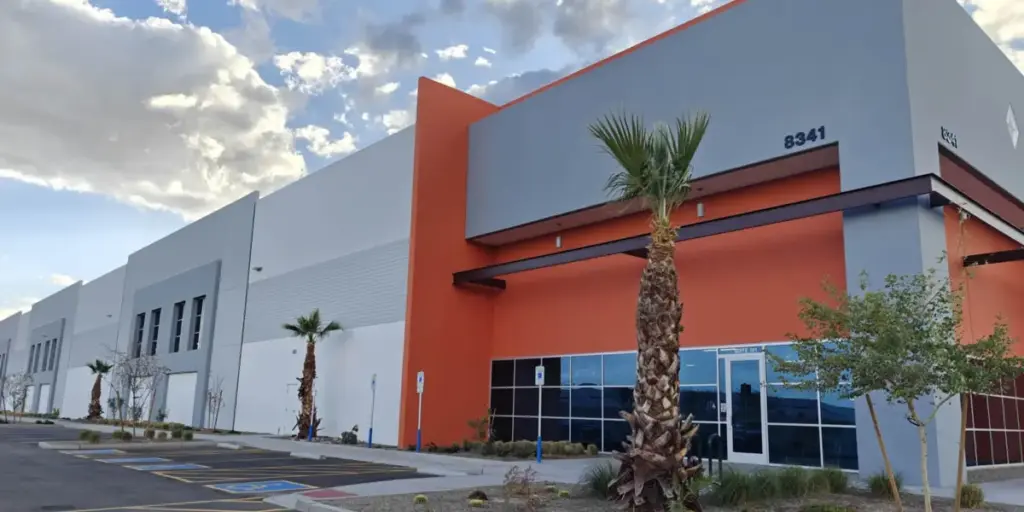
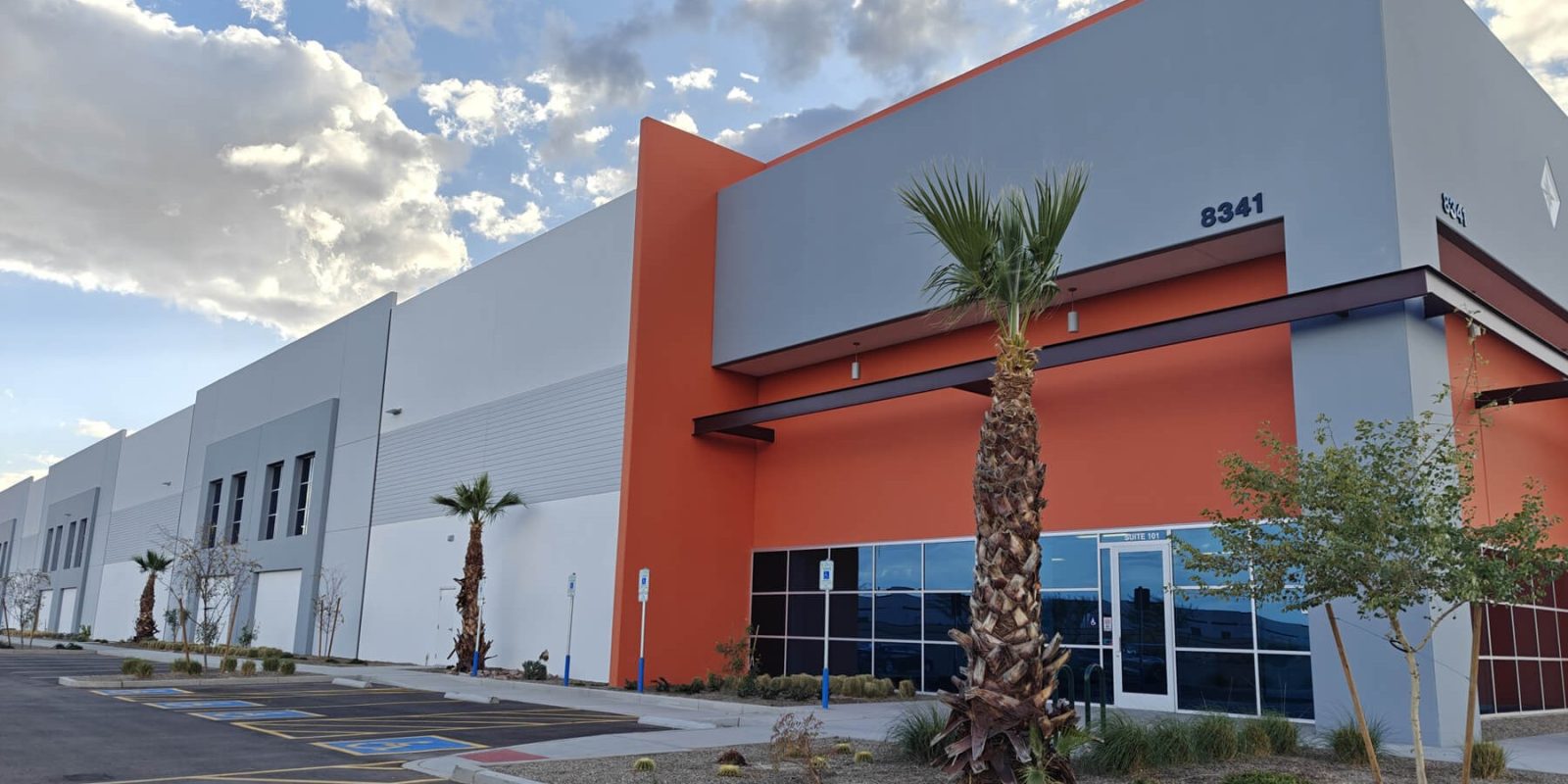
The joint initiative leverages ERI’s expansive, AI-driven collection and processing infrastructure across the United States to capture magnet-containing components from the million-plus pounds of e-waste it processes daily. These materials will then be transported to Cyclic Materials’ state-of-the-art facility in Mesa, Arizona, which possesses the capacity to process up to 25,000 metric tonnes of end-of-life components annually.
Beyond simply keeping discarded electronics out of landfills, the venture addresses a critical chokepoint in the clean energy transition. As demand accelerates for electric vehicles (EVs), renewable energy infrastructure like wind turbines, and advanced artificial intelligence hardware, the race to secure domestic rare earth elements has reached a fever pitch. By recovering these materials domestically through urban mining rather than traditional extraction, ERI and Cyclic Materials are offering a blueprint for a more sustainable, self-reliant American technology sector.
Detailed Chronology: From Trash to Technology
The genesis of this landmark partnership represents the culmination of years of technological scaling by both companies within the burgeoning North American circular economy.
The Foundation of Urban Mining
For over two decades, Fresno, California-based ERI has scaled its operations to become a titan in electronic waste management, processing more than 1 million pounds of electronic waste every single day. Operating an extensive network of eight specialized recycling centers across the United States, the company realized early on that traditional recycling—shredding and smelting electronic components for basic metals—was no longer sufficient for a high-tech economy.
To capture higher-value materials, ERI heavily invested in proprietary artificial intelligence and advanced machine-learning software paired with specialized hardware. This technology allows the company to systematically identify, isolate, and sort products containing high-purity rare earth magnets from the chaotic stream of consumer and commercial e-waste.
Scaling Processing Capabilities in Arizona
On the other side of the partnership is Cyclic Materials, a company pioneering technologies that transform end-of-life products into high-purity raw materials. Cyclic Materials established its flagship commercial processing plant in Mesa, Arizona, designed specifically to tackle the complex chemistry of rare earth magnet recycling.
The turning point for the two companies arrived when they began analyzing shared product streams and testing sample batches to evaluate compatibility. Recognizing that ERI’s unmatched collection volume could consistently feed Cyclic Materials’ advanced processing infrastructure, leadership from both organizations moved to formalize a global partnership.
The Operational Workflow
Under the terms of the agreement, the operational pipeline functions through a streamlined, multi-step process:
Collection and Sorting: ERI utilizes its extensive national logistics network to gather e-waste from commercial, industrial, and consumer sources.
Logistics and Transit: The separated magnet-containing materials are prepared and shipped in bulk to Cyclic Materials’ Mesa plant.
Refining and Recovery: Cyclic Materials processes the feedstock, extracting valuable rare earth elements (REEs) alongside secondary critical minerals like copper and aluminum, preparing them for reintegration into the manufacturing sector.
Supporting Context & Metrics: The Geopolitical and Industrial Imperative
The partnership between ERI and Cyclic Materials does not happen in a vacuum; it arrives at a crucial intersection of surging technological demand, environmental necessity, and geopolitical friction.
The EV and Renewable Energy Bottleneck
Modern decarbonization heavily relies on permanent magnets—specifically neodymium-iron-boron (NdFeB) magnets—which are essential for the high-efficiency electric motors driving modern EVs and the generators powering utility-scale wind turbines. Furthermore, the explosive growth of artificial intelligence, data centers, and advanced automation has driven unprecedented demand for high-performance computing hardware, much of which contains critical minerals.
For decades, the global supply chain for rare earth elements has been heavily monopolized by foreign nations, most notably China. Trade tensions, export controls, and supply chain disruptions have laid bare the risks of relying on overseas refiners for materials vital to national security and green infrastructure.
The Speed Advantage of Urban Mining
Developing and permitting a new rare earth mining operation from scratch is notoriously difficult, often taking a decade or more due to environmental reviews, capital expenditure hurdles, and complex extraction processes. Conversely, "urban mining"—recovering materials from products already in circulation—offers a vastly accelerated pathway to a secure domestic supply chain.
Consider the sheer scale of the opportunity:
1 Million Pounds: The daily volume of e-waste processed by ERI alone.
25,000 Metric Tonnes: The annual processing capacity of Cyclic Materials’ Mesa, Arizona facility.
Multiple Critical Minerals: Beyond rare earths, the process recovers copper and aluminum, both of which are facing tight global supplies.
By establishing a robust domestic loop, ERI and Cyclic Materials are effectively bypassing the environmental degradation of primary mining while creating a resilient, localized source of critical manufacturing inputs.
Official Statements and Industry Leadership
Leadership from both organizations underscored the transformative nature of the agreement, highlighting its potential to redefine industrial sustainability in the United States.
Ahmad Ghahreman, CEO and founder of Cyclic Materials, emphasized the sheer scale of the integration:
"As one of the world’s largest electronics recyclers, ERI processes an immense volume of products annually, and this partnership will transform that volume into an impactful supply of rare earths for the US."
Echoing this sentiment, John Shegerian, Chairman and CEO of ERI, pointed to the technological synergy powering the collaboration:
"Cyclic’s innovative technology and state-of-the-art facility provide commercial capabilities that make the circularity of heavy rare earth elements more accessible than ever before."
Industry analysts have noted that by pooling their resources, the two companies are uniquely positioned to jointly bid on major government and commercial contracts aimed at securing America’s critical mineral reserves. This collaboration aligns closely with broader federal initiatives designed to bolster domestic manufacturing and reduce import reliance.
Future Outlook: Building the Circular Horizon
While ERI and Cyclic Materials have successfully established their operational framework and qualified initial product streams, the partnership remains in an active build-out phase. The companies have not yet publicly disclosed specific product categories currently being targeted, nor have they released a definitive timeline for when the first batch of recycled rare earths will officially enter the commercial US manufacturing supply chain.
For now, the immediate focus centers on refining the feedstock stream, scaling the intake at the Mesa facility, and securing targeted government and commercial contracts. As Cyclic Materials continues to expand its footprint across North America, Europe, and Asia, its partnership with ERI serves as a vital domestic anchor.
Ultimately, the ERI-Cyclic Materials alliance signals a mature shift in how industrialized nations view electronic waste. What was once treated as a toxic disposal challenge is rapidly transforming into a strategic asset—proving that America’s path to energy independence and technological leadership may well lie buried inside its discarded gadgets.