Executive Overview
In the contemporary discourse of architecture and interior design, the grand gestures—structural feats, striking massing, and bold spatial geometries—often capture the initial imagination. Yet, the lived reality of any architectural space is fundamentally defined by its finishes: the tactile weight of ceramics underfoot, the seamless integration of bathroom fixtures, the play of illumination across textured walls, and the nuanced dialogue between materials. It is the realm of the surface, the tactile layer where human experience directly intersects with architectural intent.
Enter Obra Blanca 2026, the premier meeting ground for the architecture finishes and design products sector. Returning for its seventh landmark edition, this specialized event has firmly established itself as an indispensable nexus for architects, interior designers, developers, suppliers, and industry leaders across Latin America and beyond. Scheduled to take place from October 13 to 15, 2026, at the prestigious Expo Santa Fe in Mexico City, the upcoming edition promises an unprecedented deep dive into the materials and technologies shaping the future of the built environment.
Spanning an expansive exhibition footprint of over 27,000 square meters, Obra Blanca 2026 is engineered to be more than a conventional trade show; it is an immersive, three-day educational and commercial ecosystem. With 13 specialized pavilions and more than 190 leading exhibitors showcasing thousands of cutting-edge products, the event serves as a living laboratory for the latest trends in ceramics, bathroom furniture, architectural lighting, and high-performance surfaces.
Beyond the sprawling exhibition floor, Obra Blanca has curated a comprehensive, high-caliber intellectual agenda. Featuring three distinct content cycles—Habitable Space, Sustainability and Innovation, and Lighting—the event will convene some of the most influential national and international figures in contemporary architecture. Coupled with specialized forums like Espacio Obra Blanca and dynamic networking hubs like Espacio de Conexión, the 2026 edition is poised to redefine how professionals source materials, conceptualize interiors, and address the ecological and structural challenges of tomorrow.
Detailed Chronology: The Evolution of Obra Blanca
To understand the weight and significance of the 2026 edition, one must examine the steady, deliberate trajectory that has transformed Obra Blanca from a regional trade exhibition into an international authority on architectural finishes.
The Genesis and Early Formative Years
The inception of Obra Blanca arose from a distinct market gap: while structural engineering, heavy construction, and macro-architecture enjoyed numerous platforms across Latin America, the specialized sector of architectural finishes—the skin and bones of interior architecture—lacked a dedicated, high-end forum. Designers and specifiers often had to scour fragmented, generalized trade shows to source high-end ceramics, specialized bath fittings, and bespoke lighting systems.
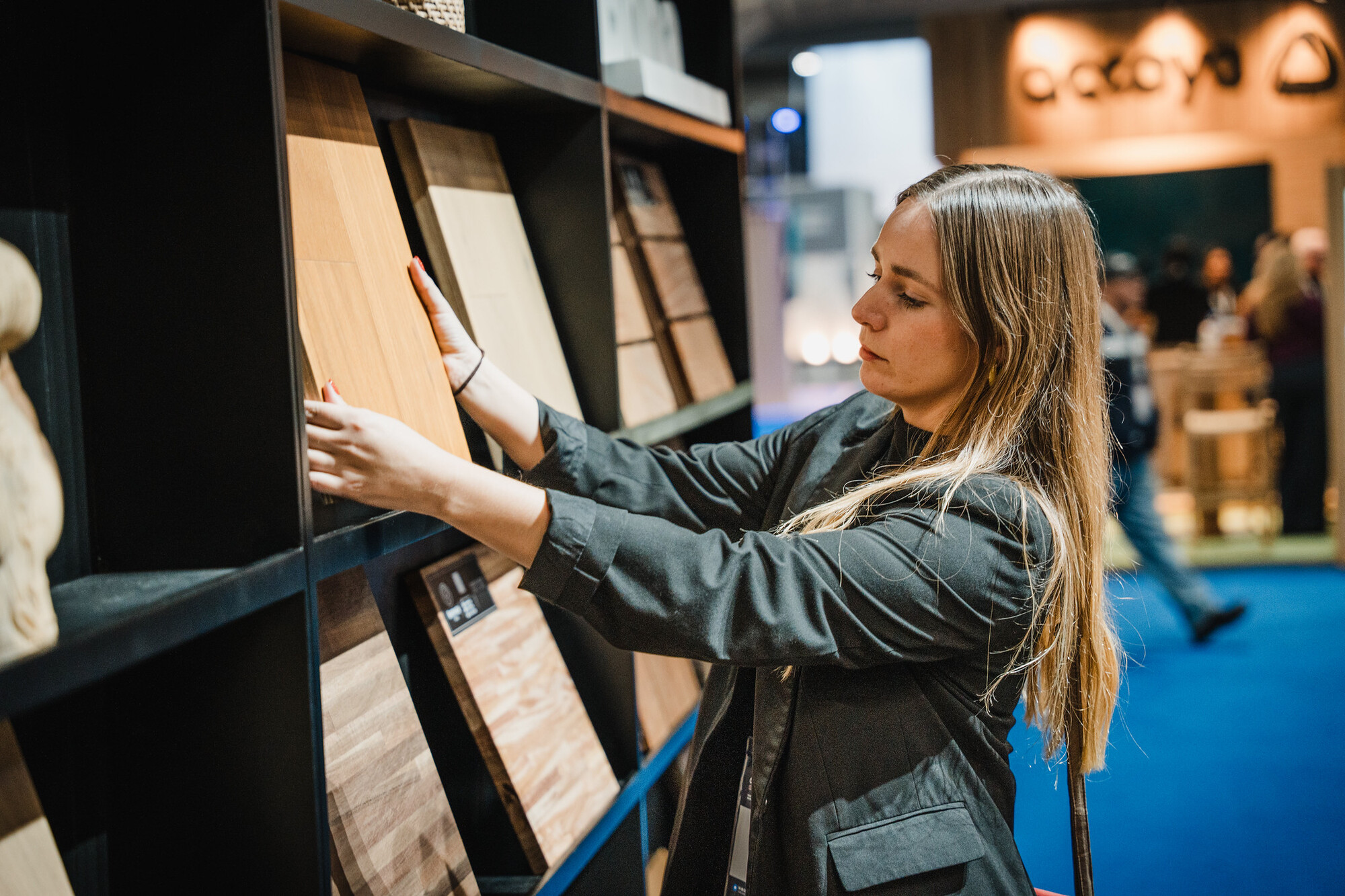
Recognizing the need for a unified platform, industry organizers launched Obra Blanca to bring manufacturers, suppliers, and creative specifiers under one roof. From its inaugural editions, the event prioritized curation over mere scale. It emphasized high-end design, technological innovation in material science, and sustainable production processes. By focusing exclusively on the final layer of construction, the event quickly gained traction among top-tier architectural firms seeking direct access to innovative finishes without the noise of unrelated heavy machinery and structural suppliers.
Scaling Up: Maturation and International Reach
Over its seven-year history, Obra Blanca has systematically expanded its physical footprint and intellectual scope. Year after year, the event has integrated new pavilions, increased its international exhibitor base, and cultivated a robust conference program.
- The Pandemic Pivot and Resilience: Like many global trade events, Obra Blanca faced unprecedented disruptions during the early 2020s. However, the organization leveraged this period to enhance its digital infrastructure, creating hybrid networking opportunities and virtual showrooms that maintained industry connectivity. This resilience paved the way for a triumphant return to physical spaces, marked by record-breaking attendance numbers and expanded square footage in subsequent years.
- The Integration of Thought Leadership: Recognizing that material selection is inseparable from broader philosophical, environmental, and technological shifts, the organizers progressively enriched the event’s programming. The introduction of dedicated content cycles transformed the exhibition floor into an academic and professional symposium. Architects could not only touch and test new ceramic tiles or smart fixtures but also debate the ethical sourcing of raw materials and the psychological impacts of interior lighting.
The 2026 Milestone: A Global Nexus in Mexico City
As Obra Blanca arrives at its seventh edition in October 2026, it represents a mature, highly refined institution. Situated at Expo Santa Fe—a state-of-the-art venue in one of Mexico City’s most dynamic business and architectural districts—the event is uniquely positioned to bridge Latin American craftsmanship with global manufacturing innovations. The 2026 edition reflects years of refinement in layout, exhibitor curation, and educational programming, cementing its status as the definitive calendar fixture for design professionals across the continent.
Supporting Context & Metrics: The Scale of Obra Blanca 2026
Numbers alone do not tell the full story of an architectural exhibition, but in the case of Obra Blanca 2026, the scale provides a clear indicator of its sweeping industry impact.
[EXPO SANTA FE METRICS - OBRA BLANCA 2026]
 ├── Total Exhibition Area: > 27,000 m²
 ├── Specialized Pavilions: 13 distinct zones
 ├── Verified Exhibitors: > 190 leading brands & manufacturers
 ├── Product Categories: Ceramics, Bathroom Furniture, Fixtures, Lighting, Smart Surfaces
 └── Duration: 3 Immersive Days (October 13–15, 2026)
The 13 Pavilions: Navigating Material Innovation
The division of the 27,000-square-meter exhibition floor into 13 specialized pavilions is a strategic move designed to streamline the visitor experience while offering deep, granular explorations of specific product categories.
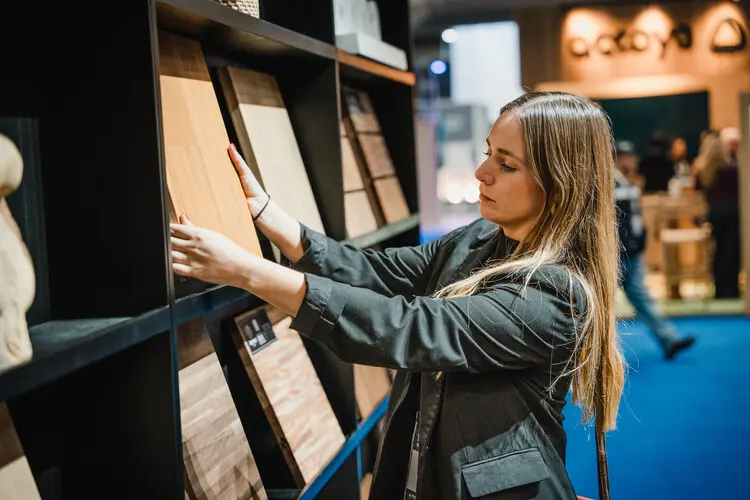
- The Ceramic and Tile Pavilions: Representing the backbone of the exhibition, these zones showcase the latest advancements in large-format porcelain slabs, ultra-thin tiles, tactile three-dimensional surfaces, and high-durability outdoor ceramics. Exhibitors demonstrate how digital printing and advanced pressing technologies have allowed tiles to mimic natural stone, raw concrete, and woven textiles with astonishing fidelity.
- Bathroom Architecture and Fixtures: Water conservation, minimalist aesthetics, and smart-home integration converge in these pavilions. Visitors can examine touchless faucets, water-recycling shower systems, integrated wellness tubs, and vanity units crafted from sustainable, moisture-resistant composite materials.
- Architectural Lighting Pavilions: Moving beyond utilitarian illumination, these spaces explore lighting as an active spatial material. From tunable white LED systems that mimic circadian rhythms to minimalist linear fixtures and bespoke architectural pendants, the lighting pavilions highlight how photonics shape mood, spatial perception, and energy efficiency.
- Specialized Surfaces and Finishes: This sector covers everything from micro-cements and acoustic wall panels to specialized wood treatments and metallic coatings. These products allow interior architects to push the boundaries of texture and tactile expression.
The Economic and Professional Ripple Effect
Obra Blanca 2026 is not merely a showcase for products; it is a major economic engine for the design and construction supply chain in Latin America. By concentrating thousands of specifiers—architects, interior designers, real estate developers, and hospitality project managers—into a single venue over three days, the event accelerates project lifecycles. Specifiers can source samples, negotiate bulk contracts, and establish direct channels with manufacturers, drastically reducing the friction typically involved in high-end material sourcing.
Official Programs, Forums, and Content Cycles
What elevates Obra Blanca from a standard trade fair to an essential professional experience is its rigorous intellectual and collaborative programming. The 2026 agenda is anchored by three core content cycles and two specialized interactive spaces designed to challenge, educate, and connect attendees.
The Three Content Cycles
The conference program features prominent national and international figures in architecture, structured around three pressing thematic pillars:
- Habitable Space: This cycle examines the emotional, psychological, and functional dimensions of interiors. Speakers explore how spatial layout, material warmth, acoustic comfort, and tactile finishes contribute to human well-being. In an era where occupants spend the vast majority of their time indoors, this track investigates how finishes can transform generic rooms into restorative, human-centric environments.
- Sustainability and Innovation: Addressing the architecture and design industry’s urgent environmental responsibilities, this cycle spotlights circular economy principles in manufacturing, low-carbon materials, recycled ceramics, and energy-efficient production methods. Experts dissect life-cycle assessments (LCAs), green building certifications, and the technological innovations driving waste reduction across the supply chain.
- Lighting: Dedicated entirely to the science and art of illumination, this track explores the intersection of natural daylighting and advanced artificial lighting systems. Sessions cover the integration of smart-building protocols, energy regulations, and the profound impact of lighting design on circadian health and spatial drama.
Espacio Obra Blanca: The Specialized Forum
Serving as the intellectual heart of the exhibition, Espacio Obra Blanca is a dedicated forum that brings together thought leaders, theorists, and veteran practitioners. Through a series of keynote lectures, panel discussions, and debate sessions, this forum tackles macro-trends in interior design and architecture. Discussions frequently venture into the evolving role of the designer, the shifting paradigms of luxury and materiality, and the technical challenges of executing complex architectural details on site.
Espacio de Conexión: Fostering Synergy
Recognizing that the most enduring architectural projects are born from collaboration, the organizers have curated Espacio de Conexión. Designed specifically as a high-engagement networking hub, this meeting point breaks down the transactional barriers of a traditional trade show. It provides a relaxed, intellectually charged environment where architects can exchange ideas, pitch collaborative ventures, and form strategic alliances with suppliers and fellow design professionals.
Future Outlook: The Horizon of Architectural Finishes
As we look toward October 2026 and beyond, the trends converging at Obra Blanca point toward a profound transformation in how we conceptualize and construct the interior envelope. Several key trajectories are set to dominate the future of architectural finishes:
1. Radical Material Honesty and Tactility
The polished, hyper-glossy surfaces that dominated commercial interiors for decades are steadily giving way to raw, tactile, and patinating materials. Architects are increasingly demanding finishes that age gracefully—surfaces that record the passage of time and human interaction. Matte ceramics, unsealed metals, lime washes, and textured micro-cements are taking center stage, inviting physical touch and fostering a deeper sensory connection between the user and the built environment.

2. Hyper-Customization Through Digital Fabrication
Advancements in digital manufacturing, particularly in the ceramic and surface sectors, are democratizing customization. Architects are no longer restricted to off-the-shelf catalog items; instead, they can work directly with manufacturers to specify bespoke dimensions, custom colorways, and unique surface textures tailored to the specific narrative of a project. This digital agility bridges the gap between mass production and artisanal craftsmanship.
3. Decarbonization of the Surface Layer
With carbon accountability becoming non-negotiable in global architecture, the finishes sector is undergoing a quiet revolution. Manufacturers are investing heavily in carbon-neutral production facilities, utilizing local raw materials to minimize transportation emissions, and developing circular products that can be fully disassembled, recycled, and repurposed at the end of their lifecycle. Events like Obra Blanca serve as the critical litmus test for these sustainable innovations, allowing specifiers to rigorously vet environmental claims firsthand.
4. Ambient Intelligence and Invisible Technology
Technology in interior finishes is becoming increasingly invisible. Rather than imposing bulky gadgets onto surfaces, contemporary design integrates technology into the material itself. From ceramic tiles embedded with heating elements to invisible acoustic insulation membranes and smart-glass partitions that adjust opacity at a touch, the future of finishes is intelligent, responsive, and seamlessly integrated.
Conclusion
Obra Blanca 2026 stands as a testament to the idea that architecture is ultimately completed in the details. By gathering over 190 exhibitors, spanning 27,000 square meters of exhibition space, and convening the brightest minds in architecture across its specialized forums, the event offers an unmatched panorama of where the industry is heading.
For architects, interior designers, and industry stakeholders navigating an increasingly complex landscape of material options, technological advancements, and environmental imperatives, participation in Obra Blanca is more than a professional development exercise—it is an essential pilgrimage. From October 13 to 15, 2026, at Expo Santa Fe in Mexico City, the architectural community will once again gather to touch, debate, and define the surfaces of tomorrow.
Event Details At-a-Glance
- Event Name: Obra Blanca 2026 (7th Edition)
- Dates: October 13 – October 15, 2026
- Venue: Expo Santa Fe, Mexico City, Mexico
- Exhibition Footprint: > 27,000 m² across 13 pavilions
- Exhibitors: > 190 leading brands and manufacturers
- Key Components: Habitable Space, Sustainability and Innovation, and Lighting content cycles; Espacio Obra Blanca forum; Espacio de Conexión networking hub.