

Executive Overview
In an era dominated by hyper-connectivity, relentless hustle culture, and an obsession with quantified self-optimization, a quiet cultural shift is underway. Modern wellness is shedding its rigid focus on superfoods, multi-step supplement routines, and high-intensity biohacking. Instead, a growing movement is embracing a radical, counter-cultural act: taking oneself on a date.
Far from a symptom of social isolation, solo outings—ranging from lingering afternoons at art museums and peaceful mornings at independent bookstores to solitary coastal retreats—have emerged as a powerful prescription for mental restoration. Psychologists, sociologists, and wellness advocates are recognizing intentional solitude as a vital antidote to chronic stress and decision fatigue. By breaking away from the assumption that remarkable experiences require shared company, individuals are reclaiming autonomy over their time, redefining self-care, and fundamentally altering their relationship with well-being.
Detailed Chronology: The Evolution of Solo Living and the Rise of the "Self-Date"
To understand how solo dating transitioned from a social taboo to a celebrated wellness ritual, it is necessary to examine the shifting architecture of modern lifestyles.
Phase One: The Stigma of Isolation (Pre-2020)
For decades, cultural conditioning heavily stigmatized solitude. Eating alone in a restaurant, going to the cinema by oneself, or traveling solo was frequently viewed through a lens of pity—an indicator of social failure or loneliness rather than a deliberate choice. Society dictated that milestones, leisure, and culinary adventures were communal currencies, meant to be validated by the presence of a partner, family member, or friend. Consequently, countless individuals postponed bucket-list experiences, waiting indefinitely for schedules to align with others.
Phase Two: The Great Pause and Forced Introspection (2020–2022)
The global disruptions of the early 2020s forced a massive recalibration of human relationships. Lockdowns and social distancing stripped away the constant background noise of group planning, meetings, and crowded social calendars. For many, this period of enforced isolation was initially terrifying, giving rise to acute loneliness. However, as individuals adapted, a subset of the population discovered an unexpected byproduct: peace. Stripped of external social pressures, people began to rediscover the cadence of their own thoughts, laying the groundwork for a healthier relationship with autonomy.

Phase Three: The Rise of Intentional Solitude (2023–Present)
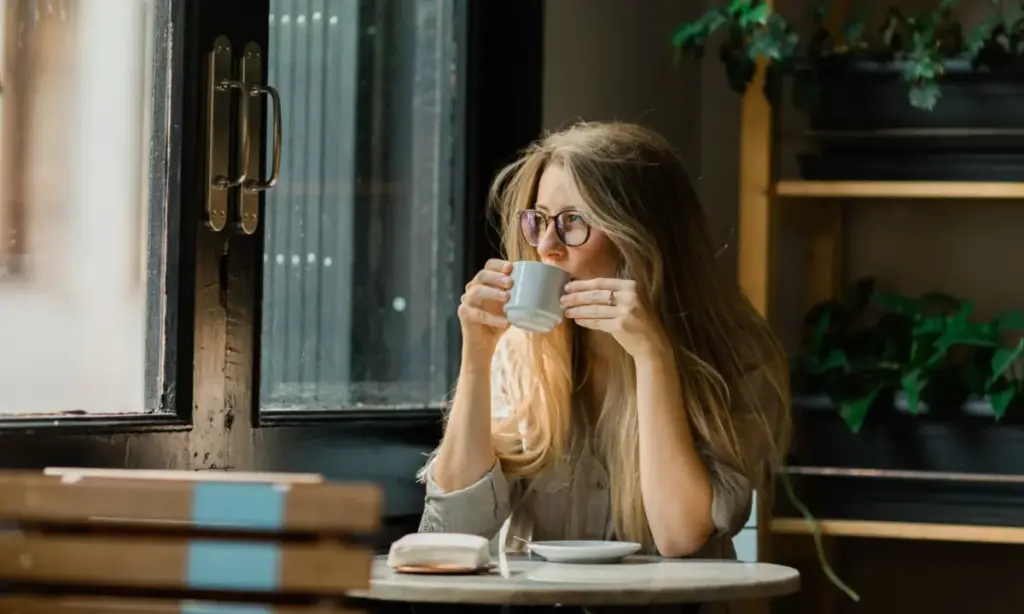
By the mid-2020s, a deliberate counter-movement against over-productivity began to surface across digital communities and slow-living forums. People began "romanticizing" everyday life—not for social media validation, but as a therapeutic practice. Solo mornings at farmers’ markets, extended silent nature walks, and uninterrupted coffee shop reading sessions transformed from coping mechanisms into coveted rituals. Today, taking oneself on a "date" has evolved into a sophisticated wellness practice, characterized by intentionality, mindfulness, and the complete rejection of the need for constant companionship.
Supporting Context & Metrics: The Science of Solitude vs. Loneliness
To appreciate the psychological impact of solo dating, researchers emphasize a critical distinction that everyday language often blurs: the difference between loneliness and solitude.
Unpacking the Psychological Divide
- Loneliness is an involuntary emotional state characterized by a painful discrepancy between desired and actual social relationships. It is subjective, distressing, and consistently linked to negative health outcomes, including elevated cortisol levels, disrupted sleep, and compromised immune function.
- Solitude, conversely, is the voluntary choice to spend time alone. When approached with intention, solitude ceases to be a void and becomes a sanctuary.
The Neurological Benefits of Unplugged Time
Neuroscience increasingly validates the restorative power of intentional alone time. In a society where the average adult processes thousands of data bits daily through emails, notifications, and social feeds, the human brain rarely experiences genuine rest.
- Cognitive Offloading: Solo dates eliminate the invisible mental tax of social negotiation—such as coordinating schedules, compromising on destinations, or managing the emotional energy of others. This allows the prefrontal cortex to exit "managerial mode."
- Emotional Regulation: Clinical studies indicate that regular periods of solitude improve emotional processing, enhance self-awareness, and lower baseline stress markers. Without external stimuli dictating reactions, individuals can process backlog emotions and reconnect with their authentic desires.
- Restoring the Default Mode Network (DMN): When we are completely alone and unburdened by tasks, the brain’s DMN activates. This network is crucial for daydreaming, creative problem-solving, emotional consolidation, and long-term memory integration.
Official Statements and Expert Perspectives
As solo dates capture the cultural zeitgeist, mental health professionals and lifestyle researchers are weighing in on why this trend is taking root now.
"For years, the wellness industry sold us the narrative that well-being is an additive process—that if we just add one more supplement, one more morning routine, or one more tracked metric, we will achieve peace," notes Dr. Elena Vance, a behavioral psychologist specializing in modern stress paradigms. "What we are seeing now is a corrective swing of the pendulum. People are realizing that true well-being is often subtractive. It is about removing the endless pressure to optimize every waking hour for someone else’s timeline."
Cultural commentators point out that the democratization of leisure has played a major role in normalizing solo outings.

"We have crossed a threshold where eating alone or traveling by yourself is no longer viewed as a sad compromise," explains cultural anthropologist Marcus Chen. "It is viewed as a power move. It signals a high degree of self-possession. When you can sit across from an empty chair at a high-end restaurant, sip a glass of wine, and feel entirely comfortable in your own skin, you have unlocked a profound level of psychological freedom."
Furthermore, experts emphasize that solo dating acts as a bulwark against decision fatigue. In professional and personal spheres, modern adults constantly cater to collective consensus. Allocating unstructured time where every whim—from how long to linger over a pastry to which hiking trail to explore—is entirely self-directed provides an invaluable psychological reset.
Future Outlook: Redefining the Longevity Paradigm
As we look toward the future of health and longevity, the cultural embrace of solo rituals offers a vital lesson: human lifespan is inextricably linked to the quality of our inner life.
Traditionally, longevity research focused heavily on physical inputs—diet, exercise, genetics, and clinical interventions. Increasingly, however, the medical community recognizes the profound physiological toll of chronic mental overload, hyper-vigilance, and the inability to rest without guilt.
The practice of taking oneself on dates directly addresses this modern ailment. By teaching individuals how to enjoy their own company without the pressure of productivity, solo dates cultivate psychological resilience. They remind us that experiences do not forfeit their value simply because they are unshared. Whether it is wandering through a quiet gallery, sitting on a secluded stretch of sand, or enjoying a meal in absolute silence, these moments cultivate a deep, enduring sense of self-trust.
Ultimately, the rise of the solo date suggests a mature evolution in our collective understanding of self-care. It teaches us that we do not need to wait for permission, or for the stars to align, or for a companion to validate our existence before we start living fully. The most important relationship we will ever maintain is the one we have with ourselves—and occasionally, treating ourselves to an afternoon out is the best way to remember why that relationship matters.



