

Executive Overview
For decades, home bakers have obsessively nurtured sourdough starters, experimented with hydration percentages, and fine-tuned fermentation schedules, only to stare with quiet frustration at their finished loaves. Compared to the magnificent, blistered crusts and airy, open crumbs of professional artisanal bakeries, homemade loaves often fall flat—literally and figuratively. The culprit is rarely the baker’s technique or ingredients; rather, it is the fundamental limitation of standard home kitchen equipment.
Commercial bakeries rely on heavy-duty, industrial deck ovens featuring rotating stone shelves that retain and evenly distribute immense thermal mass. Meanwhile, typical home ovens utilize wire racks and thin metal baking sheets that struggle to maintain consistent temperatures under the thermal shock of cold dough.
However, a quiet culinary revolution has bridged this gap. The adoption of heavy, cast-iron bread ovens has transformed home baking, offering an accessible method to replicate commercial-grade steam environments and thermal transfer. By trapping the moisture released by rising dough and delivering direct, radiant heat, these specialized vessels enable everyday cooks to achieve professional-level results. Following extensive testing of the market’s top options—ranging from rugged, bare-metal artisan pans to sleek enameled investments—experts and home bakers alike agree: investing in a dedicated cast-iron bread oven is the single most impactful upgrade you can bring to your kitchen.
Detailed Chronology: The Evolution of Home Bread Baking and Equipment
The contemporary obsession with artisanal bread baking did not materialize overnight. To understand how we arrived at an era where specialized cast-iron bread ovens are staple kitchen investments, it is helpful to trace the evolution of the craft over the past thirty years.
- The Early Adoption Era (1990s): Long before the widespread digital connectivity of social media algorithms, early home bakers began experimenting with wild yeast and sourdough starters. Techniques were passed down through word-of-mouth, specialized books, and early online forums. At the time, achieving a proper crust required improvised setups—often involving heavy ceramic cloches, inverted Dutch ovens, or complex setups featuring lava rocks and scorching water poured into cast-iron skillets to generate steam.
- The Dutch Oven Breakthrough (2010s): As the artisanal baking movement gained mainstream momentum, home bakers discovered that standard enameled Dutch ovens could double as makeshift bread domes. By preheating the heavy pot in the oven and baking the loaf covered for the first half of the cooking time, bakers successfully trapped steam, preventing the crust from setting too early and allowing for maximum "oven spring." While effective, standard round Dutch ovens severely limited loaf shapes, making it nearly impossible to bake elongated batards, baguettes, or large artisanal boules without reshaping the dough.
- The Rise of Dedicated Artisan Hardware (Late 2010s–Present): Recognizing the limitations of multi-purpose cookware, innovators and seasoned home bakers began designing purpose-built hardware. Pioneers like Jim Challenger introduced wide-profile, heavy-duty cast-iron pans specifically contoured for bread. Concurrently, heritage cookware brands recognized the trend, engineering specialized enameled bread ovens with inverted, high-domed lids and low-profile bases. Today, the market offers a sophisticated array of options tailored to every skill level, budget, and baking preference.
Supporting Context & Metrics: Bare Cast Iron vs. Enameled Performance
When evaluating the market’s leading bread ovens, performance metrics consistently point to thermal dynamics and steam retention as the ultimate arbiters of loaf quality. Understanding the structural differences between bare cast iron and enameled cast iron is essential for any baker looking to optimize their results.
Thermal Transfer and Crust Development
The core mechanism of a bread oven relies on two physical properties: heat retention and steam containment.
- Bare Cast Iron: Uncoated, seasoned cast iron offers direct thermal transfer. Because there is no barrier between the metal and the fermenting dough, heat radiates aggressively into the loaf the moment it hits the preheated surface. This direct energy transfer produces a noticeably darker bottom crust, deeper overall color, and a sharp, crackling texture punctuated by micro-blisters.
- Enameled Cast Iron: Coated with a porcelain enamel layer, these vessels offer superior ease of maintenance and require no seasoning. However, the enamel acts as a minor thermal buffer, slightly dampening the direct radiant energy delivered to the dough. Consequently, loaves baked in enameled vessels often exhibit a slightly lighter, more uniform golden-brown crust compared to their bare-metal counterparts.
Comprehensive Market Evaluation Metrics
To establish a definitive guide for home bakers, top-tier bread ovens are evaluated across four strict criteria: thermal retention, steam containment efficiency, structural versatility (size and shape), and overall value relative to price.
| Oven Model | Primary Material | Base Dimensions | Steam Trapping Efficiency | Key Advantages | Price Point (USD) | Overall Rating |
|---|---|---|---|---|---|---|
| Challenger Breadware Bread Pan | Bare Black Cast Iron | 15.5 × 10.5-inch | Exceptional | Maximum heat delivery, wide base accommodates batards and boules, pre-seasoned. | $299.00 | 4.6 / 5 |
| Tramontina Cast Iron Bread Oven | Enameled Cast Iron | 9.5-inch Round | Very Good | Highly affordable, lifetime warranty, attractive color choices, no seasoning needed. | $59.95 | 4.2 / 5 |
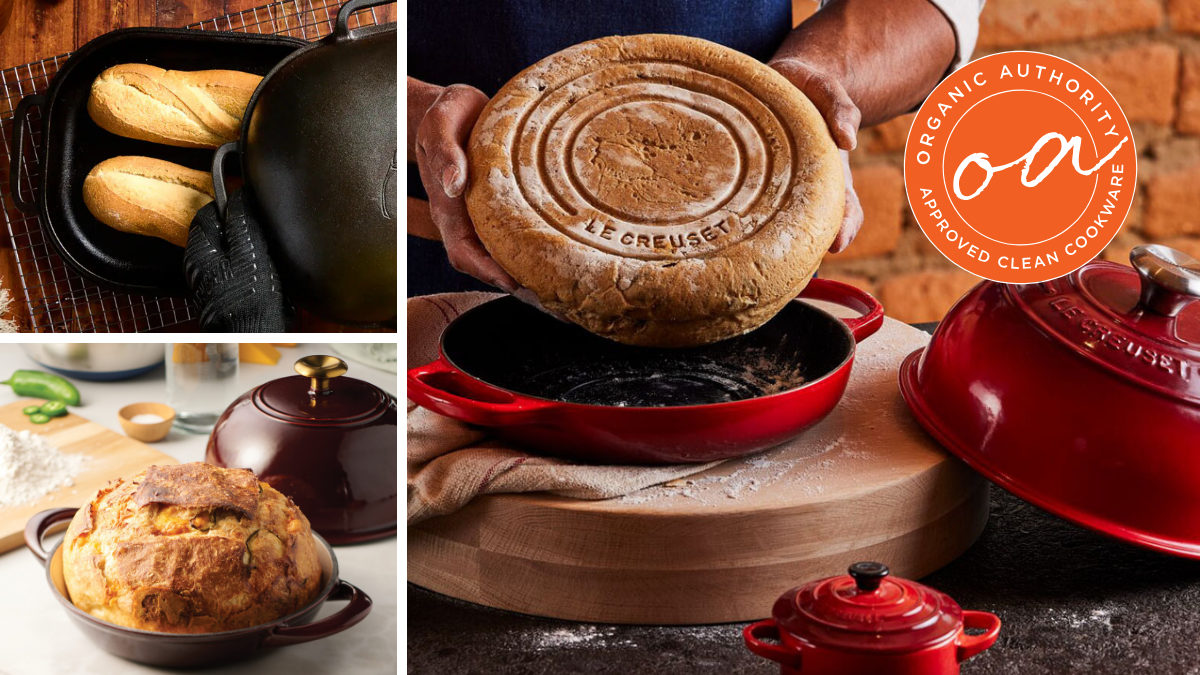
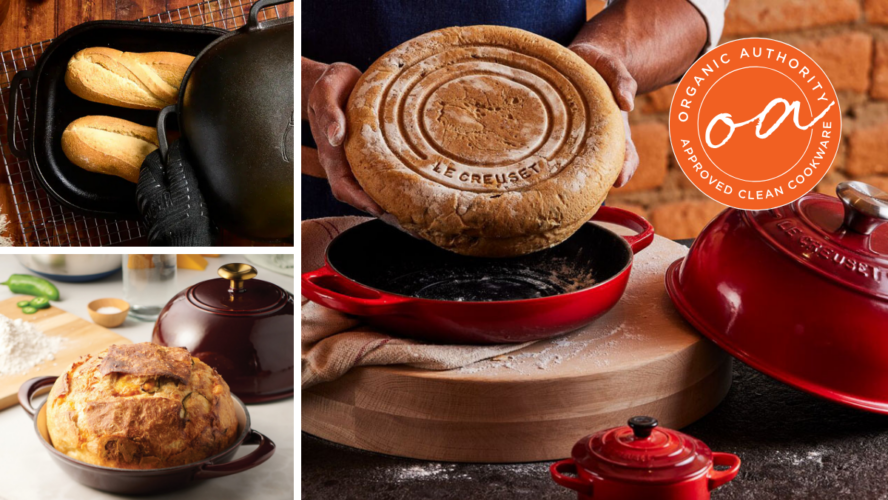
| Le Creuset Bread Oven | Enameled Cast Iron | 9.5-inch Round | Exceptional | Premium durability, iconic aesthetic, excellent weight distribution, zero maintenance. | $324.95 | 4.4 / 5 |
Official Insights & Product Breakdowns
1. Challenger Breadware Bread Pan: Best for Serious Bakers
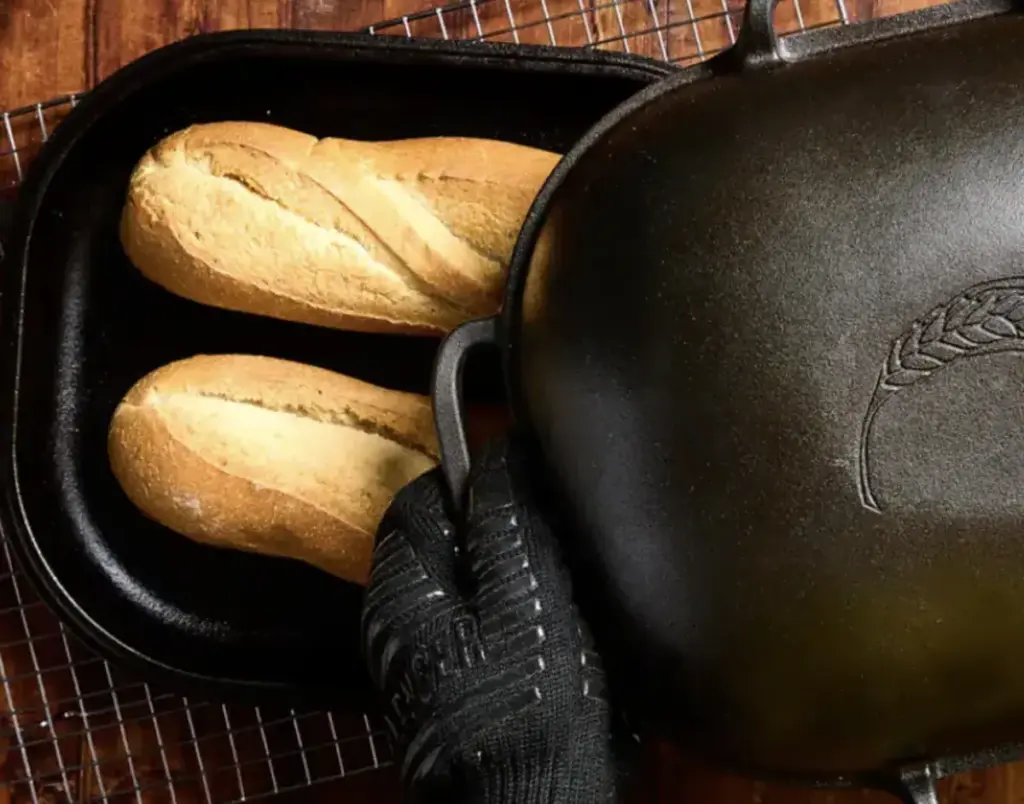
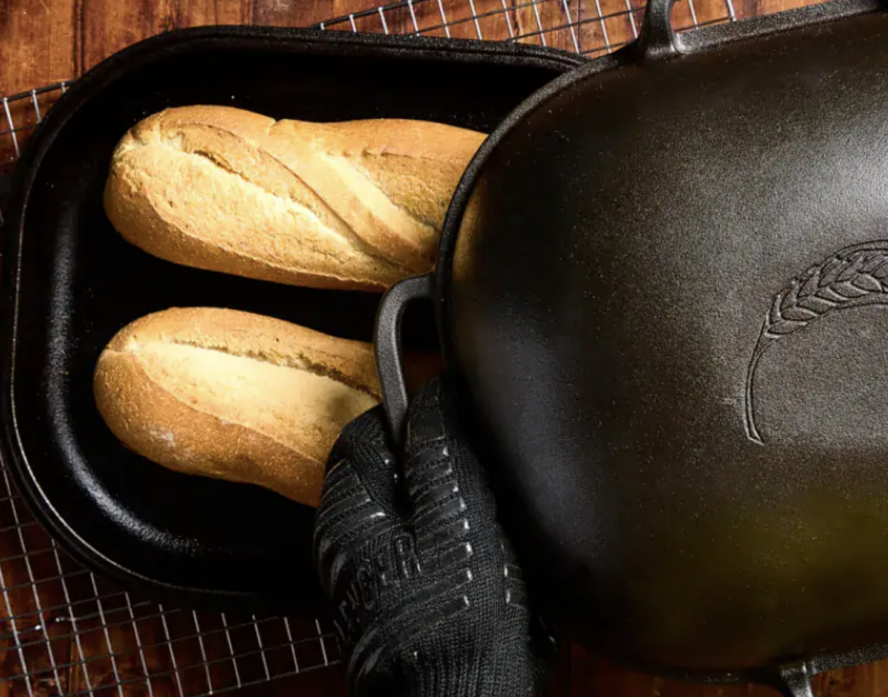
Designed out of sheer necessity by artisan baker Jim Challenger, this pan was engineered specifically to solve the spatial and thermal constraints faced by home bread makers. Featuring a broad, low-profile 15.5 x 10.5-inch base crafted from thick, heavy bare cast iron, it accommodates full-sized oval batards, round boules, baguettes, and even non-bread applications like focaccia and roasted meats.
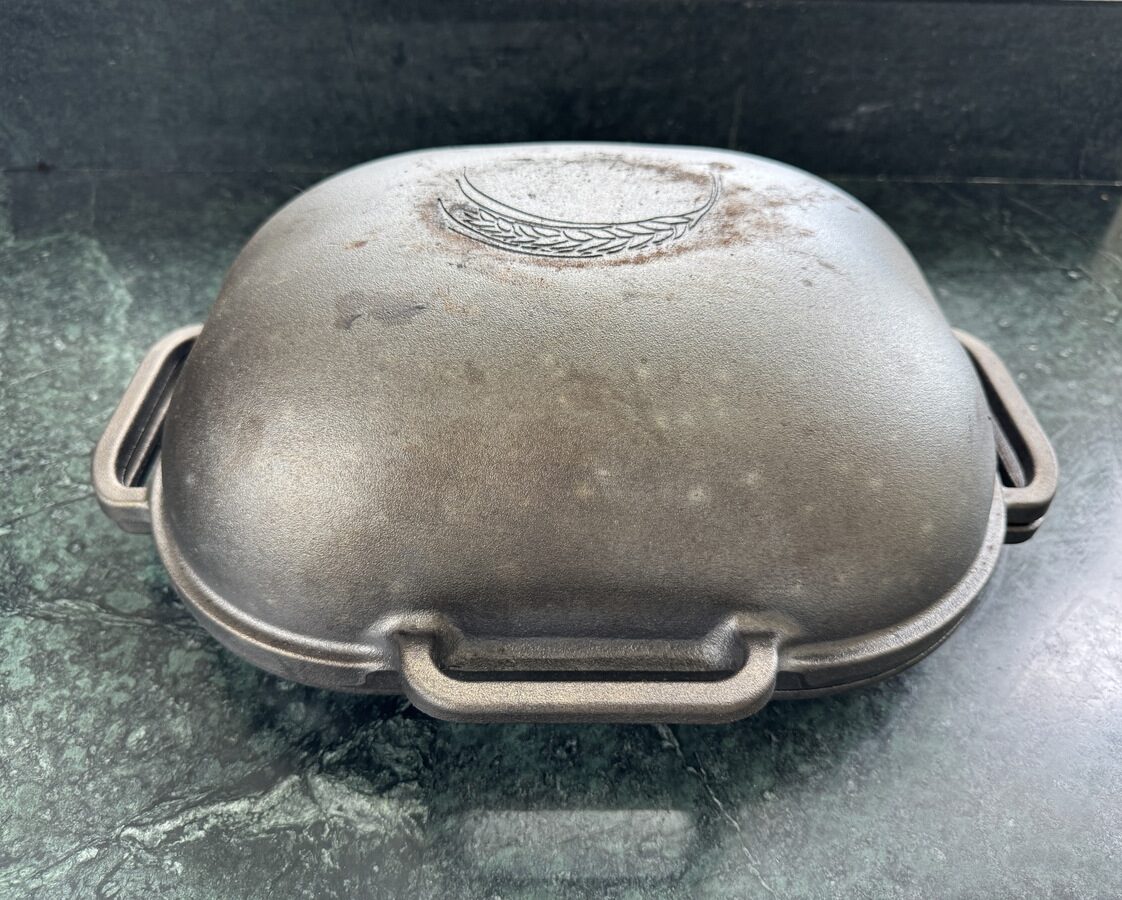
- Performance & Results: During rigorous testing, the Challenger pan consistently delivered unmatched crust development. The heavy bare iron radiates intense heat, producing a rich, dark bottom crust and a reverberating, crackling crunch across the entire loaf.
- Design Features: The gently domed rectangular lid forms an airtight seal with the base, trapping steam to maximize oven spring. When inverted, the lid can also function as an independent baking surface for flatbreads and pizzas. Weighing in at 20 pounds, it is a substantial piece of equipment, but its ergonomic handles and professional-grade performance make it the gold standard for dedicated artisans.
2. Tramontina Cast Iron Bread Oven: Best Budget Option
For bakers hesitant to invest hundreds of dollars into specialized equipment, the Tramontina Cast Iron Bread Oven delivers professional results at a fraction of the cost.
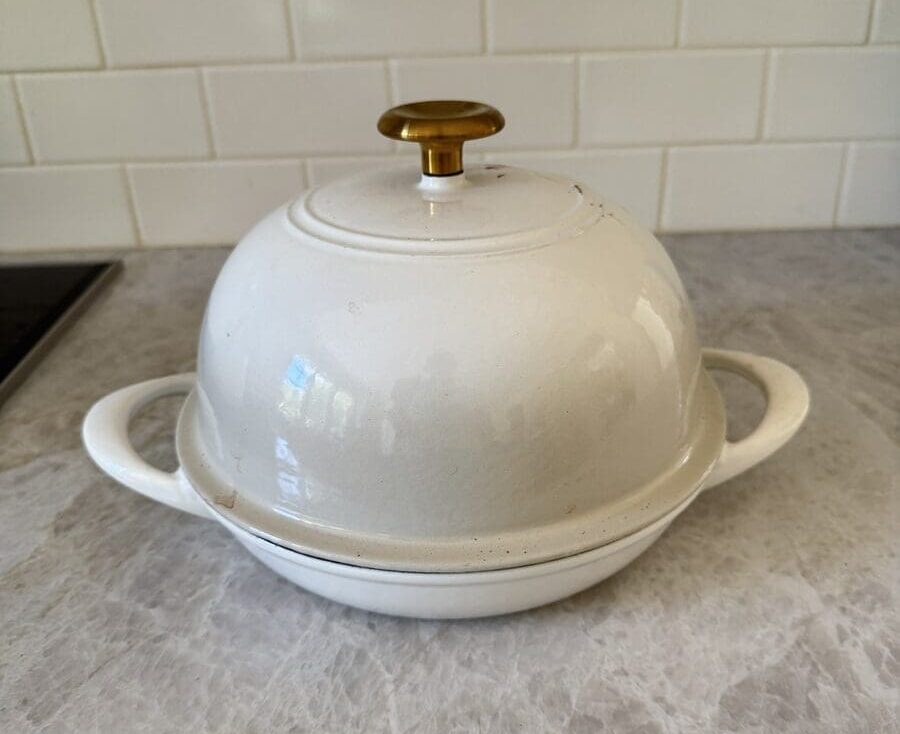
- Performance & Results: Built from dense cast iron with an enameled interior, this oven mimics the steam-trapping mechanics of high-end competitors. While its 9.5-inch round base limits baking to small-to-medium boules, it reliably produces impressive oven spring and a warm, golden-brown crust.
- Design Features: Available in multiple vibrant colorways with an off-white porcelain enamel interior, it requires zero seasoning and cleans up effortlessly. While the light interior is prone to minor cosmetic smudging over time, its accessible price point and lifetime warranty make it an unbeatable entry point for hobbyists.
3. Le Creuset Bread Oven: Best Premium Option
Combining legendary French craftsmanship with purposeful design, the Le Creuset Bread Oven is an aesthetic and functional powerhouse for lovers of enameled cookware.
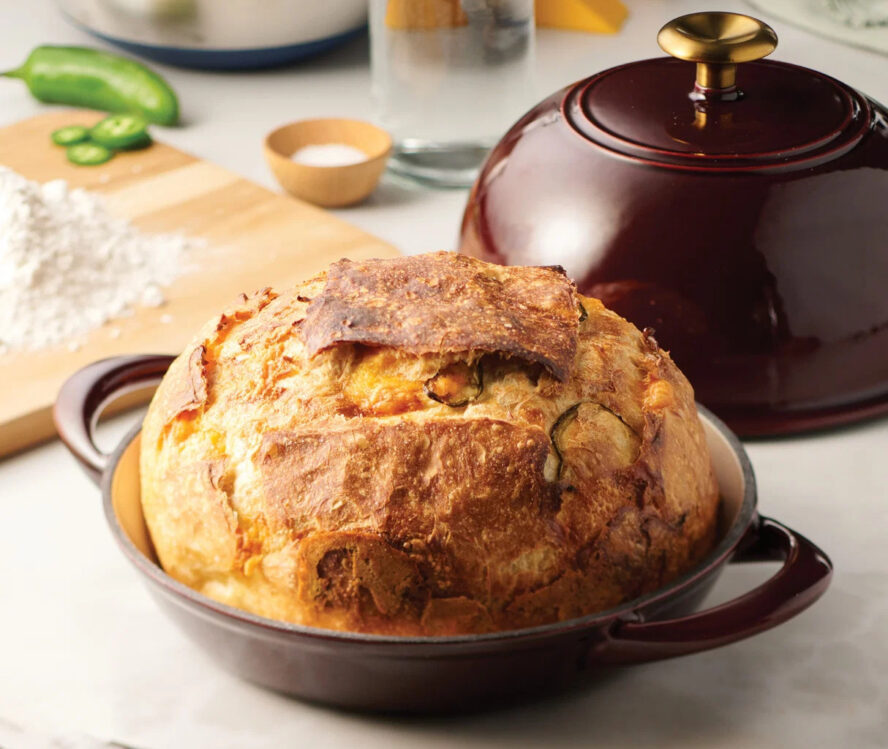
- Performance & Results: Utilizing an inverted design where the deeper dome acts as the lid, this oven traps and circulates steam with exceptional efficiency. The 9.5-inch round base features three concentric ring ridges that promote even heat distribution while imparting a subtle, signature brand stamp onto the bottom of the loaf.
- Design Features: The matte black enameled interior absorbs and transfers heat effectively, ensuring a crisp bottom crust without the maintenance demands of bare cast iron. Lightweight relative to its capacity and available in Le Creuset’s signature palette, it is the premier choice for bakers prioritizing both kitchen aesthetics and consistent performance.
Future Outlook: The Evolution of Kitchen Craftsmanship
As consumer interest in heritage cooking techniques, slow food movements, and self-sufficiency continues to expand, the market for precision kitchen hardware is poised for further innovation. The shift away from disposable consumer goods toward heirloom-quality cast iron signals a broader cultural appreciation for durability and craftsmanship in the culinary arts.
In the coming years, we can expect manufacturers to refine ergonomic designs—reducing the heavy lifting associated with traditional cast iron without sacrificing thermal mass. Furthermore, as home bakers become increasingly sophisticated, hybrid vessels capable of transitioning seamlessly from high-heat bread baking to open-flame roasting and Dutch-oven cooking will likely dominate kitchen wish lists.
Ultimately, whether you choose the professional-grade output of bare cast iron like the Challenger, the accessible entry of the Tramontina, or the heirloom durability of Le Creuset, upgrading to a dedicated bread oven eliminates the guesswork of home baking. By replicating the moisture-rich, intensely hot environments of commercial bakeries, these tools empower home cooks to elevate simple flour, water, and salt into breathtaking artisan masterpieces.



