Executive Overview
For health-conscious consumers, reaching for a jar of organic honey feels like an investment in purity, sustainability, and personal wellness. Buyers pay top dollar under the assumption that the amber liquid inside was produced by industrious bees foraging in pristine, chemical-free fields, far removed from the synthetic pesticides and intensive agricultural practices of conventional farming.
However, a groundbreaking lawsuit filed by Bruce Kaser—a certified organic farmer, activist, and attorney acting on behalf of American honey producers—alleges that much of the "organic" honey lining U.S. grocery store shelves may be built on a deceptive regulatory loophole. The legal action targets the importation of foreign honey, predominantly from Brazil, which bears the coveted USDA organic label without necessarily meeting the rigorous standards required of domestic producers.
This unfolding controversy highlights vulnerabilities in global food supply chains, where international equivalency arrangements and loose oversight can undermine domestic standards. With approximately 80 percent of all honey consumed in the United States originating overseas, the implications extend far beyond fair-market competition. They strike at the heart of consumer trust, environmental safety, and public health.
Detailed Chronology: The Anatomy of a Regulatory Loophole
The roots of the current legal battle stretch back years, echoing previous scandals involving international agricultural fraud, such as the infamous "fake organic grain" revelations exposed by investigative journalists in 2017. While the mechanisms differ, the underlying vulnerability remains consistent: the complex interplay between domestic organic certification mandates and international trade agreements.
Domestic Oversight Versus Foreign Equivalency
To earn and maintain a USDA organic certification, domestic American farmers and producers must navigate a rigorous, transparent system. This framework requires:
- Annual On-Site Inspections: Independent, accredited certifiers physically inspect farm operations, processing facilities, and beehive locations year after year.
- Strict Environmental Buffers: U.S. standards dictate that organic honey must be produced in areas with a strict buffer zone—often cited as a 10-square-mile radius—separating beehives from conventional agricultural land utilizing synthetic agrichemicals, fertilizers, and pest sprays.
By contrast, many foreign suppliers bypass these granular, on-premises physical audits. Instead, certification is often established through international equivalency arrangements. In the case of much of the honey imported from Brazil, organic certification relies on regulatory frameworks aligned with Canada, whose standards for organic honey production can be more permissive regarding synthetic inputs and environmental buffers.
The Brazilian Agricultural Context
This regulatory workaround matters immensely when viewed through the lens of land use and chemical application. Brazil is one of the world’s largest consumers of agricultural pesticides, a trend amplified by government policies that have historically favored the expansion and interests of large-scale agribusiness.
According to a 2023 study published in Hygiene and Environmental Advances, Brazil’s heavy reliance on chemical sprays creates an environmental landscape where intensive conventional farming is widespread. Critics and the plaintiffs in the new lawsuit argue that placing beehives in or near these heavily treated regions violates the spirit—and arguably the letter—of what American consumers expect from the USDA organic seal.
"U.S. consumers who rely on the USDA organic seal to guarantee honey is produced by bees feeding in an agrichemical-free environment are being defrauded," states Bruce Kaser, the attorney spearheading the legal challenge.
Supporting Context & Metrics: Adulteration, Purity, and Market Impacts
The legal challenge concerning organic labeling is just one facet of a broader crisis plaguing the global honey market. Driven by surging international demand and high market value, honey has increasingly become a prime target for food fraud and economic adulteration.
The Scale of Global Honey Adulteration
Data from the Journal of Food Protection underscores that honey ranks among the most frequently adulterated foods globally. Unscrupulous actors routinely dilute pure honey with inexpensive, mass-produced sugar syrups derived from rice, corn, or cane.
The scope of this issue is staggering:
- European Union Investigations: A comprehensive EU investigation conducted between 2021 and 2022 revealed that nearly 50 percent of all honey imported into the European Union showed signs of adulteration with cheaper syrups.
- U.S. Regulatory Findings: Closer to home, a U.S. Food and Drug Administration (FDA) analysis identified economic adulteration in approximately 4 percent of tested commercial honey samples.
Health and Metabolic Implications
While many consumers view honey as a wholesome, nutrient-dense alternative to refined white sugar, adulterated products present unexpected health concerns. Natural, raw honey contains complex enzymes, antioxidants, and trace pollens that contribute to its celebrated health benefits, including anti-inflammatory properties and immune support.
Conversely, honey cut with high-fructose corn syrup or rice syrup behaves differently within the human body. Research published in the journal Foods highlights that heavily adulterated honeys can provoke sharper spikes in blood sugar levels compared to pure, unadulterated product. Over time, frequent consumption of hidden, added sugars disguised as health foods can elevate the risk of metabolic syndrome, insulin resistance, and type 2 diabetes.
Furthermore, economic adulteration places domestic U.S. beekeepers in an untenable position. Legitimate producers who bear the high operational costs of maintaining pristine, chemical-free hives and undergoing rigorous domestic audits find themselves forced to compete against artificially cheap, imported products that may be neither genuinely organic nor entirely pure.
Official Statements and Industry Perspectives
As the lawsuit moves through the legal system, stakeholders from across the agricultural and regulatory spectrum are weighing in on the vulnerabilities of the current certification apparatus.
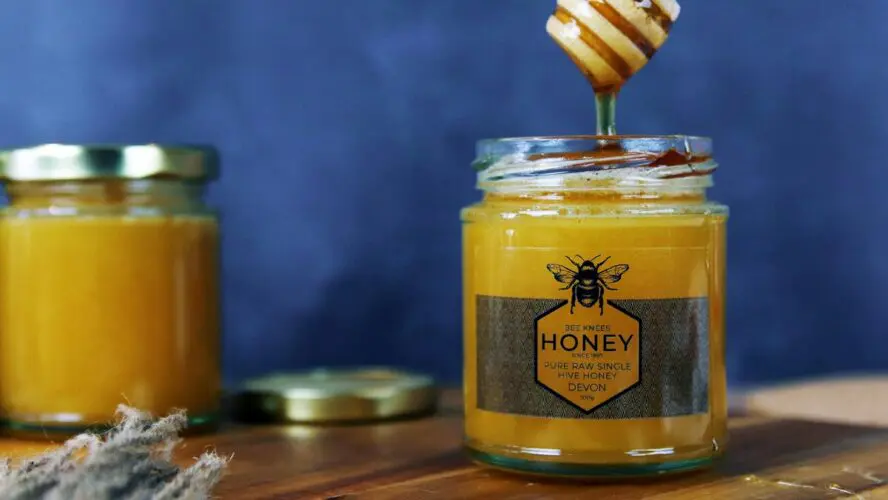
Domestic honey producers argue that the current enforcement vacuum actively penalizes local sustainability efforts. By allowing imported products to enter the U.S. market under the banner of USDA organic integrity without equivalent oversight, federal agencies inadvertently disincentivize domestic production.
Meanwhile, consumer advocacy groups are calling for tighter import controls, mandatory traceability audits at ports of entry, and an elimination of equivalency loopholes that bypass direct verification. Proponents of reform emphasize that a label is only as trustworthy as the audit trail supporting it. If the USDA organic seal loses its reputation for absolute rigor, consumer confidence across the entire organic sector—spanning produce, dairy, and pantry goods—could suffer collateral damage.
Future Outlook: How Consumers Can Navigate the Honey Aisle
While legal battles play out in the courts and regulatory agencies reevaluate import standards, everyday shoppers are left wondering how to ensure the honey they purchase is authentic, safe, and genuinely organic. Navigating the modern grocery store requires a discerning eye and a shift toward trusted sourcing models.
Practical Strategies for Sourcing Trustworthy Honey
- Prioritize Local, Raw, and Unfiltered Honey:
Whenever possible, bypass large commercial brands and seek out local beekeepers at farmers’ markets or through regional agricultural cooperatives. Raw, local honey is unfiltered, meaning it retains beneficial trace pollens, polyphenols, and unique regional flavor profiles. A cloudier appearance is often a positive indicator of minimal processing. - Scrutinize Country of Origin Labels:
If purchasing honey from a traditional supermarket, carefully read the fine print on the back label. Look for products explicitly harvested, bottled, and certified within the United States, where producers are subject to direct, unannounced or annual domestic inspections. - Research Brand Transparency:
Support mission-driven brands that go above and beyond baseline compliance. Companies like Nate’s, for example, voluntarily submit their supply chains and products to independent, third-party laboratory testing to verify purity and screen for added syrups or chemical residues. - Understand the Value Proposition:
High-quality, sustainably produced honey is an artisanal agricultural product that requires immense labor, land stewardship, and ecological protection. If a jar of "organic" honey seems suspiciously inexpensive, it is worth investigating the brand’s sourcing transparency.
The Path Forward
The lawsuit filed by Bruce Kaser serves as a vital wake-up call for the food industry. Protecting the integrity of the USDA organic seal requires continuous vigilance, modernized trade agreements, and closing regulatory loopholes that leave domestic markets exposed to fraudulent imports. Until systemic reforms take root at the federal level, consumer awareness and direct relationships with local producers remain the most effective shields against the bitter reality of food fraud.