By The Sustainable Style Desk
Published: July 2026
Executive Overview
For decades, the fashion industry has operated on a hyper-accelerated pendulum of seasonal trends, cheap materials, and disposable consumption. Consumers have been conditioned to cycle through dozens of micro-trends a year, accumulating cheap garments that degrade after only a handful of washes. However, a profound cultural and economic shift is underway. Propelled by growing ecological awareness and economic pragmatism, the modern consumer is turning away from fast fashion in favor of a simpler, more resilient philosophy: Buy less, buy better.
This article serves as a definitive guide to building a perpetual, sustainable investment wardrobe. Moving past the marketing buzzwords that have diluted terms like "investment piece," we examine what it truly means to acquire timeless, high-quality garments and accessories designed to outlive the fast-fashion cycle. Featuring exclusively vetted brands rated as "Good" or "Great" by independent sustainability authorities like Good On You, this comprehensive curation showcases the pioneers of slow fashion—from mercury-free fine jewelry to upcycled leather goods and zero-waste knitwear.
Detailed Chronology: The Evolution of Slow Fashion and Conscious Consumption
To understand where sustainable fashion stands today, it is essential to look at the structural trajectory that brought the industry to this juncture.
- The Rise of Fast Fashion (Late 20th Century to Early 2010s): The democratization of style through ultra-low-cost manufacturing led to unprecedented volumes of clothing production. Supply chains grew opaque, garment workers faced systemic exploitation, and environmental degradation accelerated unchecked.
- The Transparency Awakening (Mid-2010s): Following ecological tragedies and growing pressure from investigative journalists and grassroots activists, consumer demand for supply chain transparency skyrocketed. Brands could no longer hide behind glossy advertisements without backing up their ethical claims.
- The Circular Economy Pivot (Late 2010s to 2020s): The conversation shifted from mere harm reduction to complete circularity. Innovators began pioneering closed-loop systems, utilizing deadstock, agricultural waste (such as cactus and apple leather), and regenerative agriculture to build durable clothing systems.
- The Modern Paradigm (2026 and Beyond): Today, sustainable fashion is no longer viewed as a niche aesthetic or a temporary trend. It has crystallized into a robust economic movement. Independent rating systems, rigorous verification methodologies, and a thriving secondary market have empowered consumers to invest strategically in their wardrobes, ensuring that every purchase functions as a vote for ethical craftsmanship and planetary health.
Supporting Context & Metrics: The Economics of Longevity
When discussing sustainable fashion, the conversation inevitably turns to cost. Critics of ethical apparel frequently point to the higher up-front price tag of sustainably produced garments compared to their fast-fashion counterparts. However, evaluating cost strictly at the point of purchase is a flawed metric.
The True Cost of Production
Sustainable clothing costs more for fundamental, non-negotiable reasons:
- Fair Wages: Garment workers must be paid a living wage, ensuring safe, humane working conditions throughout the supply chain.
- Superior Materials: Ethical brands invest in certified organic, recycled, or regenerative materials that require fewer chemical inputs and offer vastly superior durability.
- Responsible Manufacturing: Processes that eliminate toxic chemicals (such as mercury and cyanide in gold mining) or reduce water consumption require specialized, ethical engineering.
The Cost-Per-Wear Equation
While the initial outlay is higher, long-term economic studies reveal a compelling narrative. A comprehensive circularity report by Vestiaire Collective demonstrated that the cost-per-wear of pre-loved and high-quality sustainable designer pieces averages 33% cheaper in the long run than continuously purchasing brand-new fast-fashion products. Because fast-fashion garments break down rapidly, shrink, pill, or fall out of style within weeks, they require constant replacement, ultimately funneling more money out of the consumer’s pocket and straight into overcrowded landfills.
For those operating on tighter budgets, the sustainable fashion ecosystem offers multiple entry points. Affordable brands dedicated to responsible manufacturing provide accessible gateways, while second-hand platforms like Vestiaire Collective and eBay offer a vibrant circular economy that bridges the gap between high design and financial accessibility.
Official Standards: How We Evaluate Your Wardrobe
At Good On You, recommendations are built upon rigorous, transparent, and independent assessment methodologies. The fashion industry is notoriously prone to greenwashing, making independent verification critical for conscious consumers.
The evaluation framework relies on a comprehensive five-point scale, aggregating data across three core pillars:
- People: Evaluating labor standards, fair wages, workplace safety, and supply chain transparency.
- Planet: Assessing carbon footprints, water usage, chemical management, and waste reduction strategies.
- Animals: Reviewing sourcing practices for animal-derived materials, cruelty-free certifications, and the adoption of high-performance vegan alternatives.
Only brands that achieve a "Good" or "Great" rating make it into our curated guides. This ensures that every piece recommended not only meets high standards of aesthetic longevity and physical durability but also actively contributes to a healthier global ecosystem.
The Curation: Sustainable Investment Brands to Keep Forever
Below is our updated directory of exceptional brands that embody the "buy less, buy better" ethos. Whether you are looking for zero-waste knitwear, structural vegan accessories, or conflict-free fine jewelry, these labels represent the pinnacle of modern conscious design.
1. FUTURA Jewelry
- Specialty: Mercury-Free Fine Jewelry
- Overview: Based in New York, FUTURA Jewelry is a trailblazer in responsible luxury. Each piece is handcrafted using 18kt Certified Fairmined Ecological gold. Sourced from the world’s few certified Fairmined mines, the brand’s gold is extracted entirely without the use of toxic chemicals such as mercury and cyanide, ensuring absolute purity from mine to market.
- See the rating | Shop FUTURA Jewelry
2. Mashu
- Specialty: Vegan Handbags & Accessories
- Overview: A British vegan accessories label holding a coveted "Good" environmental rating. Mashu specializes in sculptural handbags crafted with innovative vegan leather alternatives. Their interiors are lined with vegan suede made entirely from recycled polyester, proving that consumers never have to sacrifice personal morals for high-end style.
- See the rating | Shop Mashu
3. ESSÄN
- Specialty: Slow Footwear & Permanent Collections
- Overview: Founded in 2016 by Marre Muijs in direct response to the overproduction crisis of the traditional fashion cycle, ESSÄN rejects the fast-fashion calendar. By limiting production runs, utilizing low-waste cutting techniques, and offering a single, permanent collection of shoes and accessories, the brand prioritizes classic architecture over transient trends.
- See the rating | Shop ESSÄN
4. CAES
- Specialty: Minimalist Womenswear
- Overview: Pronounced like "case," this Dutch brand champions the philosophy that fashion does not need to be fast or seasonal. CAES creates timeless, minimalist apparel utilizing lower-impact materials, including innovative Desserto cactus leather, recycled cotton, and Tencel Lyocell. The brand partially traces its supply chain and enforces a strict code of conduct aligned with fundamental labor principles.
- See the rating | Shop CAES
5. WE-AR4
- Specialty: Upcycled Luxury Essentials
- Overview: Founded by fashion industry veterans in the United States, WE-AR4 merges intelligent design with uncompromising style. Rather than manufacturing new textiles from scratch, the brand rescues existing ones—"thrifting" high-grade leathers and luxury fabrics left over from other fashion houses—giving them a glamorous second life alongside certified lower-impact materials (available in sizes XS–L).
- See the rating | Shop WE-AR4
6. Artknit Studios
- Specialty: Responsible Italian Knitwear
- Overview: Artknit Studios creates exquisite, timeless knitwear using 100% lower-impact materials crafted responsibly by artisan makers across Italy. Partnering with facilities committed to anti-waste practices, they utilize exclusively certified and locally sourced fibers. Offering comprehensive sizing from XS to XXL, their collections exemplify understated elegance and natural ease.
- See the rating | Shop Artknit Studios
7. Bario Neal
- Specialty: Ethical Custom Fine Jewelry
- Overview: A visionary custom jewelry designer specializing in handmade rings and fine jewelry. Bario Neal crafts heirloom-quality pieces using conflict-free diamonds, reclaimed precious metals, Fairmined gold, and ethically vetted gemstones, ensuring that symbols of love and commitment carry a clean conscience.
- Explore Bario Neal
8. Akyn
- Specialty: Contemporary Womenswear
- Overview: Founded by sustainable fashion industry luminary Amy Powney, Akyn delivers contemporary yet enduring womenswear collections engineered strictly with lower-impact materials, bridging the gap between avant-garde design and strict ethical stewardship.
- See the rating | Shop Akyn
9. HERTH
- Specialty: Italian Luxury Lifestyle Apparel
- Overview: An Italian lifestyle brand merging timeless aesthetics with uncompromising ethics. HERTH champions slow fashion through clean silhouettes, meticulous attention to detail, and local artisan manufacturing using lower-impact materials. Available in sizes XS to 2XL, HERTH defines effortless modern luxury.
- See the rating | Shop HERTH
10. Christy Dawn
- Specialty: Vintage-Inspired Dresses & Footwear
- Overview: Operating as a minimalist showroom for vintage-inspired womenswear, Christy Dawn proudly holds a "Great" sustainability rating. Locally made using surplus and deadstock fabrics, the US-based brand offers standard sizing from XS to XL, alongside dedicated Extended and Petite collections.
- See the rating | Shop Christy Dawn
Future Outlook: The Next Horizon of Conscious Wardrobes
As we look toward the future of personal style, the definition of luxury is undergoing a fundamental metamorphosis. Luxury is no longer signaled by conspicuous consumption, brand logos, or the sheer volume of items hanging in a closet. Instead, true modern luxury is defined by provenance, longevity, and intention.
The integration of advanced traceability technologies, blockchain verification for supply chains, and bio-fabricated circular materials will soon make greenwashing obsolete. Consumers will demand absolute clarity regarding where their garments were made, who made them, and how they can be returned to the earth or recycled into new garments at the end of their lifecycle.
By curating an investment wardrobe anchored by brands that prioritize people, animals, and the planet, consumers are not merely updating their closets—they are actively voting for a regenerative fashion industry. Remember: the most sustainable garment is always the one already in your closet, but when you do need to invest in something new, choose consciously, buy better, and keep it forever.
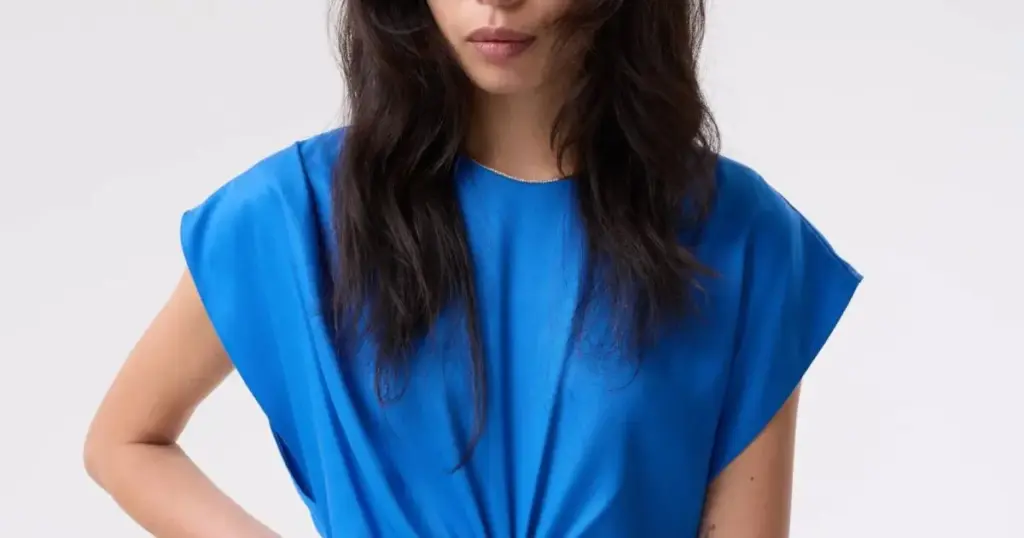
Editor’s Note: Feature images courtesy of Akyn and respective featured brands. Good On You publishes the world’s most comprehensive ratings on the impact of fashion and beauty brands. Explore the complete, searchable directory of thousands of rated brands on the official Good On You Directory.