

Executive Overview
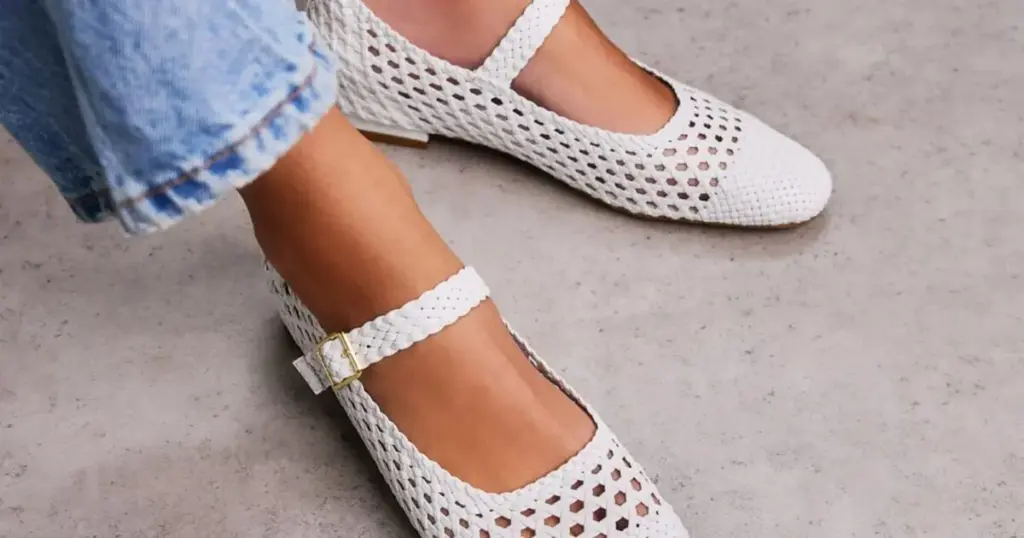
The global footwear industry stands at a critical environmental crossroads. As fashion trends cycle at an unprecedented pace—propelled by the viral resurgence of mesh flats and avant-garde ballet sneakers—the hidden ecological toll of our wardrobes becomes increasingly difficult to ignore. Footwear, historically one of the most complex and resource-intensive categories in apparel manufacturing, has long relied on adhesives that are difficult to break down, virgin leather processing with toxic chemical runoffs, and petroleum-derived synthetics that persist in landfills for centuries.
Enter the conscious consumer movement of 2026. Today’s buyers are no longer willing to sacrifice personal style for ethical values. They demand footwear that seamlessly bridges the gap between walkability, longevity, and sustainability. Flat shoes—encompassing everything from classic ballet pumps and minimalist mules to woven slip-ons and structured loafers—represent a cornerstone of the modern capsule wardrobe. They offer pragmatic comfort for the daily commute, polished professionalism for the boardroom, and effortless versatility for evening wear.
However, achieving true sustainability in flat shoes requires looking beyond surface-level greenwashing. While major footwear trends dictate the aesthetic zeitgeist, discerning shoppers must scrutinize material sourcing, labor practices, and circular design methodologies. This comprehensive guide explores the current landscape of sustainable flat shoes, highlights leading ethical brands that have earned rigorous "Good" or "Great" ratings through independent sustainability methodologies, and provides a roadmap for building a kinder, greener footwear collection.
Detailed Chronology: The Evolution of Sustainable Footwear
To understand where the ethical flat shoe market stands today, it is essential to retrace how the conversation around sustainable footwear has evolved over the past decade.
2014–2017: The Rise of Transparency and Vegan Alternatives
At the mid-2010s inflection point, the sustainable fashion movement primarily focused on apparel, leaving footwear as a notoriously difficult frontier. Early pioneers began challenging traditional leather manufacturing, which is heavily associated with deforestation and heavy-metal tanning practices. During this window, early vegan footwear brands emerged, largely relying on polyurethane (PU) synthetics. While these initial offerings spared animal lives, the heavy reliance on fossil-fuel-derived plastics quickly sparked a secondary environmental debate regarding microplastics and end-of-life disposal. Brands like Etiko began championing Fair Trade certifications and organic materials, laying early groundwork for supply chain accountability.
2018–2021: The Slow Fashion Rebellion and Material Innovation
As overproduction reached crisis levels, independent designers began actively rebelling against the traditional fashion calendar—which demands four to six collections a year. In 2016, founder Marre Muijs launched ESSÄN in direct response to an industry plagued by excess stock and trend-chasing. Concurrently, material science made significant strides. Innovators looked beyond petroleum plastics, pioneering bio-based alternatives derived from agricultural waste, such as apple skins, grape pomace, and hemp fibers. Spain and Poland emerged as European hubs for ethical footwear, utilizing localized supply chains and renewable energy to minimize carbon footprints.
2022–2025: Circularity, Made-to-Order Models, and Global Standards
Post-pandemic consumer habits accelerated the demand for durable, multi-functional footwear. The flat shoe surged in popularity as remote and hybrid work models prioritized comfort without sacrificing professional polish. Footwear brands increasingly adopted circular economy principles. Companies like Spain’s Vesica Piscis introduced made-to-order manufacturing models to eliminate deadstock entirely. Furthermore, industry standards became more stringent; the Leather Working Group (LWG) became the benchmark for responsible leather sourcing, while independent evaluation platforms like Good On You standardized the assessment of brands across people, planet, and animal metrics.
2026 and Beyond: Trend Integration and Next-Gen Bio-Materials
Today, sustainable flat shoes are no longer relegated to clunky, purely utilitarian designs. The market effortlessly marries contemporary trends—such as breathable mesh finishes and sport-infused ballet sneakers—with rigorous environmental standards. Brands utilize advanced bio-oils and recycled natural rubber soles, ensuring that even vegan footwear minimizes its dependency on virgin petrochemicals. The paradigm has shifted permanently: sustainability is no longer an optional niche marketing angle, but the baseline requirement for modern footwear design.
Supporting Context & Metrics: The Anatomy of a Sustainable Flat Shoe
When evaluating whether a pair of flat shoes genuinely aligns with sustainable principles, consumers must look beneath the insole. The manufacturing of footwear involves numerous interconnected supply chain steps, each carrying distinct environmental and social implications.
The Material Dilemma: Leather vs. Vegan Alternatives
The debate between traditional leather and synthetic alternatives remains nuanced.
- Animal-Derived Materials: Cattle farming is a primary driver of global deforestation and greenhouse gas emissions. Tanning processes often involve chromium and other toxic chemicals that threaten local water supplies. However, if a brand does use leather, responsible sourcing is paramount. Certification from bodies like the Leather Working Group ensures tanneries meet strict environmental audits regarding water usage, waste management, and energy efficiency.
- Vegan Alternatives: Historically, vegan shoes relied heavily on PVC and standard polyurethane, both of which are fossil-fuel derivatives. Modern innovators have revolutionized this space. Today’s top-tier vegan flats utilize bio-based materials—such as waste fibers from the wine industry (grape leather), apple cultivation (apple skin), and fast-growing agricultural crops like hemp. Furthermore, forward-thinking brands pair these uppers with outsoles crafted from recycled natural rubber rather than synthetic rubber compounds.
Production Waste and the Slow Fashion Model
Traditional shoe manufacturing generates immense cutting waste; upper materials are stamped out, leaving irregular scraps that typically end up in landfills. Brands committed to sustainability utilize low-waste cutting techniques, computerized pattern optimization, and permanent, non-seasonal collections. By opting out of rapid trend cycles, brands can focus on craftsmanship, ensuring that a single pair of loafers or ballet pumps can be resoled and worn for decades.
The Power of the Secondary Market
Undeniably, the most sustainable garment or shoe is the one that already exists. The exponential growth of recommerce platforms—such as Vinted, eBay, and local thrift ecosystems—has transformed how consumers acquire footwear. Buying secondhand extends product lifecycles, diverts items from municipal waste streams, and disrupts the demand for virgin manufacturing resources.
Official Statements and Brand Spotlights: Leading the Charge in 2026
To help consumers navigate the crowded market, independent rating platforms rigorously assess brands based on their impact on people, the planet, and animals. Below are six standout brands featured in the 2026 sustainable footwear index, each earning high marks for their ethical practices.
1. Agazi (Poland)
- The Ethos: A specialized vegan footwear brand based in Poland, Agazi creates a versatile collection spanning sneakers, sandals, heels, and classic flat shoes.
- Material Innovation: The brand completely eschews animal-derived materials, instead championing agricultural upcycling. Agazi’s footwear is crafted from innovative alternatives, including durable hemp and bio-leathers derived from apple skins and grape waste.
- Standout Quality: By transforming food industry byproducts into luxury footwear, Agazi redefines circular material utilization without compromising on aesthetic appeal.
2. ESSÄN (Global / Studio-Direct)
- The Ethos: Founded in 2016 by Marre Muijs, ESSÄN was born out of frustration with an overproducing fashion industry. Muijs notes: "I founded ESSÄN in 2016 as a response to a fashion cycle that overproduces more than it carefully crafts, chases trends more than it determines classics, and wastes more than it sustains."
- Production Model: Eschewing the traditional seasonal fashion calendar entirely, ESSÄN focuses on a single, permanent collection of meticulously crafted shoes and accessories.
- Waste Reduction: The brand strictly limits production runs and utilizes advanced low-waste cutting techniques to ensure material efficiency from studio to doorstep.
3. Elk (Melbourne, Australia)
- The Ethos: Established in Melbourne in 2004, Elk is a pioneer of independent Australian design. The brand operates on bi-annual collections informed by a distinct design philosophy where simplicity, longevity, and sustainability intersect with modern innovation.
- Size Inclusivity: Elk prioritizes broad accessibility, offering most items in Australian sizes 6 through 18.
- Operational Integrity: Elk maintains transparent reporting regarding its supply chain audits, ensuring that design creativity never outpaces environmental and social responsibility.
4. Reformation (Los Angeles, USA)
- The Ethos: Operating out of Los Angeles, Reformation has built a global reputation on creating "killer clothes that don’t kill the environment." While widely celebrated for apparel, their footwear line adheres to the same stringent standards.
- Labor and Human Rights: Reformation goes beyond environmental metrics by auditing its supply chain to ensure living wages for a guaranteed proportion of its manufacturing partners. Furthermore, the brand invests heavily in worker training programs to continuously improve factory floor conditions.
- Size Inclusivity: Demonstrating a commitment to inclusive fashion, Reformation’s ranges frequently span sizes XS through 3XL.
5. Vesica Piscis (Spain)
- The Ethos: Headquartered in Spain, Vesica Piscis is a dedicated vegan footwear label that approaches manufacturing with uncompromising ecological rigor.
- Manufacturing Practices: The brand relies on a high proportion of lower-impact, eco-friendly materials and powers its facilities using renewable energy sources. To combat the industry-wide plague of deadstock and overproduction, Vesica Piscis operates primarily on a made-to-order basis.
- Fit Range: Most shoes are available across a comprehensive sizing scale from 36 to 46, ensuring broad consumer accessibility.
6. Etiko (Australia)
- The Ethos: Etiko is an Australian-born pioneer of organic, Fair Trade clothing and footwear. For years, the brand has consistently set the benchmark for human rights activism within traditionally exploitative supply chains.
- Social Impact: Etiko ensures that workers from cotton farmers to final assembly artisans receive fair compensation, safe working conditions, and respect for their fundamental labor rights.
- Availability: Etiko offers clothing in Australian sizes 8 to 20, and an extensive footwear size range in UK sizes 3 through 13.
Future Outlook: What Lies Ahead for Ethical Footwear
As we look toward the remainder of the decade, the trajectory of sustainable footwear points toward radical transparency, digital product passports, and advanced biological circularity.
Regulators across the globe—particularly within the European Union—are tightening enforcement against greenwashing, requiring brands to substantiate environmental claims with verifiable lifecycle assessments. For flat shoes, this means that vague terms like "eco-friendly" will be replaced by precise data detailing water savings, carbon offsets, and exact material breakdowns.
Furthermore, consumer demand is shifting away from disposable fast-fashion footwear toward investment pieces that can be easily repaired. We anticipate a resurgence in local cobbler networks, brand-backed repair initiatives, and take-back schemes where worn-out soles are systematically recycled into raw materials for new collections.
Whether you opt for a sleek pair of grape-leather ballet pumps from Agazi, a timeless permanent-collection loafer from ESSÄN, or scour the virtual racks of secondhand marketplaces like Vinted and eBay, building a sustainable shoe collection is an empowering step. By aligning your purchasing power with brands that prioritize people, planet, and animals, your footwear choices can truly make a positive footprint.



