

Executive Overview
In September, the American automotive industry crossed a symbolic and economic Rubicon. For the first time in history, the average transaction price (ATP) for a new vehicle in the United States surged past the $50,000 threshold, according to comprehensive market estimates released by Kelley Blue Book (KBB), a Cox Automotive company. This milestone is not merely a statistical anomaly; it represents the culmination of more than a year of persistent inflationary pressure, changing consumer preferences, and a structural shift toward premium and electrified transport.
While the broader automotive market has seen steady price escalation for months—with the pace accelerating over the summer—American consumers have shown remarkable resilience, continuing to purchase new vehicles despite the mounting financial weight. A primary driver of this unprecedented pricing territory is the surging popularity and market penetration of electric vehicles (EVs) and luxury models. In September, EVs captured a record 11.6% market share of all new vehicle sales, with an average transaction price of $58,124.
This deep dive examines the macro-economic forces pushing new car prices into uncharted territory, analyzes the explosive third-quarter performance of the electric vehicle sector, evaluates Tesla’s shifting dominance in the face of new market realities, and explores what this inflationary environment means for the future of the American car buyer.
Detailed Chronology: The Road to $50,000
To understand how the American new car market reached an average price point exceeding $50,000, one must trace the trajectory of economic pressures, supply chain adjustments, and consumer behavior that defined the preceding quarters.
The Post-Pandemic Legacy and Structural Inflation
The journey toward September’s record-breaking transaction prices began in the wake of global supply chain disruptions, semiconductor shortages, and logistical bottlenecks that plagued the industry from 2020 through 2022. During that period, automakers learned they could maintain high profitability by prioritizing the production of higher-trim, feature-rich, and luxury vehicles over high-volume, low-margin entry-level cars.
As production stabilized, the automotive landscape did not return to its pre-pandemic baseline. Instead, manufacturing costs—bolstered by rising labor expenses, regulatory compliance costs, and newly introduced tariffs—remained elevated. By mid-2023, the industry settled into a new normal where the traditional, highly affordable $20,000 commuter car became nearly extinct.
The Summer Surge of 2025
Throughout the summer months, the pace of price increases noticeably quickened. Automakers grappled with evolving macroeconomic conditions, while consumers faced the reality of higher borrowing costs tied to lingering high interest rates. Yet, demand remained surprisingly robust.
As the calendar turned toward September, a convergence of events accelerated the market into record-shattering territory. Chief among these was the impending expiration of specific government-backed EV incentives at the end of September. Sensing a closing window of opportunity, prospective buyers rushed showrooms and digital storefronts to lock in purchases before subsidies expired. This sudden rush of volume, heavily concentrated in technologically advanced and higher-priced segments, served as the final catalyst pushing the overall market average past the $50,000 mark.
Supporting Context & Metrics: Inside the Numbers
A granular look at the data provided by Kelley Blue Book and Cox Automotive reveals a complex ecosystem where high-tech adoption, aggressive discounting, and luxury tier preferences intersect.
The Electric Vehicle Boom of Q3
The third quarter of the year proved to be a watershed moment for electrification in the United States.
- Quarterly Volume: A milestone 437,487 electric vehicles were sold across the US during Q3.
- Market Share: EVs secured a 10.5% market share for the quarter, representing a nearly 30% surge compared to the exact same period in the previous year.
- Monthly Peak: By September, EV market share climbed even higher, capturing an estimated 11.6% of all new vehicle sales—an all-time high for a single month.
Despite the high volume of sales, pricing within the EV segment remained remarkably stable on a year-over-year basis. The average EV sold for $58,124 in September, marking a modest 3.5% increase from August’s adjusted figures, but sitting down a mere 0.4% compared to the same month a year prior.
The Role of Incentives
Automakers and dealerships have heavily relied on financial incentives to maintain sales momentum in an inflationary environment. In September, incentives averaged 15.3% of the total transaction price, translating to roughly $8,900 per vehicle. While this figure represents a slight cooling down compared to August, it sits notably higher than the 13% average recorded during the same period last year. These robust incentives have been vital in absorbing some of the sticker shock for consumers stepping into advanced powertrains.

The Tesla Factor and Market Dynamics
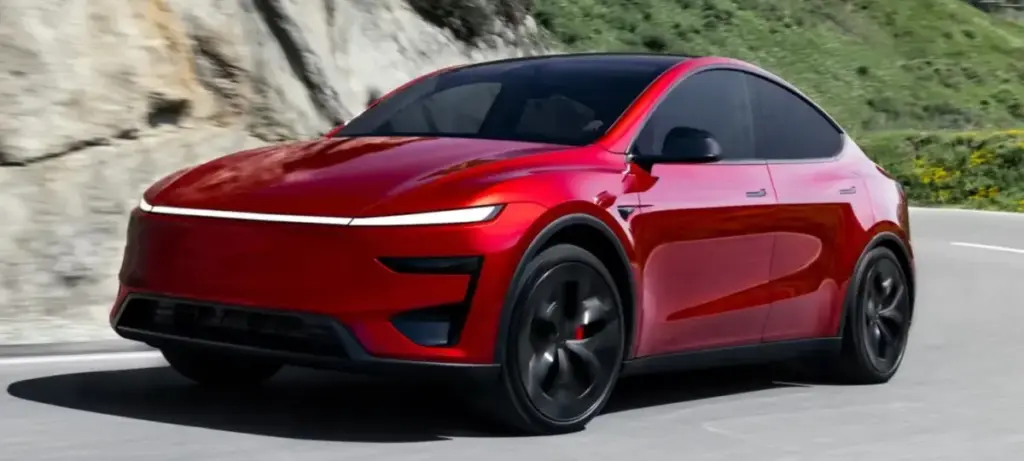
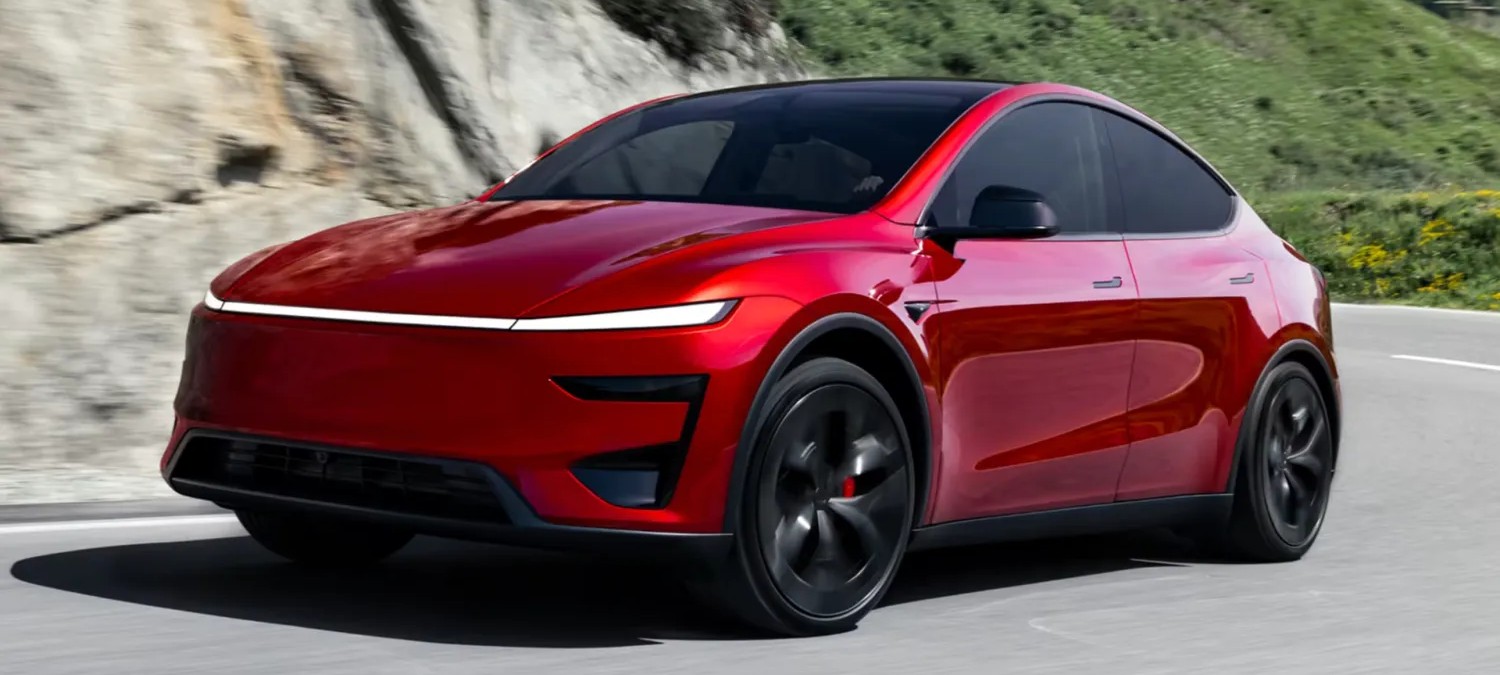
Tesla continues to hold a dominant, albeit evolving, position within the American EV market. In September, the average transaction price for a Tesla vehicle stood at $54,138. While this reflects a slight dip from August, it represents a more substantial 6.8% decrease compared to 12 months prior.
This downward trend in Tesla’s ATP is largely strategic. By introducing new, more accessible "Standard" versions of the Model 3 and Model Y, Tesla has actively courted a broader demographic of buyers, pulling down the segment’s overall average pricing in the process.
Official Statements and Industry Analysis
Industry experts emphasize that the crossing of the $50,000 threshold is symptomatic of broader, systemic changes within the global manufacturing and economic spheres.
Erin Keating, executive analyst at Cox Automotive, contextualized the milestone by pointing to the fundamental inflationary nature of the modern automotive market.
"It is important to remember that the new-vehicle market is inflationary. Prices go up over time, and today’s market is certainly reminding us of that," Keating explained. "The $20,000 vehicle is now mostly extinct, and many price-conscious buyers are sidelined or cruising in the used-vehicle market."
Keating also addressed the confluence of regulatory and market forces currently acting upon dealerships and manufacturers. While noting that newly introduced tariffs have added fresh cost pressures to the supply chain, she emphasized that the record-setting transaction prices seen in September were primarily propelled by a healthy, high-value mix of electric vehicles and luxury offerings.

Future Outlook: Disruption on the Horizon
As the automotive industry looks past the milestone of $50,000 average transaction prices, analysts are forecasting a period of intense market disruption.
The Sidelined Consumer and the Used Market
With new vehicles increasingly out of reach for average-income households, the traditional new-car buyer profile is shifting. Budget-conscious consumers are increasingly forced to look elsewhere—either remaining on the sidelines by holding onto older vehicles longer or turning in large numbers to the pre-owned and used-vehicle markets. This bifurcation could force automakers to re-evaluate their long-term product planning, potentially sparking a race to develop genuinely affordable entry-level models to capture disenfranchised buyers.
The Evolution of EV Pricing
In the electric vehicle sector, market watchers anticipate that the introduction of lower-priced trims—such as Tesla’s new Standard variants—will continue to exert downward pressure on average EV transaction prices in the coming months. As legacy automakers ramp up production of their own second- and third-generation electric platforms, increased competition is expected to drive further price optimization.
However, the removal or scaling back of government-backed incentives will present a significant stress test for consumer demand. If manufacturers wish to sustain the momentum that saw EV market share top 11% in September, they may need to absorb more of the cost through direct discounting or accelerate cost-reduction measures in battery manufacturing and supply chains.
Ultimately, September’s milestone serves as both a warning sign regarding affordability and a testament to the aggressive technological pivot currently reshaping American mobility. The era of the sub-$20,000 car may be gone, but the age of electrification and advanced automotive engineering is fully underway, permanently altering what consumers expect—and are asked to pay—for personal transportation.



