By Investigative Staff
Executive Overview
For decades, the densely populated and rapidly developing U.S. Eastern Seaboard has faced a formidable energy dilemma. Hemmed in by a heavily built environment, aging transmission infrastructure, and escalating power demands, the region possesses remarkably few viable pathways for scaling up renewable energy. Unlike the wide-open, wind-swept expanses of the American West or the vast flatlands of Texas, the East Coast cannot simply deploy massive tracts of onshore solar panels or inland wind farms.
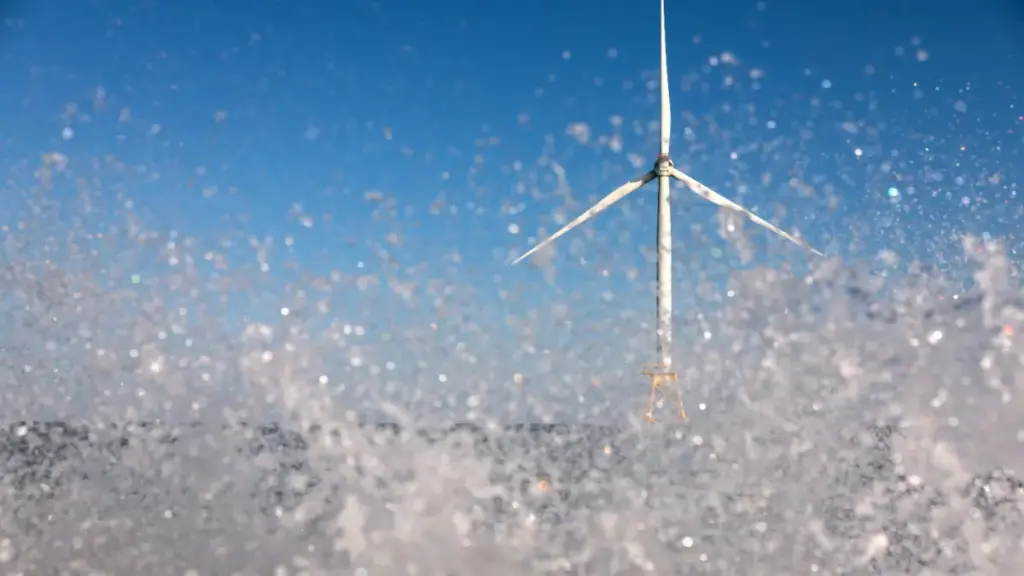
To bridge this chasm, energy planners, state legislators, and federal officials pinned their hopes on a singular, transformative solution: offshore wind. Positioned just miles off the coastlines of major metropolitan centers, massive turbine arrays promised a direct pipeline of clean, high-capacity electricity to the nation’s largest power-hungry population hubs. Under the Biden administration, this vision nearly materialized into reality as coastal waters were leased at an unprecedented pace, transforming offshore wind into the crown jewel of regional climate strategies.
Today, that promise is rapidly unravelling. Caught in a brutal crossfire of stubborn economic headwinds, soaring construction costs, and an openly hostile federal government following the return of the Trump administration in 2025, the U.S. offshore wind industry is fighting for its very survival. While the technology is not yet dead, it is fading precisely when the East Coast needs it most.
Federal roadblocks—ranging from aggressive permit revocations and questionable Pentagon reviews to multi-billion-dollar lease buyouts—have wiped out tens of gigawatts of potential clean power. Meanwhile, major interstate grids are buckling under unprecedented demand spikes driven by the explosive growth of data centers, industrial electrification, and modern manufacturing. As regional carbon-reduction targets slip further out of reach and electricity prices skyrocket, policymakers and industry leaders are left grappling with an unsettling reality: without offshore wind, meeting America’s clean energy future may be borderline impossible.
Detailed Chronology: From Biden’s Boom to the 2025 Federal Backlash
The trajectory of American offshore wind has transformed from a high-flying federal priority into a cautionary tale of regulatory whiplash.
The Biden-Era Golden Age (2021–2024)
Under the leadership of former President Joe Biden, offshore wind was championed as the cornerstone of federal decarbonization strategy. Recognizing its unique geographic advantage—placing heavy-duty power generation directly offshore from massive electricity load centers—the administration moved aggressively to open federal waters to development.
The watershed moment arrived in 2021 when the federal government permitted Vineyard Wind, the nation’s first commercial-scale offshore wind project. Momentum snowballed quickly. Over the subsequent three years, the Department of the Interior leased roughly 1.9 million acres of coastal waters to energy developers—surpassing the total acreage awarded during the previous three presidential administrations combined. Eastern states integrated these federal leases directly into their statutory climate goals, designing long-term energy portfolios around the steady hum of offshore turbines.
The 2025 Pivot: Hostility and Disruption
The landscape shifted dramatically when the Trump administration assumed office in January 2025. What followed was an immediate, concerted effort to dismantle federal support for the offshore wind sector.
Developers who were already grappling with high interest rates, supply chain bottlenecks, and inflationary pressures suddenly found themselves navigating a regulatory minefield. The new administration deployed an arsenal of administrative obstacles, including:
- Targeted Reviews: Subjecting ongoing and approved projects to protracted, questionable Pentagon and environmental reviews designed to stall momentum.
- Permit Retractions & Stop-Work Orders: Issuing sudden administrative halts that left billions of dollars in capital investments hanging in administrative limbo.
- The Lease Buyout Strategy: Perhaps the most consequential weapon deployed by the administration was a federal buyout program. Under this initiative, the federal government actively paid developers to surrender their hard-earned development rights in federally managed waters.
By mid-August 2025, the administration had committed approximately $4 billion in payouts. This financial maneuvering successfully wiped an estimated 21 gigawatts of potential wind power capacity off U.S. coasts—enough electricity to power over 15 million average-sized American homes. With federal officials signaling openness to further deals, remaining developers face mounting pressure to abandon their portfolios entirely.
Supporting Context & Metrics: A Grid on the Brink and States Trapped
The systematic dismantling of the offshore wind pipeline could not come at a worse moment for the Eastern Seaboard. The region’s three major interstate grids—spanning the Northeast and the mid-Atlantic—are facing an unprecedented convergence of rising electricity demand and supply deficits.
The Data Center Explosion and Transmission Bottlenecks
The rapid proliferation of artificial intelligence, cloud computing, and energy-intensive data centers has placed an unprecedented strain on regional grids. At the same time, regional electrification efforts (such as the electrification of home heating and commercial fleets) and a localized manufacturing boom are driving electricity consumption to historic highs.
The structural geometry of the East Coast exacerbates these vulnerabilities.
- New York State: Roughly half of the state’s total electricity demand is concentrated tightly around New York City and Long Island. However, a significant portion of the state’s existing clean power is generated upstate. Aging, congested transmission lines already act as a severe bottleneck, struggling to move power efficiently to the southern load centers.
- The PJM Interconnection: Serving the broader mid-Atlantic region, PJM faces an even more alarming outlook. Grid operators project that power demand will outstrip available supply by a staggering 7.8 gigawatts by 2033.
The Geographic Mismatch
Offshore wind offered a brilliant structural workaround to these transmission nightmares: it could deliver massive volumes of clean power directly into the heart of high-demand coastal zones via undersea cables.
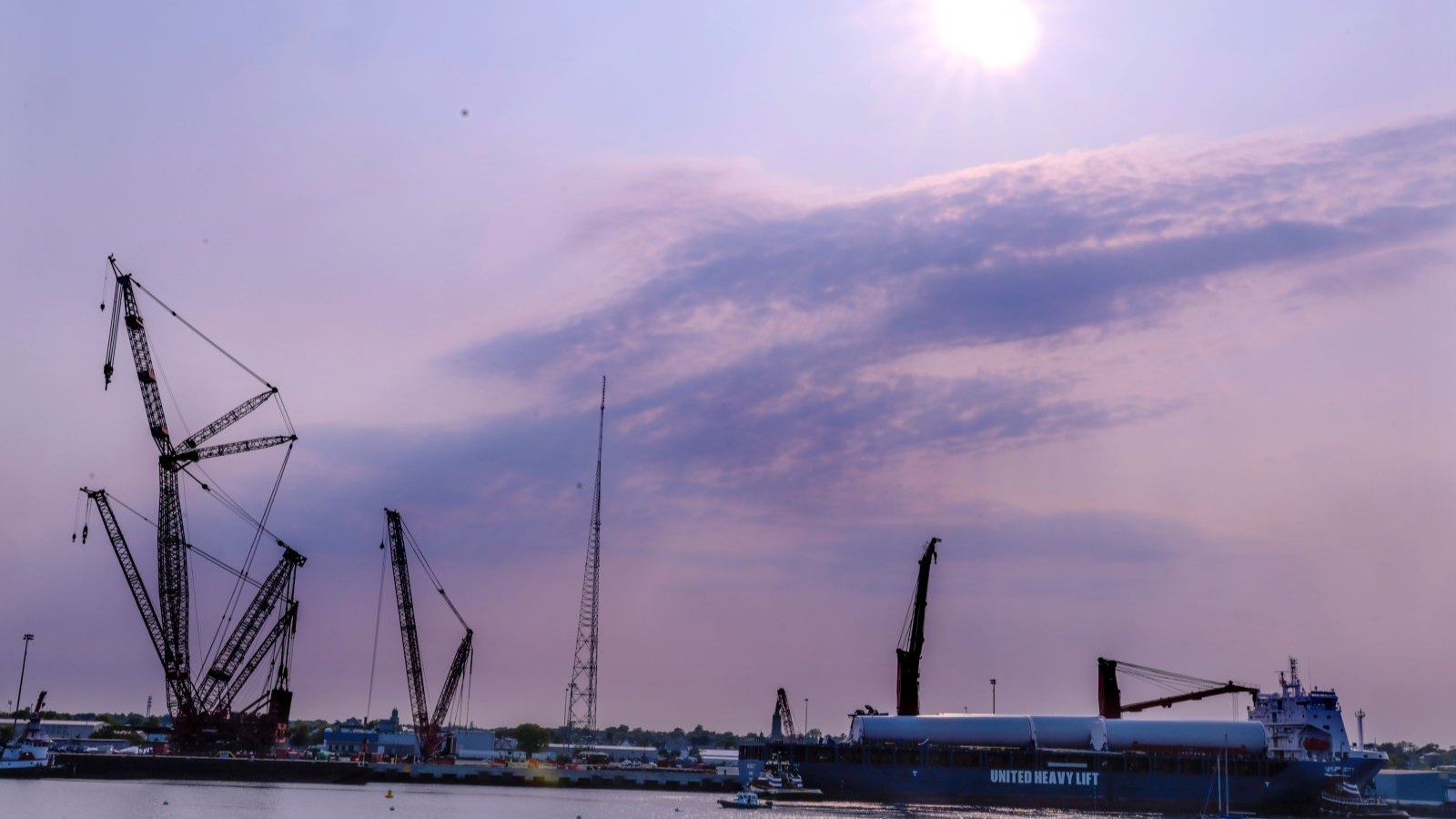
For instance, the Empire Wind project was designed to pipe clean electricity straight into New York City, while the Coastal Virginia Offshore Wind initiative feeds power directly into the booming northern Virginia data center cluster—now one of the fastest-growing energy consumers in the PJM footprint. Without these projects, eastern states possess few viable alternatives.
"The wind resource, and even the solar resource, in the Eastern U.S. is not nearly as good as it is in the West," explains Mark Repsher, an energy and sustainability expert at PA Consulting. Pointing to the wide-open prairies of eastern Colorado—where rolling hills and flatlands have blossomed with endless fields of wind turbines and solar arrays—Repsher notes that the densely packed, urbanized geography of the East Coast makes land-based renewables deployment a logistical impossibility on the scale required.
State Climate Goals in Jeopardy
Prior to the 2025 federal shift, Eastern states codified offshore wind into their legal mandates:
- Massachusetts designated offshore wind the "cornerstone" of its clean energy transition.
- New York deemed the technology "critical" to meeting its statutory emissions reductions.
- Maryland formally identified offshore wind as its "greatest opportunity" to decarbonize its economy.
With these pipelines compromised, states are scrambling to adjust. In March, New York extended its emissions-reduction deadlines and relaxed greenhouse gas accounting standards, though offshore wind remains formally anchored in its plans. In New Jersey, local officials have abandoned plans to build onshore electrical substations meant to receive offshore power after developers cancelled or delayed their timelines indefinitely.
Despite these desperate policy adjustments, experts argue that state-level maneuvers are largely cosmetic. "If you have these fairly aggressive carbon reduction targets within these states," Repsher warns, "it’s borderline impossible to meet them without having offshore wind."
Official Statements and Industry Sentiments: Anger, Sadness, and Perseverance
Beneath the boardrooms of surviving energy firms, the mood is a complex mixture of professional grief and cautious resilience. While federal buyouts have claimed massive casualties, at least nine major companies continue to hold onto their offshore wind development rights.
Most of these remaining leaseholders are European energy giants with deep pockets and long-term strategic horizons. Notably, Denmark-based Ørsted—the world’s largest developer of offshore wind energy—and Spanish utility Avangrid remain the two largest remaining leaseholders, holding five and six undeveloped leases, respectively.
Yet, the human and corporate toll of the ongoing federal freeze has been profound.
"Companies are trying to be upbeat, but I think if you kind of peel back the layers a bit, there’s a number of emotions out there; anger, sadness," says Mark Repsher. "These people like what they do… sometimes it’s been their whole career, and it’s been put on pause now."
Industry veterans describe the current market climate as an "irked malaise"—a period of waiting out political headwinds while keeping core operational teams intact. Even as projects face cancellation or indefinite suspension, advocates emphasize that the fundamental physics and economic drivers of offshore wind have not vanished. Rising retail electricity prices across the East Coast actually improve the long-term commercial viability of new wind projects, should the political landscape shift.
Future Outlook: Planning for a Post-Trump Horizon ("Project 2029")
While the immediate operational outlook for East Coast offshore wind remains bleak, sector leaders are already looking past the horizon of the current federal administration. With the current executive term scheduled to conclude in early 2029, advocacy groups and policy researchers have begun laying the groundwork for a comprehensive industry revival.
Kris Ohleth, executive director of the Special Initiative on Offshore Wind—a pro-offshore wind nonprofit research organization—reveals that industry advocates have initiated planning for what is informally being called "Project 2029." This strategic initiative functions as a comprehensive policy roadmap designed to be handed directly to a future federal administration, detailing immediate executive actions, regulatory fixes, and funding mechanisms required to restart stalled American coastal energy production.
"Offshore wind is still such an exciting opportunity. It’s such a cool technology," Ohleth reflects, capturing the enduring optimism shared by many climate engineers and developers. "There’s something on the horizon, and that gives me hope."
Whether that horizon arrives in time to salvage state carbon targets and prevent severe regional grid deficits remains one of the defining questions of the American energy transition. For now, the East Coast offshore wind sector remains locked in a holding pattern—waiting for the political storm to pass before its turbines can finally catch the wind.