Executive Overview
The North Atlantic mackerel—an iconic, oil-rich pelagic species vital to marine ecosystems and commercial fishing economies alike—is facing an existential crisis. According to alarming new data from marine conservation organizations, the Atlantic mackerel population has plummeted by an astonishing 10 million tons over the past decade. This precipitous decline is not the result of natural environmental shifts or climate-induced ecosystem changes alone, but rather the direct consequence of a decade of aggressive, uncoordinated overfishing driven by a geopolitical free-for-all.
As the biomass continues to shrink, coastal nations and distant-water fishing superpowers are locked in an escalating resource conflict. Norway, Denmark, Iceland, the United Kingdom, the European Union, and Russia are currently engaged in a high-stakes scramble for what remains of the stock. Despite urgent, repeated warnings from fisheries scientists and marine ecologists that current catch rates are fundamentally unsustainable, these governing bodies continue to set unilateral quotas that routinely exceed scientific advice by staggering margins.
The ramifications of this regulatory failure extend far beyond the immediate economic loss to coastal communities. The impending collapse of the Atlantic mackerel fishery threatens to upend marine food webs, jeopardize global food security, and set a dangerous precedent for international ocean governance in an era of intensifying climate change. This report examines the mechanics of the collapse, the geopolitical gridlock fueling the "mackerel wars," and the urgent interventions required to pull one of the world’s most lucrative fisheries back from the brink of total destruction.
Detailed Chronology: A Decade of Decline and Diplomatic Failure
To understand how the Atlantic mackerel arrived at its current precarious state, one must trace a timeline defined by shifting migration patterns, receding governance, and short-sighted political opportunism.
2010–2014: The Expansion of Migratory Routes and the Breakdown of Consensus
For decades, the management of North Atlantic mackerel was relatively stable, governed by coastal state agreements between the EU, Norway, and the Faroe Islands. However, around 2010, warming waters caused by climate change triggered a dramatic shift in the migratory behavior of the mackerel. Seeking cooler waters and abundant food supplies, massive schools began pushing far north and west, expanding their range into Icelandic and Greenlandic waters.
This ecological shift catalyzed a geopolitical crisis. As mackerel suddenly became abundant in waters outside traditional jurisdictions, Iceland and the Faroe Islands demanded a larger share of the total allowable catch (TAC). When legacy fishing nations refused to cede their historical quotas, Iceland and the Faroes began setting unilateral, self-allocated catch limits. The historic coastal state agreement shattered, opening the floodgates to a free-for-all.
2015–2019: Unilateral Quotas and the "Tragedy of the Commons"
During the middle of the decade, the failure of international diplomacy became complete. With no overarching management pact in place, the sum of the catch limits set unilaterally by Norway, the EU, Iceland, the Faroe Islands, Russia, and the UK consistently exceeded the scientific advice provided by the International Council for the Exploration of the Sea (ICES) by 40% to 70% annually.
Rather than treating the mackerel stock as a shared, finite resource requiring collective stewardship, nations treated it as a use-it-or-lose-it commodity. If one country refrained from fishing to protect the stock, they feared neighboring nations would simply harvest the remaining fish. This classic "tragedy of the commons" scenario accelerated the depletion of the adult biomass at an alarming rate.
2020–Present: Post-Brexit Complications and the Current Precipice
The withdrawal of the United Kingdom from the European Union further fractured management efforts. Waters previously managed under the EU Common Fisheries Policy became contested zones between British, Scottish, and European fleets. Meanwhile, geopolitical isolation following international sanctions on Russia complicated multilateral talks further, though Russian vessels continued operating in shared northern waters.
By 2024–2026, the cumulative impact of a decade of overexploitation became impossible to mask. As Jonny Hughes, Fisheries Policy Lead at the Blue Marine Foundation, recently pointed out in interviews on the global stage, the mackerel population has dropped by more than 10 million tons over the past ten years. The fishery, once celebrated as an economic powerhouse, is now flashing every warning sign associated with imminent commercial and biological collapse.
Supporting Context & Metrics: The Anatomy of a Collapse
The numbers driving the mackerel crisis paint a sobering picture of ecological degradation matched by institutional inertia.
The Scale of the Biomass Reduction
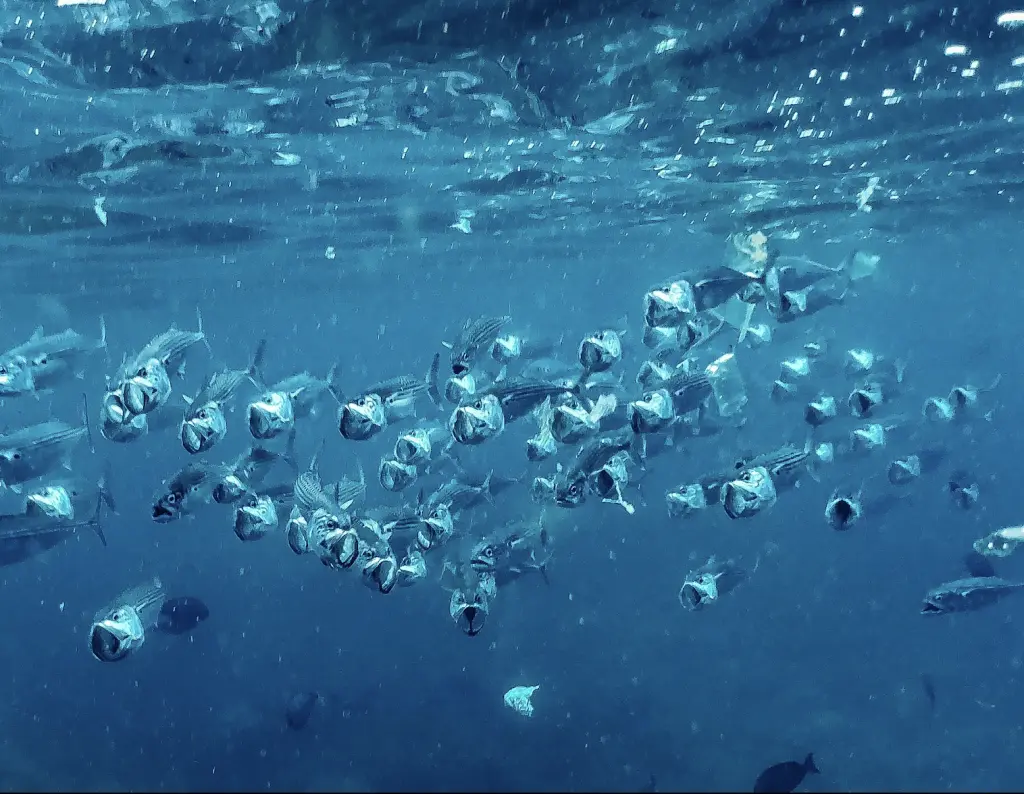
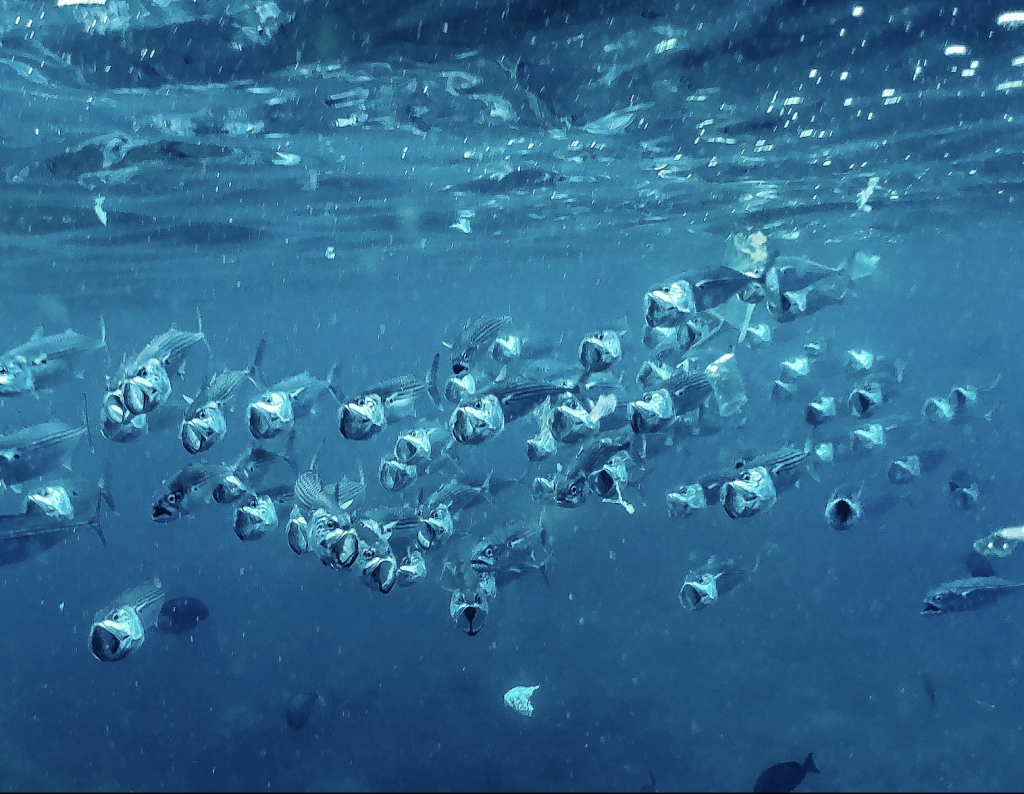
To grasp a loss of 10 million tons of biomass, one must contextualize the sheer volume of marine life that has vanished from the North Atlantic. Mackerel (Scomber scombrus) are fast-swimming, mid-water predators that form immense schools. They play a crucial dual role in the ecosystem: acting as voracious predators of zooplankton and small fish, while serving as a primary food source for larger marine predators, including cod, hake, marine mammals, and seabirds.
When the spawning-stock biomass (SSB) experiences a multi-million-ton contraction, the ripple effects destabilize the entire pelagic ecosystem. According to ICES assessments, the recruitment of young fish—the measure of how many juveniles survive to enter the adult population each year—has been consistently poor or mediocre for several consecutive years. With fewer adults surviving to spawn, and environmental stressors reducing juvenile survival rates, the population lacks the natural resilience needed to bounce back from heavy fishing pressure.
The Overfishing Gap: Science vs. Politics
The primary engine of the decline is the persistent, systemic divergence between Scientific Advice (TAC) and Agreed Management Limits.
| Period | ICES Recommended Catch (Average) | Actual Combined Catch (Average) | Overexploitation Margin |
|---|---|---|---|
| 2012–2015 | ~600,000 tonnes | ~850,000 tonnes | +41% |
| 2016–2020 | ~700,000 tonnes | ~1,050,000 tonnes | +50% |
| 2021–2026 | ~500,000 tonnes | ~800,000 tonnes | +60% |
As illustrated by these metrics, coastal states have routinely authorized catch levels that far exceed what independent scientists deem safe. When processing capacity, illegal discarding, and high-grading are factored in, the true mortality rate of the stock is even higher than official landing statistics suggest.
Official Statements and Perspectives from the Frontline
The debate surrounding the management of Atlantic mackerel has exposed deep divisions between conservationists, fishing industries, and government regulators.
The Conservationist View: A Warning Ignored
Marine conservation organizations have been vocal critics of the bureaucratic paralysis plaguing North Atlantic fisheries management. Jonny Hughes, Fisheries Policy Lead at the Blue Marine Foundation, has forcefully articulated the gravity of the situation.
"The mackerel population has been in a major decline for 10 years, dropping by more than 10 million tons due to aggressive overfishing," Hughes noted in recent broadcast interviews discussing the crisis. "Norway, Denmark, Iceland, the UK, the EU and Russia are fighting over what’s left, despite warnings from scientists that the current catch rates will lead to the complete collapse of the fishery."
Hughes and his contemporaries argue that the nations involved are behaving with short-sighted recklessness. By prioritizing immediate export revenues and fleet employment over long-term ecological sustainability, these governments are guaranteeing a future where no one has fish to catch.
The Industry and Government Stalemate
Conversely, representatives from fishing industries and national ministries often defend their quota allocations by pointing to historical rights, economic reliance, and the complexity of transboundary stock management.
- Norway and the EU maintain that their historic fishing rights and investments in sustainable fleet management give them primary claim to the stock.
- Iceland and the Faroe Islands argue that because the fish spend a significant portion of their life cycle in their exclusive economic zones (EEZs), they are fully justified in claiming substantial autonomous quotas.
- The United Kingdom, navigating its post-Brexit maritime identity, has struggled to forge independent bilateral agreements that satisfy both domestic fishermen and international conservation standards.
This blame-shifting has created a diplomatic deadlock. Whenever an international forum convenes to negotiate a comprehensive coastal state pact, talks routinely collapse over baseline percentage allocations, leaving each nation to return home and set its own destructive quota.
Future Outlook: Can the Mackerel Fishery Be Saved?
The trajectory of the Atlantic mackerel fishery over the remainder of the decade depends entirely on whether political leaders can transcend national self-interest in favor of science-based resource management. Without decisive intervention, the fishery faces a fate similar to the infamous collapse of the Northwest Atlantic cod stock in the early 1990s—an economic and ecological catastrophe from which some regions have never recovered.
Immediate Policy Imperatives
Marine scientists and policy experts agree that several urgent steps must be taken to stabilize and rebuild the mackerel population:
- Strict Adherence to ICES Advice: All participating nations—without exception—must immediately align their national quotas with the total allowable catch recommended by independent marine scientists, even if this requires painful, short-term reductions in fishing effort.
- Comprehensive Multi-Lateral Treaty: Norway, the UK, the EU, Iceland, the Faroe Islands, and Russia must return to the negotiating table to establish a binding, long-term coastal state agreement. This treaty must allocate quotas based on verifiable, contemporary ecological data regarding fish distribution rather than outdated historical reference points.
- Market-Driven Accountability: Retailers, seafood processors, and consumers must exert pressure on the supply chain. If major European and Asian markets refuse to purchase non-certified, unsustainably caught mackerel, the economic incentive for overfishing will diminish rapidly. Certification bodies, such as the Marine Stewardship Council (MSC), have already suspended or threatened sustainability certifications for the fishery due to the lack of a comprehensive management agreement.
- Ecosystem-Based Management: Regulators must move beyond single-species management models. Because mackerel are deeply integrated into the broader marine food web, policies must account for climate-driven temperature changes, predator-prey dynamics, and habitat degradation.
Conclusion: A Defining Test for Ocean Governance
The "mackerel wars" serve as a litmus test for modern international ocean governance. As human pressures on marine ecosystems intensify alongside a warming climate, the ability of nations to cooperate over shared, transboundary resources will determine the health of our oceans for generations to come.
The warning signs are unmistakable, and the scientific data is indisputable. Whether world leaders will heed these warnings before the last great schools of Atlantic mackerel disappear remains one of the most critical environmental questions of our time.