

Executive Overview
As lawmakers on Capitol Hill pack their bags ahead of the congressional recess to campaign for the upcoming midterm elections, a high-stakes, bipartisan coalition of senators is working behind closed doors. Their mission: salvage a long-desired, deeply contentious energy permitting reform bill that industry analysts, utility executives, and policy experts deem critical to the future stability of the American power grid.
Driven by an unprecedented surge in domestic electricity demand—propelled largely by a massive, high-tech build-out of artificial intelligence data centers, resurgent domestic manufacturing, and the broader electrification of everyday life—lawmakers from both sides of the aisle agree on one fundamental reality: America’s energy permitting process is fundamentally broken. Complex environmental reviews, overlapping agency jurisdictions, and endless litigation from environmental groups and local opponents have created a paralyzing mountain of federal red tape.
Yet, navigating this legislative minefield has proven exceptionally difficult. While Washington leaders view the reform as a national security and economic imperative—arguing that streamlining approvals is essential to outcompeting rivals like China—the political optics are fraught. Public opinion research reveals that data centers are deeply unpopular among voters across the political spectrum, creating a severe public relations paradox for elected officials facing the electorate in November.
Compounding these domestic political hurdles are intricate negotiations over renewable energy guarantees, potential rollbacks of bedrock environmental safeguards under the Clean Water Act and the Endangered Species Act, and lingering distrust over executive branch enforcement. Although primary negotiators have made historic strides, finalization of the text has been pushed past the midterms, setting up a ferocious legislative battle as Washington confronts the defining infrastructure challenge of the 21st century.
Detailed Chronology: The Path to the Current Impasse
Efforts to reform the United States’ sluggish energy permitting apparatus are not new, but the convergence of explosive power demand and geopolitical pressures has injected the debate with unprecedented urgency.
Years of Legislative False Starts
For decades, energy developers, utility companies, and infrastructure builders have complained that federal rules delay projects by years, if not decades. Lawmakers have repeatedly tried to untangle the regulatory web, culminating most recently in the Energy Permitting Reform Act of 2024. While that bill successfully advanced out of committee, it ultimately stalled before receiving a full vote on the Senate floor, undone by partisan jockeying and deep-seated disagreements over the scope of environmental concessions.
The Summer of 2026 Momentum
Momentum began to shift dramatically in August 2026. A bipartisan group of senators, galvanized by mounting warnings from grid operators and industry leaders, announced they were closer than ever to a breakthrough. Senator Marsha Blackburn (R-Tenn.) championed the momentum in an August press release following a wave of new co-sponsors joining the American Energy and Mineral Infrastructure Act.
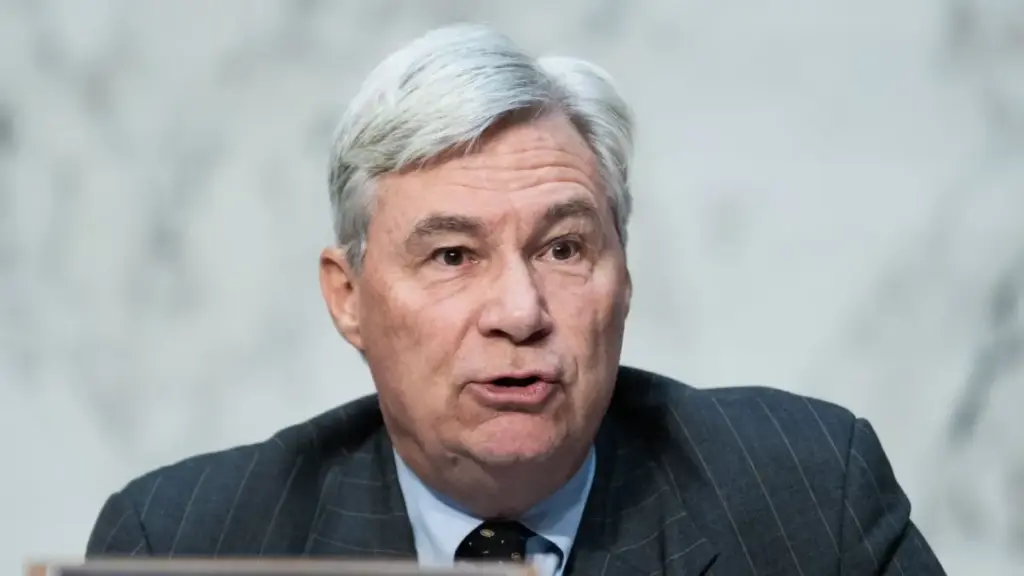
At the center of these closed-door negotiations are the highest-ranking members of both parties from the Senate’s premier energy-related committees, including Senator Sheldon Whitehouse (D-R.I.), top Democrat on the Senate Environment and Public Works Committee.
The Executive Factor and White House Guarantees
A major breakthrough—and simultaneous roadblock—emerged when the Trump administration signaled a willingness to green-light renewable energy projects as a bargaining chip to secure Republican votes for the broader permitting package. However, Democrats have remained deeply skeptical. They worry that even if statutory language eases the path for solar and wind development, a hostile or shifting executive branch could make implementation impossible in practice.
This friction came to a head in mid-September. Senator Whitehouse told reporters that while he appreciated the administration’s overtures, lawmakers needed explicit clarity on what a "return to regular order" for wind and solar projects would actually entail.
The Midterm Deadline and House Action
With the midterm elections looming, Politico reported that negotiators ultimately chose to postpone finalizing the legislative text until after the ballots are cast. This delay risks placing the bill in direct competition with other massive legislative priorities, particularly if the balance of power in Congress shifts.
Meanwhile, the House of Representatives attempted to tackle the public anxiety head-on. In mid-September, the House passed a bill urging states to mandate that data center developers cover the costs of their own electricity generation, shielding everyday ratepayers from surging utility bills. However, that measure quickly hit a wall in the Senate, where progressive Democrats blocked it, arguing it lacked the teeth necessary to protect consumers.
Supporting Context & Metrics: The Perfect Storm of Power Demand
The push for permitting reform is driven by a convergence of technological, industrial, and social transformations that are fundamentally reshaping the American energy landscape.
The Data Center Boom and the AI Gold Rush
The primary accelerator of the current energy crisis is the exponential growth of artificial intelligence and cloud computing. Tech giants have embarked on a historic construction binge, building millions of square feet of data centers that consume staggering amounts of continuous, baseload electricity.
According to energy projections, natural gas has emerged as the go-to power source to feed these facilities, with data centers slated to consume massive volumes of natural gas over the coming decade. Natural gas was already the largest single source of electricity in the United States in 2025, and its growth trajectory remains steep. Concurrently, solar power and battery storage are dominating new capacity additions, accounting for nearly 80 percent of all new power generation expected to come online in the U.S. in 2026, according to the Energy Information Administration (EIA).
Beyond Tech: The Electrification of America
Even before Big Tech’s data center expansion, the United States was hurtling toward a massive electricity deficit. Americans are rapidly "electrifying" their lives. The widespread adoption of heat pumps, electric vehicles (EVs), and advanced home appliances is driving up residential and commercial demand.
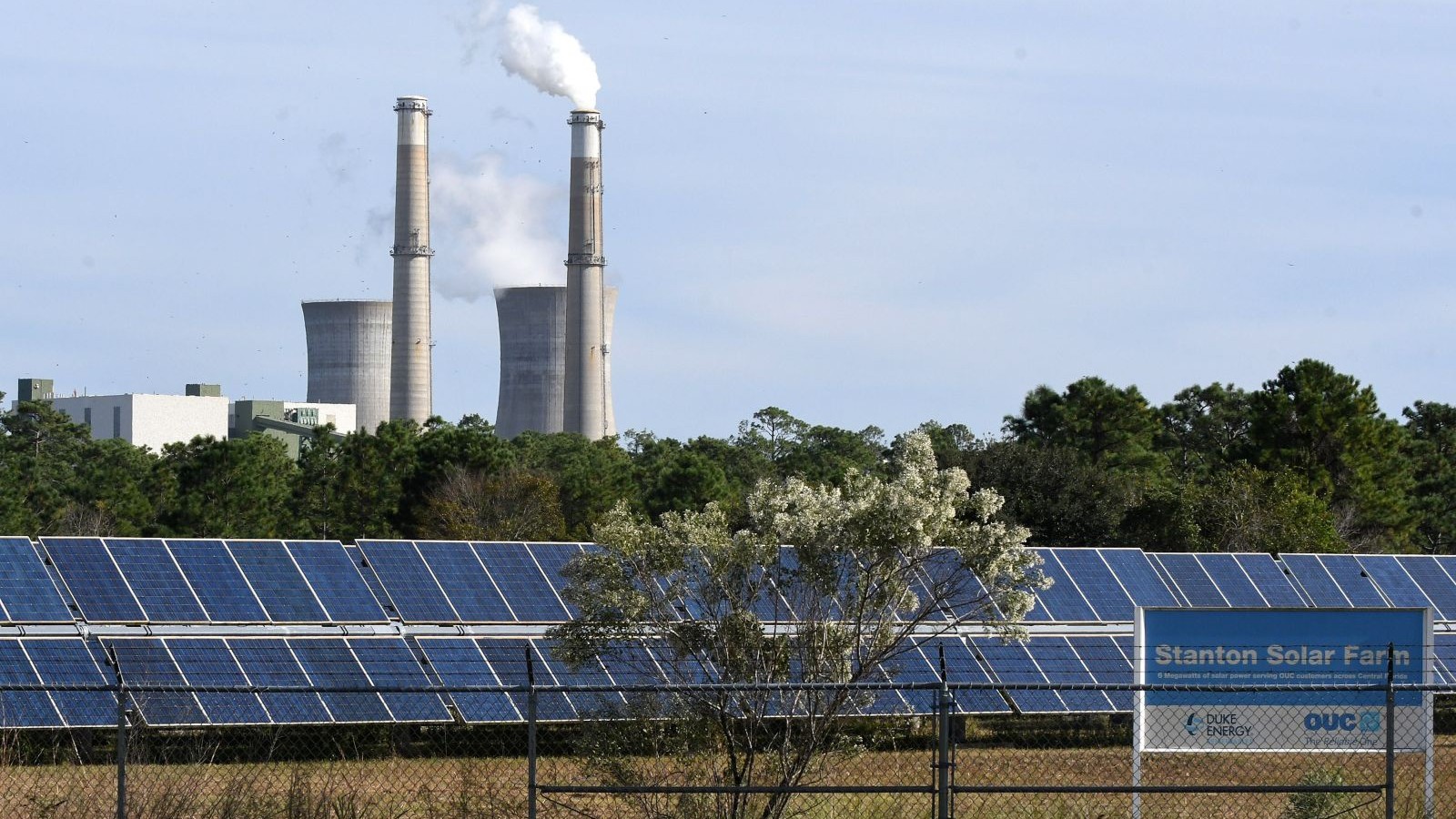
Furthermore, the structural shift that kept electricity demand largely flat throughout the 2010s—the mass adoption of energy-efficient lightbulbs and appliances—has run its course, as efficiency gains have plateaued. Coupled with federal initiatives aimed at reshoring advanced manufacturing, which requires immense, uninterrupted power supplies, the grid is facing a historic squeeze.
The Regulatory Bottleneck
Industry leaders argue that the existing federal framework is entirely unequipped to handle this demand. Current regulations mandate:
- Exhaustive environmental impact statements that take years to complete.
- Fragmented reviews across multiple federal agencies, leading to jurisdictional gridlocks.
- Vulnerability to protracted legal challenges from environmental organizations and local litigants even after permits are formally issued.
Tim Pawlenty, president of the Solar Energy Industry Association, bluntly summarized the crisis, warning that without immediate permitting reform, the nation’s energy infrastructure risks becoming severely "constipated."
Official Statements and Political Paradoxes
The debate over permitting reform has exposed deep ideological fractures, surprising alliances, and severe political vulnerabilities as lawmakers balance national infrastructure needs against local voter sentiment.
The Geopolitical Imperative vs. Local Realities
Proponents of the bill frequently frame their arguments around national security and global economic dominance. Lawmakers across the aisle argue that bureaucratic delays leave the United States uniquely vulnerable to strategic competitors.
"While Communist China cuts corners to get ahead, a mountain of red tape has America fighting the energy war with one hand tied behind our backs," declared Senator Rick Scott (R-Fla.) in a fiery statement supporting infrastructure reform.
Yet, public opinion research indicates that this nationalist framing is losing its persuasive edge. Alex Lundry, president of the Washington-based public opinion firm Redbud Consulting, notes that voters are increasingly cynical about geopolitical justifications when local quality-of-life issues are at stake.
The "Toxic" Politics of Data Centers
The central dilemma for lawmakers up for reelection is a profound public relations crisis. According to Redbud Consulting’s polling data, data centers have become a toxic subject. Voters across party lines—Democrats, Republicans, and independents alike—strongly oppose the construction of data centers in their immediate communities.
"If you phrase permitting reform as serving data centers, the polling results get way worse," Lundry explained. This puts candidates in a grueling bind: they recognize the absolute necessity of expanding electrical infrastructure to sustain modern life and economic growth, but they dare not link those reforms to the deeply unpopular data center industry.
Shifting the Narrative to Clean Energy and Cost Relief
Pollsters advise that lawmakers can salvage public support by reframing the debate around two universally popular concepts: renewable energy expansion and consumer cost relief.
Redbud’s September poll revealed that 71 percent of respondents agree that "making renewable energy a bigger part of the country’s energy supply is the right move." Additionally, 70 percent of respondents reported that their personal energy bills have increased over the past year, making affordability a potent, winning message for candidates willing to champion grid modernization that lowers costs.
Future Outlook: What Lies Ahead for Energy Infrastructure
As the dust settles on the congressional pre-election break, the trajectory of energy permitting reform remains one of the most consequential unresolved questions in American policy.
When lawmakers return to Washington following the midterms, the political calculus will shift dramatically. If Republicans maintain or expand their footprint, or if Democrats manage to seize control of Congress, the revived permitting bill will immediately become a legislative battleground.
The core compromise of the draft legislation—streamlining project reviews, easing Clean Water Act and Endangered Species Act restrictions on transmission lines and natural gas pipelines, and shielding approved permits from endless lawsuits—will face intense scrutiny from both industrial lobbies and environmental purists.
Environmental organizations, such as the Natural Resources Defense Council (NRDC), continue to push for a balanced approach that accelerates clean energy deployment without gutting bedrock environmental protections. They argue that thoughtful land-use planning can site renewable projects efficiently while safeguarding local ecosystems. However, pragmatic lawmakers in both parties may be willing to compromise on environmental standards to avert looming blackouts, stabilize the grid, and power the artificial intelligence revolution.
Ultimately, the debate transcends partisan politics. It is a fundamental test of whether American democratic institutions can adapt quickly enough to physical and technological realities. If Washington fails to reform its permitting process, the nation risks choking its own economic growth, missing its climate targets, and falling behind in the global technology race. If it succeeds, it could unlock the most transformative energy build-up in a century—provided lawmakers can convince an anxious public that the lights will stay on, without sacrificing their backyards in the process.



