

Executive Overview: A Paradigm Shift in Global Packaging
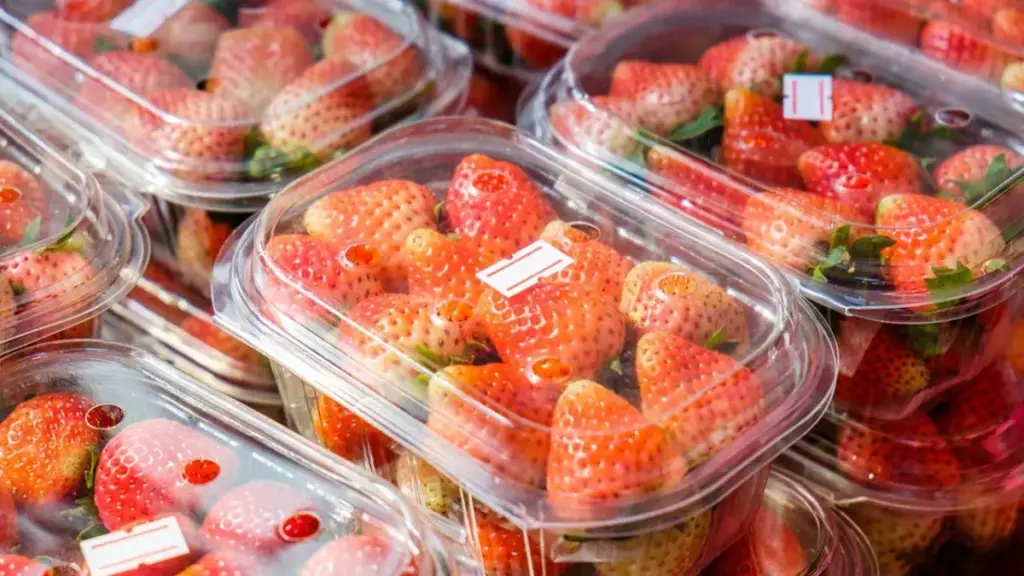
By 2028, consumers walking down the aisles of major American supermarkets will witness a quiet but profound transformation. The ubiquitous plastic clamshells housing fresh berries will be replaced by ventilated, molded-fiber punnets. The black plastic trays carrying microwavable meals will yield to clear, highly recyclable alternatives, and takeout salads will arrive in unlined, compostable paper bowls.
These changes are not merely the result of voluntary corporate goodwill; they are the direct consequence of California’s landmark Senate Bill 54 (SB 54)—officially known as the Plastic Pollution Prevention and Packaging Producer Responsibility Act. With its finalized regulations having taken effect in May 2026, this sweeping legislation is fundamentally reshaping how products are designed, packaged, and distributed across North America.
+------------------------------------------------------------------------+
|                         THE CALIFORNIA EFFECT                          |
|                                                                        |
|    California (5th Largest Global Economy) enacts SB 54 Packaging Law  |
|                                   │                                    |
|                                   ▼                                    |
|    National Brands Face Logistical Nightmare of Split Supply Chains    |
|                                   │                                    |
|                                   ▼                                    |
|    Brands Redesign Packaging to Meet Strictest Standards Nationwide     |
+------------------------------------------------------------------------+
Because California represents the world’s fifth-largest economy, its regulatory choices exert an irresistible gravity on global commerce. Manufacturing separate packaging lines for California and the rest of the United States is logistically inefficient and financially prohibitive for multinational consumer packaged goods (CPG) companies. Consequently, the standards established by California are rapidly becoming the de facto national baseline, initiating a "California Effect" that is cleaner, greener, and legally binding.
At the core of SB 54 is a policy framework known as Extended Producer Responsibility (EPR). For nearly a century, the financial and ecological burden of managing plastic waste has been externalized onto municipal governments and taxpayers. EPR upends this dynamic by requiring packaging producers to fund the collection, sorting, and processing of their materials. By linking a company’s financial liabilities directly to the environmental footprint of its packaging, SB 54 creates a powerful market incentive to eliminate hard-to-recycle plastics, downsize packaging volumes, and invest in robust recycling infrastructures.
Detailed Chronology: The SB 54 Implementation Timeline
The rollout of SB 54 is structured as a multiyear transition designed to allow supply chains, material recovery facilities (MRFs), and consumer brands sufficient time to adapt. Rather than imposing abrupt bans, the law relies on a series of escalating compliance thresholds leading up to 2032.
  2025                 2026                 2027                 2028                 2030                 2032
   │                    │                    │                    │                    │                    │
   ├── EPS Foodware ───►├── Final Regs ─────►├── Source Red. ────►├── 30% Recycl. ────►├── 40% Recycl. ────►└── 65% Recycl.
   │   Banned           │   Effective        │   10% Cut          │   Rate Target      │   Rate Target      │   Rate / 25%
   │                    │                    │                    │                    │                    │   Source Red.
Milestone 1: January 1, 2025 – The Expanded Polystyrene (EPS) Benchmark
The first major test of the law occurred at the start of 2025. Under SB 54, expanded polystyrene (commonly known as Styrofoam) food service ware was prohibited for sale, distribution, or import in California unless the industry could prove it had achieved a 25% recycling rate statewide. Because EPS is notoriously difficult and unprofitable to recycle, the industry failed to meet this threshold, triggering an automatic, statewide ban on foam takeout containers, cups, and protective packaging.
Milestone 2: May 1, 2026 – Regulatory Codification
CalRecycle finalized and implemented the permanent regulations governing SB 54. By June 1, 2026, all covered producers were legally required to either register with the Circular Action Alliance (CAA)—the state-approved Producer Responsibility Organization (PRO)—or register with CalRecycle as independent entities. This step established the administrative infrastructure necessary to collect fees and enforce compliance.
Milestone 3: January 1, 2027 – Source Reduction and Mitigation Funding
Full program implementation begins. Producers must demonstrate a 10% source reduction in single-use plastic packaging relative to a 2023 baseline. This reduction can be achieved through lightweighting, shifting to reusable systems, or eliminating unnecessary secondary packaging (such as plastic windows or outer sleeves). Concurrently, producers must begin paying into a $500 million annual environmental mitigation fund designed to address plastic pollution in historically marginalized communities.
Milestone 4: January 1, 2028 – The Recyclability Mandate
By this date, at least 30% of all covered single-use plastic packaging and food service ware sold in California must be actively recycled in practice—not merely possess a theoretical "recyclable" label. This milestone marks the point where highly contaminated or difficult-to-sort materials must be phased out in favor of high-value, easily sorted polymers like clear polyethylene terephthalate (PET) and high-density polyethylene (HDPE).
Milestone 5: January 1, 2030 – Intermediate Targets
The statutory recycling rate target rises to 40%, and the required source reduction of single-use plastics must reach 20%. At this stage, refillable containers, concentrate pods, and closed-loop retail systems are expected to transition from niche pilot programs into mainstream offerings.
Milestone 6: January 1, 2032 – The Ultimate Circularity Threshold
By 2032, the full mandate of SB 54 takes effect:
- A 25% absolute source reduction in single-use plastic packaging.
- A 65% actual recycling rate for all remaining plastic packaging.
- A 100% requirement that all covered packaging sold in the state be fully recyclable or compostable.
Supporting Context & Metrics: The Chemistry of Material Phase-Outs
To appreciate the scale of the crisis SB 54 addresses, one must look at the historical trajectory of plastic production. According to data from the U.S. Environmental Protection Agency (EPA), plastic waste accounted for a mere 0.4% of municipal solid waste in 1960. By 2018, that figure had climbed to 12.2%, representing millions of tons of non-biodegradable material accumulating in landfills and marine environments.
Packaging is the single largest driver of this crisis. Data from Greenprint reveals that 36% of all manufactured plastic is dedicated to single-use packaging, and a staggering 85% of that material ends up in landfills or as environmental litter.
SB 54 targets the most problematic materials through strict recyclability and compostability standards. Four specific packaging categories are undergoing immediate disruption:
+--------------------------+------------------------------------------+------------------------------------------+
| Packaging Category       | Technical/Environmental Hurdle           | Compliant Alternative                    |
+--------------------------+------------------------------------------+------------------------------------------+
| Expanded Polystyrene     | High transport costs; fragments into     | Molded fiber, cardboard, and             |
| (EPS / Styrofoam)        | microplastics; linked to styrene health  | paper-based food service ware.           |
|                          | risks (lymphoma, leukemia).              |                                          |
+--------------------------+------------------------------------------+------------------------------------------+
| Black & Dark-Colored     | Carbon black pigment absorbs NIR light,  | Clear/light-colored PET, aluminum,       |
| Plastics                 | causing optical sorters to reject it     | or fiber-based trays.                    |
|                          | straight to landfills.                   |                                          |
+--------------------------+------------------------------------------+------------------------------------------+
| PVC Clamshells &         | Contaminates PET recycling streams;      | Recycled PET (rPET), molded pulp,        |
| Blister Packs            | plasticizing additives (phthalates)      | and simple cardboard backing.            |
|                          | linked to endocrine disruption.          |                                          |
+--------------------------+------------------------------------------+------------------------------------------+
| Oxo-Degradable           | Fragments into microplastics instead of  | Certified compostable paper or true      |
| Plastics                 | biodegrading; contaminates traditional   | bio-polymers meeting ASTM D6400.         |
|                          | recycling streams.                       |                                          |
+--------------------------+------------------------------------------+------------------------------------------+
1. Expanded Polystyrene (EPS)
Commonly known as Styrofoam, EPS is a major environmental pollutant. Because it is composed of 95% air, it is economically unfeasible to transport to recycling facilities over long distances. Physically, it breaks down into tiny, highly mobile beads that absorb toxins and contaminate marine food chains. Chemically, its precursor—styrene—has been classified by public health agencies as a suspected carcinogen linked to increased risks of leukemia and lymphoma. Under SB 54, EPS has been replaced by molded fiber, cardboard, and paper-based food service ware.
2. Black and Dark-Colored Plastics
Frequently used for microwaveable meal trays and takeout sushi containers, black plastic presents a unique challenge to modern waste management. High-throughput Material Recovery Facilities (MRFs) rely on Near-Infrared (NIR) optical sorters to identify and categorize different polymers. Because the carbon black pigment used in these containers absorbs the infrared light, the sensors cannot read the polymer signature. Consequently, these containers are automatically rejected by sorting systems and sent directly to landfills. Under SB 54, brands are shifting to clear or light-colored PET, which is highly prized by recyclers.
3. Polyvinyl Chloride (PVC) Clamshells and Blister Packs
PVC is a highly versatile but toxic polymer used in rigid clamshells and retail blister packaging. During recycling, even a tiny amount of PVC can contaminate a whole batch of PET, degrading the plastic and rendering the recycled material useless. Furthermore, PVC requires the addition of plasticizers—such as phthalates—which are known endocrine disruptors linked to reproductive issues and developmental disorders. SB 54 is driving a transition toward recycled PET (rPET) and molded paper pulp.
4. Oxo-Degradable Plastics
Marketed under vague, greenwashed labels like "degradable" or "eco-friendly," oxo-degradable plastics are conventional polyolefins blended with metal salts. These additives accelerate fragmentation when exposed to heat and sunlight, but they do not facilitate true biological decomposition. Instead, they quickly break down into invisible, highly toxic microplastics that contaminate soil and water systems. SB 54’s anti-greenwashing standards effectively ban these materials, requiring any product labeled "compostable" to meet rigorous scientific standards such as ASTM D6400.
Retail Transformations: Aisle-by-Aisle Impact
As the implementation timeline progresses, shoppers will observe changes across five major retail categories:
                          SUPERMARKET AISLE DISRUPTIONS
                                       │
     ┌──────────────────┬──────────────┴───┬──────────────────┐
     ▼                  ▼                  ▼                  ▼
Produce            Prepared Foods     Personal Care      E-Commerce
• Fiber Punnets    • PLA-Lined Fiber  • Refill Stations  • Kraft Paper
• Paper Bags • Compostable Lids • Concentrate Pods • Cardboard Inserts- The Fresh Produce Section: Traditional rigid plastic clamshells for berries and cherry tomatoes are being phased out in favor of ventilated, molded-fiber boxes. Single-use plastic produce bags are being replaced by high-strength paper alternatives or reusable mesh bags.
- Prepared Foods and Delis: Clear plastic tubs containing salads, soups, and ready-to-eat meals are giving way to fiber-based bowls. These bowls are lined with a thin, plant-based polylactic acid (PLA) barrier to resist moisture and grease. Lids are shifting to compostable paper or clear PET.
- Personal Care Products: The cosmetics and hygiene aisles are adopting post-consumer recycled (PCR) content. Under SB 54, rigid plastic bottles must incorporate a high percentage of recycled resin. This has spurred brands to offer in-store refill stations and concentrated pods that consumers mix with water at home, eliminating the need for single-use plastic bottles.
- Takeout and Food Service: Restaurants are moving away from mixed-material packaging. Takeout orders are increasingly packed in unlined paper bags, aluminum containers, or certified compostable fiber boxes. This standardization simplifies disposal, making it clear which bin a container belongs in.
- Online Shopping and E-Commerce: The shipping materials used by e-commerce giants are undergoing a major shift. Plastic air pillows, bubble wrap, and polystyrene packaging peanuts are being replaced by paper-based alternatives, such as crumpled kraft paper, die-cut cardboard inserts, and corrugated padding. While some online retailers began this transition voluntarily, SB 54 makes it a mandatory standard for all shipments entering California.
Official Statements & Legal Warfare: The Battle Over Regulatory Loopholes
Despite SB 54’s ambitious goals, its implementation has become a legal battleground. On June 2, 2026, a coalition of environmental organizations—including Oceana, the Natural Resources Defense Council (NRDC), and the Californians Against Waste Foundation—filed a major lawsuit in the San Francisco Superior Court against CalRecycle.
       PLAINTIFFS (Oceana, NRDC, CAW)
                     │
                     ├─► Challenge CalRecycle's final SB 54 regulations
                     │
                     ├─► ALLEGATION 1: Unlawful exemptions for plastic categories
                     ├─► ALLEGATION 2: Loopholes for "chemical recycling"
                     └─► ALLEGATION 3: Vague "indefinite exemptions" for producers
The plaintiffs argue that CalRecycle’s finalized regulations contain critical concessions to industry lobbyists that undermine the spirit of the law. Specifically, the lawsuit alleges that the regulatory agency:
- Created unlawful exclusions for large categories of single-use plastic packaging.
- Formulated vague "indefinite exemptions" that allow producers to delay compliance.
- Failed to restrict controversial technologies, such as chemical recycling (gasification and pyrolysis), which environmentalists argue are carbon-intensive processes that generate toxic emissions.
In a joint statement, the coalition warned:
"The final regulations drafted by CalRecycle create loopholes that could allow petrochemical companies to continue producing hazardous plastics under the guise of ‘advanced recycling.’ We filed this lawsuit to ensure that the landmark promise of SB 54 is not watered down by administrative concessions to the very industries that created the plastic crisis."
Conversely, industry groups and the Producer Responsibility Organization (Circular Action Alliance) have defended the regulatory framework as a balanced, pragmatic approach to a highly complex supply chain challenge. The CAA emphasized that successful implementation requires a transition period to build out the sorting and processing infrastructure needed to meet the law’s targets.
Major consumer brands are already adjusting their packaging strategies to align with the new regulatory landscape. Packaging manufacturer Faerch has launched a line of crystalline polyethylene terephthalate (CPET) trays for chilled ready meals containing a minimum of 40% recycled tray-to-tray content. Meanwhile, global consumer goods giant Unilever has restructured its packaging division, committing to a strategy centered on absolute plastic reduction, increased PCR usage, and the expansion of refillable product lines.
Future Outlook: Infrastructure, Behavior, and the Circular Economy
If SB 54 achieves its long-term goals, it will establish a model for a functional circular economy. In such a system, waste is designed out of the lifecycle from the beginning. Packaging is made from simple, non-toxic, highly recyclable materials that can be processed and reused indefinitely, keeping valuable resources out of landfills and oceans.
+------------------------------------------------------------------------+
|                         THE CIRCULAR ECONOMY                           |
|                                                                        |
|    Producers Pay EPR Fees                                              |
|              │                                                         |
|              ▼                                                         |
|    Millions Invested in Municipal Sorting/MRF Upgrades                 |
|              │                                                         |
|              ▼                                                         |
|    High-Efficiency Optical Sorters and Robotics Capture Pure Polymers  |
|              │                                                         |
|              ▼                                                         |
|    High-Value Recycled Resin Sold Back to Producers                    |
+------------------------------------------------------------------------+
Infrastructure Investment
A key driver of this transition is the financial mechanism built into SB 54. The EPR fees collected from packaging producers will generate hundreds of millions of dollars annually. This capital is earmarked for upgrading municipal Material Recovery Facilities (MRFs). Funds will be used to purchase advanced optical sorters, artificial intelligence-driven robotic sorting arms, and expanded industrial composting systems. These upgrades will enable local governments to process a broader mix of materials with far lower contamination rates.
The Rise of Regional Harmonization
California’s legislative move is already prompting other states to follow suit. Oregon is currently implementing its Recycling Modernization Act, while Colorado, Maine, Maryland, and Vermont have passed their own versions of EPR packaging laws. In the Northeast, New York is considering similar legislation. As these frameworks align, national brands are facing a unified set of expectations, making sustainable packaging design the default standard across the entire United States.
Consumer Guidance for the Transition
As the packaging landscape shifts, consumers can navigate the transition and support these changes with a few key strategies:
- Verify Certified Compostability: Do not rely on vague marketing claims like "biodegradable" or "earth-friendly." Look for the Biodegradable Products Institute (BPI) certification logo or the ASTM D6400 standard. These indicators prove that a package will decompose safely in a commercial composting facility.
- Understand Local Recycling Capabilities: Recyclability is determined by local waste management infrastructure. Check with your local municipality or waste hauler to confirm which materials are accepted in your curbside bin.
- Differentiate Compostable vs. Biodegradable: Remember that compostable bioplastics and fiber containers are designed to break down under the high-heat conditions of industrial composting facilities. They will not decompose in a landfill or a backyard compost pile. If your community does not offer industrial organic collection, these items should be disposed of in the trash to avoid contaminating standard recycling streams.
- Prioritize Source Reduction: The most sustainable packaging is no packaging at all. Whenever possible, choose products that utilize refillable container models, buy in bulk, and bring reusable bags and containers to the store.
By combining strict state-level regulation with informed consumer choices, the transition initiated by SB 54 is steering the retail market toward a more sustainable and circular future.



