


Executive Overview
For decades, the central pillar of agricultural chemical defense has rested on a reassuring premise: the dose makes the poison. Chemical manufacturers, regulatory agencies, and industrial farming lobbies have long argued that while massive, acute exposure to synthetic pesticides might pose health hazards, trace residues found on food, in water supplies, and drifting across rural communities are simply too small to cause meaningful harm. The standard regulatory framework has historically operated on the assumption that humans possess a metabolic threshold—a baseline tolerance level below which exposure is statistically and biologically negligible.
That foundational argument has just been dismantled.
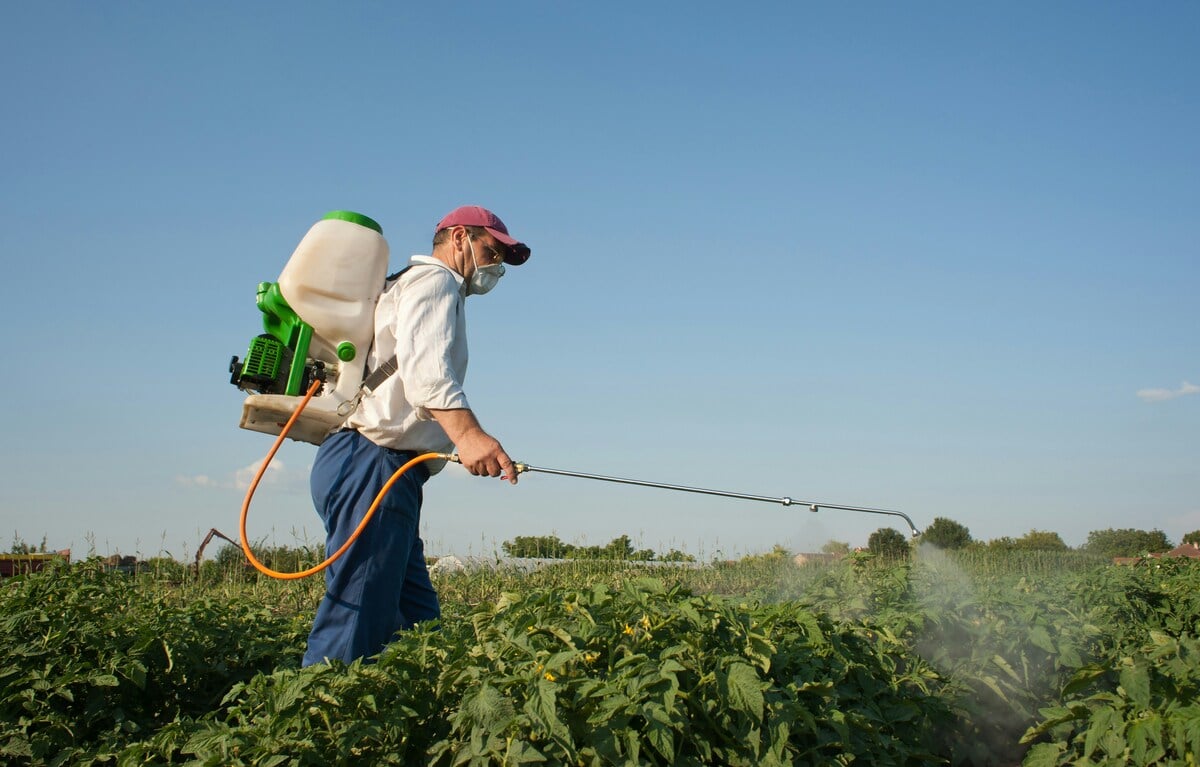
A groundbreaking study published in the Annals of Global Health provides definitive evidence that several of the world’s most widely used agricultural chemicals—including glyphosate, the active ingredient in Bayer-Monsanto’s ubiquitous weedkiller Roundup—can induce genetic damage in human cells even at remarkably low levels of exposure. Testing a prioritized slate of ten high-concern pesticides, researchers discovered that an alarming 80 percent of the chemicals caused direct alterations or damage to human DNA. Every single one of the toxic compounds identified in this tier is currently registered and actively deployed across United States croplands, public parks, and residential lawns.
The implications of this research extend far beyond academic toxicology. For millions of agricultural workers, landscapers, rural residents, and everyday consumers, the findings shatter the illusion that "low-level" exposure equates to safety. As courts grapple with massive liability suits and lawmakers debate the future of federal chemical oversight, this study forces a fundamental reckoning: when it comes to genetic destruction, there may be no safe threshold for human exposure to agricultural toxins.
Detailed Chronology: From European Union Screening to American Courtrooms
The path leading to this pivotal scientific wake-up call spans years of regulatory re-evaluations, mounting public health alarms, and high-stakes legal battles.
The European Union Baseline
The journey began years prior when European Union regulatory bodies initiated a sweeping reassessment of more than 200 different pesticides currently circulating in global markets. Recognizing the limitations of legacy toxicity tests—which historically focused on immediate, high-dose poisoning rather than chronic, low-level cellular disruption—European researchers sifted through extensive toxicological databases to flag compounds of acute concern.
The Annals of Global Health Breakthrough
Building directly upon the EU’s preliminary filtration, a team of international researchers selected ten high-priority pesticides for rigorous cellular analysis. The results, published in the Annals of Global Health, marked a watershed moment in environmental health. The study revealed that 80 percent of the tested chemicals demonstrated genotoxicity, meaning they actively damaged or restructured human DNA. For substances such as cyprodinil and deltamethrin, this study provided the first definitive empirical proof of cellular-level harm. Most notably, glyphosate displayed clear, measurable cell damage at concentrations far below previously established safety limits.
The Legal Saga of Glyphosate
While toxicologists were uncovering cellular vulnerabilities in laboratories, the courtroom battles surrounding glyphosate reached a fever pitch. Manufactured primarily by Monsanto (which was acquired by Bayer in 2018), Roundup has faced decades of scrutiny. In 2015, the International Agency for Research on Cancer (IARC), a specialized branch of the World Health Organization (WHO), classified glyphosate as a "probable human carcinogen."
This classification unleashed a tidal wave of litigation. By mid-2026, approximately 65,000 active lawsuits were pending across United States courts. Plaintiffs—predominantly agricultural workers, professional landscapers, and residential gardeners—alleged that prolonged exposure to glyphosate-based herbicides directly caused them to develop non-Hodgkin’s lymphoma and other severe malignancies.
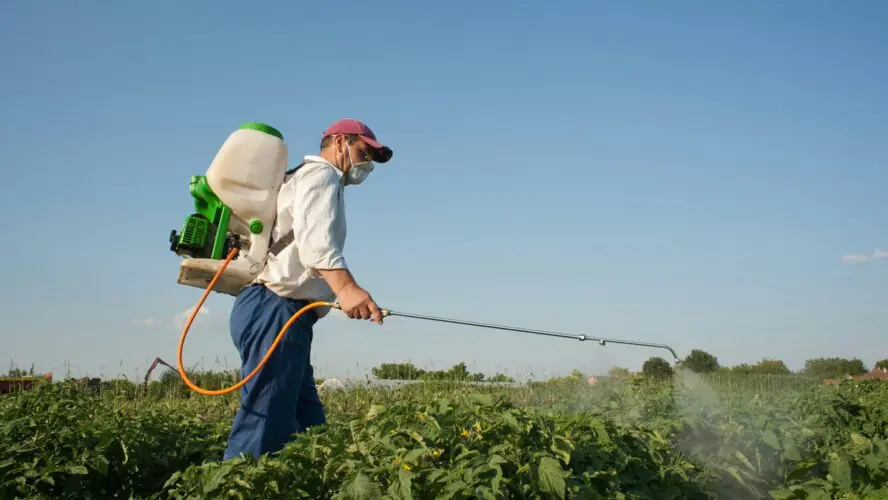
A primary milestone in this legal war occurred when a Missouri court ruled in favor of John Durnell, a home gardener who sued Monsanto in 2019 after developing non-Hodgkin’s lymphoma following decades of Roundup use. A jury originally awarded Durnell $1.25 million, penalizing the corporation for failing to provide adequate health warnings on its product packaging.
However, the legal pendulum swung dramatically in the opposite direction shortly thereafter. Bayer appealed the decision all the way to the United States Supreme Court. The nation’s highest court ultimately overturned lower-ruling verdicts, establishing a crucial legal precedent: individual states do not possess the constitutional authority to impose product labeling regulations that supersede federal environmental and agricultural law. Legal analysts and industry reports from sources like Farm Progress indicate that this sweeping Supreme Court ruling effectively shields agrochemical giants, threatening to dismiss thousands of pending state-level lawsuits against Bayer and fundamentally altering the landscape of corporate accountability.
Supporting Context & Metrics: Deconstructing Low-Dose Toxicity
To fully understand the weight of the recent Annals of Global Health study, one must examine the methodological blind spots that have long characterized pesticide regulation.
The Flaw in Legacy Toxicology
For generations, chemical safety assessments have relied heavily on traditional high-dose animal testing (known as maximum tolerated dose studies). Regulators calculated acceptable daily intakes (ADIs) and maximum residue limits (MRLs) by scaling down massive toxicity thresholds, assuming a linear relationship where effects simply disappeared at smaller doses.
The new study obliterates this linear assumption, proving that low-dose exposure can trigger unconventional biological responses, including endocrine disruption and direct chromosomal aberrations. Daniele Mandrioli, senior author of the study and secretary general at the prestigious Collegium Ramazzini, emphasized the magnitude of this oversight:

"Low-dose testing in toxicology is fundamental. Often, effects of low doses are underestimated simply because they are not studied."
Key Metrics and Findings
- 80 Percent Toxicity Rate: Out of the ten prioritized European-screened pesticides tested in the study, 8 percent—or 80 percent of the sample—exhibited explicit genotoxic capabilities.
- 100% US Registration: Every single one of the eight harmful pesticides identified in the testing phase is currently registered for commercial and/or residential use within the United States.
- 65,000 Active Lawsuits: As of mid-2026, Bayer faces roughly 65,000 active federal and state lawsuits concerning Roundup’s carcinogenic potential, underscoring the massive human toll behind the statistical data.
- Cellular Sensitivity: Glyphosate-induced damage was identifiable at extreme micro-concentrations, reinforcing findings from previous monitoring programs—such as independent FDA and environmental testing data—which frequently detect persistent glyphosate residues in everyday food items, municipal water supplies, and human urine samples.
Official Statements and Institutional Responses
The scientific community’s reaction to the study has been swift and assertive, contrasting sharply with the defensive postures maintained by agrochemical manufacturers.
The Scientific Consensus
Public health organizations and independent researchers are increasingly vocal about the urgent need to overhaul global pesticide regulations. The Collegium Ramazzini, an independent, international academy composed of renowned experts in occupational and environmental health, has repeatedly called for stricter pre-market testing frameworks. By highlighting that regulatory bodies often rely on industry-funded safety data, independent scientists argue that systemic biases have historically blinded agencies to chronic, low-dose genotoxicity.
The Corporate Stance
Bayer and other major agrochemical stakeholders maintain that their products are safe when used according to label instructions. Following favorable rulings from the U.S. Supreme Court, corporate spokespeople have repeatedly emphasized that decades of scientific evaluation by regulatory bodies—including the U.S. Environmental Protection Agency (EPA)—have found no definitive causal link between registered glyphosate use and human cancer when standard agricultural protocols are observed.
Industry advocates warn that banning or severely restricting these chemicals would devastate crop yields, drive up food prices, and cripple modern farming efficiency at a time when global food security faces immense climate pressures.

Future Outlook: Navigating a Post-Threshold Agricultural Era
The publication of this study, coupled with the shifting legal landscape in the United States, sets the stage for a dramatic policy and cultural battle over the future of farming and human health.
Regulatory Reckoning
Pressure is mounting on regulatory agencies such as the EPA and international counterparts to modernize their testing protocols. As long as chemical approvals are based on outdated high-dose paradigms, public health advocates argue that regulatory bodies are failing in their mandate to protect citizens. Integrating mandatory low-dose genotoxicity screening into federal pesticide registration processes is no longer viewed by scientists as an optional precaution—it is an absolute necessity.
The Rise of Regenerative Agriculture
On the ground, the findings are accelerating a profound shift toward regenerative agriculture and organic land management. Farmers, agricultural cooperatives, and commercial landscapers are increasingly turning away from synthetic inputs, embracing biological pest management, cover cropping, and precision agriculture to reduce chemical dependency. Consumer demand for clean, residue-free food continues to surge, signaling a broader cultural rejection of chemical-dependent farming models.
Conclusion
The myth that "the dose makes the poison" in the context of modern synthetic chemistry has finally collided with empirical cellular reality. When ubiquitous agricultural chemicals like glyphosate can induce genetic damage at minute concentrations, the traditional boundaries separating "safe" and "unsafe" exposure dissolve. As legal shields protect corporate balance sheets, the ultimate burden of proof shifts back to human biology—making it clearer than ever that protecting public health requires an immediate, science-driven reimagining of how we grow our food and manage our lands.



