By the Editorial Team
Editor’s Note: This article contains affiliate links. Our editors curate highly rated brands that are first assessed by our rigorous ratings system. Buying through our links may earn us a commission, which directly supports the independent research and advocacy work we do. Learn more about our editorial mission.
For over a century, the industrial potential of one of humanity’s oldest agricultural assets was systematically choked by global regulatory frameworks, cultural stigma, and the meteoric rise of synthetics. Today, however, hemp is experiencing a hard-fought renaissance. As the global fashion industry scrambles to decouple its supply chains from energy-intensive, non-biodegradable synthetics like nylon and polyester, hemp has emerged as a premier ecological alternative.
Far from being a modern agricultural novelty, hemp boasts a storied history that spans millennia, touching everything from maritime sails to ancient paper. Yet, its re-emergence in contemporary textiles is not without complexities. From the agricultural realities of carbon sequestration to the intensive chemical processing required to turn a coarse stalk into buttery fabric, navigating the hemp landscape demands critical oversight.
This comprehensive guide explores the botanical reality of hemp, its chronological fall and rise within the global regulatory ecosystem, the mechanics of its production, its precise environmental metrics, and five standout ethical brands championing its use in modern apparel.
Executive Overview
The textile industry stands at a critical crossroads. Synthetic fibers derived from fossil fuels dominate global apparel production, contributing aggressively to microplastic pollution and greenhouse gas emissions. Simultaneously, conventional cotton—long touted as a natural alternative—demands staggering amounts of water and chemical pesticides.
Enter hemp: a fast-growing, resilient bast fiber derived from the Cannabis sativa plant family. Historically sidelined due to its botanical proximity to the drug-type cannabis plant, industrial hemp contains negligible levels of tetrahydrocannabinol (THC), the plant’s psychoactive compound. Despite this, sweeping mid-century drug regulations effectively criminalized the cultivation of the plant wholesale, halting generations of mechanical and agronomic innovation.
Now, shifting regulatory landscapes and a mounting urgency for sustainable materials have catalyzed a dramatic market correction. In the European Union alone, hemp fiber production surged by 103% between 2015 and 2024. As agricultural sectors modernize and consumer demand for transparency increases, hemp is transitioning from a counterculture symbol into a cornerstone of next-generation circular fashion. However, consumers and brands alike must remain vigilant: not all hemp is grown organically, and not all hemp fabric is processed sustainably.
Detailed Chronology: From Ancient Utility to Modern Prohibition and Rebirth
To understand hemp’s current trajectory, one must examine its historical trajectory—a timeline defined by universal adoption, abrupt political suppression, and a modern technological resurgence.
Pre-19th Century: The Global Staple
For thousands of years, hemp was an indispensable global commodity. Cultivated across nearly every continent, the plant’s robust bast fibers—housed within the outer stem—were prized for their exceptional tensile strength. Ancient civilizations utilized hemp to manufacture ropes, heavy-duty canvas, sails, and coarse garments. In fact, linguistic historians note that the word "canvas" etymologically derives from "cannabis." Its adaptability meant that agrarian societies relied on it not only for textiles, but also for nutritious seeds, oil, and building materials.
The 19th and 20th Centuries: The Fall from Grace
Hemp’s ubiquity began to wane in the 1800s. The invention of the cotton gin, coupled with the rapid industrialization of cotton processing, made softer, cheaper fabrics widely accessible. By the mid-20th century, the commercial death knell for hemp sounded with the invention of synthetic petroleum-based fibers like nylon and polyester, which promised cheap, wrinkle-resistant durability to a post-war consumer market.
Simultaneously, political and social forces converged to criminalize the cannabis plant. Driven by prohibitionist agendas, geopolitical shifts, and protectionist cotton and lumber lobbies, governments enacted sweeping legislation that conflated industrial hemp with drug-type cannabis varieties. Because regulations failed to distinguish between high-THC cultivars and low-THC industrial strains, legal cultivation ground to a halt. Decades of research, specialized machinery development, and supply chain infrastructure investments were abandoned.
The 21st Century: The Regulatory Reawakening
Entering the 2000s, a growing awareness of the climate crisis forced a legislative and industrial re-evaluation. Agricultural authorities—led by bodies like the European Commission and supported by coalitions such as the Alliance for European Flax-Linen and Hemp—began unravelling legacy restrictions. By establishing clear legal thresholds for THC content (typically under 0.2% to 0.3% depending on the jurisdiction), lawmakers cleared the path for farmers to reintroduce industrial hemp into crop rotation schedules. This regulatory unfreezing has triggered a modern boom, marked by unprecedented growth figures across European and North American agricultural markets.
Supporting Context & Metrics: How Hemp Stacks Up Ecologically
While the plant’s historical narrative is compelling, sustainability cannot be assumed purely on the basis of heritage. Evaluating hemp requires an analytical look at its agronomic footprint, processing methodologies, and end-of-life impact.
Agronomic Advantages: Growth, Soil, and Biodiversity
From an agricultural standpoint, hemp is a dream crop for regenerative farming:
- Rapid Maturation: Hemp is extraordinarily fast-growing, reaching full harvest maturity just five to eight months after sowing.
- Natural Weed Suppression: The plant’s dense, rapid vertical growth creates a natural canopy that crowds out weeds weeks after germination, rendering chemical herbicides largely unnecessary.
- Pesticide Resistance: Hemp is naturally resilient to many common agricultural pests, minimizing the need for conventional synthetic pesticides.
- Soil Health and Water Retention: Featuring a deep, intricate root system, hemp breaks up compacted soils, reduces water runoff, and prevents severe soil erosion.
- Carbon Sequestration: According to data from the European Commission, a single hectare of industrial hemp can sequester between 9 and 15 tonnes of CO2—a carbon storage capacity comparable to that of a young, healthy forest.
- Biodiversity Support: Grown as a rotational crop, hemp flowers during months when other agricultural crops lie dormant, providing vital pollen sources for pollinators and a safe micro-habitat for birds and ground insects.
The Processing Paradox: Mechanical vs. Chemical Production
Despite its stellar performance in the field, hemp’s environmental ledger changes once the plant is harvested and processed into textiles.
Hemp is a "bast fiber," meaning it is extracted from the stem of the plant through a series of mechanical steps (retting, breaking, and scutching) followed by cleaning and combing. When executed via mechanical processing, this entire sequence can be completed without toxic chemicals, yielding a crisp, linen-like fiber that can be woven into various textures—from sturdy denim and canvas to lightweight jersey—or blended with organic cotton and bamboo for added softness.
However, mechanical processing can be labor-intensive and costly. To meet fast-fashion demands for softer, cheaper textiles, some manufacturers resort to chemical processing. When hemp undergoes intensive chemical dissolving—similar to the processing of conventional viscose—the resulting material is often marketed as "hemp viscose." This method utilizes harsh, toxic solvents (such as carbon disulfide in closed-loop or open-loop systems) that pose severe occupational hazards to factory workers and can devastate surrounding ecosystems if effluent is mismanaged.
Supply Chain and Finishing Impacts
Additional environmental concerns raised by organizations like the Textile Exchange include:
- Transportation Footprint: Because decades of suppression decimated local processing infrastructure, raw hemp—which is bulky and heavy—frequently must be transported across vast distances to reach the next stage of the supply chain, running up an energy-intensive carbon debt.
- Agricultural Inputs: While hemp can be grown without chemicals, non-organic cultivation still relies on synthetic nitrogen fertilizers, which can leach into waterways and degrade aquatic biodiversity.
- Post-Weaving Treatments: Once woven, hemp fabrics frequently undergo dyeing, bleaching, and chemical finishing treatments. The environmental profile of the final garment heavily depends on whether the brand utilizes closed-loop water systems, non-toxic organic dyes, and certified fair-labor facilities.
Official Statements and Industry Perspectives
Major international agricultural and textile watchdogs have increasingly vocalized support for hemp, tempered by clear directives on supply chain accountability.
"Hemp is a powerful restorative crop that can drastically reduce our reliance on resource-intensive, synthetic fibers. However, unlocking its true potential requires rebuilding localized supply chains and ensuring strict organic agricultural standards from seed to final garment."
— The Textile Exchange (Material Insights Report)
The European Commission, which recorded a staggering 103% increase in hemp fiber production across the EU between 2015 and 2024, highlights the plant’s dual utility:
"Industrial hemp serves as a vital bridge toward a bio-based circular economy. Its capacity for carbon sequestration, soil regeneration, and low-input cultivation makes it a cornerstone of future European agricultural policy, provided we continue to dismantle outdated administrative barriers."
Future Outlook: The Road Ahead for Hemp Fashion
The trajectory of hemp in the global fashion ecosystem points toward cautious optimism. As technological innovations streamline mechanical decortication and regional processing hubs are re-established, the logistical hurdles of transportation and high production costs are steadily diminishing.
Furthermore, consumer demand for traceable, biodegradable, and vegan-certified materials is forcing legacy brands to rethink their material portfolios. Regulatory bodies are moving toward clearer labeling standards, helping consumers differentiate between mechanically processed organic hemp and chemically intensive viscose blends.
For hemp to fully realize its promise as a climate savior, the industry must maintain rigorous oversight across the entire value chain—demanding organic certification, transparent processing methods, and localized manufacturing. When executed with integrity, hemp is not merely an alternative material; it is a blueprint for a regenerative textile future.
Championing the Fiber: 4 Standout Brands Making Ethical Hemp Clothes
For consumers looking to incorporate sustainable hemp into their wardrobes, several forward-thinking brands have earned top ratings from independent sustainability auditors like Good On You. Here are four standout companies crafting innovative apparel, footwear, and accessories from hemp:
1. 8000Kicks
- Specialty: Footwear and accessories crafted from industrial hemp.
- Why We Love Them: Sparked by a unique vision to create the world’s first waterproof hemp shoe, 8000Kicks empowers consumers with high-performance, sustainable footwear alternatives. The US-based brand works closely with dedicated agricultural producers and extends its ecological commitment by supporting global tree-planting initiatives.
- Sizing: US 6–14.
- Explore: See Brand Rating | Shop 8000Kicks | Shop @ Shop Like You Give a Damn
2. Opera Campi
- Specialty: Premium, locally sourced apparel.
- Why We Love Them: Founded in Italy in 2017, Opera Campi creates exceptionally high-quality garments utilizing locally sourced raw materials. By adopting a balanced, holistic approach to sustainability, the brand makes conscious, transparent choices throughout its supply chain and proudly donates 4% of its profits to social causes.
- Sizing: Inclusively sized from 3XS to 3XL.
- Explore: See Brand Rating | Shop Opera Campi
3. WAMA Underwear
- Specialty: Premium hemp intimates and basics.
- Why We Love Them: WAMA is a pioneer in the sustainable intimates market, introducing consumers to the antibacterial, breathable, and durable qualities of hemp underwear. The brand utilizes a high proportion of responsible materials—primarily blending hemp with organic cotton—and is a PETA-approved vegan company.
- Sizing: XS to 4XL.
- Explore: See Brand Rating | Shop WAMA
4. tentree
- Specialty: Earth-first casualwear and accessories.
- Why We Love Them: Canadian brand tentree puts ecosystem regeneration at the core of its business model. For every item purchased, the company plants ten trees to help restore degraded habitats and create dignified planting jobs worldwide, having already surpassed 65 million trees planted. All garments are manufactured in fair, safe working conditions using lower-impact materials, including organic cotton, recycled polyester, and hemp blends.
- Sizing: XS to XL.
- Explore: See Brand Rating | Shop tentree
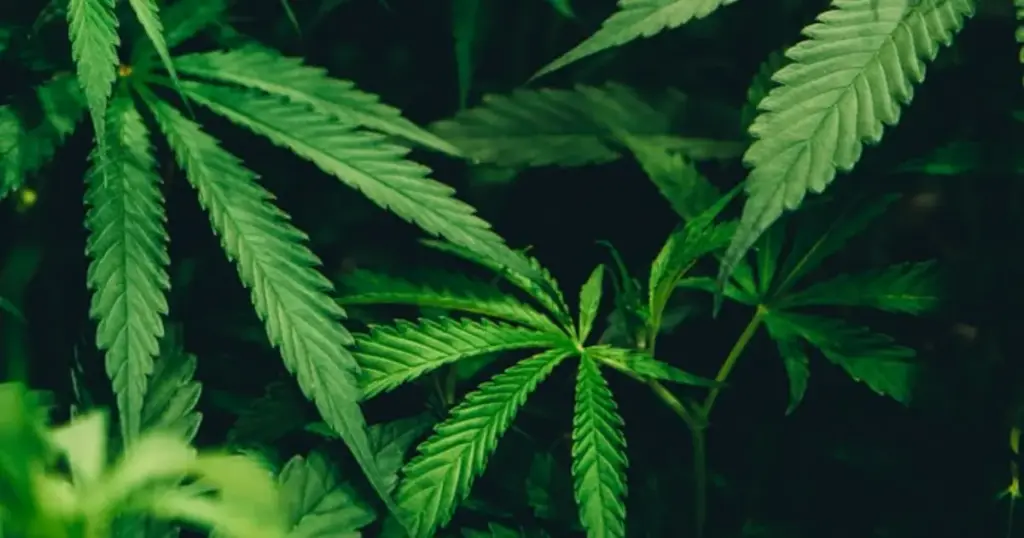
Feature image via Unsplash. Good On You publishes the world’s most comprehensive ratings of fashion brands’ impact on people, the planet, and animals. Explore their directory to search thousands of independently rated brands.
This article was updated on July 23, 2026, to incorporate comprehensive fact-checking regarding cannabis plant varieties, agronomic metrics, and refined regulatory frameworks.