

Executive Overview
The automotive landscape is undergoing a fascinating metamorphosis. Despite the abrupt elimination of federal electric vehicle (EV) tax credits late last fall under the Trump administration, the American EV market has demonstrated remarkable resilience. Recent data released by Kelley Blue Book reveals a striking trend: new EV prices continued their downward trajectory in May, sliding for the eleventh consecutive month. Yet, paradoxically, sales have climbed to their highest volume since the federal subsidy framework was dismantled.
In May, the average transaction price (ATP) for a new electric vehicle dropped to $54,532—representing a 4% decline compared to the same period last year. Simultaneously, early market estimates indicate that more than 85,000 EVs were driven off dealership lots during the month. This robust consumer uptake shatters the narrative that the adoption of sustainable transport is entirely dependent on government subsidies. Instead, market forces have stepped into the vacuum. Automakers are aggressively cutting prices, rolling out massive consumer incentives, and reacting to an increasingly volatile traditional fuel market. Surging gas prices and historically narrow price gaps between internal combustion engine (ICE) vehicles and battery-electric alternatives have combined to propel consumers toward electrification.
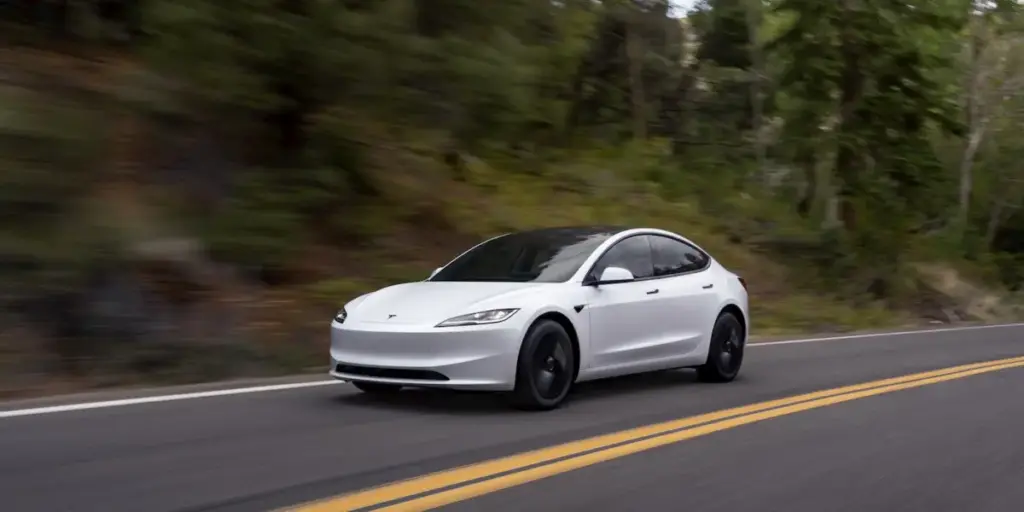
At the center of this shifting paradigm stands Tesla. As the undisputed titan of the American EV landscape, accounting for roughly half of all domestic sales, the company’s pricing adjustments continue to exert an outsized, gravitational pull on the entire industry. As manufacturers fight for market share in a fiercely competitive environment, the overarching question remains: Can this delicate equilibrium of shrinking margins and escalating volume sustain the long-term growth of the clean energy transition?
Detailed Chronology: Navigating the Post-Subsidy Era
To understand the current health of the electric vehicle market, one must trace the timeline of regulatory and economic shocks that have reshaped the industry over the past year.
Q3 2025: The Regulatory Shock
The foundational shift in the modern EV market occurred at the conclusion of the third quarter of 2025, when the federal government officially terminated the consumer EV tax credits introduced under prior administrations. For years, up to $7,500 in immediate tax incentives had served as a primary crutch for automakers, artificially lowering the barrier to entry for hesitant buyers. Industry analysts predicted a steep cliff for sales, warning that the sudden loss of federal backing would paralyze consumer demand and force manufacturers into an abrupt contraction.
Q4 2025 to Q1 2026: The Adaptation Phase
Rather than collapsing, the market entered a phase of aggressive self-correction. Deprived of government-backed sweeteners, legacy automakers and EV-native startups alike realized they could no longer rely on premium pricing strategies. Throughout the final quarter of 2025 and into the first quarter of 2026, manufacturers began absorbing the financial burden internally. Dealership lots transformed into battlegrounds of discounting, with brands utilizing manufacturer incentives to bridge the gap left by Uncle Sam. Prices began a steady, month-over-month descent, setting the stage for what would become an unprecedented streak of consecutive price contractions.
May 2026: A Turning Point for Volume
By May 2026, the cumulative effect of these aggressive market corrections bore fruit. The month recorded the strongest sales performance since the expiration of the federal tax credits, clearing the 85,000-unit threshold in the United States. This milestone proved that while the federal government had stepped back from supporting EV buyers, the broader economic realities—specifically fluctuating traditional fuel costs and narrowing price parity with gas-powered vehicles—were motivating buyers to make the switch anyway.
Supporting Context & Metrics: Decoding the Numbers
A deep dive into the financial metrics of May 2026 illuminates how automakers are managing to keep showrooms busy despite macroeconomic headwinds.
The Shrinking Price Tag
According to Kelley Blue Book data, the average transaction price for a new electric vehicle settled at $54,532 in May. This figure represents a 4% year-over-year decrease and marks the eleventh straight month that EV prices have fallen relative to the same period in the prior year. This sustained deflationary trend is rapidly narrowing the historical price premium once associated with battery-electric vehicles compared to their gas-powered counterparts.
Heavy Reliance on Incentives
Automakers are heavily subsidizing these transactions out of their own pockets to maintain sales velocity. In May, industry spending on EV incentives averaged a staggering 14% of a vehicle’s total transaction price, translating to roughly $7,600 per vehicle.
- This figure is nearly double the broader automotive industry average for internal combustion engine vehicles.
- The incentive rate remained virtually unchanged from April, signaling that manufacturers view these aggressive discounts not as a temporary fix, but as a long-term operational cost necessary to sustain volume.
The Tesla Effect
No analysis of the American EV market is complete without examining Tesla, which continues to command roughly 50% of total domestic EV sales. Because of this massive market share, Tesla’s internal pricing decisions function as de facto market policy.
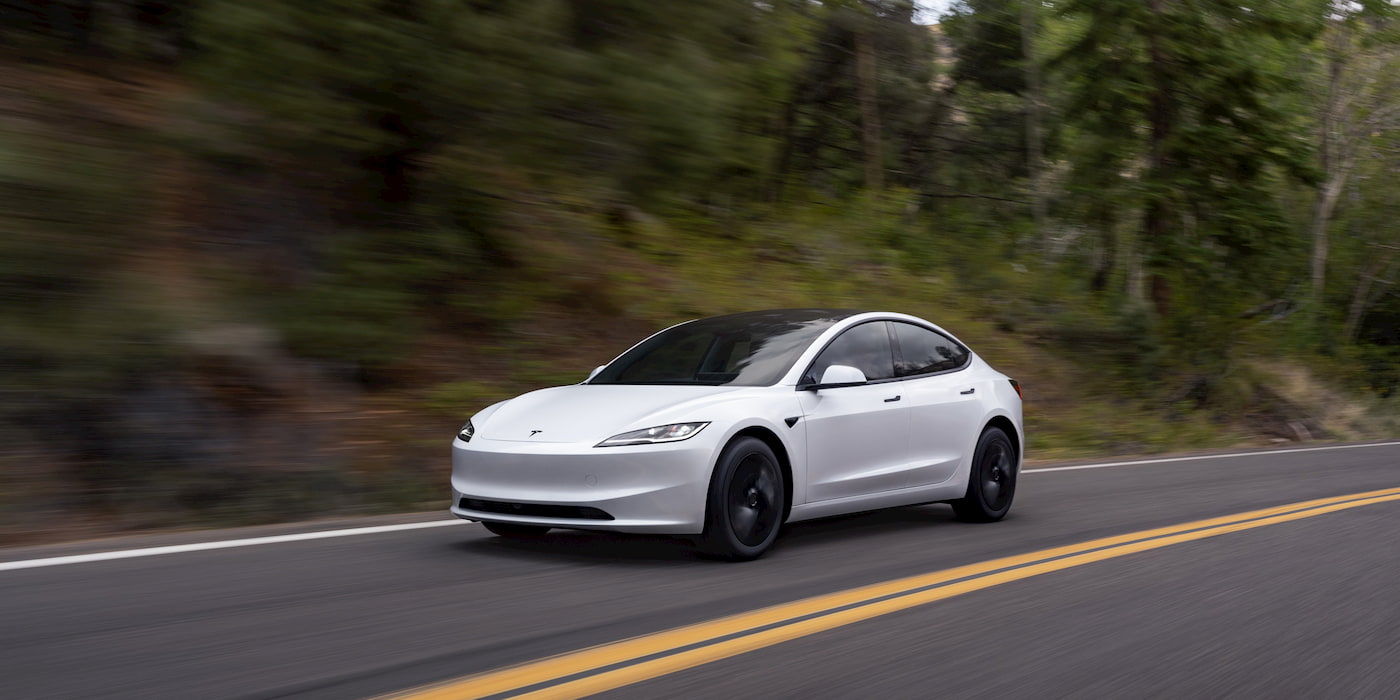
In May, the average price paid for a Tesla vehicle dipped by 1% month-over-month and fell 3.4% year-over-year. This downward adjustment was heavily driven by product mix: an overwhelming 96% of Tesla’s total sales were concentrated in its two most accessible models:

- The Tesla Model 3: Averaging a transaction price of $49,082.
- The Tesla Model Y: Averaging a transaction price of $51,537.
As Tesla continues to optimize its production lines and pass savings on to consumers, competing manufacturers have little choice but to follow suit, ensuring that deflationary pressures remain the dominant theme across the sector.
Official Statements and Industry Perspectives
While official corporate press releases are often tightly curated, executive commentary and industry analyst reports provide a clear picture of how the automotive sector views this transitional era.
Automotive economists and market analysts note that the rapid elimination of government intervention has successfully forced the EV sector to mature ahead of schedule. Rather than relying on artificial life support, electric vehicles are increasingly forced to compete purely on their merits: total cost of ownership, performance, and technological superiority.
Industry groups have emphasized that the consumer is speaking clearly. In statements regarding the May sales data, market researchers highlighted that buyer resilience has defied pessimistic forecasts. "The consumer appetite for electrification has not vanished; rather, it has recalibrated," notes one prominent automotive market analysis report. "When federal subsidies disappeared, buyers simply waited to see how the market would react. When automakers responded with aggressive discounting and structural price cuts, demand rebounded sharply."
Furthermore, executives from major legacy automakers have privately and publicly acknowledged that price parity with internal combustion engines is no longer a distant horizon—it is an active battleground. By keeping incentives near 14% of transaction prices, brands are signaling that they are willing to squeeze profit margins in the short term to secure foundational market share for the electric future.
Future Outlook: What Lies Ahead for the EV Market?
As the industry looks past the halfway mark of 2026, the trajectory of the electric vehicle market will depend on several converging economic, technological, and political variables.

1. The Threat and Promise of Margin Compression
The current practice of spending roughly $7,600 per vehicle on incentives is inherently unsustainable for weaker automotive players over the long haul. While giants like Tesla and well-capitalized legacy brands can absorb these margin hits in pursuit of long-term dominance, smaller startups may face severe liquidity challenges. Expect a wave of strategic partnerships, consolidation, or rationalization of EV product portfolios among brands that cannot keep pace with the ongoing price war.
2. Traditional Fuel Volatility
Gasoline prices continue to act as an unpredictable catalyst for EV adoption. As global crude markets fluctuate, every spike at the pump translates into a surge of consumer interest in battery-electric alternatives. If traditional fuel costs remain elevated or trend upward through the remainder of the year, the financial argument for transitioning to an EV will only grow stronger, helping to offset the permanent loss of federal tax credits.
3. Next-Generation Supply Chains and Cheaper Batteries
The ultimate salvation for EV pricing will not come from marketing incentives, but from engineering breakthroughs. As domestic battery manufacturing facilities—spurred by prior investments and private capital—come fully online throughout late 2026 and 2027, the cost per kilowatt-hour of battery storage is projected to drop significantly. This structural reduction in production costs will allow automakers to sustainably offer lower sticker prices without relying on the artificial crutch of 14% incentive packages.
Conclusion
The resilience demonstrated by the EV market in May 2026 marks a watershed moment. By weathering the loss of federal tax credits through aggressive price cuts, high-value incentives, and an unwavering focus on high-volume models like the Tesla Model 3 and Model Y, the industry has proven its underlying viability. While challenges remain regarding profit margins and infrastructure scaling, the transition to electric mobility is no longer a government-mandated experiment—it is a self-sustaining commercial reality reshaping the global automotive economy.



