

Executive Overview
The secondary automotive market in the United States is undergoing a quiet yet seismic structural shift. For years, the narrative surrounding electric vehicles (EVs) focused exclusively on the high-stakes battleground of new car sales, dominated by early adopters, luxury buyers, and sweeping federal policy incentives. However, hard data from the nation’s premier automotive institutions now reveals that the true mainstreaming of electrification is happening on the pre-owned lot.
According to comprehensive figures released by Cox Automotive, the used electric vehicle market achieved unprecedented momentum in the first quarter of the year. Manheim, the United States’ largest wholesale auto marketplace, recorded an all-time high in auction activity, moving nearly 37,000 battery-electric vehicles through its lanes. This wholesale surge mirrors a parallel boom at the retail level, where industry analysts estimate that more than 100,000 used EVs found new homes.
This performance marks the second-strongest quarter for pre-owned EV retail sales in American history. It trails only the anomalous third quarter of the previous year, during which anxious consumers rushed to snap up expiring government-backed incentives. Unlike that brief, policy-driven frenzy, the current expansion is fueled by durable market fundamentals: expanding vehicle supply, stabilizing financing structures, shifting macroeconomic pressures like fluctuating gas prices, and an impending tidal wave of off-lease inventory.
As traditional lenders and major dealerships adapt to narrowing pricing gaps, the secondary market is smoothly absorbing inventory that once caused widespread industry anxiety. This comprehensive report explores the multifaceted drivers behind the used EV boom, analyzing the convergence of policy legacy, wholesale mechanics, and consumer demand that is reshaping the American transportation landscape.
Detailed Chronology: The Evolution of the Pre-Owned EV Market
To understand the current health of the used electric vehicle market, one must trace the historical trajectory of EV adoption, leasing dynamics, and regulatory shifts over the past half-decade. The journey from niche technology to mainstream commodity has been defined by rapid policy interventions and unexpected market corrections.
The Foundation: The Lease Boom of the Early 2020s
The roots of today’s pre-owned EV inventory can be traced back to the implementation and expansion of federal incentives under the federal administration. During this period, the $7,500 federal tax credit for electric vehicles acted as a powerful market stimulant. Crucially, a loophole in tax guidance—often referred to as the "leasing loophole"—allowed commercial entities to claim the credit on leased vehicles, passing the savings down to consumers in the form of artificially low monthly lease payments.
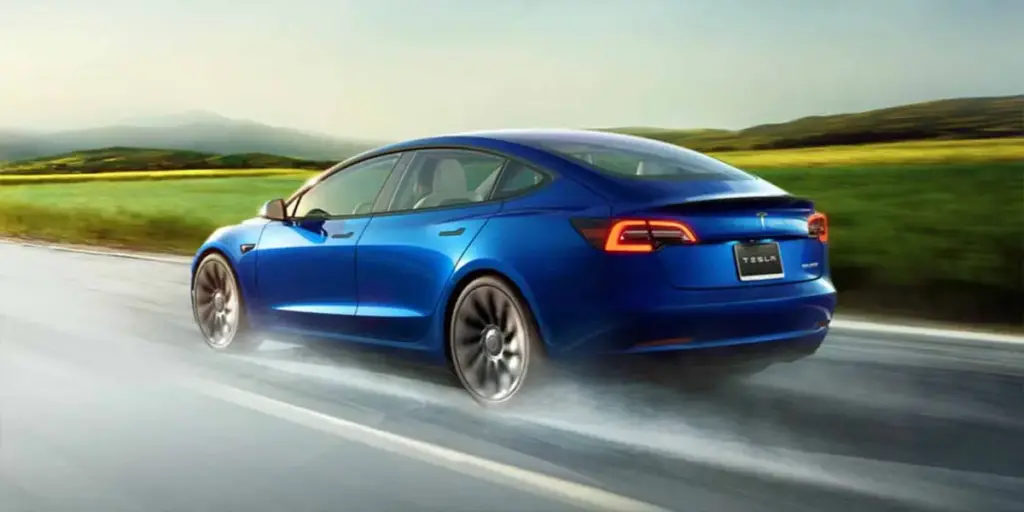
This structural mechanism triggered an unprecedented surge in EV leases. Consumers who might have hesitated to purchase an electric vehicle due to residual value uncertainties or high sticker prices were drawn to three-year lease agreements. Consequently, a massive cohort of vehicles—ranging from Tesla Model 3s and Chevrolet Bolt EVs to various crossover offerings from legacy automakers—hit the nation’s roads between 2023 and early 2024.

The Turbulence and Value Adjustments
As these early lease terms began to approach maturity, the broader automotive market faced severe headwinds. Rapid price cuts initiated by market leaders like Tesla, combined with escalating interest rates, depressed the residual values of new and used EVs alike.
By late 2024 and early 2025, many lessees faced a stark financial reality at the end of their contracts: the residual value specified in their lease agreements was significantly higher than the actual market value of the vehicle. Predictably, a large percentage of consumers chose to walk away from their cars rather than purchase them at the inflated pre-agreed price. This dynamic initiated a massive influx of off-lease vehicles returning directly to financial institutions and wholesale auction blocks.
The Incentive Rush of Q3 2025
The market experienced its first major retail anomaly in the third quarter of 2025. Driven by uncertainty surrounding the longevity of specific regional and federal clean-vehicle subsidies, consumers and independent dealerships engaged in a massive buying spree. This panic-buying pushed Q3 2025 to the highest retail sales volume in the history of the used EV market. While that quarter was an outlier driven by external policy pressures, it demonstrated the latent, pent-up demand for affordable, pre-owned electric transportation.
The Q1 Surge and Normalization
As the market moved into the first quarter of the current year, the panic of Q3 2025 subsided, replaced by organic, sustainable growth. Cox Automotive’s data for Q1 reveals a maturation of the marketplace. Wholesale sales climbed 12% year-over-year and jumped an impressive 17% compared to the final quarter of the previous year. Far from suffering from the influx of returning lease vehicles, the market absorbed the volume cleanly. Prices held firm through March, tracking closely with the traditional spring automotive market bump and proving that used EVs had established a resilient, independent valuation floor.
Supporting Context & Metrics: Decoding the Data
A granular look at the metrics defining the current automotive climate reveals a multi-layered story of supply, demand, and macroeconomic influence.
Wholesale Dynamics at Manheim
Manheim’s auction lanes serve as the ultimate barometer for wholesale automotive health. The nearly 37,000 EVs sold through its network in the first quarter represent a watershed moment for remarketing operations. Historically, wholesale auctioneers expressed apprehension regarding electric vehicles, citing unpredictable battery degradation curves, rapid technological obsolescence, and volatile pricing. The Q1 record indicates that these fears are dissipating. Dealers are increasingly confident in bidding on, reconditioning, and flipping pre-owned electric inventory.
Retail Volume and the 100,000-Unit Threshold
On the retail front, Cox Automotive’s estimate of over 100,000 used EV transactions in Q1 highlights a profound shift in consumer behavior. Pre-owned buyers, traditionally price-sensitive and hesitant to embrace new technologies, are finding that used EVs offer exceptional value propositions. With many three-year-old electric vehicles trading at substantial discounts off their original MSRPs—frequently ranging from 40% to 50% off—the price parity between internal combustion engine (ICE) vehicles and EVs has effectively inverted in the secondary market. In many cases, a used EV is now significantly cheaper to purchase upfront than a comparable gasoline-powered sedan or crossover.

The Macroeconomic Catalyst: Fuel Prices and Inflation
While vehicle pricing has played a central role, external economic pressures have acted as powerful catalysts. During the late winter and early spring months, domestic fuel prices experienced notable upward ticks. Historically, spikes in gasoline prices trigger immediate, measurable surges in consumer interest toward fuel-efficient and alternative-fuel vehicles.
This macroeconomic reality altered dealer inventory strategies. Dealership groups that were previously conservative in stocking electric models began actively aggressively pursuing used EV inventory to meet sudden retail inquiries. The combination of lower operational costs (electricity versus gasoline) and attractive used price tags created a compelling pitch for budget-conscious buyers battling broader inflationary pressures.
Official Statements and Industry Analysis
Industry leaders, market researchers, and financial institutions have closely monitored these structural shifts, offering key insights into the mechanics of the growing pre-owned EV ecosystem.
Cox Automotive and Market Analysts
Market researchers emphasize that the integration of used EVs into the mainstream automotive ecosystem is no longer a theoretical projection—it is an observable, quantifiable reality. Analysts note that lenders and financial institutions have successfully adapted to the pricing volatility that plagued the sector in previous years. By recalibrating residual value models and lease structures, financial institutions have cushioned themselves against depreciation shocks, allowing for a smoother flow of vehicles from primary lease portfolios to secondary retail lots.
The Experian Off-Lease Forecast
The supply side of the equation is poised for exponential expansion. According to data cited by the Financial Times from Experian, electric vehicles accounted for 7.7% of all off-lease vehicles in the first quarter of the year. However, projections indicate that this figure will nearly double, with EVs expected to make up a staggering 15% of all off-lease vehicles by the close of 2026.
This incoming wave is the direct result of the leasing boom catalyzed by federal policy years prior. As these vehicles complete their 36-month lifecycles, the infrastructure of the used car market will be severely tested—and, according to current trends, successfully sustained.
Battery Longevity and Consumer Confidence
One of the most persistent headwinds facing the used EV market has been consumer anxiety regarding battery health. However, real-world fleet data continues to dismantle these fears. Recent industry data demonstrates that the vast majority of modern EV batteries are outlasting the physical lifespans of the vehicles themselves, exhibiting minimal degradation over hundreds of thousands of miles. As this data permeates public consciousness and gains validation from independent inspection agencies, consumer hesitation is visibly eroding.

Future Outlook: What Lies Ahead for the Pre-Owned EV Ecosystem
As the automotive industry looks toward the remainder of the decade, the trajectory of the used electric vehicle market points toward continued expansion, increased stabilization, and deeper integration into the traditional automotive trade-in lifecycle.
The Cresting Off-Lease Wave
The immediate future will be defined by volume. With Experian forecasting that EVs will claim 15% of the total off-lease market by the end of 2026, dealerships and auction houses must prepare for a continuous, high-volume influx of battery-powered inventory. This steady stream will prevent inventory shortages that previously inflated used car prices, ensuring that pre-owned EVs remain accessible to a broader demographic of buyers.
Evolution of Dealership Infrastructure
For franchise and independent dealerships alike, the transition requires operational evolution. Mechanics and service departments are increasingly required to undergo specialized training in high-voltage diagnostics, battery health verification, and software re-flashing. Dealerships that successfully master the reconditioning and marketing of used EVs are discovering a lucrative revenue stream, while those slow to adapt risk missing out on one of the fastest-growing sectors of automotive retail.
Long-Term Market Equilibrium
Ultimately, the wild price swings and market anomalies observed between 2023 and 2025 are giving way to a more predictable, mature economic model. As residual values stabilize, lending products become standardized, and consumer education regarding battery longevity improves, the used EV market is shedding its status as an experimental frontier.
If current quarterly trends persist and macroeconomic conditions remain stable, the secondary electric vehicle market will not only absorb the impending off-lease wave but will firmly establish itself as the primary engine of long-term automotive electrification in the United States.



