

By Global Automotive Desk
Published: March 2026
Executive Overview
The automotive landscape in the United States is undergoing a subtle yet profound structural shift. For years, the single greatest barrier to mainstream electric vehicle (EV) adoption has been cost. While consumers have long recognized the long-term environmental benefits and lower operating costs associated with battery-electric mobility, upfront sticker shock routinely kept prospective buyers tethered to traditional internal combustion engine (ICE) vehicles.
That dynamic is changing at an accelerated pace.
According to fresh, comprehensive market data released by Kelley Blue Book (KBB), electric vehicle transaction prices in the U.S. are continuing their downward trajectory. The average transaction price (ATP) for a new EV dropped to $54,508 in March, marking a 2.8% decline compared to the same period in the previous year. This latest figure represents the third consecutive month of price declines across the sector, building on a 0.7% downward revision from February.
Perhaps most significantly, this sustained deflationary trend has compressed the price premium historically commanded by electric vehicles. The affordability gap between a brand-new EV and a traditional gas-powered car has now narrowed to approximately $5,800—the smallest variance ever recorded by Kelley Blue Book.
Driving this historic convergence is a combination of aggressive automaker incentive programs, intensified market competition, and aggressive pricing strategies by dominant industry players like Tesla. Even as federal tax credit landscapes shift, the market is finding natural equilibrium through heavy manufacturer subsidies. Yet, this aggressive cost-cutting paints a complex picture for legacy and pure-play EV manufacturers alike, yielding falling retail price tags alongside fluctuating sales volumes.
Detailed Chronology: The Road to Record Affordability
To understand how the EV market arrived at this historical juncture, it is necessary to examine the sequential events and monthly market movements that defined early 2026.
January to February 2026: The Trend Takes Hold
The downward momentum in EV pricing did not happen overnight, but the opening months of 2026 catalyzed a distinct shift. Entering January, automakers faced mounting inventory levels and a cautious consumer base hesitant about high interest rates. Manufacturers responded by trimming retail prices.
By February, KBB data revealed that average transaction prices had dropped visibly from fourth-quarter 2025 highs. Crucially, February’s numbers were subjected to subsequent downward revisions as late-month reporting captured deeper-than-anticipated dealer discounting. During this period, industry-wide EV incentives hovered near 14.2% of the total transaction price, signaling to industry analysts that automakers were willing to compress profit margins to keep assembly lines moving.
March 2026: Accelerating Declines and Historic Convergence
March solidified the trend into a concrete market phase. The average transaction price for a new EV settled at $54,508—representing not only a 2.8% year-over-year decline but also a consecutive 0.7% slip from February’s revised baseline.
Simultaneously, the price spread between electric vehicles and ICE vehicles compressed to the $5,800 threshold. For the average consumer looking at a five-to-seven-year ownership lifecycle, this narrow upfront gap can easily be offset by the lower cost of electricity versus gasoline, as well as reduced routine maintenance requirements (such as oil changes, spark plugs, and brake pad replacements due to regenerative braking).
Crucially, March also highlighted how manufacturers were utilizing financial levers. Average incentive spending surged to an unprecedented 14.6% of the transaction price—translating to nearly $8,000 in direct manufacturer-backed discounts per vehicle. To put this into perspective, this level of subsidization is more than double the overall automotive industry average and represents a noticeable climb from the 12.9% incentive rate recorded just twelve months prior.
Supporting Context & Metrics: Unpacking the Numbers
A deeper dive into Cox Automotive and Kelley Blue Book metrics reveals the mechanics behind the shifting market.
The Incentive Equation
Incentives have become the primary instrument for market stimulation. With traditional purchase subsidies evolving and facing regulatory hurdles, automakers have absorbed the financial responsibility of making EVs accessible.

- Industry-Wide Incentive Average: ~7% to 8% (Historical baseline)
- Current EV Incentive Average: 14.6% (Nearly $8,000 per transaction)
- Year-Over-Year Change: Up from 12.9% in March 2025
This heavy reliance on incentives indicates that while consumer demand for EVs remains structurally robust, it is highly elastic and sensitive to upfront pricing. Automakers are essentially trading short-term margin compression for long-term market share acquisition, building a loyal customer base ahead of stricter emissions standards expected in the latter half of the decade.
Tesla’s Pivotal Role
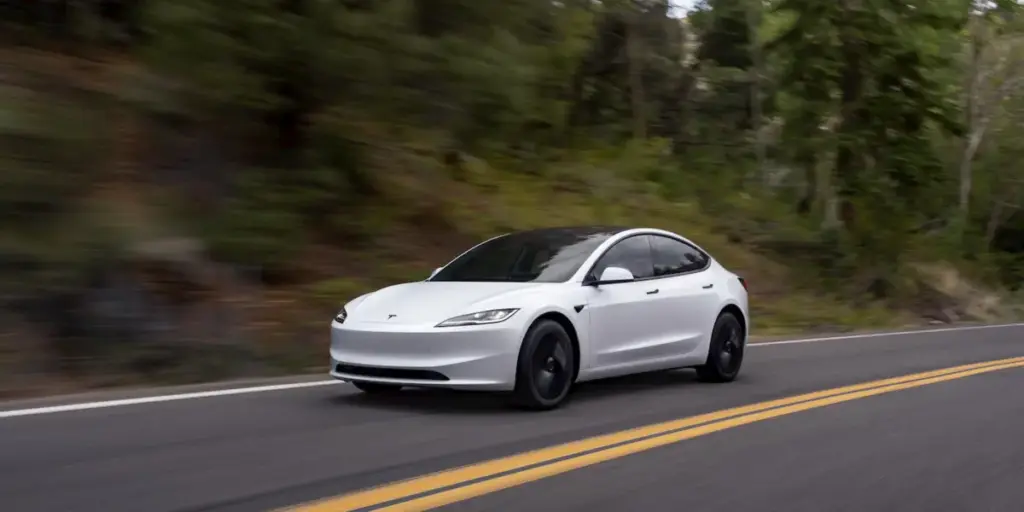
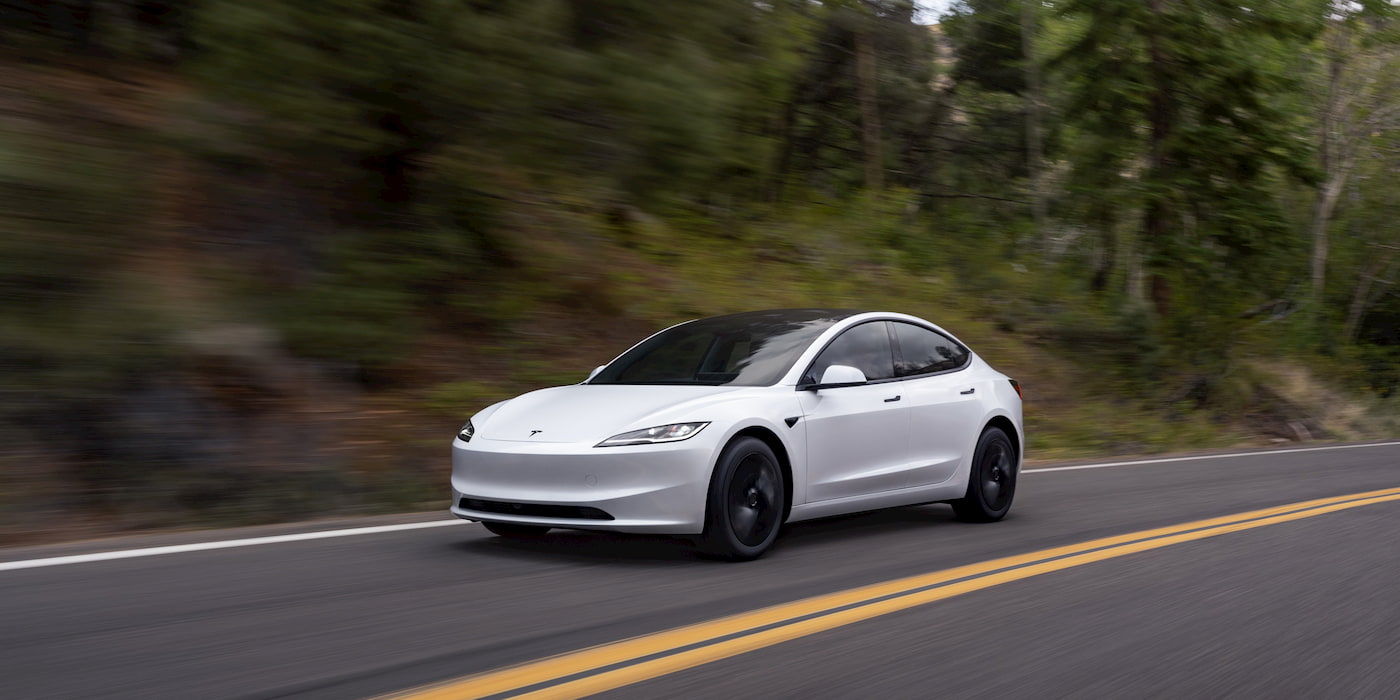
No discussion of EV pricing dynamics in North America is complete without examining Tesla. As the market leader, Tesla’s pricing decisions serve as the gravitational pull for the entire industry.
In March, Tesla’s average transaction price stood at $53,421. This reflects a 2.6% decrease compared to March 2025 and a 1.2% reduction from February 2026 levels. To achieve this, Tesla adjusted its internal discounting and financing structures, pushing its own incentive spending to 12.3% of its ATP.
However, Tesla’s performance metrics illustrate the delicate balancing act of price reductions:
- Year-Over-Year Sales: Cox Automotive estimates suggest that Tesla’s U.S. sales contracted by roughly 8.4% year over year in March.
- Month-Over-Month Recovery: Conversely, short-term momentum showed signs of life. Tesla deliveries rose by 6.1% compared to February, marking the second consecutive month of sequential delivery gains.
This dichotomy suggests that while price cuts are successfully drawing buyers back into showrooms after winter lulls, year-over-year growth faces headwinds from intensifying competition. Legacy automakers—including Ford, General Motors, Hyundai, and Kia—are fielding compelling alternative EV lineups that challenge Tesla’s historical dominance.
Industry Analysis & Market Implications
The convergence of EV and ICE pricing marks a psychological and economic watershed moment for the global automotive sector.
The Death of the "Luxury Tax" for Batteries
For over a decade, electric vehicles were categorized primarily as luxury goods or niche tech toys for early adopters. The average transaction price hovering well above $60,000—and at times exceeding $65,000—placed EVs out of reach for median-income households.

By pushing the average transaction price down toward the mid-$50,000 range (and with several high-volume compact EVs pushing far below that average), the market is effectively democratizing zero-emission technology. When the price premium shrinks to $5,800, the economic calculus for fleet operators, rideshare drivers, and everyday commuters shifts dramatically in favor of electrification.
Margin Pressures on Legacy and Startup Automakers
While consumers rejoice over falling prices, the executive suites of automotive companies face mounting pressure. Sustaining 14.6% incentive levels requires immense capital reserves.
- Pure-play EV startups that lack the cash reserves of legacy giants continue to face existential threats as they match price cuts to stay relevant.
- Legacy automakers are forced to subsidize their unprofitable EV divisions using the cash flows generated by their legacy internal combustion engine truck and SUV lines—a cyclical dependency that cannot last indefinitely.
Consequently, the next phase of the EV transition will likely be defined by manufacturing efficiencies, next-generation platform sharing, and supply chain localization designed to lower battery production costs organically rather than relying solely on artificial price subsidies.
Future Outlook: What Lies Ahead for EV Pricing?
As the industry moves deeper into 2026 and looks toward the horizon of 2027, several key trends will dictate whether the price gap between EVs and gas cars closes completely:
- Battery Technology Breakthroughs: The commercialization of solid-state batteries, cheaper cathode chemistries (such as LFP advancements), and localized cell manufacturing will continue to erode the fundamental cost drivers of electric mobility.
- The Resurgence of Sub-$30,000 Models: While average transaction prices sit in the mid-$50,000 range due to a heavy weighting of midsize SUVs and crossovers, the impending wave of smaller, dedicated compact EVs promises to drag average prices down even further.
- Regulatory Evolution: As federal and state policy incentives adapt to changing political and economic landscapes, automakers will have to rely increasingly on intrinsic production cost parity rather than financial incentives to maintain sales velocity.
The Bottom Line
The narrative that electric vehicles are permanently out of financial reach for the average American family is officially outdated. Driven by fierce competition, proactive discounting, and record-high manufacturer incentives, the affordability gap has narrowed to an unprecedented $5,800. While challenges remain regarding automaker profit margins and shifting sales volumes, the macroeconomic trajectory is clear: the electric vehicle market is successfully maturing into an accessible, mass-market reality.



