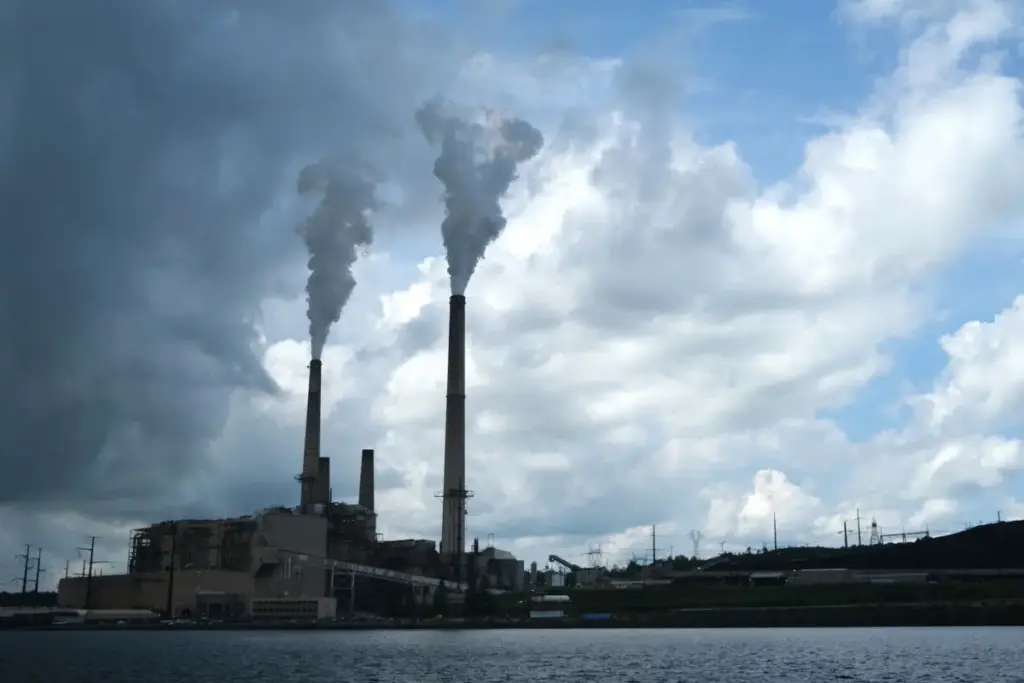
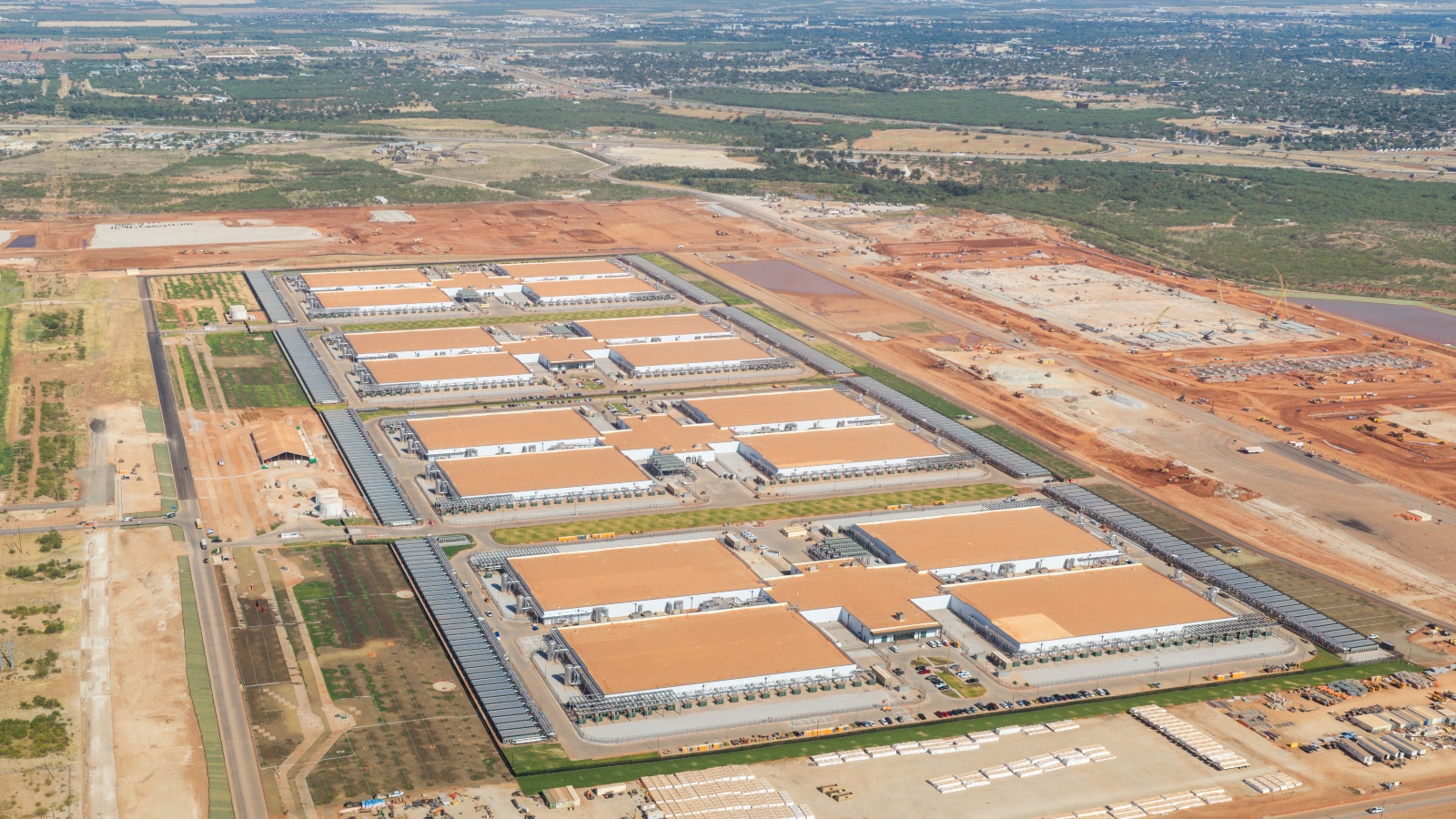
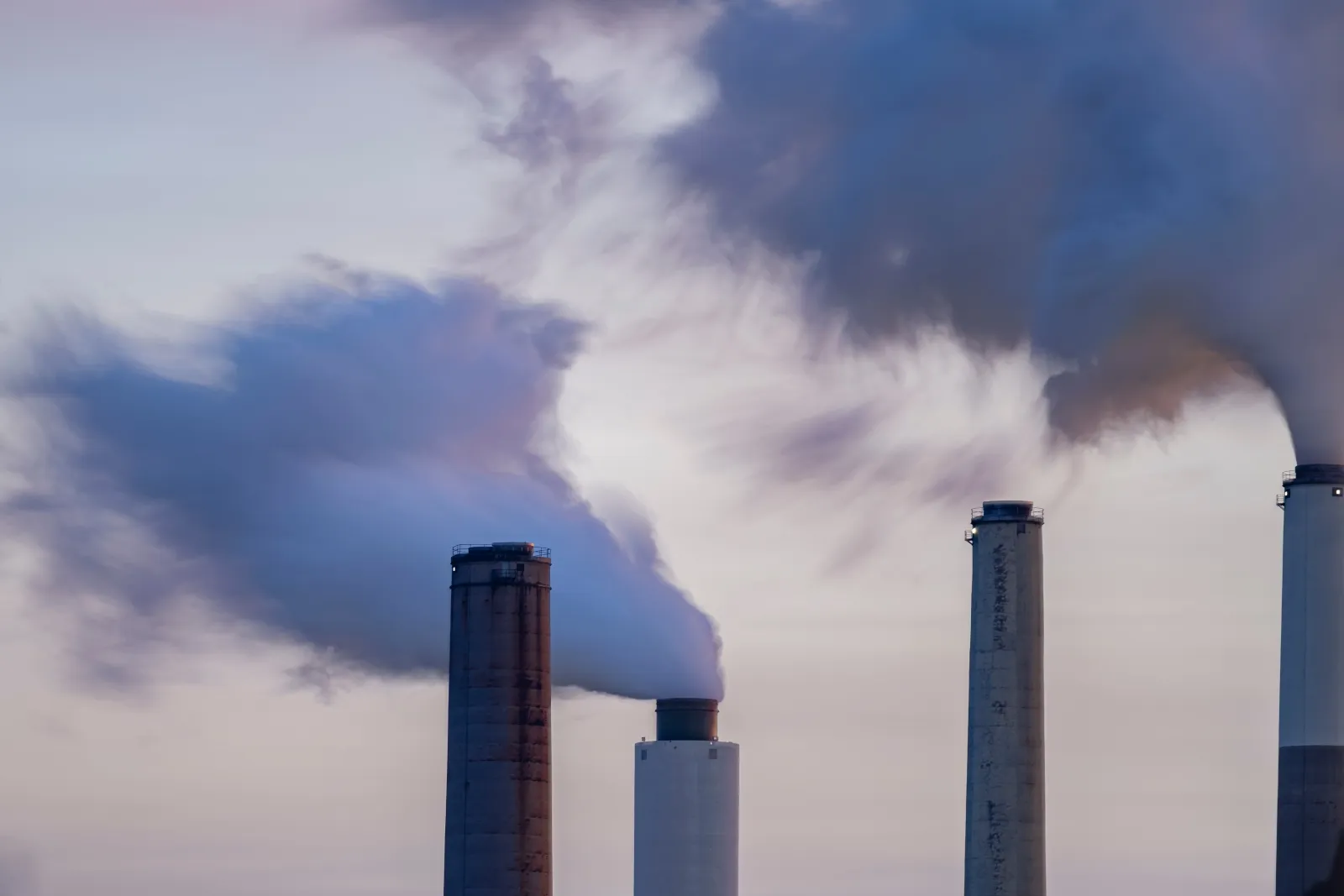
While Silicon Valley executives and tech oligarchs command global headlines by warning policymakers about the theoretical, long-term existential threats of artificial superintelligence, a far more tangible—and immediate—crisis is unfolding in America’s heartland. The unprecedented, gold-rush-style expansion of artificial intelligence is placing a crushing demand on the nation’s electrical grid, driving a massive surge in energy consumption. To fuel thousands of sprawling new data centers, energy developers are turning heavily to fossil fuels, keeping aging coal-fired power plants online and installing massive fleets of onsite gas-powered turbines.
Compounding this industrial footprint is a profound policy shift at the federal level. According to a landmark report released by the Environmental Protection Network (EPN)—an organization comprising veteran scientists and former administrators of the Environmental Protection Agency (EPA)—the Trump administration has systematically dismantled critical environmental guardrails. Since taking office in January 2025, the administration has advanced at least 30 separate regulatory rollbacks. These policy reversals weaken air pollution safeguards, ease inspection norms, and fast-track industrial permitting processes precisely when the country needs strict regulatory oversight the most.
With approximately 3,000 operational data centers already humming across the United States and another 1,500 facilities in active planning or construction stages, the convergence of unfettered tech expansion and federal deregulation poses a severe public health hazard. Independent scientific projections warn that the airborne emissions tied to this unbridled data center boom could trigger up to 1,300 additional deaths annually. Former EPA officials are sounding the alarm, arguing that the nation is trading public health for technological supremacy, leaving everyday families to pay the ultimate price for the AI era.
Detailed Chronology: The Deregulation of the EPA and the AI Surge
To understand how the United States arrived at this critical juncture, it is necessary to examine the systematic policy shifts that have occurred since the beginning of 2025. The rollback of environmental protections was not an accidental byproduct of bureaucratic lag; it was a deliberate, top-down strategy designed to clear the path for American dominance in artificial intelligence.
January 2025: Donald Trump returns to the White House, immediately signaling a government-wide push to deregulate energy production and position the United States as the undisputed global capital of AI.
Early 2025: EPA Administrator Lee Zeldin issues a series of internal directives establishing a "compliance-first orientation." The agency pivots away from strict civil enforcement, instructing enforcement personnel to avoid any regulatory actions that might "unduly burden or significantly disrupt" energy production or power generation.
Mid-2025: The Trump administration systematically dismantles the EPA’s main scientific research office—a historic department that historically housed hundreds of toxicologists, chemists, and atmospheric scientists tasked with uncovering emerging public health threats.
Late 2025: Administrator Zeldin releases a defining administrative memo explicitly stating the agency’s mission to "cut heavy-handed regulations to ensure America can build and power the data centers essential to Making America the AI Capital of the World."
Early 2026: The EPA proposes a controversial rule change that would allow data center developers and their associated power plants to break ground and begin construction before securing formal air pollution permits. Simultaneously, energy companies begin delaying the planned decommissioning of legacy coal-fired power plants to maintain baseload capacity for hyperscale data centers.
Mid-2026: Environmental groups and legal watchdogs launch challenges against executive actions—such as relaxed regulations governing onsite gas turbines utilized by massive facilities like xAI’s Colossus—arguing these loopholes violate the Clean Air Act.
Fall 2026: The Environmental Protection Network publishes its comprehensive report, The Hidden Costs of AI Data Centers, synthesizing decades of regulatory experience to warn the public that the current administration has gutted at least 30 distinct environmental safeguards, leaving rural communities directly in the path of unchecked industrial pollution.
Supporting Context & Metrics: The Scale of the Crisis
The sheer physical scale of the artificial intelligence boom defies historical precedent. Unlike previous technological revolutions centered on software or mobile devices, generative AI requires physical infrastructure of monumental proportions. Modern hyperscale data centers are massive industrial complexes filled with hundreds of thousands of specialized servers that generate staggering amounts of heat, requiring continuous, intensive cooling and unprecedented amounts of electrical power.
The Numbers Behind the Boom
3,000: The estimated number of operational data centers currently functioning across the United States.
1,500+: The number of new data centers currently in various stages of planning, permitting, or active construction nationwide.
Rural Impact: According to recent demographic and geographic analyses by the Pew Research Center, the vast majority of these new, sprawling data centers are being sited in rural areas and small towns. These regions frequently lack the municipal infrastructure, air-monitoring networks, and localized regulatory resources to effectively monitor heavy industrial emissions.
1,300: The projected annual number of additional deaths associated with the surge in deadly air pollution generated by the power demands of the AI boom, according to peer-reviewed research cited by the EPN.
The Fossil Fuel Revival
For years, environmental advocates and utility companies celebrated a slow, steady transition away from carbon-intensive energy sources, anticipating the gradual retirement of the nation’s aging coal fleet. However, the staggering electricity demands of the AI sector have completely upended these projections.
Rather than waiting for the slow construction of new renewable energy infrastructure and high-voltage transmission lines, tech giants and utility providers have taken the path of least resistance. Across the country, utility operators have canceled or delayed the retirement of dirty coal-fired power plants. In other instances, tech companies have bypassed the public grid entirely, deploying massive fleets of onsite, fossil-fuel-powered gas turbines—such as those powering Elon Musk’s xAI Colossus facility—emitting localized torrents of nitrogen oxides, sulfur dioxide, and particulate matter directly into surrounding neighborhoods.
Furthermore, the EPA’s newly proposed permitting loopholes mean that corporations can erect these facilities and fire up backup generators before comprehensive environmental impact assessments are even finalized. This institutionalized lack of oversight transforms rural and semi-rural American communities into sacrifice zones for the digital economy.
Official Statements and Expert Perspectives
The systematic dismantling of the EPA’s scientific apparatus has drawn sharp, unvarnished condemnation from the very career professionals who spent decades upholding the agency’s statutory mandate to protect public health.
During a press briefing organized by the Environmental Protection Network, Dan Costa—who dedicated 35 years of his life to the EPA as an air pollution researcher—delivered a passionate critique of the administration’s current trajectory.
"Over the decades, toxicologists, chemists, atmospheric scientists, modelers, and engineers worked in concert with academic colleagues on behalf of the American people—not on behalf of industry," Costa stated. "We wanted to carry out EPA’s mission of protecting people’s health from industrial air pollution. Transforming the nation’s energy system, while diminishing its scientific capacity to understand what the impacts are going to be, makes no sense."
Costa emphasized that the gutting of the agency’s research wing creates a dangerous blind spot. By deliberately blinding itself to the chemical and atmospheric consequences of burning additional fossil fuels for computing power, the federal government is abdicating its core responsibility to the citizenry.
Dr. Lynn Goldman, a prominent physician and former EPA administrative official, echoed these grave concerns, focusing specifically on the biological toll that particulate matter and toxic emissions take on human organ systems. Dr. Goldman noted that the health consequences of this deregulation will manifest across different time horizons:
"Some health impacts of increased data center pollution might be felt quickly—for example, heart attacks or premature births associated with particulate exposure. Others, such as cancer, might take years to emerge," Goldman warned. "The AI industry’s race for advantage should not be a matter of life or death. Families shouldn’t have to pay for the AI boom with their health."
In stark contrast to these public health warnings, the leadership of the EPA remains steadfast in its deregulatory mission. Administrator Lee Zeldin’s directives make it clear that the agency views environmental compliance not as a shield for public health, but as an administrative bottleneck to be cleared away in the name of geopolitical competition.
"We are committed to bolstering those efforts by cutting heavy-handed regulations to ensure America can build and power the data centers essential to Making America the AI Capital of the World," Zeldin wrote in his policy memo, framing the rollback of pollution rules as an essential pillar of national security and economic nationalism.
Future Outlook: Navigating the Collision of Tech and Toxicology
As the United States barrels deeper into the second half of the decade, the nation stands at a dangerous crossroads. On one side lies the relentless, capital-driven march toward artificial general intelligence—a corporate race characterized by staggering financial investments, intense geopolitical rivalries, and an insatiable appetite for electrical energy. On the other side stands the fundamental biological reality of human health, which relies upon clean air, stable climatic conditions, and rigorous, science-based regulatory oversight.
The immediate future looks precarious for communities situated near the newly planned corridors of technological infrastructure. Without robust federal oversight, local residents—frequently in lower-income or rural areas with limited political leverage—will bear the brunt of increased toxic emissions, heightened rates of cardiovascular and respiratory illness, and the long-term environmental degradation caused by the revival of dirty fossil fuels.
Legal challenges from environmental justice organizations, state-level attorneys general, and coalitions of former regulatory officials will undoubtedly mount. However, reversing the ideological tide within a federal agency that has systematically sidelined its own scientists will require a monumental structural and political reckoning.
Ultimately, the warnings issued by the Environmental Protection Network serve as an urgent reality check for lawmakers, tech executives, and the American public. The existential risks posed by artificial intelligence are not confined to distant science-fiction scenarios of rogue superintelligence; they are actively manifesting today in the smokestacks of revived coal plants, the roar of onsite gas turbines, and the quiet erosion of the environmental safeguards designed to keep human beings safe. As the AI revolution accelerates, the central question facing the nation is no longer just how fast we can build the future, but how many lives we are willing to sacrifice to power it.