

Executive Overview
In the spring of 2024, residents of Louisiana’s industrial corridor stood inside the Environmental Protection Agency (EPA) headquarters to witness what they believed was a generational victory. EPA Administrator Michael Regan formally signed the Hazardous Organic National Emission Standards for Hazardous Air Pollutants—universally known as the HON rule. Designed to clamp down on toxic emissions from more than 200 massive petrochemical facilities across the United States, the regulation was celebrated by long-suffering communities as a long-overdue shield against carcinogenic air pollution.
For neighborhoods hemmed in by heavy industry—particularly the 85-mile stretch between New Orleans and Baton Rouge known colloquially as "Cancer Alley"—the HON rule represented validation. It targeted the "classic bad guys" of chemical manufacturing: hazardous air pollutants like ethylene oxide, chloroprene, benzene, and vinyl chloride.
Yet, this regulatory high-water mark proved fleeting. Following the inauguration of Donald Trump for his second term, the federal government embarked on an aggressive campaign to systematically dismantle the Biden administration’s environmental legacy. Through sweeping executive exemptions, delayed compliance timelines, and forthcoming rewrites of foundational air quality standards, the new administration has effectively paused or neutralized the HON rule and its companion air toxics regulations.
While the chemical industry praises these rollbacks as essential for economic competitiveness and supply chain security, public health advocates and frontline communities warn of an escalating public health crisis. The legal battles that followed have set up a high-stakes constitutional showdown in federal court over the boundaries of executive power, environmental justice, and the true cost of domestic industrial security.
Detailed Chronology: From Celebration to Rollback
April 2024: The Triumph of the HON Rule
The path to the HON rule’s implementation was paved by decades of grassroots organizing. Communities in the lower Mississippi River basin, where Black residents bear a disproportionate burden of toxic exposure, had long petitioned federal regulators to recognize the acute health risks posed by neighboring facilities. St. John the Baptist Parish, home to activists like Tish Taylor, Robert Taylor, and Sharon Lavigne, held the dubious distinction of shouldering some of the highest cancer risks from air pollution in the United States—nearly 50 times the national average.
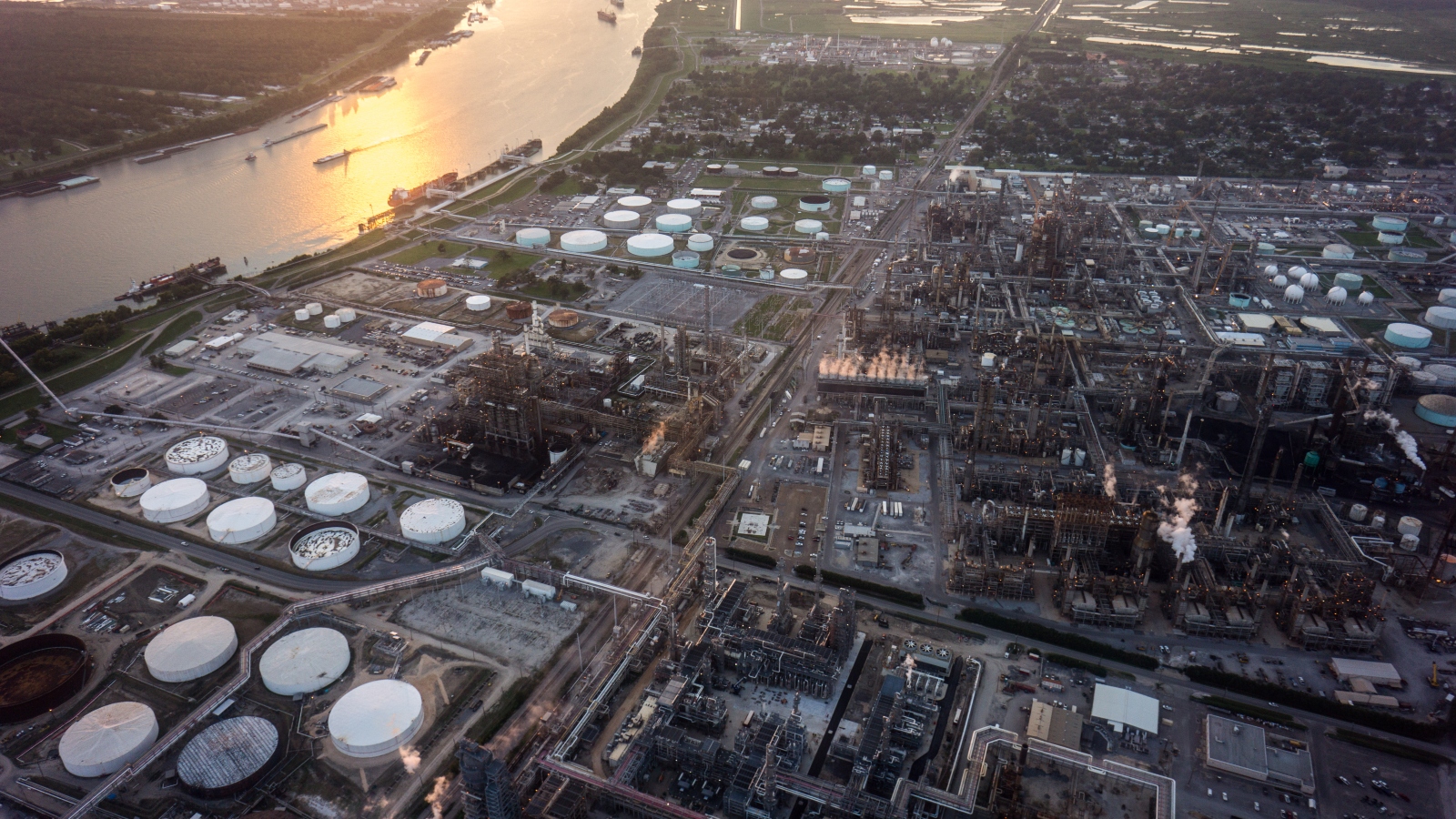
When the Biden administration finalized the HON rule in April 2024, it introduced unprecedented requirements. Facilities were mandated to upgrade their pollution control technologies to target ethylene oxide and chloroprene. Crucially, the rule required fenceline air monitoring to track emissions of six major hazardous pollutants in real-time, mandating immediate repairs if thresholds were breached. It also closed a notorious loophole that had historically granted chemical plants exemptions from emissions rules during start-ups, shutdowns, and maintenance periods—events frequently triggered by extreme weather events linked to climate change.
Early 2025: The Sudden Shift in Executive Policy
The political landscape shifted dramatically with the return of the Trump administration in January 2025. Almost immediately, the EPA pivoted from enforcement to relief for industrial operators. The agency invited petrochemical manufacturers to petition directly for exemptions from the HON rule and other air toxics standards.
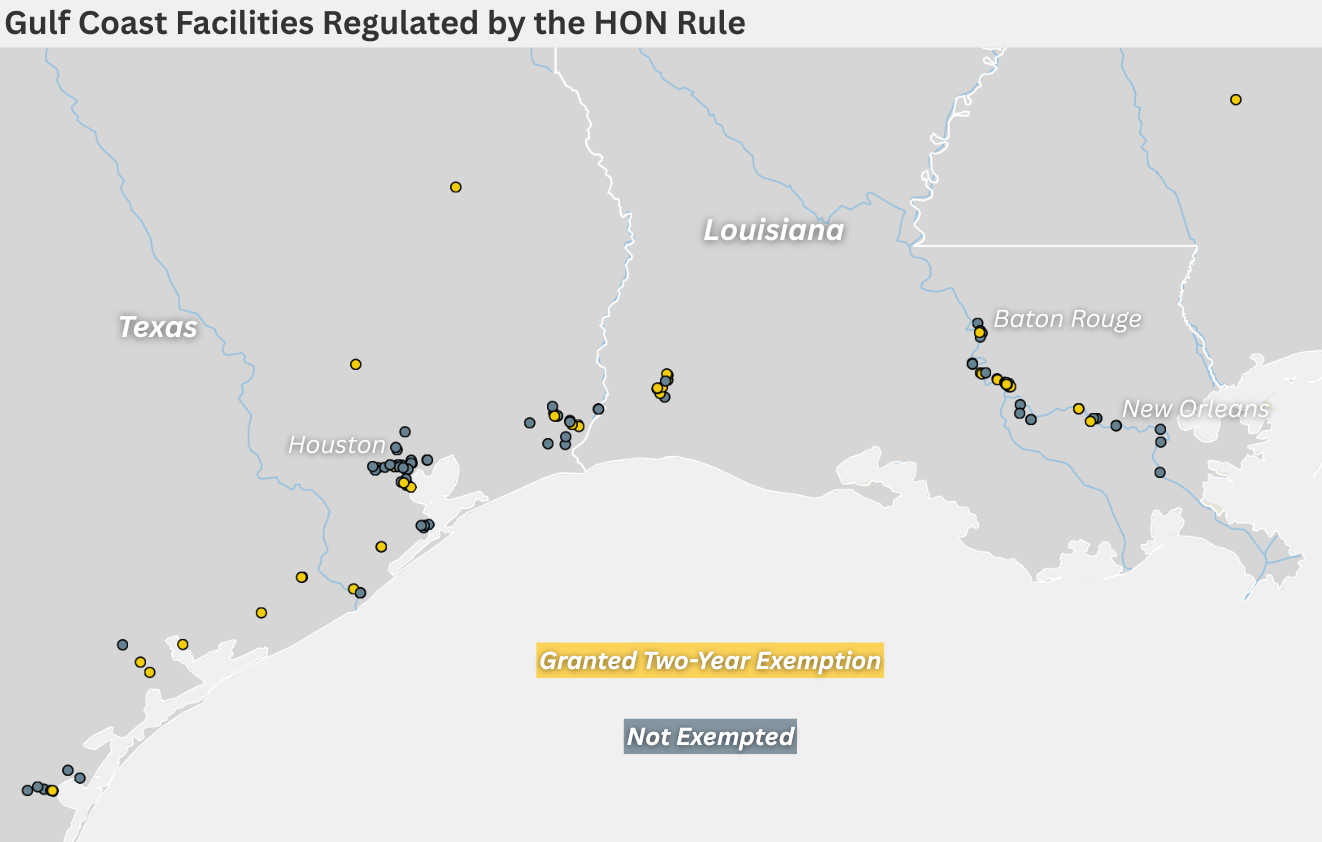
Utilizing a little-used and controversial provision of the Clean Air Act, President Trump granted two-year exemptions to more than 50 petrochemical facilities in his first wave of executive orders, followed by an additional 20 temporary exemptions in July. The proclamations invoked "national security interests," arguing that stringent environmental compliance posed an undue burden on domestic chemical manufacturing and threatened critical economic supply chains.
Late 2025 to 2026: Institutional Dismantling and Litigation
By the fall of 2025, the administration announced plans to formally rewrite the HON rule, all but ensuring that its core protections would be severely diluted. This action mirrored broader efforts across the federal government to roll back eight other major air toxics standards targeting iron and steelmaking, copper smelting, tire manufacturing, and coal-fired power plants.
The response from frontline communities was swift and legally aggressive. In October 2025, a coalition of local and national advocacy groups—including the Concerned Citizens of St. John—filed a federal lawsuit in the U.S. District Court for the District of Columbia. The plaintiffs argued that the administration’s sweeping exemptions lacked the rigorous factual grounding and statutory justification required by law, serving instead as a transparent pretext to shield polluters from accountability.
Concurrently, the EPA systematically dismantled supporting transparency and safety tools. The agency proposed undoing changes to the Risk Management Program (RMP)—which had empowered industrial workers to halt dangerous operations and required robust emergency planning—and abruptly took offline an online data tool that provided local communities with basic information about chemical inventories and accident histories.
Supporting Context & Metrics: The Scale of Exposure
To understand the magnitude of the HON rule, one must examine its unprecedented geographic and chemical footprint. Unlike narrow regulations that target isolated facilities or localized pollution sources, the HON rule cast a wide net over approximately 220 large-scale petrochemical plants nationwide.
- Geographic Concentration: Nearly 60 percent of the facilities regulated by the HON rule are clustered in Texas and Louisiana, anchoring the nation’s primary petrochemical production hubs. The remaining 40 percent are scattered across states including Ohio, West Virginia, Kentucky, Tennessee, Illinois, and Alabama.
- Pollution Reduction Projections: At the time of its finalization, the EPA estimated that the HON rule would prevent 6,200 tons of toxic air pollution annually. It was projected to slash emissions of ethylene oxide and chloroprene by roughly 80 percent and reduce local cancer risks near regulated facilities by 96 percent.
- Toxic Profiles: The chemicals prioritized under the rule are heavily implicated in severe human health pathologies. Compounds like benzene, 1,3-butadiene, ethylene dichloride, and vinyl chloride are documented carcinogens linked to leukemia, lymphoma, breast cancer, liver cancer, and chronic reproductive complications.
According to Dr. Tracey Woodruff, an epidemiology and population health professor at Stanford University and a former EPA toxic assessments researcher, these substances represent "the classic bad guys of toxic chemicals." Their toxicity has been documented in scientific literature for decades, rendering delayed regulation a persistent failure of public health protection.
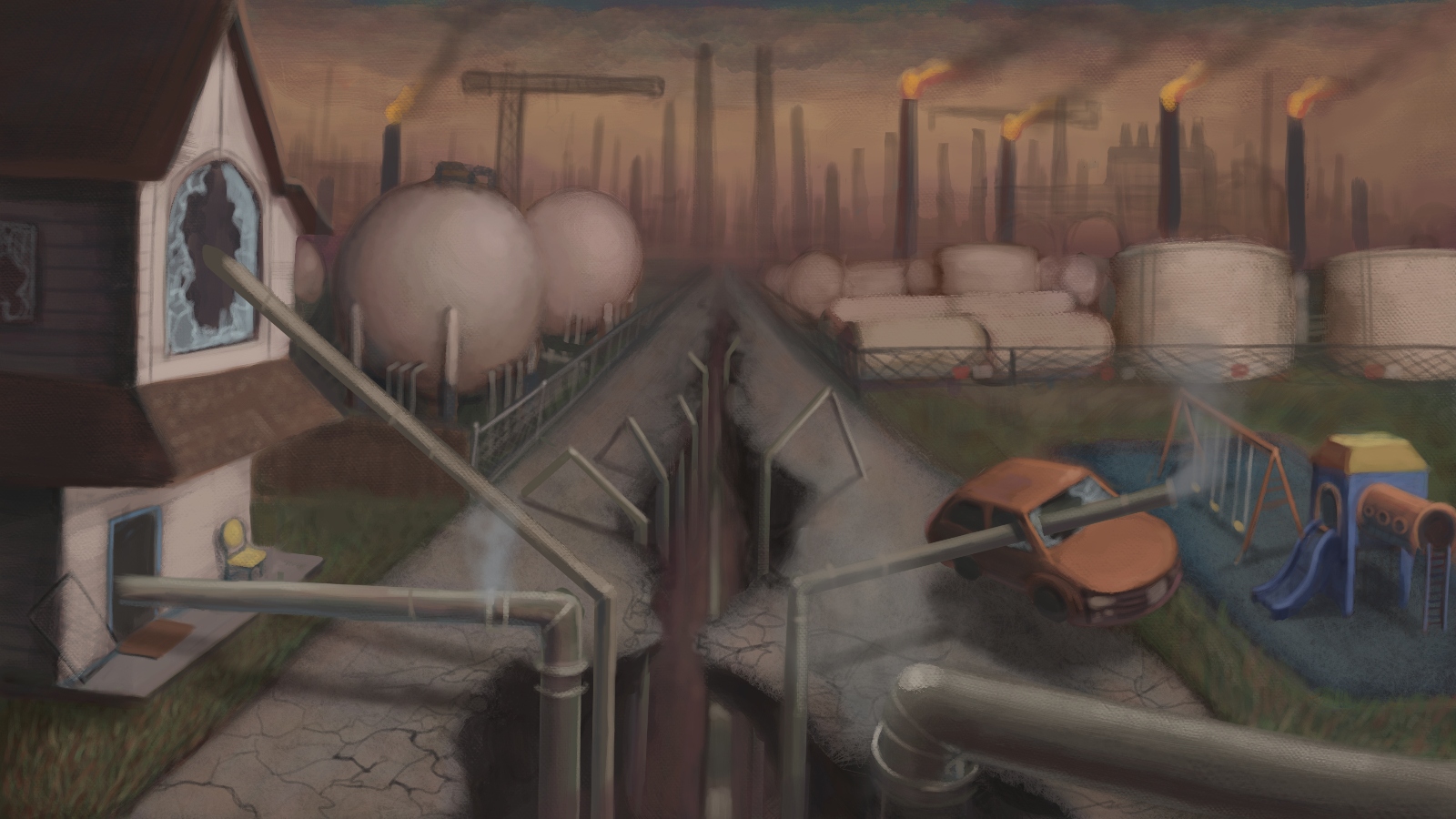
Furthermore, the vulnerability of these industrial zones has been exacerbated by systemic safety rollbacks. Federal data indicates that the United States recorded 131 reportable chemical release accidents in the previous year alone. In major industrial centers like Houston, home to nearly 700 chemical plants, residents contend with routine flare-ups, toxic fires, and lingering dark plumes, leaving communities exposed to catastrophic disaster scenarios akin to historical industrial failures abroad.
Official Statements and Competing Perspectives
The ideological battle lines drawn over the HON rule highlight a fundamental tension between industrial competitiveness and environmental justice.
The Administration and Industry Defense
The Trump administration and industry trade groups have defended the rollbacks as a necessary course correction to protect the American economy. Proclamations issued by the White House framed the Biden-era regulations as "overly stringent" burdens that exceeded the EPA’s statutory authority.
"Maintaining a robust domestic chemical industry is vital to safeguarding the supply chains that underpin our economy and to reducing the Nation’s dependence on foreign control over materials critical to national resilience," the administration stated in its regulatory relief proclamations.
The American Chemistry Council (ACC), representing major chemical manufacturers, echoed these sentiments, asserting that the HON rule imposed unrealistic compliance timelines and relied on technologies that were not universally available. The ACC argued that temporary exemptions provide a vital pathway for relief while maintaining a commitment to safe, sensible operations.
Similarly, EPA spokespersons defended ongoing regulatory reviews, maintaining that the agency’s revised posture aims to "protect American industry and supply chains, while still minimizing Americans’ unnecessary exposure to hazardous air pollutants."
Community Advocates and Legal Critics
In stark contrast, community leaders and environmental lawyers view the administration’s justifications as legally flawed and morally indefensible.

Annie Fox, a staff attorney at the Clean Air Council in Philadelphia, challenged the administration’s reliance on national security exemptions under the Clean Air Act. She noted that such provisions were designed to be rare, highly scrutinized exceptions grounded in verifiable empirical data, rather than blanket administrative reprieves.
"That’s not how this works," Fox noted. "These are supposed to be rare exceptions that are well-grounded in research and facts, not just stated."
For residents of Cancer Alley, the policy reversal represents a direct threat to their survival. Tish Taylor expressed the profound sense of betrayal felt by her community:
"Everything that the Biden administration did to help protect us was pretty much just thrown in the garbage, and replaced by a death sentence."
Dr. Woodruff criticized the staffing and philosophical direction of the current EPA, pointing out that placing former fossil fuel and petrochemical lobbyists in key oversight positions signals a policy of total capitulation to industrial demands. She observed that these rollbacks directly contradict public health messaging, noting, "This is exactly opposite of what this administration claimed they wanted to do in terms of ‘Make America Healthy Again.’"
Sharon Lavigne, founder of RISE St. James, maintains a defiant stance despite the legal and political setbacks. Holding onto the commemorative pen gifted to her by former EPA Administrator Michael Regan after the signing of the HON rule, Lavigne vowed to continue the fight.
"When he gets out of office," Lavigne pledged, "we’re gonna fix it back."
Future Outlook
The trajectory of the HON rule remains locked in a high-stakes legal and political limbo. As the federal courts weigh the legality of the administration’s unprecedented use of national security exemptions, the EPA moves forward with its anticipated rulemaking to permanently weaken air toxics standards.
For fence-line communities across the Gulf Coast and the industrial Midwest, the immediate future is characterized by heightened vulnerability. With safety reporting tools suppressed, emergency preparedness mandates rolled back, and pollution monitoring requirements stalled, residents face an elevated risk of industrial accidents and chronic toxic exposure.
Ultimately, the battle over the HON rule is larger than a single environmental regulation. It serves as a defining test case for the limits of executive authority over public health protections, the resilience of grassroots environmental justice movements, and whether the federal government will prioritize corporate manufacturing autonomy or the fundamental right of all Americans to breathe clean air.



