Executive Overview
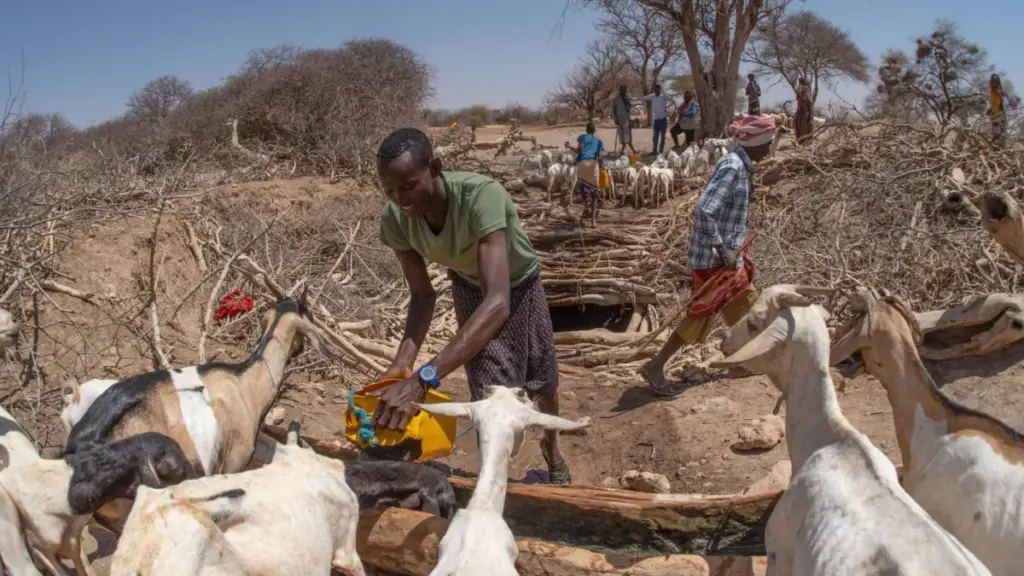
For generations, the rhythmic migration of pastoralist communities has synchronized with the pulse of the earth. From the sweeping savannahs of northeast Tanzania to the rugged steppes of Mongolia and the high-altitude pastures of the Himalayas, approximately 500 million people worldwide rely on pastoralism—tending herds of cattle, sheep, goats, and yaks across the planet’s rangelands. These vast ecosystems cover roughly half of Earth’s landmass, serving not only as the foundation of ancient cultures and localized economies but also as critical buffers against environmental breakdown.
Today, however, an escalating climate and ecological emergency threatens to unravel this delicate symbiosis. Accelerated by severe droughts, land degradation, and encroaching industrial and commercial pressures, rangelands are deteriorating at rates 30 to 35 times the historic average. For traditional herders, this crisis is not merely economic; it is an existential threat to their cultural survival.
Against this backdrop, hundreds of Indigenous pastoralists, community leaders, and land-rights advocates converged in Mongolia for the 17th session of the United Nations Convention to Combat Desertification (UNCCD COP17), running from August 17 to 28, 2026. The delegation brought a unified, urgent message to the international stage: effective climate resilience is inextricably bound to the preservation of land and mobility rights. As desertification breaches borders—increasingly impacting industrialized nations in Southern and Western Europe—pastoralist leaders are demanding that global policy frameworks pivot away from forest-centric myopia, formally integrate Indigenous knowledge systems, and guarantee full, unfettered participation for Indigenous caucuses in global environmental governance.
Detailed Chronology: The Road to UNCCD COP17 and the Struggle for Inclusion
The mobilization of pastoralists at UNCCD COP17 represents the culmination of decades of advocacy, punctuated by significant systemic resistance within international environmental forums.
The structural architecture of modern global environmental policy was forged at the historic 1992 U.N. Earth Summit in Rio de Janeiro, Brazil. During this landmark gathering, world leaders established three foundational pillars to address planetary decline: climate change, biodiversity loss, and desertification. Separate international conventions were established for each pillar, creating specialized COPs (Conferences of the Parties) intended to coordinate global action.
However, funding and political prioritization across these three pillars have been profoundly uneven. Over the subsequent decades, trillions of dollars have flowed toward climate change mitigation and biodiversity conservation—frequently channeled into large-scale forest-planting and protected-area initiatives. Meanwhile, desertification and land degradation have received a fraction of this investment, totaling only in the billions. For generations, desertification was treated by policymakers in the Global North as a localized, peripheral crisis confined primarily to developing nations.
This historical compartmentalization began to shatter as climate change intensified. In the years leading up to 2026, severe and unprecedented droughts paralyzed regions across Spain, France, and Sweden, bringing the stark reality of land degradation to the doorsteps of Western Europe. Yet, even as political attention shifted toward the vulnerabilities of developed economies, the level of political will and targeted financing for rangelands lagged far behind.
The tensions inherent in this global oversight came to a head during the opening week of UNCCD COP17 in Mongolia. Although hailed as a historic milestone for implementing the convention’s first-ever Indigenous Peoples Caucus—spearheaded by leaders like Hindou Oumarou Ibrahim—the caucus immediately met with bureaucratic and political resistance. To secure full participation and establish formal operational functions, Ibrahim led a direct protest during the first week of the summit, underscoring the ongoing marginalization of the very populations who steward half of the world’s landmass.
Supporting Context & Metrics: The Crisis on the Ground
To understand the gravity of the demands voiced at COP17, one must examine the daily realities of pastoralist communities grappling with accelerating environmental collapse.
In northeast Tanzania, cattle are the core of Maasai identity. Herd size dictates social standing, and for generations, families have maintained their wealth in livestock rather than traditional banking institutions. Andrew Msami, program lead for the Pastoralists Indigenous Non-Governmental Organizations Forum (PINGOs Forum)—a network representing over 50 pastoralist groups in Tanzania—explains that while adaptation has always been woven into Maasai life, current conditions transcend historical precedent. Msami and countless others have been forced to sell off prized cattle, replacing them with goats. Though goats are more resilient to drought, they carry significantly lower financial and cultural value.

"We have to adapt because it’s like desertification is attacking our identity," Msami noted. "If you lose your identity, it means you have lost everything."
This phenomenon is mirrored globally:
- The Scale of Rangelands: Rangelands comprise approximately 50% of the Earth’s terrestrial surface, sustaining roughly 500 million pastoralists from the sub-Saharan belt and East Africa to the mountains of Nepal and the steppes of Central Asia.
- Degradation Velocity: According to United Nations metrics, arable land and rangeland degradation is occurring at a rate 30 to 35 times faster than the historical average.
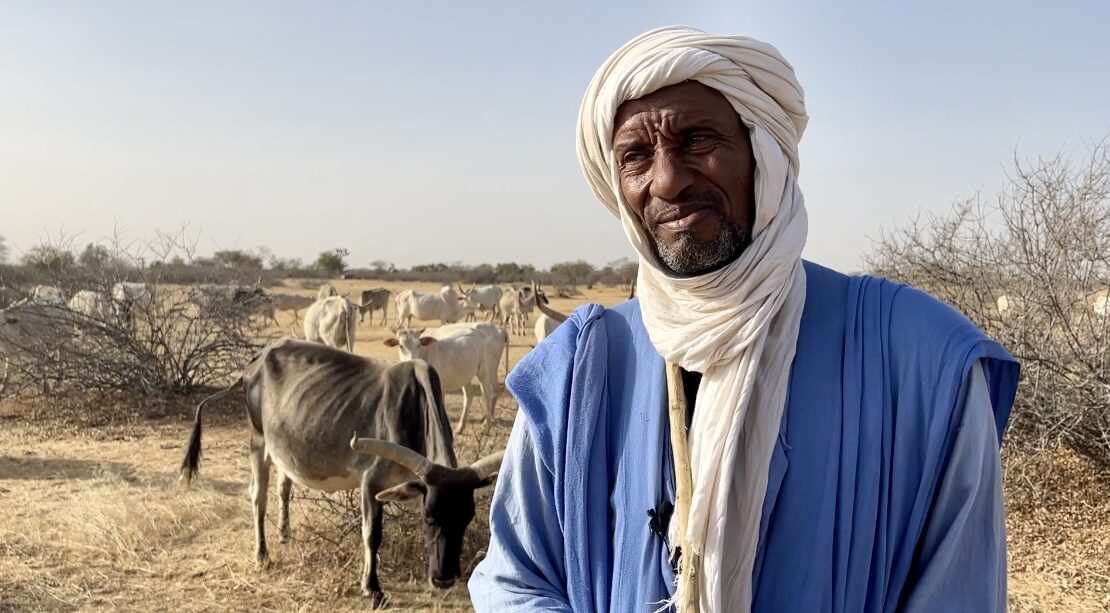
- Accelerating Deserts: In regions like Chad, the Sahara Desert is advancing aggressively—expanding by up to 1.2 miles (2 kilometers) every single year, pushing traditional adaptation strategies past their absolute limits.
- Ecosystem Resilience: Despite persistent misconceptions that pastoralism contributes to overgrazing and land destruction, peer-reviewed scientific evidence—such as recent studies published in BioScience—demonstrates that well-managed, mobile pastoralism can actually mitigate biodiversity loss, enhance soil health, and foster climate-resilient landscapes.
Despite these scientific verifications, many national governments have responded to ecological stress by implementing top-down restrictions, forcibly shrinking herd sizes, and criminalizing the seasonal migration patterns that are vital for rangeland recovery.
Official Statements and Perspectives
The dialogue in Mongolia highlighted a profound disconnect between top-down environmental interventions and the lived experiences of land stewards. Leaders at COP17 emphasized that technical solutions alone will fail if human rights are ignored.
-
Andrew Msami (PINGOs Forum, Tanzania):

"We want to give the world a message that it’s not only the land that you will have to really look at. But you look at the people in that land, and maybe their lives should not be disturbed or sacrificed for the development of the world."
-
Hindou Oumarou Ibrahim (Mbororo pastoralist, Chad, and first chair of the UNCCD Indigenous Peoples Caucus):
"History is catching them because when you look at Spain, France, even Sweden, all those countries, they have a bigger drought ever since the last two years. So, it is becoming a developed countries issue, and now they start paying more attention, but still it does not get the same attention on the level of political will or finance."
Commenting on the accelerating pace of environmental collapse, Ibrahim added: "We have the land degradation very, very fast, and of course we use our knowledge to try to restore the land. We try to fix it, but it is still there."
-
Solange Bandiaky-Badji (Coordinator and President, Rights and Resources Initiative):

"Securing land and mobility rights is not separate from climate adaptation. It is a fundamental part of building resilience."
Bandiaky-Badji emphasized that external expertise is worthless without legal protection for Indigenous territories. She called for rigorous enforcement of the principle of Free, Prior, and Informed Consent (FPIC), noting that because pastoralists are mobile, their territorial claims are frequently erased, leaving them excluded from high-level negotiations and regional development deals.
On the necessity of holistic environmental policy, she added: "There is a link between climate resilience, protecting biodiversity, and restoring landscapes. They’re all interrelated. And until we start seeing them as interrelated, we might have these different COPs, but it will not really solve the systemic problem that we have been dealing with. And the climate crisis is a systemic problem that we need to deal with."
Future Outlook: A Paradigm Shift for Global Environmental Governance
As the international community moves forward—highlighted by observances such as the U.N. International Year of Rangelands and Pastoralists—the outcomes of UNCCD COP17 will serve as a critical turning point for global conservation strategy.
The demands articulated in Mongolia point toward three immediate imperatives for governments, multilateral financial institutions, and conservation organizations:
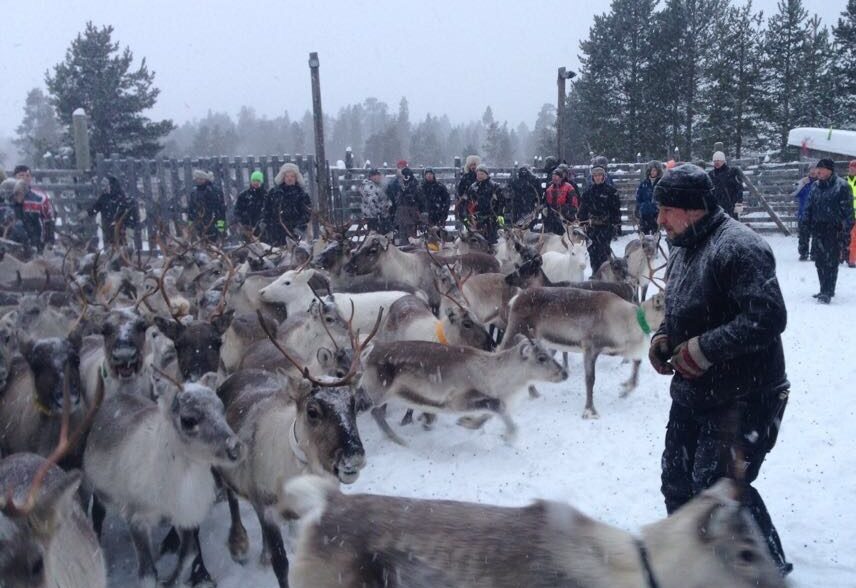
- Institutionalization of Indigenous Inclusion: The successful establishment and defense of the UNCCD Indigenous Peoples Caucus must serve as a blueprint. Future climate, biodiversity, and desertification COPs must institutionalize active, meaningful inclusion, ensuring that mobile pastoralists possess direct voting and negotiating powers rather than remaining sidelined as observers.
- Legal Recognition of Land and Mobility Rights: Climate finance and adaptation funds must be conditioned upon the legal titling and protection of collective Indigenous rangelands. Laws criminalizing traditional migration routes must be repealed, acknowledging that mobility is an ecologically sound management tool rather than a threat to conservation.
- Systemic Integration of Environmental Frameworks: Policymakers must dismantle the bureaucratic silos separating climate change, biodiversity loss, and desertification. Funding must be equitably distributed across all three pillars, recognizing that degraded rangelands are just as vital to planetary survival as dense tropical forests.
Without these systemic shifts, global initiatives risk repeating past mistakes—sacrificing the human rights and cultural survival of pastoralist communities in the name of a narrow, technocratic green transition. For Andrew Msami, Hindou Oumarou Ibrahim, and millions of other herders worldwide, the struggle to protect their rangelands is nothing less than the defense of human dignity against the advancing sands of institutional neglect.