Executive Overview
The global calendar of natural history and photography holds few events as anticipated as the unveiling of the shortlist for the Natural History Museum’s Wildlife Photographer of the Year (WPY) competition. Entering its 62nd year, the competition continues to serve as the premier international platform for visual storytelling, conservation advocacy, and artistic excellence in wildlife photography. The 2026 shortlist, released today, offers a mesmerizing glimpse into the breathtaking complexity, resilience, and vulnerability of the natural world.
From the freezing, remote expanses of the Arctic Circle to the bustling, concrete-encroached fringes of suburban California, this year’s highly commended images capture moments of astonishing intimacy, drama, and behavioral revelation. Photographers from across the globe have braved extreme elements, deployed cutting-edge technological rigs, and exercised infinite patience to document stories that might otherwise have gone unseen.
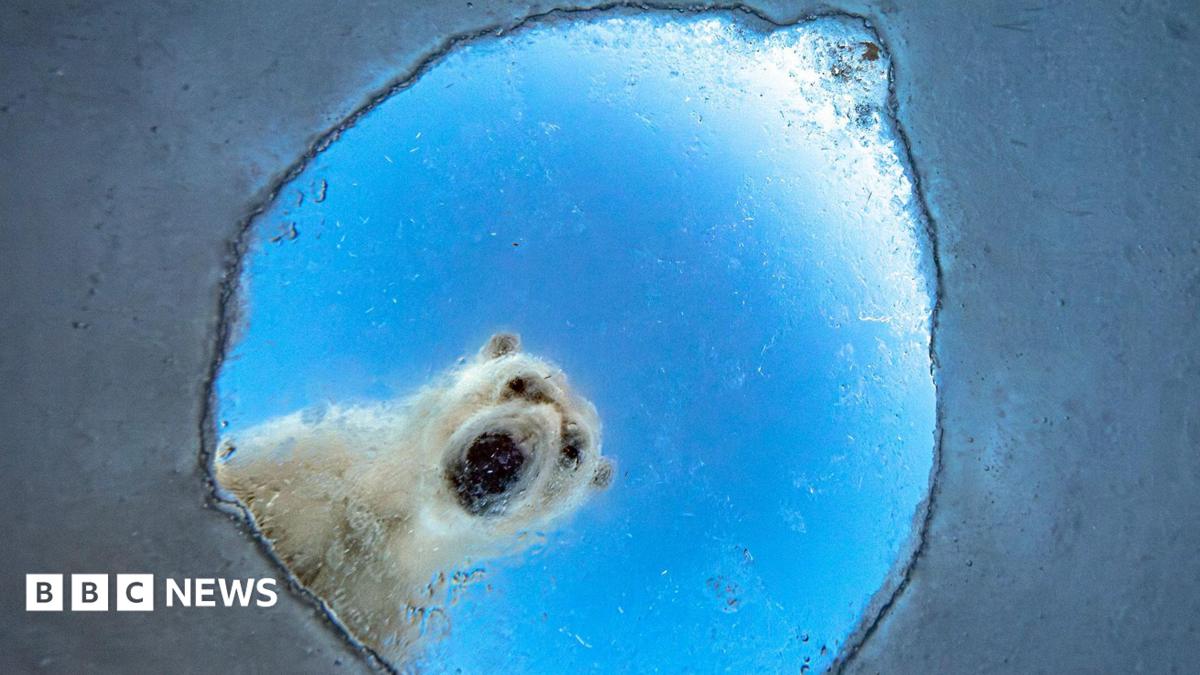
At the forefront of this year’s accolades is Norwegian photographer Audun Rikardsen, whose gripping image Icy Window—depicting a curious polar bear peering directly down a seal’s breathing hole—has captured the imagination of the global scientific and artistic communities. Yet, Rikardsen’s masterpiece is merely the anchor of a diverse, profound collection of images spanning behavioral snapshots, striking animal portraits, urban wildlife interactions, and poignant photojournalistic exposés.
As the countdown begins toward the announcement of the overall competition winners on Tuesday, October 13, 2026, followed by the grand public exhibition opening at London’s Natural History Museum on Friday, October 16, 2026, this year’s shortlisted portfolios offer a profound mirror to our planet’s current ecological reality.
Detailed Chronology & Behind-the-Lens Accounts
The path to a highly commended spot in the Wildlife Photographer of the Year competition is paved with months of meticulous planning, endurance, and, frequently, sheer serendipity. Several standout entries from the 2026 shortlist reveal the extraordinary lengths to which photographers go to capture fleeting fractions of a second in the wild.
The Polar Bear’s Perspective: Audun Rikardsen (Icy Window)
For Norwegian photographer Audun Rikardsen, working as a guide with Arctic Wildlife Tours provided a unique vantage point to study the apex predators of the frozen north. In pursuit of an entirely fresh perspective, Rikardsen engineered a specialized underwater camera setup equipped with a motion sensor. He carefully positioned the rig directly beneath a natural seal breathing hole cut into the thick Arctic ice.
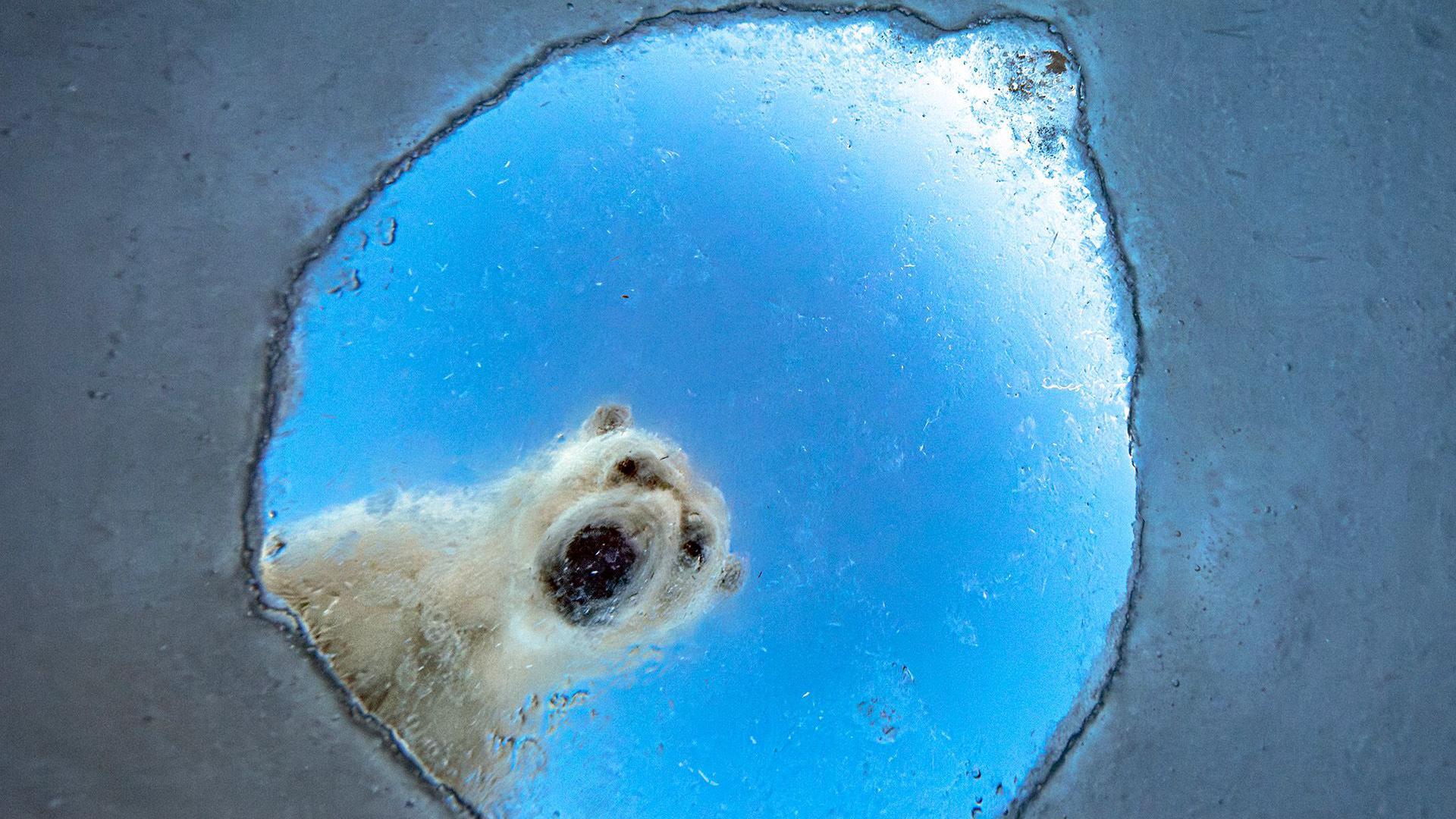
At 4:00 AM, his patience paid off when a majestic female polar bear approached the breathing hole, drawn by curiosity, and peered directly down into the lens. The resulting shot frames the bear’s dark eyes and nose against its stark pale fur, perfectly contrasted by a vivid blue sky framing the circular aperture of the ice. Rikardsen was forced to wait an agonizing eight hours for the bear to naturally wander away before he could safely retrieve his equipment. Upon reviewing the footage, his reaction was instantaneous: "I was so extremely happy. I was screaming, so I probably woke up all the polar bears for miles."
A Duel in the Canopy: Allegra Hutton (Up a Tree without a Squirrel)
In the floodplains and waterways of Botswana’s Okavango Delta, American photographer Allegra Hutton documented a masterclass in youthful overconfidence meeting natural agility. Having tracked a young leopard that had earlier attempted—and failed—to stalk a rabbit, Hutton watched as the feline shifted its focus to a nimble tree squirrel.
The chase led straight up a vertical tree trunk. However, the leopard’s predatory ambitions were thwarted when the squirrel nimbly ascended far beyond the young cat’s reach. Hutton captured the dramatic, black-and-white composition of the leopard clinging awkwardly to the ridged bark, stranded and empty-handed, as the squirrel looked down from above. The image underscores the harsh realities of growing up in the wild, where youth mortality rates for young leopards are steep, driven by competition with lions, adult male leopards, and other apex predators.
The Microscopic Photobomb: Andrea & Maceo Grammatico (Biting Back)
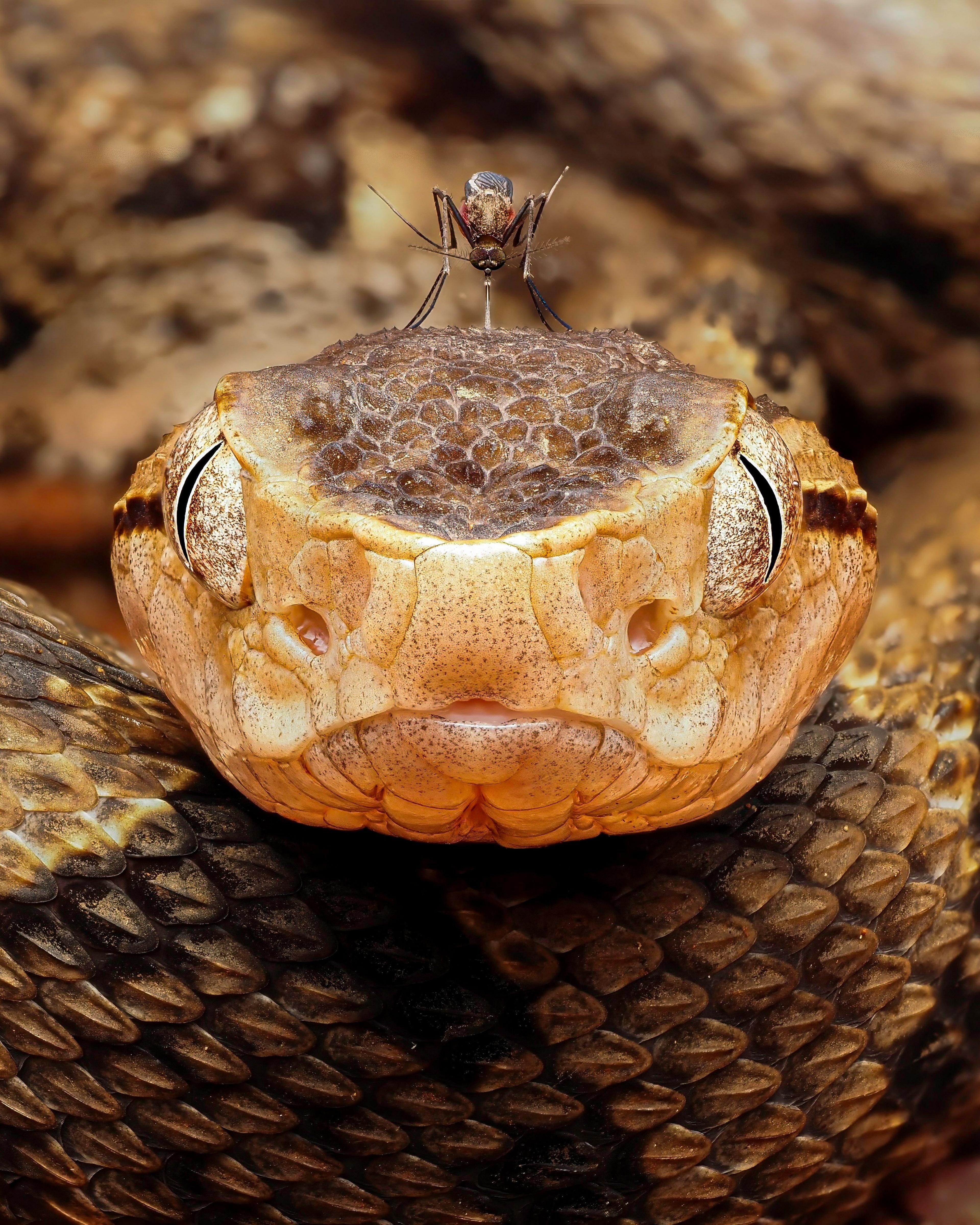
In the humid rainforests of Sierpe, South Puntarenas, Costa Rica, French photography duo and twins Andrea and Maceo Grammatico achieved a technical marvel. Seeking to capture the striking facial patterns of a fer-de-lance viper—a pit viper notorious for its lethality and responsible for more fatal snake bites in Central America than any other species—the brothers executed one of the most demanding focus-stacking operations of their careers.
It was only during the post-processing phase, long after leaving the field, that the twins discovered an uninvited tiny guest perched squarely on top of the venomous snake’s head: a microscopic mosquito. The juxtaposition of a tiny insect casually feeding or resting atop an animal capable of inflicting a fatal neurotoxic and hemotoxic strike highlights the intricate, often overlooked micro-ecosystems thriving within tropical plantations.
Drama in the Pantanal: Andy Parkinson (Wings of Darkness)
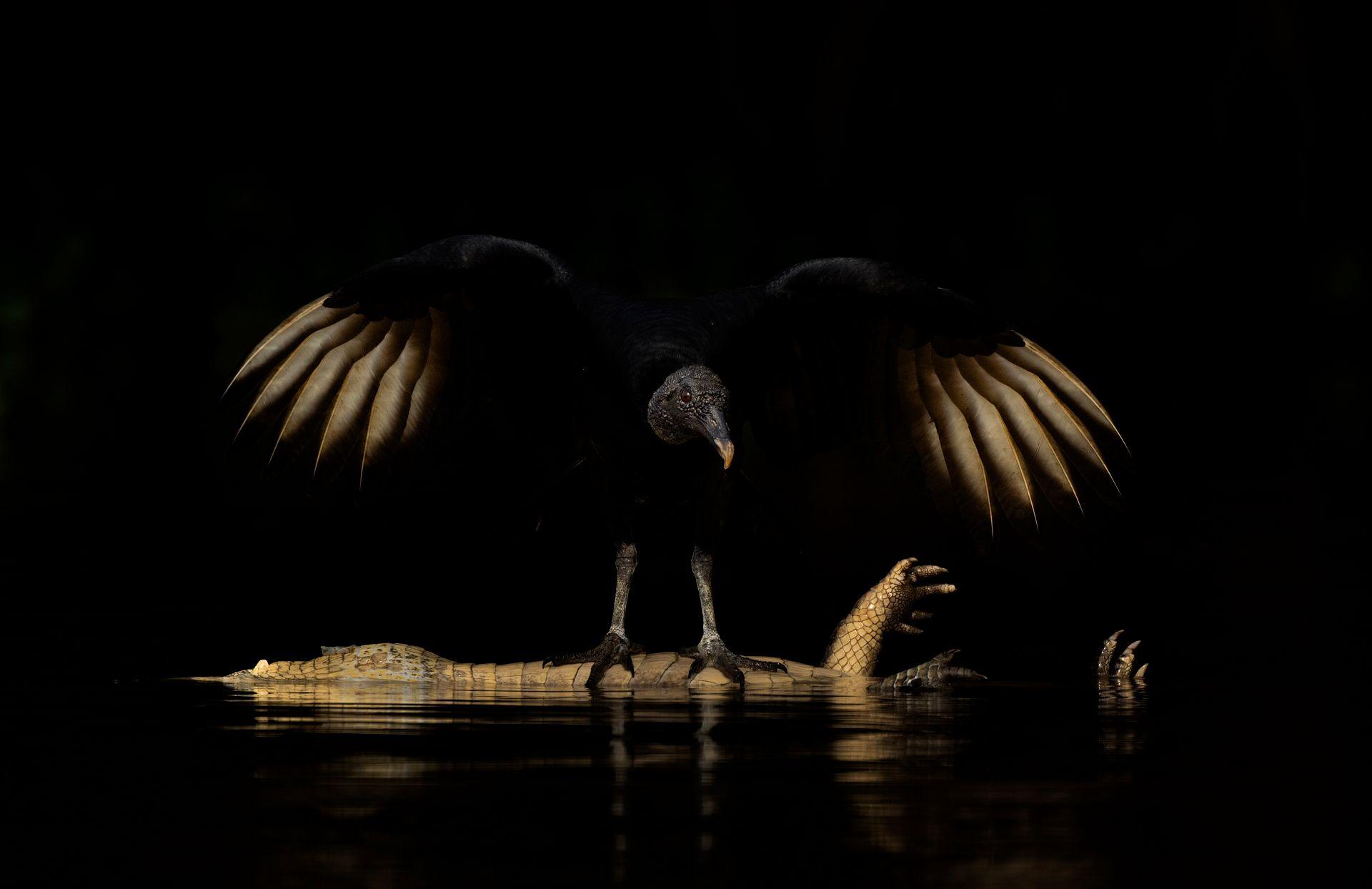
British photographer Andy Parkinson turned his lens toward Brazil’s northern Pantanal wetlands at the Meeting of the Waters State Park. Using a long telephoto lens from a respectful distance in a boat, Parkinson framed a stark, moody image of a black vulture standing over the carcass of a yacaré caiman with its wings fully spread.
The ecological theater deepened when the vulture eventually took flight, making way for a lurking jaguar that emerged from the shadows to claim the meal. Upon closer inspection of the caiman’s remains, Parkinson noted a suspiciously clean, straight wound on the back of the creature’s skull, serving as a silent testament to the hidden human pressures—such as impacts from speeding watercraft—that frequently intersect with wild habitats.
Supporting Context & Conservation Metrics
While the aesthetic brilliance of the 2026 shortlist is undeniable, the underlying themes of the competition heavily emphasize the critical state of global biodiversity, habitat fragmentation, and human-wildlife coexistence.
| Photographer | Title | Category | Location | Ecological Significance / Highlight |
|---|---|---|---|---|
| Audun Rikardsen | Icy Window | Animal Portraits | Arctic Circle | Highlights Arctic apex predator behavior and fragile sea-ice environments. |
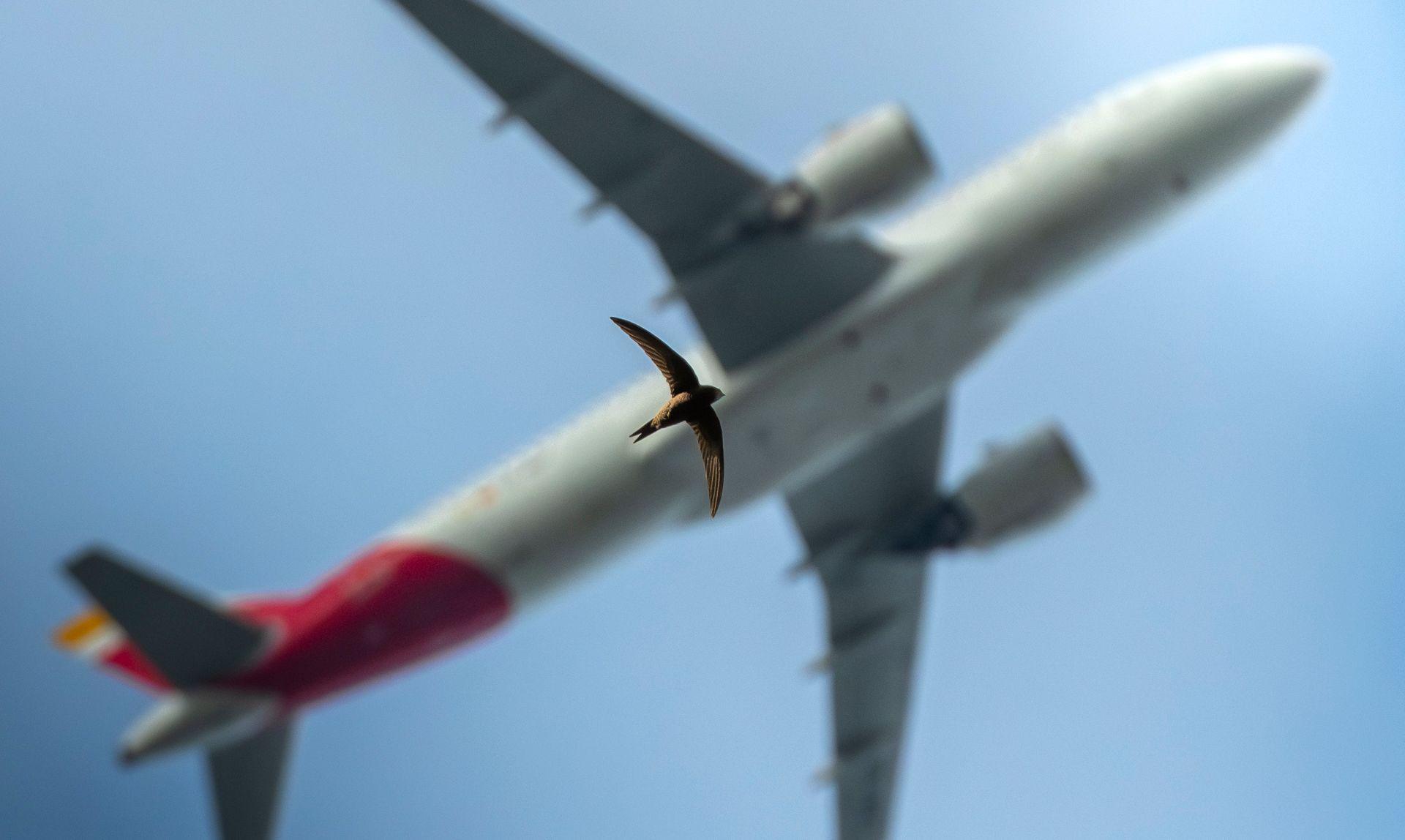
| Jack Crockford | The Art of Flying | 15-17 Years | Bushy Park, London | Documents migratory common swifts, which spend nearly their entire lives airborne. |
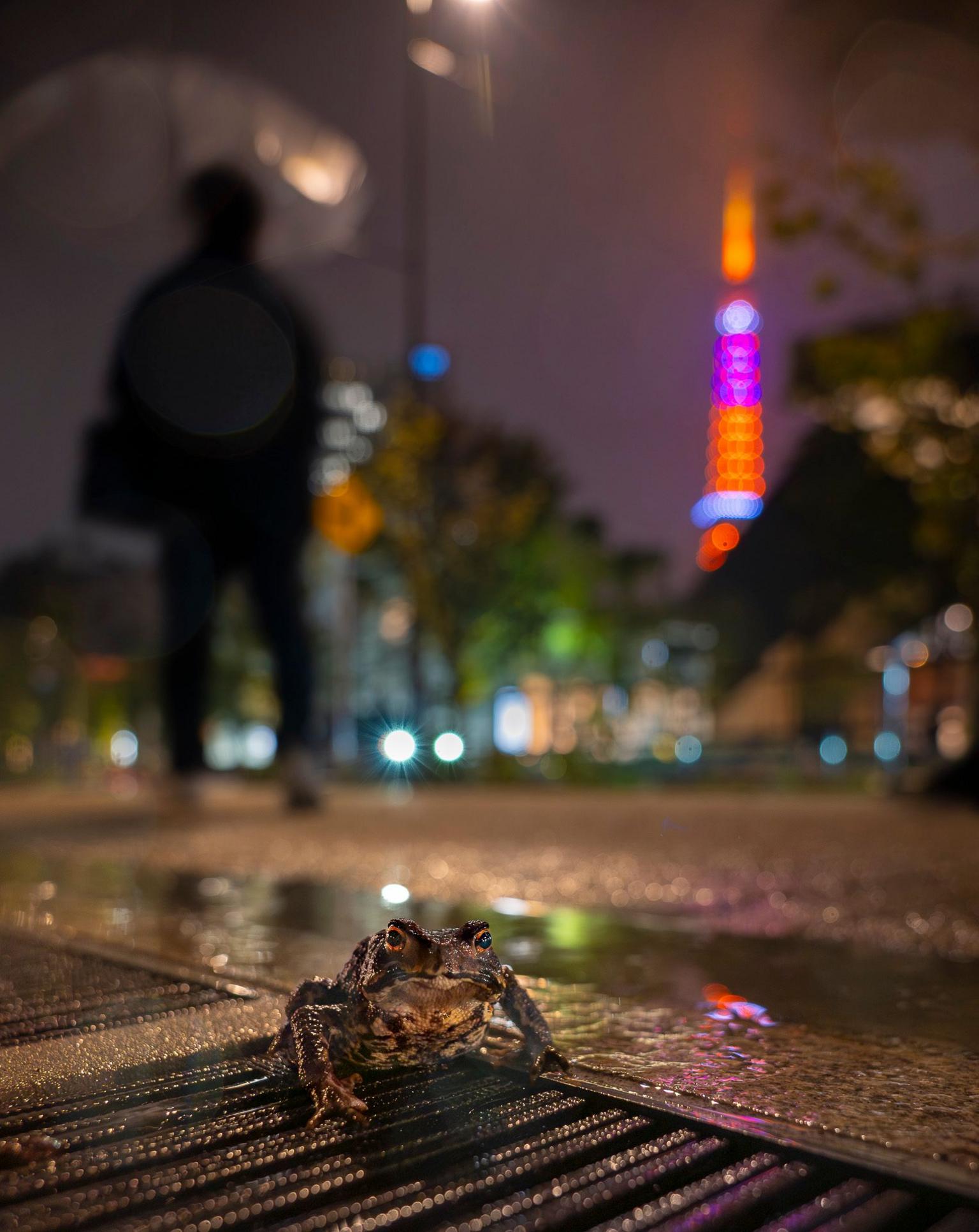
| Sora Miyazawa | Urban Wanderer | 11-14 Years | Tokyo, Japan | Showcases the surprising urban adaptability of the Eastern Japanese toad. |
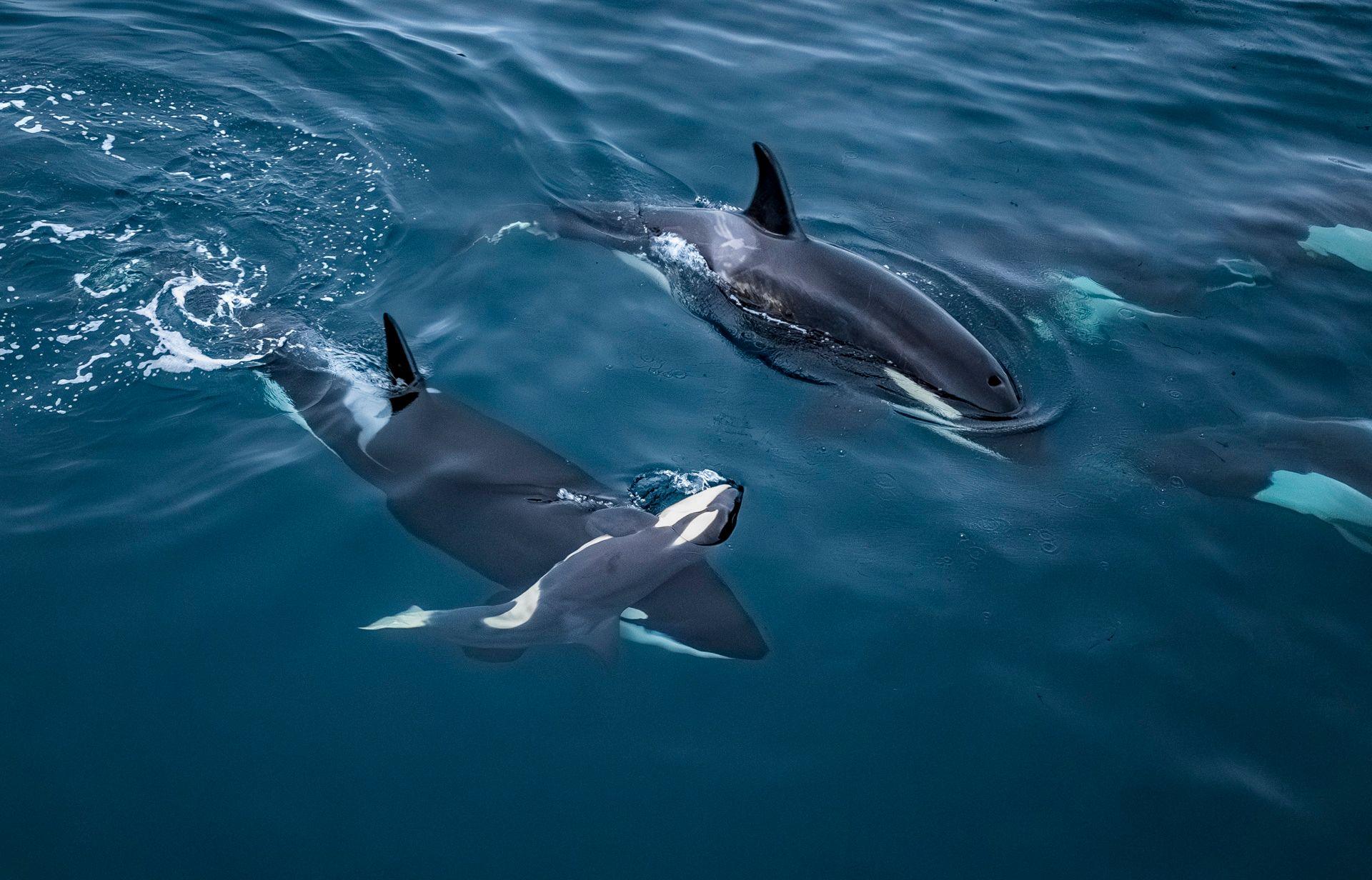
| Vegard Byrkjeland Aasen | Lifted to the Surface | Behaviour: Mammals | Troms County, Norway | Captures post-mortem calf-carrying behavior in orcas, linked to recent behavioral studies. |
| Andrea & Maceo Grammatico | Biting Back | Animal Portraits | Puntarenas, Costa Rica | Technical focus-stacking feat revealing a mosquito on a highly venomous fer-de-lance viper. |
| Andy Parkinson | Wings of Darkness | Animal Portraits | Pantanal, Brazil | Documents scavenging dynamics and potential anthropogenic trauma in caimans. |
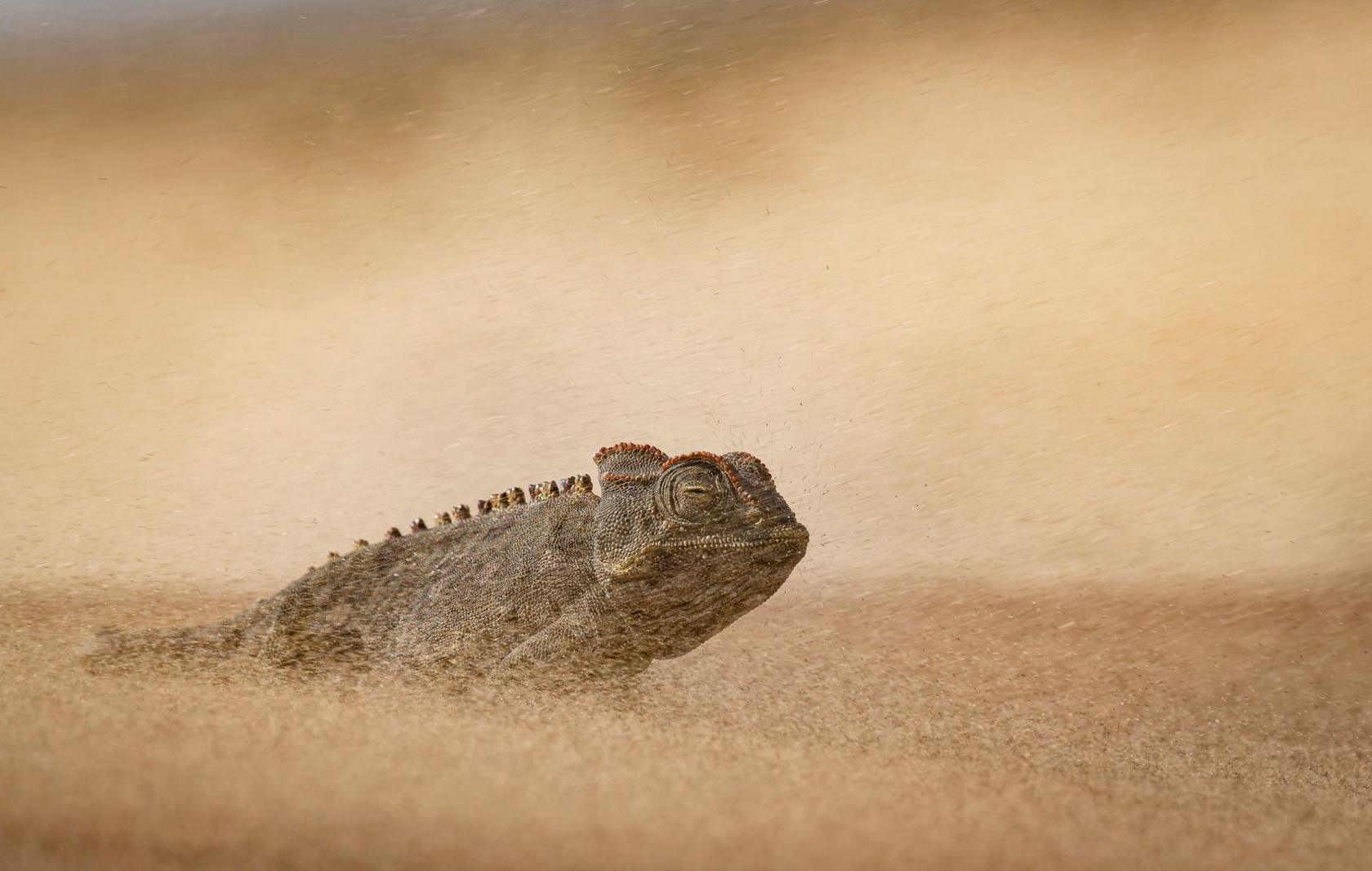
| Dewald Tromp | Eye of the Storm | Animals in Environment | Namib Desert, Namibia | Highlights fog-harvesting adaptations in desert-dwelling Namaqua chameleons. |
| Bence Máté | Flock of Gold | Behaviour: Birds | Tsavo East, Kenya | Records massive flocks of red-billed queleas, Earth’s most abundant wild bird species. |
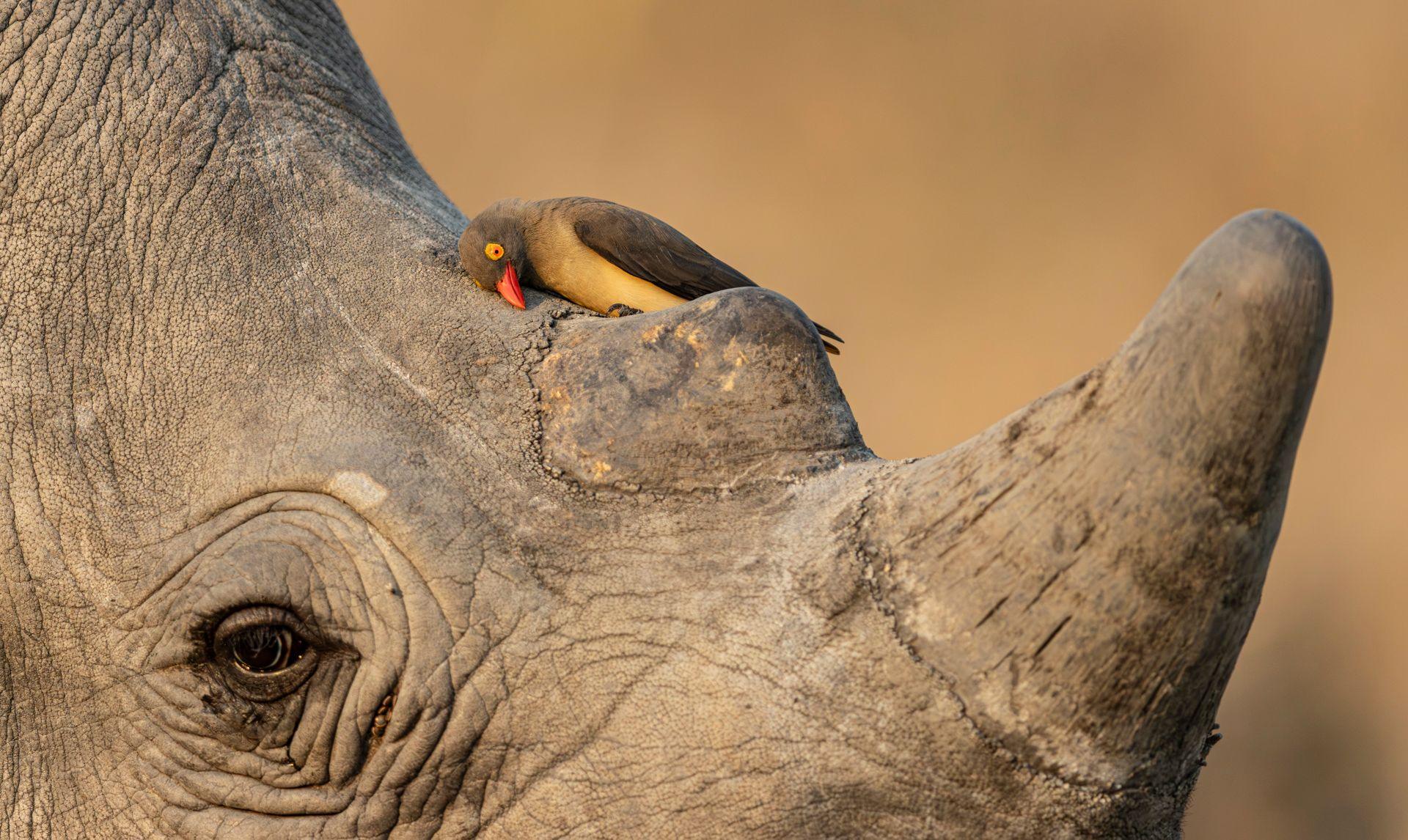
| Ernest Porter | Mutual Friends | Behaviour: Birds | Manyeleti Reserve, S. Africa | Illustrates mutualism between red-billed oxpeckers and white rhinoceroses (askari wa kifaru). |
| Allegra Hutton | Up a Tree… | Behaviour: Mammals | Okavango Delta, Botswana | Captures juvenile leopard vulnerability and high predator mortality rates. |
| Jens Cullmann | Split-Second Escape | Behaviour: Amphibians | Kalahari Reserve, Botswana | Documents voracious feeding behavior in young African bullfrogs post-rainfall. |
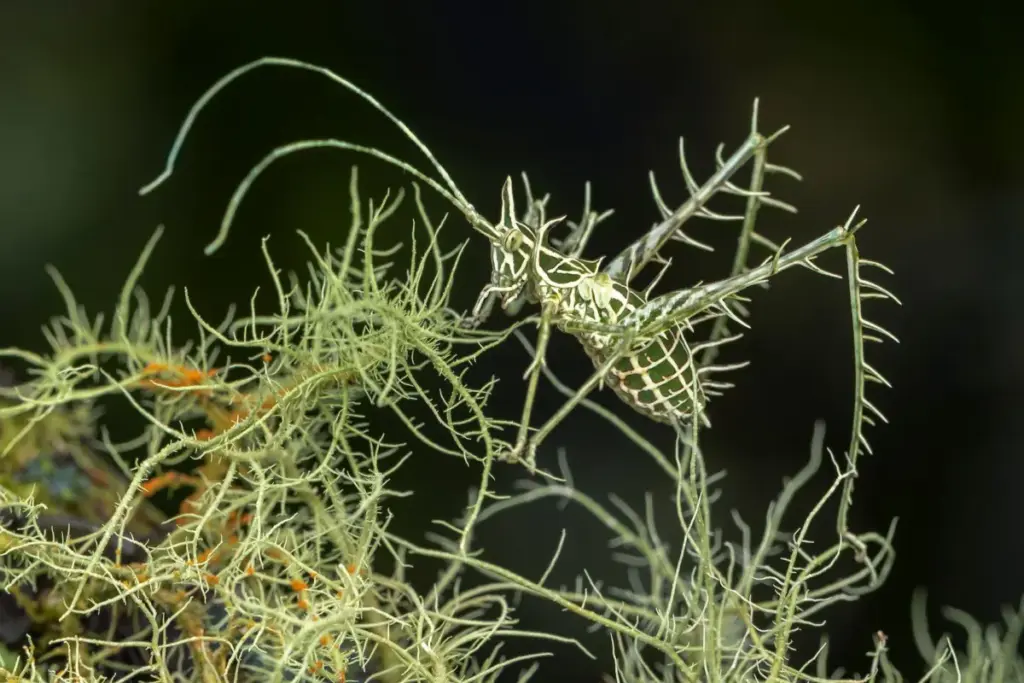
| Gil Wizen | Hidden Dragon | Behaviour: Invertebrates | Napo Province, Ecuador | Showcases extreme camouflage in the rare lichen dragon katydid of the Andes. |
| Shane Gross | Calm Amid the Storm | Oceans: Bigger Picture | D’Arros Island, Seychelles | Features marine protection zones and bigeye trevally schooling behavior. |
| Loren Elliott | Pooltime Pastime | Urban Wildlife | Monrovia, California | Highlights human-wildlife overlap as residential developments encroach on bear territories. |
| Ralph Pace | Ocean Protector | Wetlands: Bigger Picture | Monterey Bay, California | Focuses on sea hares maintaining eelgrass meadows, vital blue-carbon carbon sinks. |
| Pietro Rojas | The Show Goes On | Photojournalism | Doha, Qatar | Exposes the controversial use of captive wild animals in circus performances globally. |
The Expanding Frontier of Urban and Marine Conservation
Several entries underscore how wildlife is adapting to—or suffering from—human expansion. In Monrovia, California, photographer Loren Elliott spent hours monitoring a residential garden where black bears have increasingly integrated backyard swimming pools into their daily territory, reflecting the broader challenges of suburban sprawl in Los Angeles County.
Conversely, success stories in marine conservation are spotlighted by Canadian photographer Shane Gross, whose split-level image of bigeye trevally in the Seychelles emphasizes the success of the D’Arros Island Marine Protected Area. Established in 2023, the no-take zone contributes directly to the global initiative to protect 30% of Earth’s land and oceans by 2030 (the "30×30" framework). Similarly, Ralph Pace’s documentation of sea hares grazing in Monterey Bay highlights the vital ecological function of eelgrass meadows as critical carbon sinks capable of mitigating climate change.
Official Statements and Institutional Vision
The Natural History Museum in London, which develops and produces the Wildlife Photographer of the Year competition, views the annual shortlist not merely as an exhibition of photographic artistry, but as a vital educational and conservation tool.
In statements accompanying the rollout of the 2026 shortlist, museum curators emphasized the growing urgency of visual documentation in an era defined by climate change and biodiversity loss. The competition acts as a global megaphone, translating complex ecological data and behavioral studies into visceral, emotional imagery that resonates with millions of visitors worldwide.
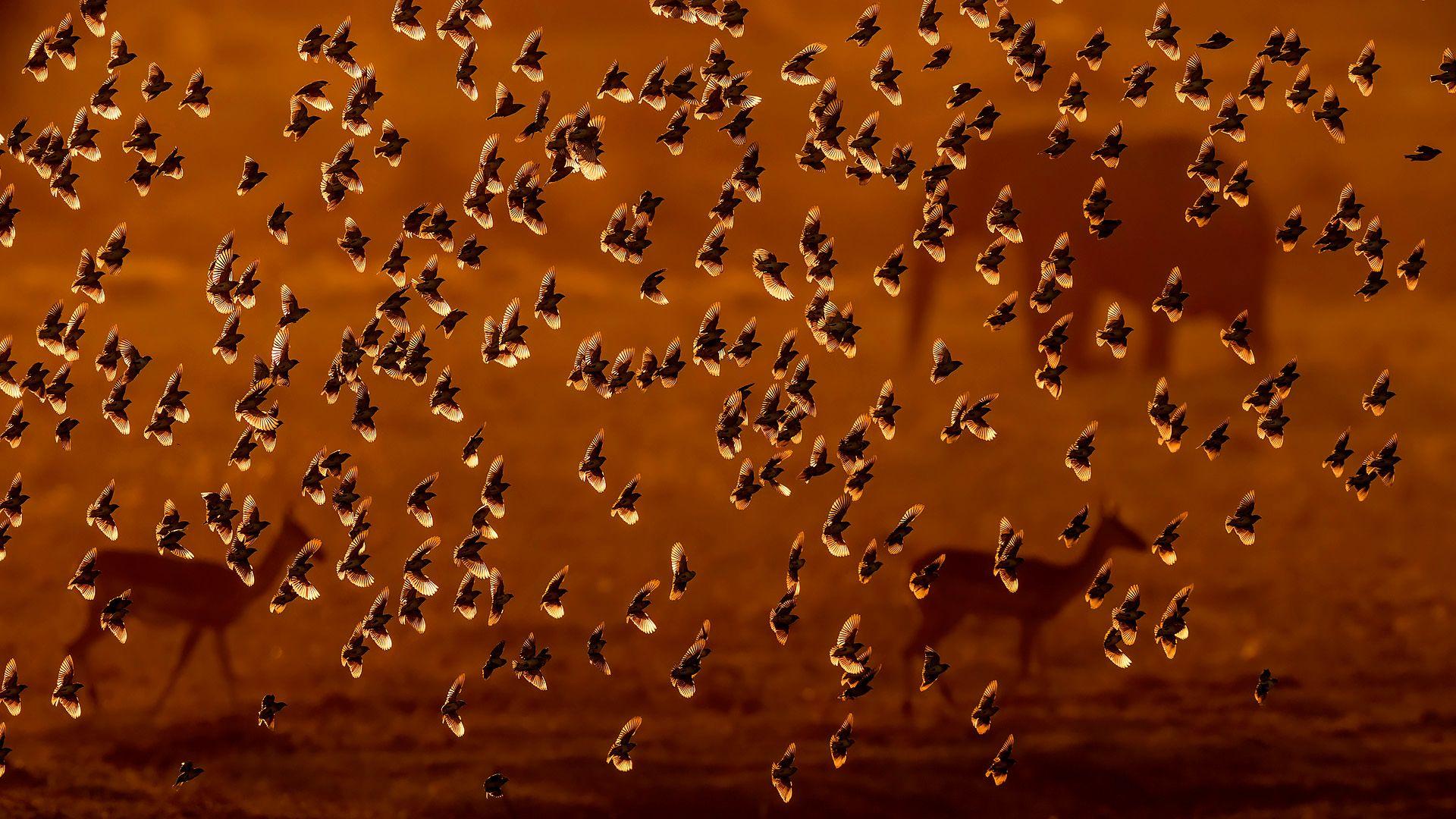
"These images challenge us to look closer at the natural world, to question our relationship with the environment, and to recognize that every species—from the microscopic mosquito on a viper’s head to the vast, swirling millions of red-billed queleas over the African savannah—plays an irreplaceable role in the tapestry of life," noted a spokesperson for the Natural History Museum.
The emotional resonance of the competition was echoed by veteran and young photographers alike. For international entrants, the platform offers a rare opportunity to bridge the gap between scientific research and public consciousness, ensuring that marginalized conservation issues—such as the psychological distress of performing captive animals highlighted by Pietro Rojas in Doha, or the complex grief responses observed in marine mammals documented by Vegard Byrkjeland Aasen—receive the widespread attention they demand.
Future Outlook: Road to the 2026 Exhibition
As the global photographic community turns its gaze toward the autumn, anticipation is reaching a fever pitch.
- Overall Winners Announcement: On Tuesday, October 13, 2026, the grand prize winners across all adult and youth categories will be officially revealed during a prestigious ceremony hosted by the Natural History Museum in London.
- Global Public Exhibition: Beginning Friday, October 16, 2026, the complete collection of winning and highly commended images will go on public display at the Natural History Museum, before embarking on an extensive international tour spanning dozens of countries, inspiring millions of visitors of all ages.
- Conservation Impact: Beyond the accolades, the 2026 competition is expected to generate vital funding and awareness for the museum’s ongoing scientific research initiatives, reinforcing the message that photography remains one of our most potent instruments for planetary defense.
Ultimately, the Wildlife Photographer of the Year 2026 shortlist reminds us that while our planet faces unprecedented environmental pressures, it remains a place of breathtaking wonder, resilience, and extraordinary beauty—if only we take the time to look through the lens.