Executive Overview
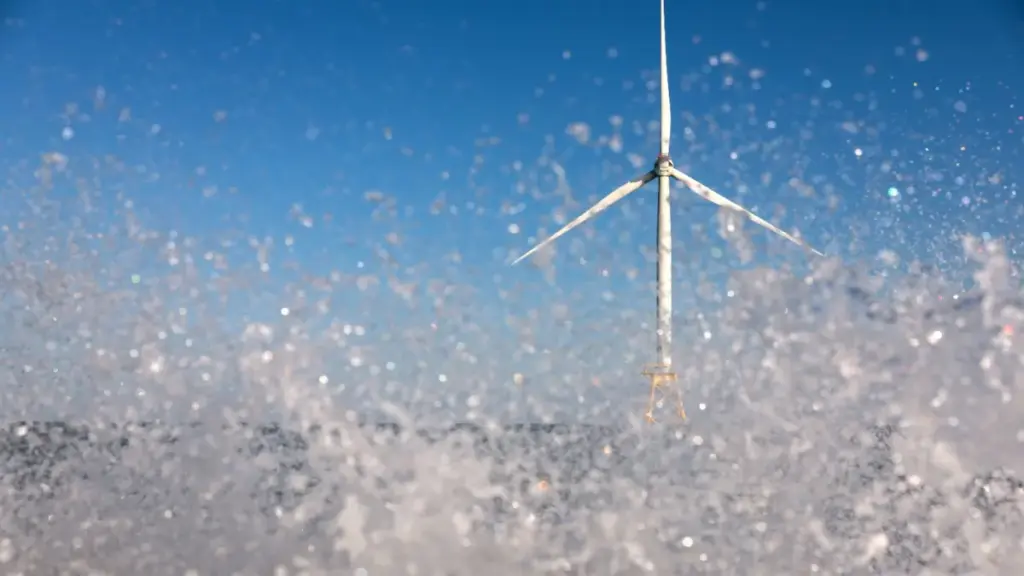
The East Coast of the United States is running out of options. Trapped between a densely developed landscape, rapidly aging and congested power lines, and soaring electricity demand, the region faces an unprecedented energy crunch. For years, energy planners viewed offshore wind as the silver bullet—a unique, high-capacity solution capable of injecting massive volumes of clean electricity directly into the nation’s most populated metropolitan centers.
Today, that promise is flickering out. Battered by a punishing combination of pre-existing macroeconomic hurdles and an openly hostile federal government following the return of the Trump administration in 2025, the U.S. offshore wind sector is fighting for survival. While the technology is not yet dead, industry advocates and energy analysts agree that it is fading precisely when the region needs it most.
The consequences of this stagnation stretch far beyond cancelled turbines and frustrated developers. Northeastern and mid-Atlantic states are rapidly falling behind legally mandated greenhouse gas emissions goals. At the same time, regional power grids are buckling under an explosive surge in electricity demand driven by artificial intelligence data centers, widespread electrification, and modern manufacturing. With land-based renewables constrained by geography and transmission bottlenecks choking up-state generation, the suppression of offshore wind has left state climate strategies teetering on the edge of viability.
Detailed Chronology: From Biden’s Boom to the 2025 Federal Backlash
To understand the current crisis, one must trace the rapid ascent and abrupt reversal of federal policy over the past half-decade.
Under former President Joe Biden, offshore wind was championed as a central pillar of federal climate strategy. Capitalizing on the vast, uninterrupted wind resources off the Atlantic seaboard, the Biden administration aggressively fast-tracked project approvals. In 2021, the Department of the Interior gave the green light to Vineyard Wind, the nation’s first commercial-scale offshore wind farm. Over the subsequent years, the administration leased a staggering 1.9 million acres of coastal waters to energy developers—surpassing the acreage awarded during the previous three presidential terms combined. State governments integrated these federal leases directly into their long-term decarbonization roadmaps, treating offshore wind as an indispensable foundation for their energy futures.
However, the political and economic landscape shifted dramatically when the Trump administration took office in January 2025. Offshore wind developers, already grappling with global inflationary pressures, high interest rates, and disrupted supply chains, suddenly found themselves navigating a bureaucratic and regulatory minefield.
The new administration wasted little time dismantling federal support. Projects along the East Coast were subjected to sweeping, unprecedented reviews by the Pentagon, arbitrary permit revocations, and sudden stop-work orders. While some of these executive actions were swiftly challenged and temporarily blocked by federal courts, the uncertainty dealt a severe psychological and financial blow to the industry.
By far the most consequential mechanism deployed by the administration was a targeted federal buyout program. Using executive authority and discretionary funds, the administration offered developers lucrative financial incentives to voluntarily surrender their commercial development rights in federally managed waters. By mid-August, the administration had committed roughly $4 billion in payouts. This financial maneuver successfully wiped an estimated 21 gigawatts of potential wind power capacity off the U.S. Atlantic coast—enough clean energy to power more than 15 million average-sized American homes. Industry insiders warn that as fiscal pressures mount for cash-strapped developers, additional lease cancellations and federal buyouts could follow.
Supporting Context & Metrics: Grid Strain and Geographic Realities
The contraction of offshore wind is colliding with a catastrophic timing crisis on the ground. Across the Northeast and the mid-Atlantic, the three major interstate electric grids are experiencing an unprecedented demand shock.
The primary drivers of this load growth are twofold: the explosive proliferation of power-hungry data centers—particularly in northern Virginia—and the aggressive push toward building electrification and industrial reshoring. Yet, the physical architecture of the Eastern grid is poorly equipped to handle this transition.
Consider the structural vulnerabilities of specific regional grids:
- New York State: Roughly half of the state’s total electricity demand is concentrated tightly within New York City and Long Island. However, the majority of the state’s current renewable generation—primarily onshore wind and solar—is located hundreds of miles upstate. Aging and congested transmission corridors act as massive bottlenecks, preventing upstate clean energy from reaching downstate population centers efficiently. Offshore projects like the operational Empire Wind were specifically designed to bypass these bottlenecks by running undersea high-voltage cables directly into New York City.
- The PJM Interconnection: Serving all or parts of 13 states and the District of Columbia, PJM—the grid operator covering the mid-Atlantic—faces a terrifying supply deficit. Current projections indicate that regional power demand will outstrip available supply by a staggering 7.8 gigawatts by the year 2033. The rapid expansion of the northern Virginia data center hub alone has turned the region into one of the fastest-growing energy consumers in the country, a surge that was anticipated to be buffered by offshore projects like the Coastal Virginia Offshore Wind farm.
The Geographic Trap of the East
Proponents of land-based renewables often point to the dramatic success of utility-scale solar and wind buildouts in states like Texas and California. However, energy experts emphasize that the Eastern seaboard is fundamentally unsuited for similar deployments.
"The wind resource, and even the solar resource, in the Eastern U.S. is not nearly as good as it is in the West," explains Mark Repsher, an energy and sustainability expert at PA Consulting.
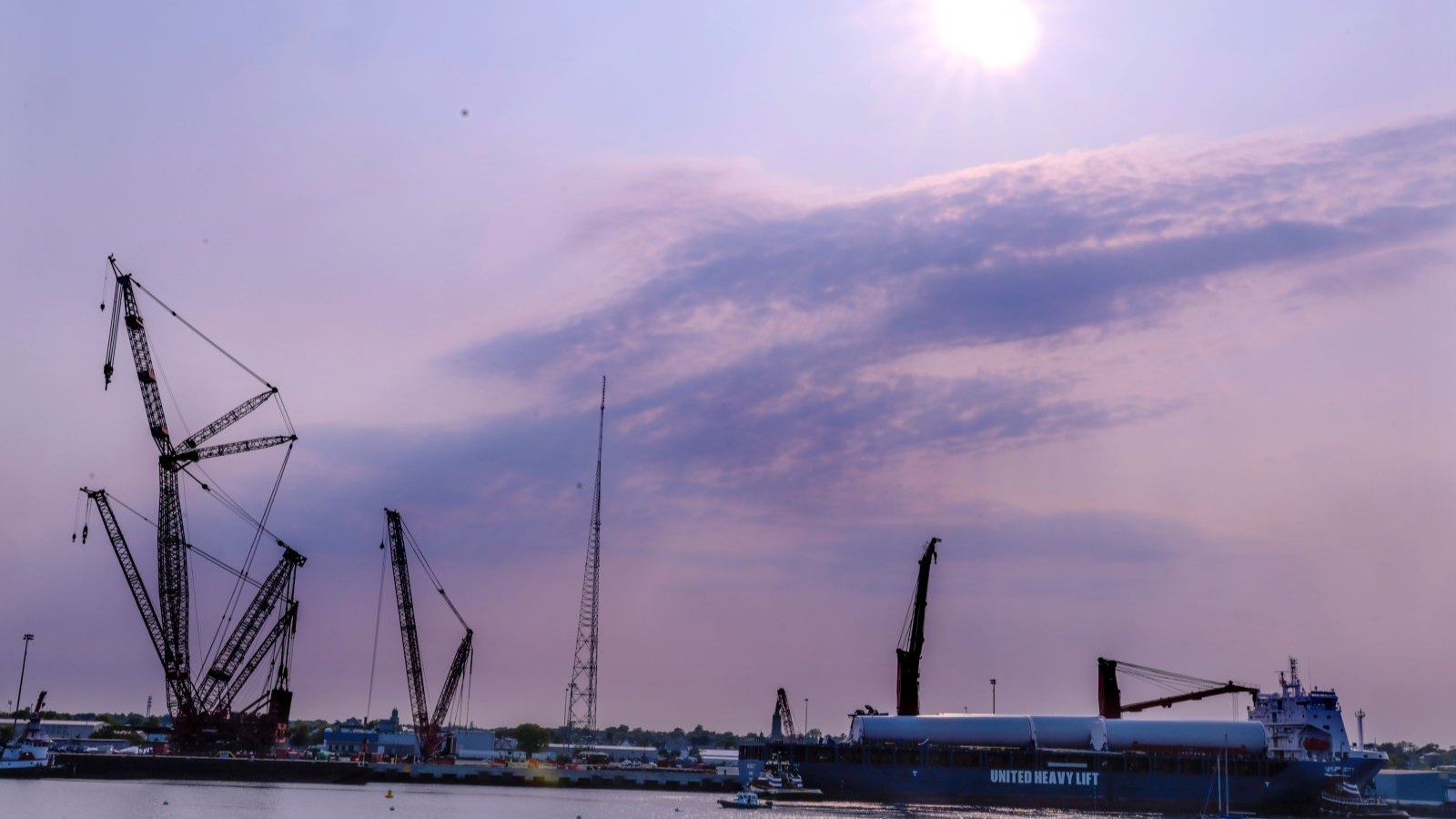
While wide-open, sparsely populated western prairies—such as those in eastern Colorado—can easily accommodate vast oceans of rotating white turbine blades and glossy black solar panels, the East Coast features a densely developed, highly fragmented landscape. Local pushback, expensive land acquisition, and complex zoning laws make large-scale onshore renewable deployment painfully slow and politically fraught. Offshore wind offered an elegant evasion of these land-use conflicts, harvesting stronger, more consistent ocean winds and delivering power directly to coastal population nodes. Without it, Eastern states possess no viable, scalable alternative for filling the impending clean energy void.
Official Statements and Industry Perspectives
The mood among renewable energy professionals is one of profound disillusionment. While corporate boardrooms attempt to project resilience, the human toll of the policy shift is undeniable.
"Companies are trying to be upbeat, but I think if you kind of peel back the layers a bit, there’s a number of emotions out there; anger, sadness," says Repsher. "These people like what they do… sometimes it’s been their whole career, and it’s been put on pause now."
Despite the exodus driven by federal buyouts, a resilient core of at least nine companies continues to hold onto their offshore wind development rights. The majority of these holdouts are European energy giants with deep pockets and long-term strategic horizons. Denmark-based Ørsted, the world’s largest developer of offshore wind energy, and Spanish utility Avangrid remain the largest remaining leaseholders, retaining five and six undeveloped leases respectively. Whether these European firms will weather the domestic political storm or eventually capitulate to federal buyout pressure remains one of the defining questions of the energy transition.
State governments, meanwhile, find themselves caught in a policy trap. For years, regional climate blueprints were built around the assumption of gigawatts of offshore power:
- Massachusetts designated offshore wind as the absolute "cornerstone" of its clean energy strategy.
- New York codified the technology as "critical" to achieving net-zero statutes.
- Maryland formally described offshore wind as its single "greatest opportunity" to meet statutory emissions reduction targets.
Faced with federal obstruction and canceled projects, states are scrambling to adjust, though their options are severely limited. In March, New York quietly extended its emissions goal deadlines and loosened greenhouse gas accounting regulations, yet offshore wind remains formally etched into its statutory planning. In New Jersey, local municipal officials have abandoned efforts to construct electrical substations designated to receive power from offshore farms, as the associated generation projects have been permanently canceled or delayed beyond recognition.
"If you have these fairly aggressive carbon reduction targets within these states, it’s borderline impossible to meet them without having offshore wind," Repsher notes bluntly. Hillary Bright, executive director of the pro-offshore wind nonprofit Turn Forward, echoes this sentiment: "If you had additional wind, it could be filling those gaps, reducing any of those challenges at a time the grid really, really needs that."
Future Outlook: The Horizon and ‘Project 2029’
While the immediate outlook is undeniably bleak, not all industry stakeholders are willing to write an obituary for Atlantic offshore wind. Beneath the surface gloom, long-term industry advocates are already looking past the horizon, finding glimmers of hope in both market fundamentals and the inevitable passage of political time.
First, broader macroeconomic shifts are quietly improving the underlying financial equation for new energy infrastructure. Surging regional electricity prices mean that any new generation asset—if it can actually be built—will command higher revenue, potentially offsetting some construction and financing risks.
Second, political realities are temporal. The current hostile federal administration possesses a finite timeline, with less than two and a half years remaining in its current term. Recognizing this, forward-looking advocacy groups have already initiated long-range contingency planning.
Kris Ohleth, executive director of the Special Initiative on Offshore Wind, reveals that pro-wind advocates have begun drafting a comprehensive policy roadmap dubbed "Project 2029." Designed to mirror the sweeping political playbooks utilized by other ideological movements, Project 2029 is a detailed, shovel-ready policy blueprint meant to be handed directly to a future, more friendly federal administration on Day One. The roadmap aims to instantly restore lease integrity, streamline federal permitting processes, and re-establish public-private partnerships to kickstart stalled projects.
"Offshore wind is still such an exciting opportunity. It’s such a cool technology," Ohleth reflects, capturing the persistent optimism of an industry refusing to go quietly into the night. "There’s something on the horizon, and that gives me hope."
For now, however, the mighty turbines that were meant to line the Atlantic seaboard remain trapped on the drawing board. As electricity demand skyrockets and emissions clocks tick downward, the East Coast watches anxiously—waiting to see whether the political winds will shift before the region’s energy grid breaks entirely.