HUNGERFORD, BERKSHIRE — In an ambitious endeavor that promises to reshape the ecological and recreational landscape of West Berkshire, a transformative £1.5 million project is set to break ground next month. Spearheaded by the historic Town and Manor of Hungerford, the initiative will convert roughly 16 hectares (40 acres) of unmanaged, poor-quality pastureland into a thriving, biodiverse sanctuary known as the Kennet Valley Wetland Reserve.
Situated on the northern edge of Hungerford, immediately adjacent to the ecologically sensitive River Kennet, the project represents a rare convergence of heritage stewardship, modern conservation science, and community-led environmentalism. With a rigid construction window dictated by seasonal wildlife patterns and hydrological constraints, stakeholders are moving swiftly to turn decades of conceptual planning into a physical reality.
Executive Overview
The Kennet Valley Wetland Reserve is designed to address a dual imperative: restoring declining freshwater and wetland habitats in the Thames basin while providing the local community with an accessible, immersive green space. The 40-acre site at Undy’s Meadow, currently characterized by low-value agricultural grazing and neglected meadows, will undergo a dramatic hydrological and ecological overhaul.
Key Project Highlights
- Financial Investment: £1.5 million allocated for total site remediation, landscaping, ecological engineering, and visitor infrastructure.
- Geographical Footprint: Approximately 16 hectares (40 acres) of land located on the northern periphery of Hungerford, directly interfacing with the River Kennet catchment.
- Project Proponent: The Town and Manor of Hungerford—a historic local charity famed for organizing the ancient Tutti Day celebrations.
- Target Timeline: Initial construction phase commences in September, with foundational landscaping, paths, and elevated boardwalks scheduled for completion by summer.
- Ecological Focus: Creation of specialized wetland micro-habitats to attract declining migratory bird species, amphibians, and specialized flora, balanced with low-impact public access infrastructure.
The project transcends standard landscaping; it is an exercise in ecological reparation. By intercepting nutrient run-off, restoring natural floodplain dynamics, and planting native wetland vegetation, the reserve will act as a buffer for the River Kennet while carving out a tranquil haven for human reflection and wildlife observation.
Detailed Chronology: From Neglected Meadow to Conservation Milestone
The journey from an unmanaged agricultural plot to a state-of-the-art wetland reserve has been long, methodical, and fraught with logistical hurdles. Understanding the path to the upcoming September ground-breaking requires examining the critical phases of development.
Phase 1: Conceptualization and Site Identification (2018–2021)
For years, Undy’s Meadow existed largely on the periphery of Hungerford’s civic consciousness. While undeniably scenic due to its proximity to the River Kennet valley, the land suffered from poor drainage, inconsistent management, and limited biodiversity. Recognizing the ecological potential of the 16-hectare parcel, environmental consultants and trustees from the Town and Manor of Hungerford began exploring alternative land-use strategies.
The primary objective was to identify a use that would honor the historical stewardship of the Town and Manor while meeting contemporary demands for climate resilience and biodiversity net gain. A wetland reserve emerged as the optimal solution, capable of leveraging the natural high water table of the Kennet floodplain.
Phase 2: Feasibility, Funding, and Design (2021–2024)
Securing £1.5 million for a conservation project of this scale in a post-pandemic economic climate required robust financial structuring. The Town and Manor leveraged internal funds, private philanthropic contributions, and environmental grants to assemble the capital budget.
Concurrently, landscape architects, hydrologists, and ornithologists collaborated on the master plan. The design had to balance competing demands:
- Water Management: Excavating shallow scrapes, channels, and ponds to hold seasonal floodwaters and create permanent aquatic zones.
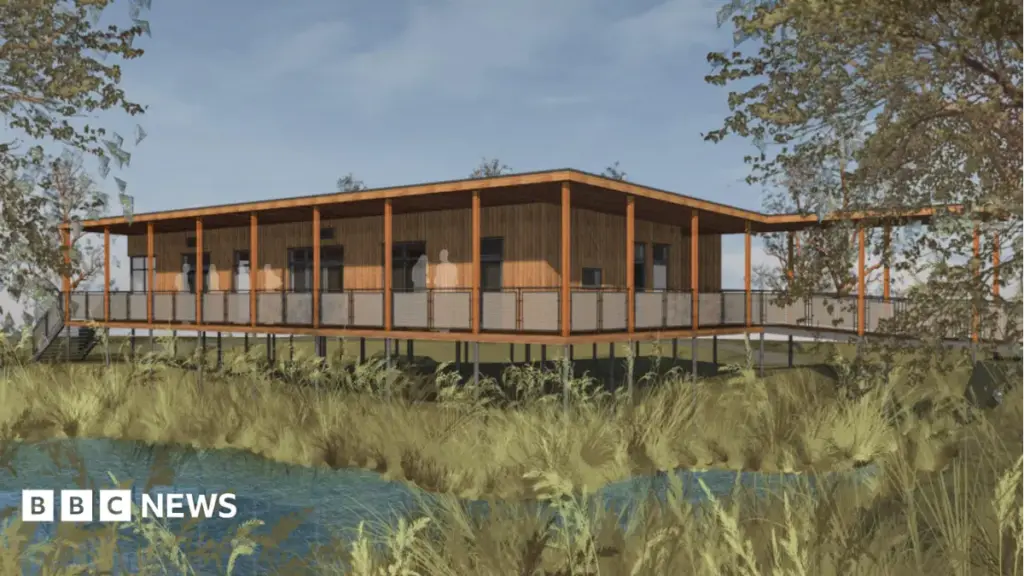
- Public Access: Designing a network of raised boardwalks and permeable paths that would allow visitors to traverse the waterlogged terrain without disrupting delicate ecosystems.
- Habitat Zoning: Establishing undisturbed core zones for sensitive nesting birds alongside accessible educational areas.
Phase 3: The Strict Construction Window (September–December)
Perhaps the most critical phase of the project is the execution window. Due to complex environmental regulations and seasonal ecological realities, construction cannot begin before September and must conclude by December.
- The September Constraint: Starting prior to September is strictly prohibited by wildlife legislation to protect ground-nesting birds, invertebrates, and breeding amphibians during their most vulnerable months.
- The December Constraint: Conversely, operations cannot extend past December because the winter rains saturate the clay-heavy soils of the Kennet Valley. Heavy machinery would cause catastrophic soil compaction, ruining the delicate hydrological structure of the meadow and creating an impassable quagmire.
This narrow four-month window has placed immense pressure on project managers, contractors, and environmental monitors to coordinate earth-moving machinery, path installation, and planting schedules with military precision.
Phase 4: Phased Opening and Long-Term Evolution (Summer 2025 and Beyond)
If operations proceed according to schedule, the first stage of the reserve—encompassing the primary landscape restructuring, main pathways, and foundational boardwalks—will open to the public by next summer. However, conservationists emphasize that a wetland is never truly "finished." Over the subsequent decade, ecological succession will take over as planted reeds establish themselves, aquatic invertebrates colonize the newly formed ponds, and migratory birds discover the safe haven.
Supporting Context & Metrics: The Ecology of the Kennet Valley
To fully grasp the significance of the Kennet Valley Wetland Reserve, one must understand the ecological landscape of the River Kennet and the broader challenges facing British wetlands.
The River Kennet Ecosystem
The River Kennet is one of England’s premier chalk streams—a globally rare habitat type, with the vast majority found only in southern and eastern England. Famed for its crystal-clear water originating from subterranean chalk aquifers, the Kennet supports a rich array of flora and fauna, including brown trout, water voles, and the iconic white-clawed crayfish.
However, chalk streams and their adjacent floodplains face severe anthropogenic pressures, including agricultural run-off, abstraction, and the loss of natural wetland buffers. The creation of the Kennet Valley Wetland Reserve at Undy’s Meadow directly addresses these vulnerabilities by:
- Filtering Pollutants: Acting as a natural bio-filter, trapping silts and absorbing agricultural nitrates and phosphates before they enter the main river channel.
- Flood Mitigation: Providing natural water storage during high-precipitation events, thereby protecting downstream communities in Hungerford from sudden inundations.
- Carbon Sequestration: Healthy wetland soils and reedbeds are exceptionally efficient carbon sinks, storing significantly more carbon per hectare than standard agricultural pastures or woodlands.
Avian Biodiversity Targets
Project planners have set their sights on attracting a diverse array of wetland and riparian bird species. Among the most anticipated residents are:
- Locustella naevia (Grasshopper Warbler): Known for its distinctive, insect-like reeling song, this secretive summer visitor relies heavily on damp, rough grassland and scrub habitats—precisely the environment being cultivated at Undy’s Meadow.
- Acrocephalus schoenobaenus (Sedge Warbler): A lively migratory songbird that thrives in dense reedbeds and wetland margins.
- Phylloscopus trochilus (Willow Warbler): Valued for its cascading, melancholy song, which will soon become a familiar soundtrack along the reserve’s pathways.
- Wildfowl and Waders: Conservationists are optimistic that teal, snipe, lapwings, and potentially visiting egrets will utilize the shallow scrapes and muddy margins during their autumn and spring migrations.
Official Statements and Community Engagement
The transition of Undy’s Meadow from an uninspired pasture to an ecological crown jewel has been propelled by grassroots enthusiasm and unwavering institutional backing.
The Vision of the Town and Manor of Hungerford
The Town and Manor of Hungerford is an organization deeply woven into the identity of the town. While internationally recognized for organizing Tutti Day—an ancient Hocktide celebration rooted in medieval traditions—the charity also holds substantial property and land assets in trust for the local populace. The Kennet Valley Wetland Reserve represents its most ambitious environmental commitment to date.
Speaking on behalf of the charity, Kate Edwards emphasized the profound emotional and ecological value the project holds for the community.
"It’s going to be a proper nature reserve; it will be somewhere you can go and sit quietly," Edwards stated during a recent briefing on the project.
She elaborated on the sensory experience awaiting future visitors, painting a vivid picture of the sanctuary’s intended atmosphere:
"The focus is the wildlife and we’re going to be privileged enough hopefully to sit on the benches, walk the paths and see and hear the willow warblers and the grasshopper warblers. Hopefully lots of wetland birds will come in and use the area."
Overwhelming Public Support
While large-scale infrastructure and construction projects frequently encounter local skepticism or NIMBYism, the Kennet Valley Wetland Reserve has enjoyed what organizers describe as "the most incredible support" from the Hungerford community.
Local residents, naturalists, and local authorities have rallied behind the initiative. Public consultations revealed a strong public appetite for accessible, high-quality green spaces, particularly in the wake of shifting post-pandemic attitudes toward outdoor recreation and mental health. By transforming an underutilized, muddy meadow into an educational and recreational asset, the Town and Manor has successfully aligned its ancient charitable mandate with modern ecological imperatives.
Future Outlook: A Blueprint for Community Conservation
As Hungerford stands on the precipice of this £1.5 million transformation, the implications of the Kennet Valley Wetland Reserve extend far beyond the borders of West Berkshire. At a time when national biodiversity indicators continue to flash warning signs, local initiatives of this scale serve as vital building blocks for national nature recovery networks.
Educational and Community Integration
Beyond its primary function as a wildlife sanctuary, the reserve is poised to become an outdoor classroom. Discussions are already underway with local schools, natural history societies, and youth groups to develop educational programming centered around wetland ecology, hydrology, and conservation management.
Visitors will find a landscape carefully calibrated to minimize human intrusion while maximizing engagement. Strategically placed benches, educational signage, and elevated boardwalks will allow families, birdwatchers, and solitude-seekers to experience the rhythms of nature without trampling fragile habitats.
A Model for Future Land Stewardship
The successful mobilization of private funds, charitable governance, and ecological expertise at Undy’s Meadow offers a compelling blueprint for other rural towns and historic manorial wastes across the United Kingdom. It demonstrates that unmanaged, low-yield agricultural land can be repurposed to address the interconnected crises of climate change and biodiversity loss, all while enriching the social fabric of local communities.
As the heavy machinery prepares to roll onto the site this September, the eyes of the conservation community—and the eager residents of Hungerford—are firmly fixed on the meadows along the River Kennet. By next summer, what was once a quiet, neglected stretch of damp earth will awaken as a vibrant, breathing ecosystem, securing a natural legacy for generations to come.