Executive Overview
As governments across the globe grapple with the escalating costs and industrial friction of traditional decarbonization, a massive yet largely neglected piece of the climate puzzle sits squarely in plain view: nature. While regulated "compliance" carbon markets have successfully driven localized adoption of electric vehicles, cleaner industrial processes, and green energy transitions by penalizing polluters and capping emissions, they have systematically excluded natural ecosystems.
This exclusion persists despite overwhelming scientific evidence that preventing deforestation, avoiding catastrophic wildfires, and restoring degraded landscapes offer some of the most potent, cost-effective mechanisms for drawing carbon out of the atmosphere. According to leading environmental economists, integrating nature into mandatory compliance markets could unlock an unprecedented 8 to 14 gigatons of carbon reductions annually—dwarfing the 1 to 2 gigatons currently achieved by all global compliance markets combined.
However, translating this potential into economic reality is fraught with challenges. The tarnished reputation of voluntary carbon markets—marred by integrity scandals, the "additionality" problem, and murky verification metrics—has cast a long shadow over the concept of pricing nature. In a wide-ranging interview, Mark Mann, managing editor of Corporate Knights, sat down with Chris Costello, chief economist at the Environmental Defense Fund (EDF), to unpack the high-stakes opportunities and intricate risks of bringing nature into the fold of regulated carbon architecture.
Detailed Chronology and Structural Mechanics of Carbon Markets
To understand how nature fits into the climate equation, one must first trace the evolution of carbon markets from localized experiments to global regulatory frameworks. Broadly speaking, carbon mechanisms are split into two distinct categories: compliance markets and voluntary markets.
The Rise of Compliance Markets
Compliance markets operate under government mandate. At either a national or regional level, authorities establish an absolute ceiling—or cap—on total allowable carbon emissions, primarily targeting heavy industry, fossil fuel extraction, and manufacturing sectors.
- The Cap-and-Trade Mechanism: For instance, if a jurisdiction caps total annual emissions at 100 tons, the regulated entities collectively cannot exceed that threshold. Crucially, governments frequently ratchet down this cap year after year, systematically steering nations toward long-term targets, such as Canada’s net-zero by 2050 mandate.
- The Trading Dynamic: Within this framework, polluters are allocated or auctioned emissions allowances. If a factory wishes to expand operations and emit an extra ton of carbon, it must purchase an allowance from a competitor that has successfully reduced its footprint through technological upgrades or electrification. This fluidity ensures that emissions reductions occur wherever they are cheapest and most technically feasible, harnessing market forces rather than rigid legislative mandates.
The Voluntary Market Stumble
Conversely, voluntary markets operate outside government-enforced caps. They consist of bilateral contracts and corporate net-zero offsets, driven largely by corporate social responsibility initiatives. While voluntary markets have historically broken ground by channeling private capital into conservation projects in the Global South, they lack the overarching accountability of a regulated cap.
Mismanagement, sensationalized exposés, and isolated project failures in the voluntary space have generated deep public skepticism. Critics frequently argue that pricing nature invites corporate greenwashing, allowing polluters to buy their way out of deep structural transformation rather than cleaning up their own smokestacks.
Supporting Context and Metrics: Nature as the Ultimate Smokestack
The central thesis championed by Costello and his team at the Environmental Defense Fund is that modern climate policy suffers from a profound blind spot: it views emissions exclusively through the lens of industrial smokestacks and automobile tailpipes.
The Ignored Emissions Source
Global net emissions hover around 53 gigatons (billion tons) of carbon dioxide equivalent per year. To achieve net-zero by mid-century, that 53-billion-ton ledger must be reduced to absolute zero. While the world focuses heavily on coal-fired power plants and steel mills, nature is actively venting massive carbon emissions due to human mismanagement.
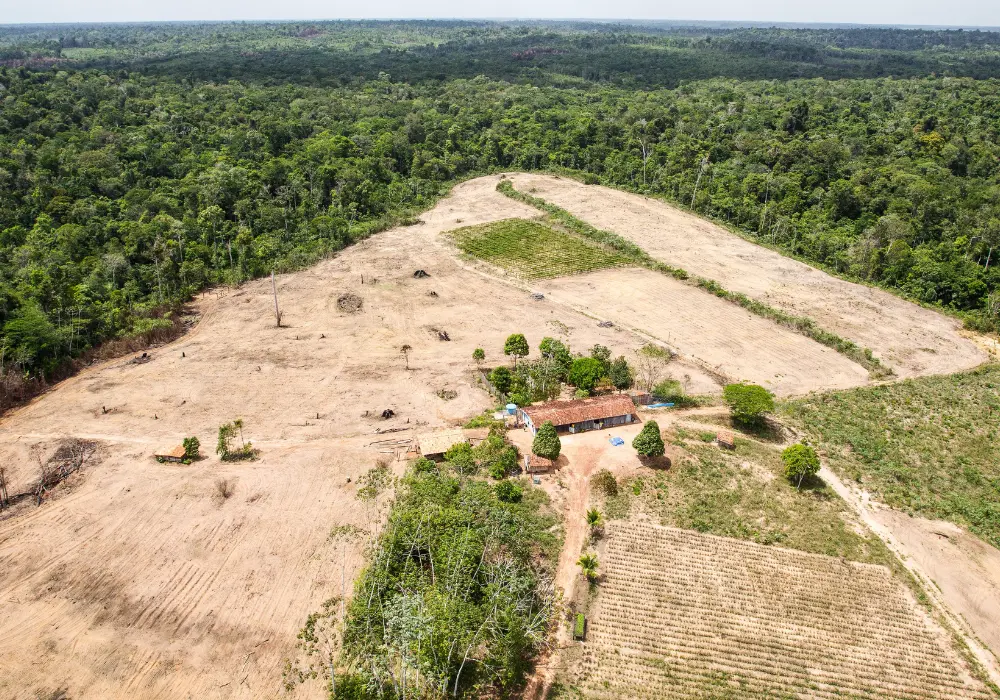
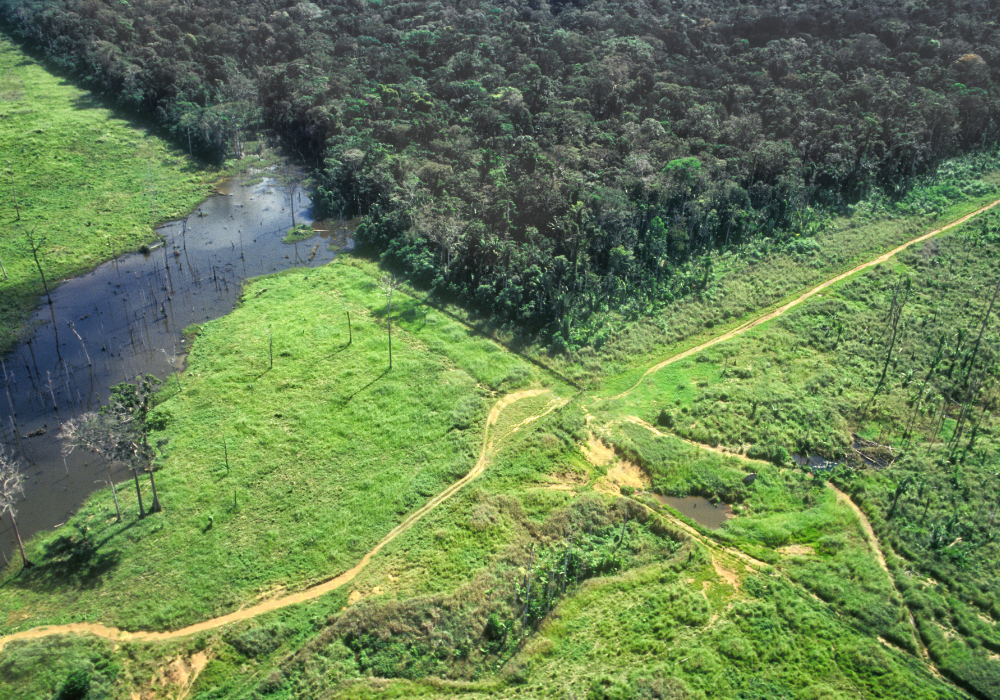
- Deforestation as Industrial Pollution: Every acre of primary forest cleared in the Amazon Basin or Southeast Asia releases massive quantities of stored carbon. Functionally, this release is indistinguishable from the exhaust of a fossil-fuel generator.
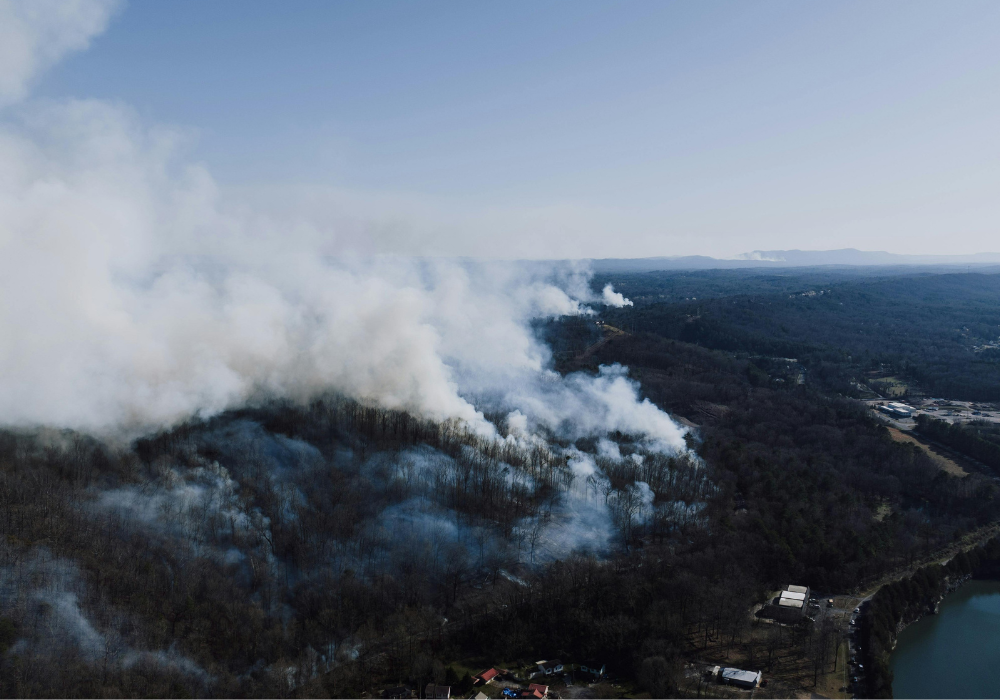
- Megafires and Climate Feedback: Mismanaged forests are increasingly prone to catastrophic megafires. In 2023, Canada experienced its worst wildfire season in recorded history, releasing an estimated three gigatons of carbon into the atmosphere in a single year. This single natural disaster completely eclipsed Canada’s combined annual industrial and transportation emissions.
The Dual Role of Ecosystems: Sink and Source
Trees and organic soils store immense volumes of carbon. When a forest is logged to clear land for agriculture—frequently via burning—that carbon instantly becomes a atmospheric pollutant. Conversely, if harvested timber is permanently utilized in durable wood products like home construction or furniture, the carbon remains sequestered.
Beyond halting these destructive emissions, healthy ecosystems act as biological sequestration engines. By scaling up the protection and restoration of forests, agricultural soils, mangrove swamps, and coastal kelp forests, humanity can actively suck carbon dioxide out of the air at a fraction of the cost required for direct air capture technologies.
Official Insights: Bridging the Compliance Gap
Addressing the skepticism surrounding natural offsets requires shifting the conversation away from flawed voluntary models and toward rigorous, jurisdiction-wide compliance architectures.
Solving the "Additionality" Problem
The Achilles’ heel of voluntary carbon markets has been the "additionality problem." If a project developer pays a landowner in a developing nation to agree not to deforest their land, the program frequently falls short if the landowner had no intention of cutting down the trees in the first place. In such cases, money changes hands, but zero actual change occurs on the ground.
Costello argues that embedding nature into compliance systems solves this structural flaw through macro-level accounting:
"The way the compliance approach fixes that additionality and several other problems is that you’re not just measuring the emissions from one project. You’re taking the whole jurisdiction and you’re measuring emissions every year… from all the properties in that place. And then you set the cap on all those entities and that’s where trading is allowed. That cap ensures that your tons are additional."
Redefining Low Carbon Prices
A common critique of carbon pricing systems—such as those debated fiercely in Canadian policy circles—is that low carbon prices fail to penalize polluters adequately. However, Costello draws a sharp economic distinction between artificially cheap prices caused by integrity failures versus prices lowered by abundant, genuine supply.
If carbon integrity is compromised, low prices reflect poor verification (buying a used car with a broken engine). However, if rigorous monitoring proves that nature can supply billions of tons of verified carbon removal cheaply, society benefits. Lower compliance costs ($30 a ton instead of $80) allow governments to enact drastically more aggressive, ambitious climate targets without crashing industrial economies.
Future Outlook: The Data Frontier and Next Steps
Moving nature into compliance markets is an ambitious data exercise. It requires scaling MRV (Monitoring, Reporting, and Verification) protocols across vast geographic expanses.
| Ecosystem Type | Measurement Maturity | Primary Technological Hurdles |
|---|---|---|
| Forests | High | Highly developed satellite imagery, LiDAR, and carbon-flux modeling. Ready for market integration. |
| Agriculture | Moderate | Soil carbon dynamics fluctuate rapidly based on weather and tillage practices; harder to verify at scale. |
| Oceans (Kelp/Mangroves) | Low | Physics and chemistry confirm massive sequestration potential, but tracking precise tonnage in marine environments remains exceptionally difficult. |
As Costello emphasizes, policymakers do not need to solve every marine data puzzle on day one. By beginning where data is robust—specifically in forest management and avoided deforestation—governments can build a trusted compliance foundation.
If structured correctly, nature-inclusive compliance markets could unlock between 8 and 14 gigatons of emissions reductions annually. By bringing nature onto a level playing field with heavy industry, global climate policy can transition from an expensive, politically fractured burden into a cost-effective, scalable restoration of the planet’s natural equilibrium.