Executive Overview
The world remains a breathtaking theater of natural wonders—from the frozen, vertical pinnacle of Mount Everest to the pitch-black, pressurized depths of the Mariana Trench, and all the fragile, miraculous ecosystems situated in between. Across the globe, humanity is magnetically drawn to wild spaces: we watch vast herds of elephants roam the undulating golden savannahs of the Serengeti, absorb ancient forest management traditions passed down through generations of Amazonian indigenous communities, and drop beneath the surface to marvel at the kaleidoscopic coral reefs of the Coral Triangle. For decades, the travel industry has promoted ecotourism as the ultimate bridge between human curiosity and planetary preservation—a utopian mechanism allowing us to witness these marvels while actively funding their ongoing conservation.
Yet, in recent years, "ecotourism" has devolved from a rigorous, conservation-driven discipline into a pervasive marketing buzzword. Today, the term is routinely weaponized to describe any holiday that takes place outdoors, even when those commercial excursions actively disrupt native wildlife, degrade fragile habitats, exploit local cultures, or accelerate carbon footprints. This systemic greenwashing masks harmful industrial practices, misleads well-meaning consumers, and fundamentally undermines what true ecotourism was designed to accomplish.
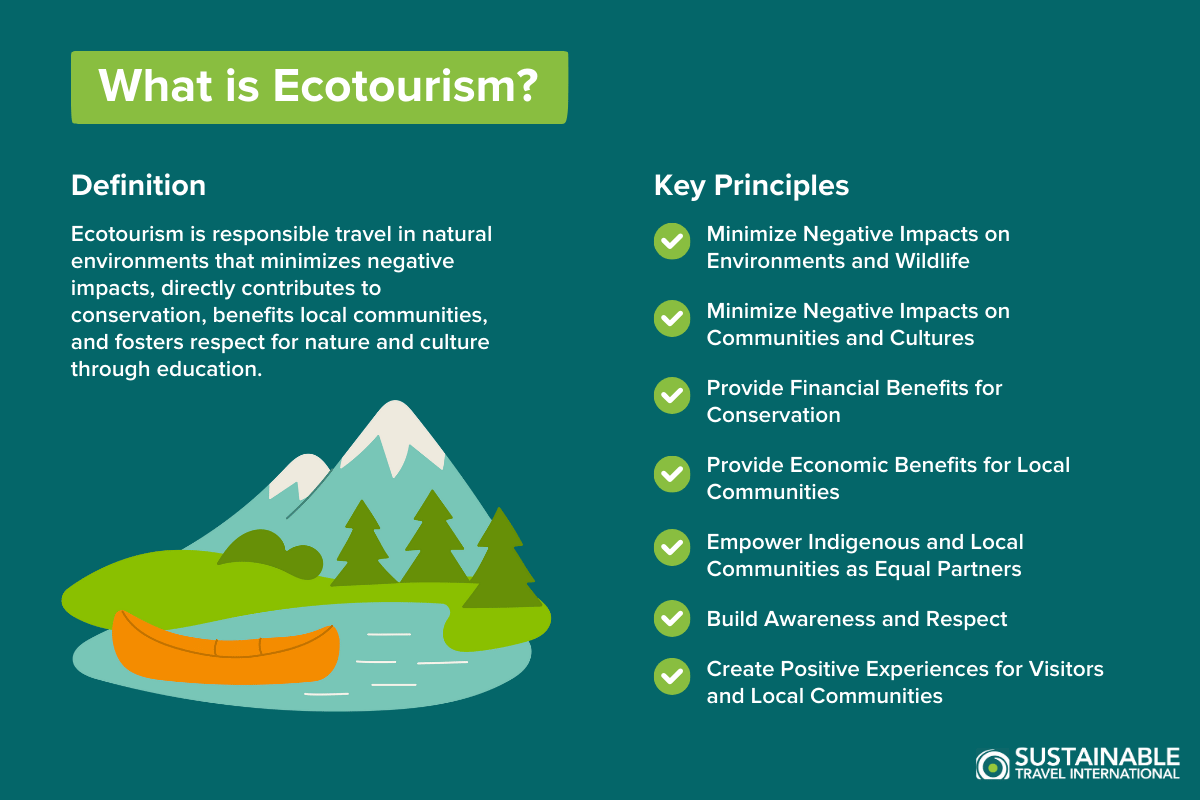
This crisis of definition raises a critical question for the modern era: What is ecotourism, really? True ecotourism transcends the simplistic notion of merely "being in nature." At its absolute core, it is a deliberate, accountable practice of traveling responsibly to natural areas, safeguarding those delicate environments, tangibly supporting the indigenous and local communities that call them home, and fostering a profound, lifelong appreciation for the unique landscapes and cultures that define our planet.
As the global travel market rebounds and expands toward unprecedented valuations, the distinction between genuine ecotourism and greenwashed marketing has never been more vital. This comprehensive investigation explores the definition, history, and core principles of ecotourism, analyzes its performance in global hotspots, and charts a sustainable course forward for travelers and industry professionals alike.
Detailed Chronology: The Evolution of Ecotourism
To understand where ecotourism stands today, we must trace its intellectual and institutional roots back through the late 20th century, charting how a radical counter-cultural conservation theory transformed into a multi-billion-dollar global economic sector.
[1980s] Coining of the Term --------> [1990s] Global Mainstreaming --------> [2002] UN Recognition --------> [2030] Projected $665B Market
  Héctor Ceballos-Lascuráin             Sustainability enters dev.        International Year of             Rapid growth, shift to
  defines low-impact travel.            discourse worldwide.              Ecotourism; institutionalized.     mindful exploration.
The 1980s: The Genesis of a Movement
The term "ecotourism" did not emerge organically from the corporate boardrooms of multinational hotel chains; rather, it was born out of grassroots environmental pragmatism. In the early 1980s, Mexican architect, environmentalist, and tourism consultant Héctor Ceballos-Lascuráin formally described the concept. He sought to capture a rising phenomenon: how low-impact, nature-based travel could actively protect natural habitats while simultaneously generating sustainable local economies.
Ceballos-Lascuráin’s foundational vision was disarmingly simple yet transformative. He posited that outdoor recreational activities—such as specialized birdwatching, low-impact hiking, and wildlife observation—could provide reliable, sustainable livelihoods for local populations. Crucially, these economic lifelines could be secured without damaging, overexploiting, or paving over the delicate landscapes upon which those very livelihoods depended.
The 1990s: Mainstreaming Sustainability
Throughout the 1990s, as the realities of global climate change, habitat loss, and unchecked industrial development entered mainstream public consciousness, sustainability became the central axis of international development conversations. Conservation organizations, academics, and indigenous advocates began pushing for formalized frameworks to govern travel in ecologically sensitive regions. It was during this decade that the theoretical parameters of ecotourism began to harden, shifting away from loose definitions toward measurable standards regarding community consent, ecological carrying capacities, and revenue-sharing models.
2002: Institutional Validation
A watershed moment arrived in 2002 when the United Nations officially recognized ecotourism as a pivotal driver of sustainable development, designating that year as the International Year of Ecotourism. This UN-backed spotlight catalyzed global policy frameworks, encouraging developing nations with high biodiversity indices to restructure their tourism sectors around conservation-first models. It marked the transition of ecotourism from a fringe environmental movement into a recognized, internationally monitored sector of the global economy.
The Modern Era and Projections to 2030
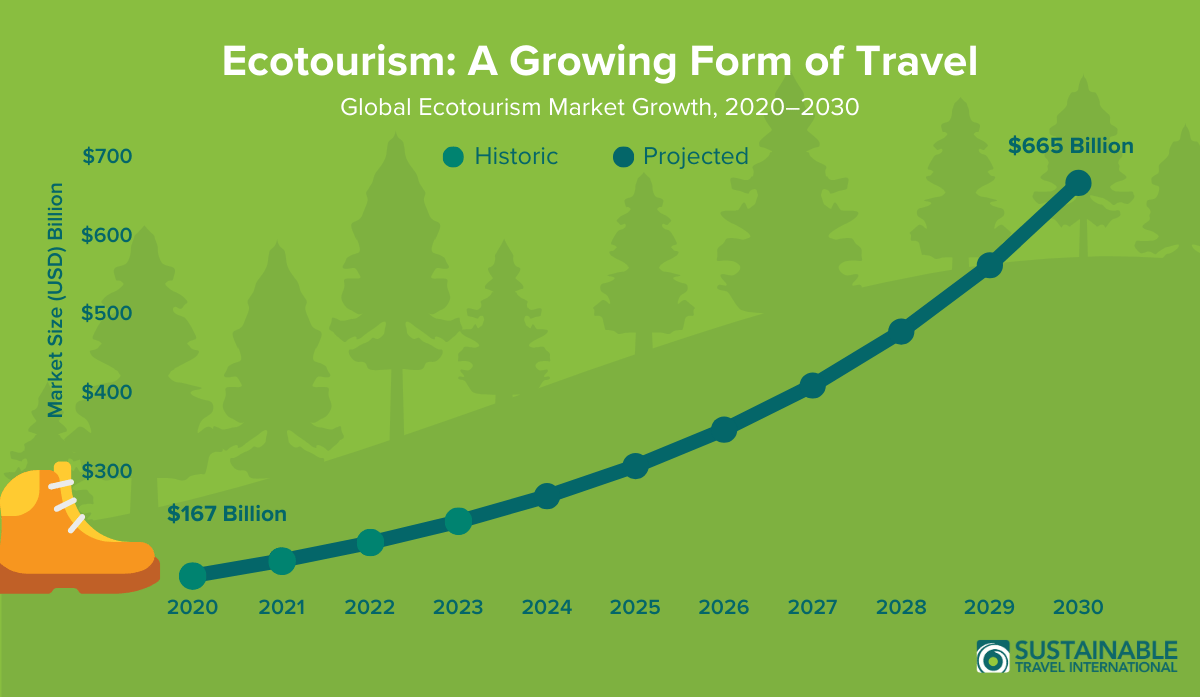
Today, ecotourism stands as one of the fastest-growing sub-sectors within the global travel and hospitality industry. According to recent market analysis by Grand View Research, the global ecotourism market was valued at approximately $167 billion in 2020 and is projected to skyrocket, exceeding $665 billion by 2030. This exponential upward trajectory reflects a profound, generational shift in consumer psychology: travelers are increasingly rejecting homogenous mass-market resorts in favor of mindful, purpose-driven, and conservation-aligned ways of exploring the earth.
Supporting Context, Metrics, and Core Principles
Many of the world’s most inspiring travel destinations are simultaneously among its most fragile ecological zones. In Costa Rica, lush rainforests pulse with rare biodiversity, sheltering endangered species like Baird’s tapirs. In Raja Ampat, Indonesia, vibrant coral reefs face existential stress from warming sea temperatures and ocean acidification.
When travel is conducted without rigorous accountability, it leaves a heavy ecological imprint. While well-managed, intentional tourism can provide vital financial lifelines for nature, wildlife, and local communities, unchecked growth inevitably leads to the destructive phenomenon known as overtourism. Overcrowding, unmanaged waste, pollution, habitat fragmentation, and the commercial exploitation of natural resources leave permanent scars on the very landscapes people travel thousands of miles to admire.
To combat this, leading global institutions—including The International Ecotourism Society (TIES), the International Union for Conservation of Nature (IUCN), the Global Ecotourism Network (GEN), and UN Tourism—have coalesced around a unified definition. Ecotourism is officially recognized as responsible travel to natural areas that conserves the environment, sustains the well-being of the local people, and involves interpretation and education.
Distinguishing Ecotourism, Sustainable Tourism, and Nature Tourism
To truly understand how ecotourism operates, one must untangle it from related terms that are frequently—and erroneously—used interchangeably within the travel industry.
| Category | Nature Tourism | Ecotourism | Sustainable Tourism |
|---|---|---|---|
| What it is | Travel that depends on and takes place in natural environments. | Responsible travel in nature that supports conservation, benefits communities, and fosters respect. | Travel that balances economic growth, community well-being, environmental health, and visitor satisfaction. |
| Primary Destination | Natural environments. | Natural environments. | Any destination—natural, urban, or cultural. |
| Primary Focus | Recreation, wildlife viewing, and scenic appreciation. | Measurable conservation outcomes, community empowerment, and environmental education. | Broad operational footprint (energy, waste, labor practices, economics) across any industry sector. |
| Environmental Impact | Variable; can heavily benefit or severely harm nature depending entirely on management. | Strictly minimized negative impacts coupled with active, measurable contributions to conservation. | Strictly minimized negative impacts coupled with operational efficiency and socioeconomic balance. |
As the table illustrates, sustainable tourism focuses primarily on how travel is conducted across any setting, from urban museums to rural retreats. Nature tourism describes where travel takes place—outdoors in wild spaces. Ecotourism sits precisely at the powerful intersection of these two concepts, combining a passionate love for wild places with a rigorous, ethical responsibility to protect, restore, and financially sustain them.
Furthermore, the industry is currently witnessing a rapid evolution toward regenerative travel. While sustainable and ecotourism models focus on minimizing harm and sustaining existing ecosystems, regenerative travel goes a step further, centering on active restoration—leaving destinations measurably better, healthier, and more resilient than they were found.
Official Statements and Global Case Studies
The theoretical framework of ecotourism comes alive when examined through successful real-world implementations. Across diverse geographies, pioneering nations and communities have demonstrated how tourism can serve as a shield for biodiversity rather than a weapon of destruction.
1. Costa Rica: Institutionalized Biodiversity
When discussing global ecotourism, Costa Rica remains the undisputed gold standard. The Central American nation has successfully transformed its extraordinary biological wealth into both a pillar of national pride and an immersive educational experience for international travelers.
Over a quarter of Costa Rica’s total landmass is legally protected within a robust network of national parks, biological reserves, and wildlife refuges. Furthermore, the country pioneered one of the world’s earliest and most rigorous state-backed sustainability frameworks: the Certification for Sustainable Tourism (CST). Today, this program regulates and incentivizes more than 400 certified businesses, ensuring that hotels, tour operators, and transport providers adhere to strict ecological and social benchmarks.
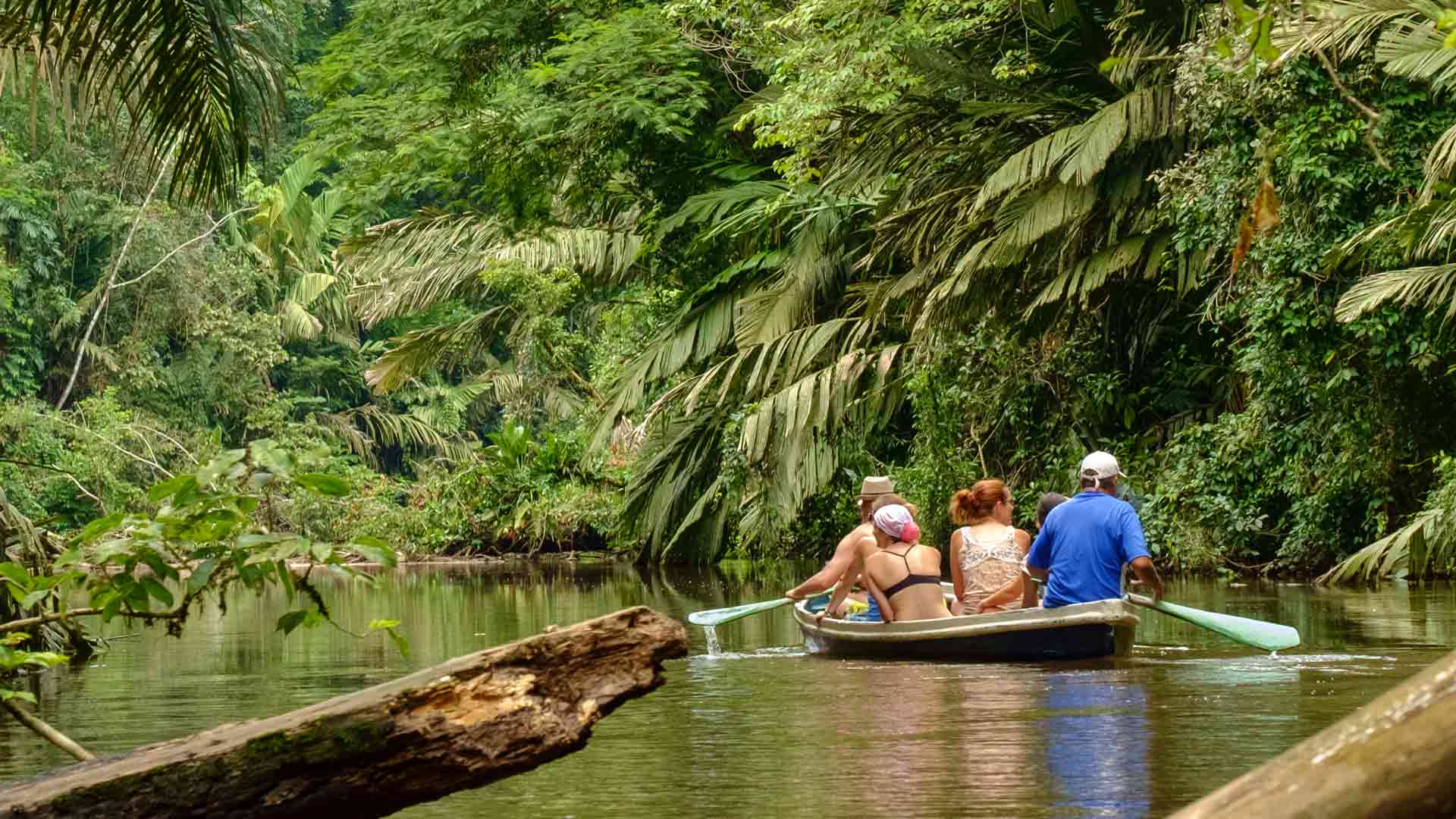
In practice, visitors to Costa Rica experience this integration firsthand. Expert-guided birdwatching walks in the cloud forests of Monteverde provide travelers with deep insights into avian ecology while directly funding the maintenance of private reserves managed by multi-generational local families. Similarly, in Tortuguero, sea turtle-spotting excursions led by certified local guides generate essential revenue that finances anti-poaching patrol teams, drastically reducing the illegal harvesting of endangered turtle eggs along nesting beaches.
2. Raja Ampat, Indonesia: Marine Conservation in the Coral Triangle
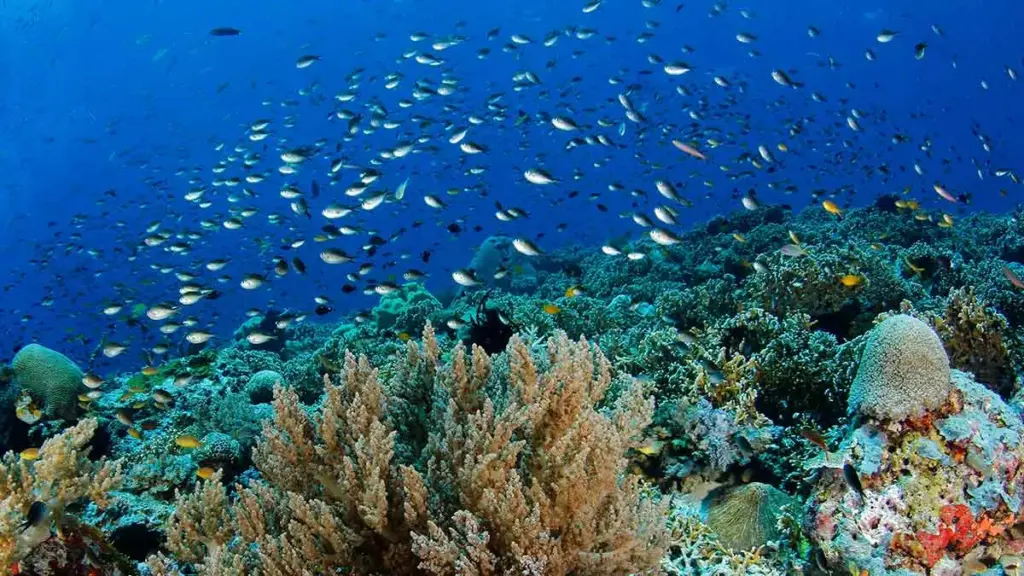
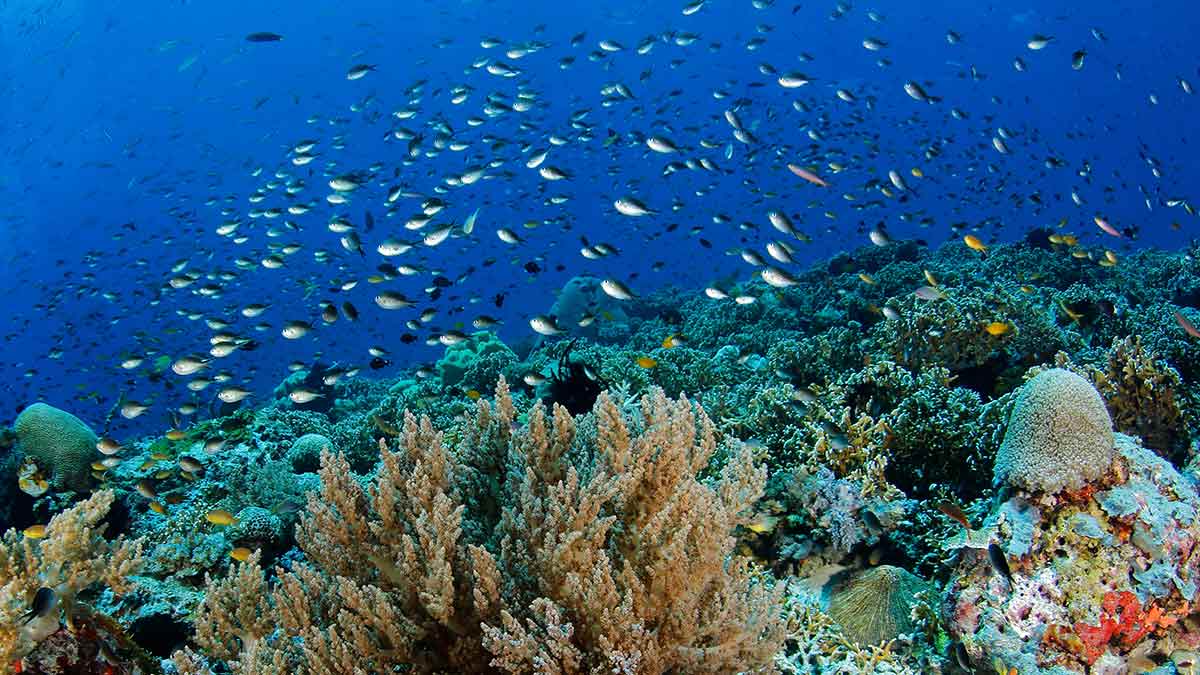
In the eastern reaches of Indonesia lies Raja Ampat, an astonishing archipelago situated in the heart of the Coral Triangle—a vast marine expanse frequently dubbed the "Amazon of the Seas." Its crystalline waters harbor staggering biodiversity, home to over 1,700 species of fish and an incredible 76% of all known coral species on Earth.
Ecotourism in this remote region serves as the primary financial engine maintaining marine protected areas spanning over 4.9 million acres (2 million hectares). A prime example is found on the private island of Misool, where a conservation-minded resort was established inside a former shark-finning and blast-fishing hotspot.
The resort successfully negotiated a 300,000-acre privately funded no-take marine reserve, strictly prohibiting all extractive industrial practices. By funneling tourism revenue directly back into local conservation initiatives—including armed ranger patrols, a dedicated manta ray sanctuary, a sea turtle nursery, and comprehensive island waste management—the ecological recovery has been staggering. Scientific monitoring reveals that within this reserve, fish biomass has increased by over 250%, local shark populations have multiplied twenty-fivefold, and live coral cover has expanded by 60%.
3. Bhutan: Biodiversity Finance and River Guardianship
The Kingdom of Bhutan has long championed a holistic approach to national development, anchoring its economy in Gross National Happiness rather than pure GDP growth. This philosophy extends directly into its tourism sector.
Through partnerships such as the UNDP Biodiversity Finance Initiative (BIOFIN), Bhutan has integrated ecotourism directly into river conservation programs. Certified local rafting guides double as environmental stewards, patrolling vital riverways to clear marine debris, prevent illegal electro-fishing, and safeguard critically endangered species like the white-bellied heron. This model proves that adventure tourism, when properly regulated, can act as an active defensive barrier for vulnerable riparian ecosystems.
4. Kenya: The Community Conservancy Model
Kenya holds the distinction of being the first African nation to establish a national ecotourism society, and it is widely recognized as the birthplace of modern community-based wildlife conservation. Today, the nation boasts more than 200 community-owned conservancies spanning millions of acres.
In these unique regions, indigenous pastoralist communities live alongside iconic wildlife, actively deterring poaching on their ancestral lands. These community conservancies now protect nearly two-thirds of Kenya’s large mammal populations that reside outside of government-managed national parks.
At initiatives like the LUMO Community Wildlife Conservancy, multiple local ranches united to secure vital elephant migration corridors while continuing to practice sustainable cattle grazing. As a direct result, previously degraded rangelands have experienced a remarkable ecological rebound, now supporting healthy populations of elephants, cheetahs, and rare antelopes. Revenue generated from low-impact photographic safaris and community-run safari camps directly funds local schools, healthcare clinics, and stable employment, proving to local stakeholders that living wildlife holds vastly superior economic value than poached or displaced fauna.
Future Outlook: The Road Ahead for Responsible Travel
As the global ecotourism market accelerates toward its projected $665 billion valuation by 2030, the industry stands at a dangerous and defining crossroads. The exponential rise in demand for nature-based travel brings an immediate risk: without rigorous enforcement of international standards, true ecotourism risks being entirely drowned out by corporate greenwashing.
The future of responsible travel depends heavily on transparency, radical accountability, and structural reform. Tour operators, hospitality brands, and government tourism boards must move beyond superficial "green" marketing and submit to independent, third-party verification modeled after frameworks like the Global Sustainable Tourism Council (GSTC) criteria. Furthermore, travelers themselves must adopt an investigative mindset—interrogating the operational ethics of tour companies, verifying community-ownership models, and demanding that their tourist dollars directly benefit local conservation and indigenous livelihoods.
Ultimately, true ecotourism is not merely a vacation preference or a niche consumer demographic; it is a fundamental shift in how humanity interacts with the living planet. By aligning travel with the core principles of ecological preservation, community empowerment, and cross-cultural education, we can ensure that the world’s most breathtaking natural wonders survive and thrive for generations yet unborn.