
By Environmental Investigative Desk
Executive Overview
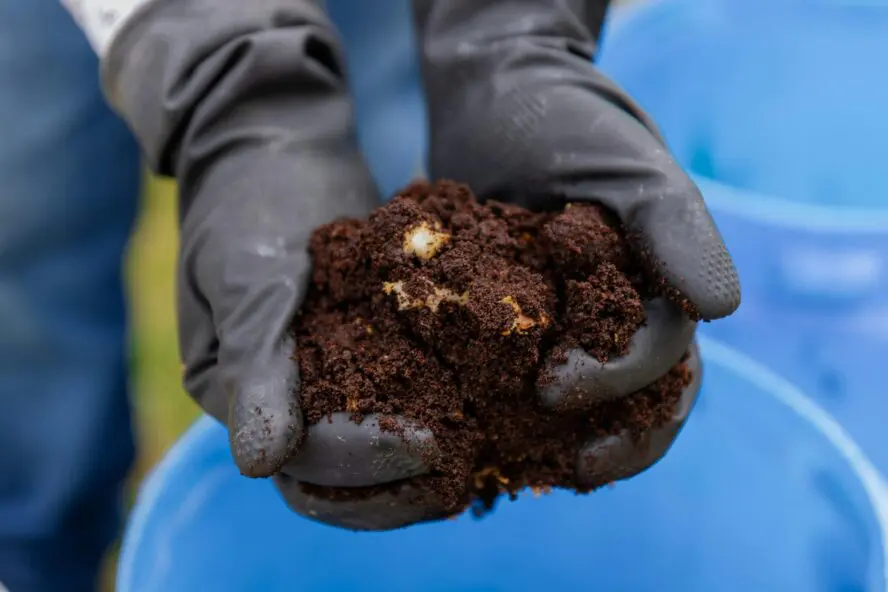
In a sweeping regulatory reversal, the U.S. Environmental Protection Agency (EPA) has officially discarded a comprehensive risk assessment targeting the use of sewage sludge—commonly known as biosolids—contaminated with per- and polyfluoroalkyl substances (PFAS) as agricultural fertilizer. The decision effectively shelves scientific research developed less than two years prior under the previous administration, preserving a widespread agricultural practice that currently sees roughly 60% of all domestic biosolids spread across American farmlands.
Rather than enacting stringent federal oversight or moving toward a phased ban, the current administration has opted for a minimalist framework. A newly published nine-page EPA guidance document characterizes the earlier, 272-page draft risk assessment as flawed and misleading, asserting that biosolids do not pose a widespread threat to public health. Instead of regulatory protections, the agency has introduced a set of voluntary recommendations, effectively placing the burden of monitoring and mitigating "forever chemical" exposure squarely onto the shoulders of consumers and local producers.
Environmental advocates, public health experts, and legal organizations have met the announcement with sharp condemnation. Critics argue that the policy shift ignores decades of established toxicology, undermines state-level efforts to safeguard local food systems, and prioritizes industrial convenience over public safety. As approximately 20 million acres of U.S. cropland remain potentially exposed to persistent toxins, the EPA’s pivot marks a critical turning point in the nation’s ongoing struggle with chemical contamination.

Detailed Chronology: From Scientific Consensus to Regulatory Retreat
To understand the gravity of the EPA’s recent reversal, one must examine the trajectory of federal oversight regarding sewage sludge over the past several decades.
The Genesis of Biosolids Application
Dating back to the early 1990s, the EPA sanctioned the distribution of treated municipal and industrial waste—biosolids—as a low-cost fertilizer for agricultural use. Promoted as an efficient recycling mechanism for municipal waste, the practice quickly embedded itself into the operational framework of American agribusiness. However, as analytical chemistry advanced, it became increasingly clear that municipal wastewater treatment facilities serve as catch-alls for industrial effluents, consumer goods, and commercial runoffs laden with toxic compounds.
The Biden-Era Scientific Pivot
In January 2025, following mounting pressure from environmental groups and independent scientific studies, the EPA under the Biden administration released a comprehensive 272-page draft risk assessment. This document synthesized decades of peer-reviewed research, detailing the pathways through which PFAS chemicals migrate from treated soils into groundwater, surface water, root vegetables, grain crops, and livestock feed. The assessment provided a scientific foundation that would have effectively phased out or strictly regulated the application of PFAS-laden sludge on cropland, while legally empowering individual states to enact local protective measures.
The June 2026 Reversal
The landscape shifted dramatically on June 29, 2026, when the agency published a new, streamlined guidance document. Rejecting the findings of its own researchers, the current EPA leadership dismissed the January 2025 draft assessment as a source of unwarranted public confusion containing "serious flaws." By walking back the scheduled risk assessment, the agency removed the federal framework that threatened to curtail the practice, signaling a major retreat in federal environmental enforcement.

Supporting Context & Metrics: The Scale of the PFAS Threat
The implications of continued biosolids application extend across environmental science, public health, and agricultural economics.
What Are PFAS and Why Are They Dangerous?
Often referred to as "forever chemicals," PFAS comprise a massive class of roughly 15,000 synthetic compounds characterized by exceptionally strong carbon-fluorine bonds. Because these bonds do not break down naturally, PFAS accumulate persistently in the environment, wildlife, and human tissue.
Scientific literature links long-term exposure to trace levels of PFAS with a host of severe health outcomes:
- Oncological Risks: Increased incidence of kidney and testicular cancers.
- Endocrine and Reproductive Disruptions: Reduced fertility, developmental delays in fetuses, and hormonal imbalances.
- Metabolic and Systemic Damage: Elevated cholesterol, liver disease, and compromised immune system efficacy, resulting in reduced vaccine response in children.
The Agricultural Footprint
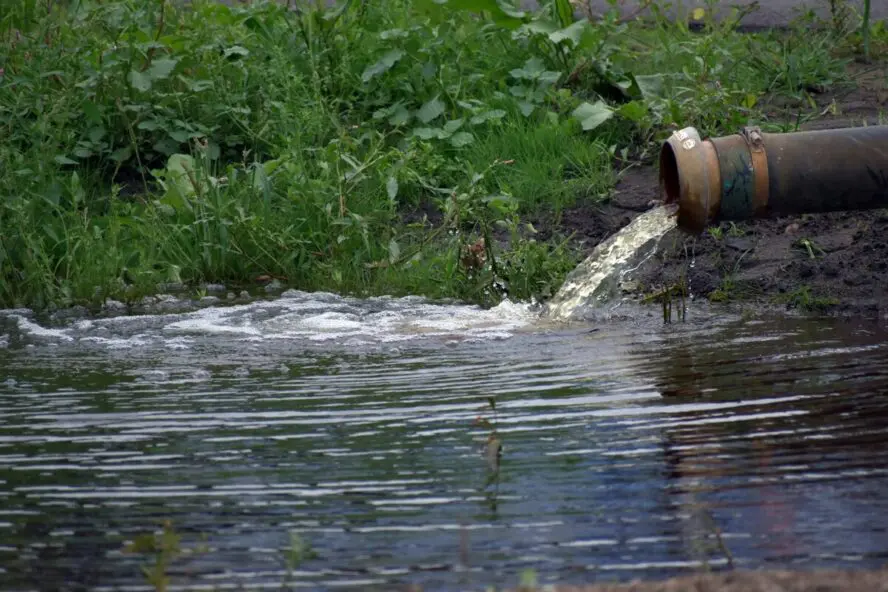
The scope of contamination is vast. According to investigative reports and academic studies published by outlets such as The Guardian, an estimated 20 million acres of U.S. cropland have been fertilized with municipal biosolids over the decades. When applied to agricultural fields, these chemicals do not simply remain on the surface. They infiltrate root systems, are absorbed by crops destined for human consumption or animal feed, and leach into underlying aquifers.
Historical legal cases, such as those documented by The New York Times, have highlighted devastating losses in agricultural communities where livestock fed on PFAS-tainted forage suffered systemic illness, reproductive failure, and premature death. Furthermore, states like Maine and Maryland—recognizing the inaction at the federal level—implemented total legislative bans on spreading biosolids in 2022 and 2024, respectively, attempting to construct protective shields around their local agricultural economies.
Official Statements & Industry Perspectives
The clash between federal regulators and environmental watchdogs highlights deep ideological and scientific fractures over how to manage chemical pollution.
The EPA’s Justification
In its June 2026 guidance, the EPA defended its pivot by emphasizing that the "potential risks" outlined in the previous administration’s assessment were overstated. The agency maintained that current management practices under existing regulations are sufficient to prevent catastrophic exposure, and that a blanket restriction would place an undue economic burden on municipal waste management systems nationwide.
Counter-Perspectives from Legal and Environmental Experts
Legal and public health advocates have sharply criticized the administration’s rationale, viewing it as an abdication of regulatory duty.
"It’s shocking for the EPA to take a scientific assessment and simply throw it out," noted Laura Dumais, an attorney with Public Employees for Environmental Responsibility (PEER). PEER previously filed a notice to sue federal regulators on behalf of Texas farmers to force an end to the practice of using biosolids as fertilizer.
Dumais went on to criticize the agency’s reliance on consumer-led solutions:
"The EPA’s solution here is ‘do your own research — we’re not going to regulate anything, so if you think it’s dangerous then figure it out for yourself.’"
Jean Zhuang, a senior attorney with the Southern Environmental Law Center, echoed these concerns, pointing out the regressive nature of the policy change.

"By abandoning that assessment, this administration is getting in the way of protecting people from toxic chemical contamination," Zhuang stated. "Instead of engaging with that science, EPA is trying to downplay the problem."
Future Outlook: Deregulation and the Road Ahead
The decision to scrap the biosolids risk assessment does not occur in a vacuum; rather, it forms a cornerstone of what regional media outlets, including WRAL News, have identified as one of the largest deregulatory pushes in EPA history regarding persistent chemical pollutants. This trajectory follows earlier maneuvers by the agency to roll back or maintain lenient standards for critical PFAS compounds—such as PFOA and PFOS—in municipal drinking water supplies.
Ramifications for American Agriculture and Consumers
As federal oversight recedes, the responsibility for managing food safety shifts downstream:
- State-Level Battles: More states are expected to follow the paths forged by Maine and Maryland, leading to a fragmented regulatory patchwork where food safety standards vary dramatically across state lines.
- Litigation Increases: Affected farmers, livestock producers, and consumer advocacy groups will likely turn to the judicial system, utilizing tort law and environmental statutes to challenge contamination originating from municipal waste contracts.
- Market Pressures: Agricultural producers utilizing unverified fertilizers may face growing demands from grocery retailers and consumer groups for independent, third-party PFAS testing to guarantee product safety.
Ultimately, by turning away from a centralized, science-based risk assessment, the EPA has left the American food and water supply vulnerable to the cumulative, unmitigated spread of forever chemicals. Without a unified federal strategy, the containment of PFAS in agriculture will remain an uphill battle fought state-by-state, courtroom-by-courtroom, and farm-by-farm.