

Executive Overview
The American automotive landscape is undergoing a profound and long-awaited structural shift. For years, the conversation surrounding Electric Vehicles (EVs) has been dominated by a single, persistent barrier to entry: affordability. While early adopters and tech enthusiasts eagerly embraced the instantaneous torque, zero tailpipe emissions, and cutting-edge software of battery-powered cars, the broader mass market remained hesitant, largely deterred by steep sticker prices.
However, fresh market intelligence paints an entirely different picture for the spring of 2026. According to comprehensive new data from Kelley Blue Book (KBB), a Cox Automotive company, electric vehicle prices in the United States are continuing their downward trajectory. More importantly, the price parity gap between battery-powered electric vehicles and traditional internal combustion engine (ICE) vehicles has narrowed to its smallest margin in automotive history.
Driven by aggressive manufacturer strategies, escalating competitive pressures, and a surge in consumer-facing incentives, the average transaction price (ATP) for a new EV has plummeted. As the financial chasm separating gas-powered automobiles from their electric counterparts shrinks to roughly $5,800, the foundational economics of car ownership in the United States are being redrawn. This extensive report examines the macroeconomic trends, corporate maneuvers by market leaders like Tesla, and shifting consumer behaviors defining this pivotal turning point in the electrification of transport.
Detailed Chronology: Tracking the Descent of EV Prices
To understand how rapidly the market is evolving, one must analyze the chronological sequence of price movements over recent months. The deflationary trend in the EV sector is not a momentary statistical anomaly; it is a sustained downward trajectory that has now cemented a multi-month pattern of consumer relief.
Q4 2025 into January 2026: The Trend Takes Hold
The seeds of the current pricing environment were sown late last year, as automakers faced mounting inventory levels and a cooling macroeconomic climate characterized by persistent interest rate pressures. Entering January 2026, major manufacturers recognized that maintaining high price floors would severely restrict volume growth. By revising production forecasts and introducing targeted price adjustments, the industry set the stage for a dramatic correction at the retail level.
February 2026: The First Major Revisions
By the close of February, initial market reports indicated a notable softening of transaction prices. However, subsequent data revisions revealed that the drop was even more pronounced than initially estimated. Automakers, struggling to maintain market share in an increasingly crowded playing field, began leaning heavily into promotional pricing and lease subsidies. This set off a chain reaction across dealerships nationwide, forcing both legacy original equipment manufacturers (OEMs) and pure-play EV makers to re-evaluate their pricing frameworks.
March 2026: A Historic Turning Point
The month of March 2026 served as the statistical confirmation of this downward trend. According to Kelley Blue Book data, the average transaction price for a new electric vehicle settled at $54,508. This figure represents a notable 2.8% decline year-over-year, marking the third consecutive month of overall price reductions. Furthermore, when compared directly to the revised figures from February, March prices slipped an additional 0.7%.
This persistent month-over-month erosion demonstrates that price compression is becoming a structural reality of the EV market rather than a fleeting seasonal promotion. As production efficiencies compound and supply chains stabilize, automakers are finding the fiscal room necessary to pass savings down to the end consumer.
Supporting Context & Metrics: Decoding the Numbers
A superficial glance at transaction prices tells only part of the story. To fully grasp the current dynamics of the American automotive market, industry analysts look at a complex matrix of variables, including incentive spending, manufacturing adjustments, and the narrowing delta with gas-powered vehicles.
The Shrinking Affordability Gap
For the average American household, the most critical metric in the transition to electric mobility has always been the delta between an EV and a comparable gas car. Historically, this premium was prohibitive, often exceeding $10,000 or even $15,000 when factoring in early technology costs.
In March 2026, that narrative shifted dramatically. The price gap between EVs and internal combustion engine vehicles narrowed to approximately $5,800. This represents the smallest gap ever recorded by Kelley Blue Book. While a $5,800 premium still exists, it is increasingly offset by lower operational costs—specifically electricity versus gasoline—and significantly reduced maintenance expenditures over the lifetime of the vehicle. For a growing segment of buyers, the total cost of ownership (TCO) parity point has officially arrived.
The Engine of Change: Record Incentive Spending
If falling base prices are the foundation of the current market shift, incentives are the heavy machinery driving it home. With federal tax credit structures experiencing shifts and political debates swirling around clean energy subsidies, automakers have proactively stepped in to bridge the gap with corporate-backed incentives.
In March, the average incentive package for a new EV reached an astonishing 14.6% of the transaction price. In monetary terms, this translates to nearly $8,000 per vehicle in direct consumer savings, manufacturer rebates, or subsidized financing rates. To put this into perspective:

- EV incentive spending is now more than double the wider automotive industry average.
- Incentive levels climbed from 14.2% in February.
- Compared to the same period a year prior, when incentives sat at 12.9% of ATP, manufacturers are pumping significantly more capital into discount programs to keep metal moving off dealership lots.
This aggressive use of incentives has effectively masked broader economic headwinds, proving that consumers are ready to adopt electric vehicles if the upfront financial barrier is sufficiently lowered.
The Tesla Factor: Pricing, Incentives, and Sales Realities
No discussion of the American electric vehicle market is complete without examining Tesla. As the undisputed market leader and price-setter for the industry, Tesla’s corporate strategy continues to dictate the gravitational pull of the entire sector.
Downward Price Adjustments at Tesla
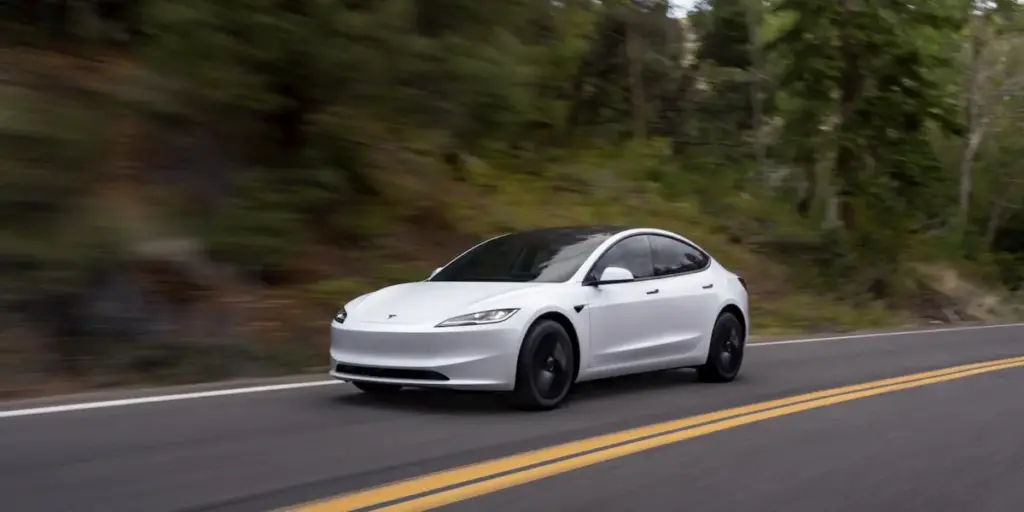
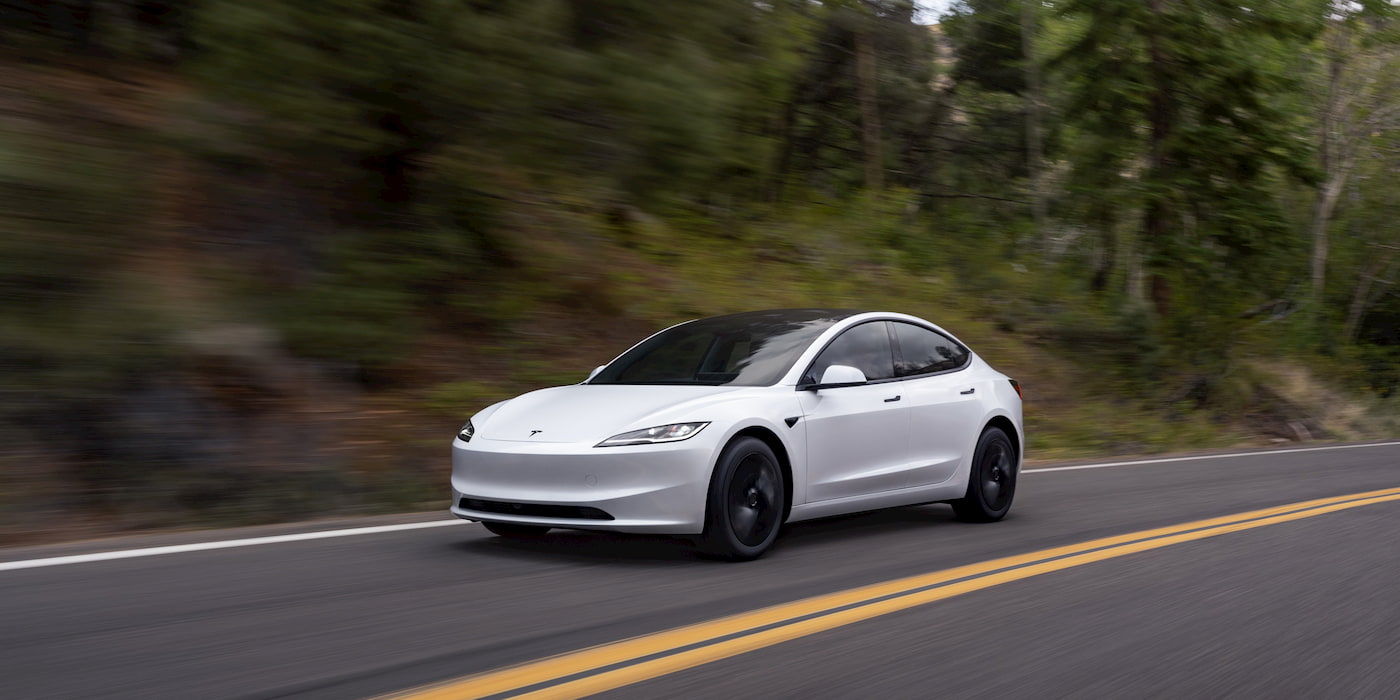
In alignment with the broader industry trend, Tesla actively contributed to the deflationary pressure on EV pricing throughout the first quarter of 2026. In March, Tesla’s average transaction price stood at $53,421. This reflects a 2.6% decrease compared to March 2025 and a 1.2% reduction relative to February.
By strategically lowering prices across its core lineup—including the Model 3 and Model Y—Tesla has forced competitors to match its aggressive posture or risk losing vital market share. Concurrently, Tesla has adapted its playbook to include heavier reliance on promotional financing and localized incentives, with its incentive spending rising to 12.3% of its average transaction price.
A Mixed Sales Picture: Year-Over-Year Drops vs. Monthly Momentum
Despite these aggressive pricing maneuvers and rich incentives, Tesla’s sales figures reveal a complex narrative of transition. According to comprehensive estimates compiled by Cox Automotive, Tesla’s US sales in March experienced an 8.4% decline year-over-year. This drop highlights the intensifying competition from legacy automakers (such as Ford, General Motors, and Hyundai) who are steadily capturing market share with compelling new EV offerings of their own.
However, a closer look at sequential data reveals a more encouraging short-term recovery. On a month-to-month basis, Tesla’s US delivery metrics are on an upward swing. Tesla deliveries rose 6.1% in March compared to February, marking the second consecutive month of sequential gains. This indicates that while year-over-year comparisons face difficult benchmarks from past production peaks, the company’s recent price cuts and incentive structures are successfully stimulating renewed consumer demand in the immediate term.
Official Statements and Industry Perspective
Automotive analysts and market researchers view the current convergence of metrics as a watershed moment for the mass adoption of electric vehicles.

Industry economists note that the transition from early-adopter luxury pricing to mass-market affordability is rarely smooth. Historically, disruptive technologies undergo a painful "crossing the chasm" phase where supply outpaces organic demand until price parity forces a breakthrough. The aggressive deployment of manufacturer incentives in early 2026 suggests that traditional automakers and pure-play EV companies alike recognize the urgency of clearing lot inventory and capturing brand-loyal mainstream buyers.
Furthermore, market observers emphasize that the resilience of EV demand—despite shifting federal subsidy frameworks and macroeconomic uncertainties—proves that consumer appetite for electric mobility remains structurally robust. When affordability improves, the inherent advantages of EVs (such as home charging convenience, performance, and lower running costs) naturally reassert themselves in the purchasing decision.
Future Outlook: What Lies Ahead for the EV Market
As the automotive industry moves deeper into 2026, several key trends will dictate the trajectory of EV pricing, manufacturing, and consumer adoption:
- Intensified Competition: With legacy automakers scaling up dedicated EV platforms and introducing more affordable compact crossovers and sedans, price wars are expected to persist. This competition will likely keep downward pressure on retail prices throughout the remainder of the year.
- The Evolution of Incentives: As automakers fine-tune their financial strategies, corporate-backed lease deals and promotional APR rates will likely remain the primary tools for driving volume, bypassing complex regulatory hurdles associated with federal tax credits.
- Closing the Final Gap: With the price differential between ICE vehicles and EVs resting at an all-time low of $5,800, the psychological barrier to EV ownership is dissolving. As battery technology costs continue their long-term decline and manufacturing efficiencies improve, true price parity—where an EV costs the same or less upfront than its gas-powered equivalent—is no longer a distant theoretical goal; it is a visible destination on the horizon.
Ultimately, the spring of 2026 will be remembered as the period when the electric vehicle market matured. By aligning pricing realities with consumer expectations through record-level incentives and strategic reductions, the automotive industry has successfully lowered the drawbridge, inviting the mainstream American driver into the electric future.



