Editor’s Note: Our editors curate highly rated brands that are first assessed by our rigorous ratings system. Buying through our links may earn us a commission—supporting the work we do. Learn more.
The search for the ideal pair of flat shoes is a perennial pursuit in modern wardrobes. Whether navigating a bustling morning commute, powering through a busy workday at the office, or dressing down a sleek evening look, the right flats must deliver a rare trifecta: everyday comfort, long-lasting durability, and a seamless alignment with personal style.
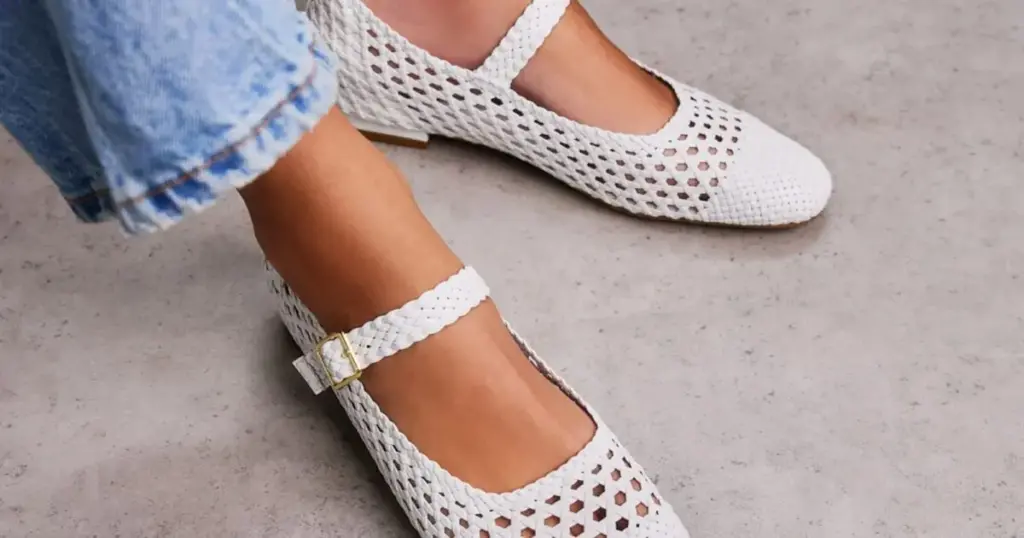
As we look across the footwear landscape, trends continue to evolve. While airy mesh flats and athletic-inspired ballet sneakers—such as Puma’s viral Speedcat—dominate style feeds, flats have long served as the fundamental anchor of a versatile closet. From classic ballerinas to contemporary mules, this footwear category offers unparalleled practicality.
However, beneath the surface of this wardrobe staple lies a complex web of environmental and ethical challenges. As consumers become increasingly conscious of the true cost of fashion, navigating the market requires a critical eye. This comprehensive guide explores what makes a truly sustainable flat shoe, examines the pitfalls of conventional manufacturing, and highlights 11 exceptional brands independently rated "Good" or "Great" by world-leading fashion sustainability methodologies.
Executive Overview: The State of Sustainable Footwear
The global footwear industry is a monumental contributor to global carbon emissions, waste generation, and labor exploitation. Historically, shoes have proven exceptionally difficult to recycle due to their multi-component construction, which frequently glues together disparate materials—synthetic rubbers, textiles, metals, and leathers—into an inseparable unit destined for landfills.
At the same time, shifting consumer demands have forced a reckoning. Modern buyers no longer accept the false dichotomy between style and sustainability. The demand for eco-friendly flats, vegan alternatives, and low-impact production models has surged. Brands are being held to higher standards regarding transparency, circular design, and material sourcing.
To help consumers navigate this shifting market, independent rating systems evaluate brands based on their impact across three core pillars:
- Planet: Greenhouse gas emissions, microplastic shedding, chemical management, and circularity.
- People: Living wages, supply chain transparency, occupational health, and worker safety.
- Animals: The avoidance of animal-derived materials or, when used, strict adherence to ethical, certified sourcing standards.
This report synthesizes these metrics, offering a deep dive into the current landscape of ethical flat shoes, spotlighting pioneering brands, and providing a roadmap for building a more sustainable footwear collection.
Detailed Chronology: How the Flat Shoe Evolved Toward Sustainability
To understand where sustainable footwear stands today, it is helpful to trace the evolution of the flat shoe from a utilitarian necessity to a modern fashion statement intertwined with environmental activism.
The Mid-20th Century: The Birth of the Modern Ballet Flat
While flat shoes have existed in various forms for centuries—often tracing their lineage back to traditional slippers and ballet practice shoes—the mid-20th century cemented the flat as a mainstream fashion icon. Icons like Audrey Hepburn famously paired slim black trousers with classic ballet flats, transforming functional dancewear into chic street style. During this era, production was largely localized, artisanal, and reliant on traditional materials like leather, cork, and natural rubber.
The Fast Fashion Boom and Synthetic Dominance
As globalization accelerated in the late 20th and early 21st centuries, the footwear industry underwent a radical industrialization. Production shifted predominantly to overseas factories operating under loose environmental and labor regulations. The rise of fast fashion introduced an insatiable appetite for cheap, disposable trends. Traditional, durable leather was increasingly replaced by cheap synthetic plastics like polyurethane (PU) and polyvinyl chloride (PVC). These petroleum-based materials drastically lowered upfront costs for consumers while exponentially increasing the environmental toll, shedding microplastics and sitting indefinitely in landfills at the end of their brief life cycles.
The Rise of Conscious Consumerism (2010s)
By the 2010s, the environmental degradation caused by the fashion industry could no longer be ignored. Consumers began demanding transparency regarding supply chains, factory working conditions, and material origins. This era saw the emergence of dedicated vegan footwear brands seeking alternatives to animal leather without simply defaulting to fossil fuel-derived plastics. Plant-based innovations—such as materials derived from cork, organic cotton, and hemp—began entering the mainstream market.
The Contemporary Era: Circularity, Bio-Innovations, and Slow Fashion (2020–2026)
Today, the sustainable footwear sector is characterized by advanced material science and circular business models. Brands are rejecting the traditional, hyper-seasonal fashion calendar in favor of permanent collections, made-to-order models, and low-waste cutting techniques.
The material landscape has expanded dramatically. By 2026, bio-based leathers engineered from agricultural waste—including apple skins, grape pomace, and hemp—have matured from experimental novelties into viable, durable alternatives. Concurrently, regulatory pressures and heightened consumer awareness are forcing brands to adopt strict certifications, ensuring that when animal or synthetic materials are used, they meet rigorous environmental and ethical standards.
Supporting Context & Metrics: Decoding Sustainable Materials
When shopping for sustainable flat shoes, understanding material composition is paramount. Every choice carries distinct ecological consequences.
1. The Leather Dilemma: Animal-Derived vs. Alternative
Leather remains a deeply polarizing material in sustainable fashion. From an environmental standpoint, traditional cattle farming is a primary driver of deforestation, land degradation, and massive greenhouse gas emissions (particularly methane). Furthermore, conventional tanning processes often utilize heavy metals like chromium, which can severely pollute local water systems if improperly managed.
- Responsible Sourcing: If a brand utilizes leather, sustainability experts look for certifications from bodies like the Leather Working Group (LWG). The LWG audits tanneries for environmental performance, energy and water usage, waste management, and chemical tracking.
- Byproduct Realities: Proponents of leather argue that it serves as a durable, long-lasting material that outperforms cheap synthetics, provided it is treated as a lifetime investment rather than a disposable commodity.
2. The Vegan Footwear Paradox
For ethical consumers avoiding animal products, vegan flat shoes offer a compassionate choice. However, not all vegan shoes are environmentally friendly. Many conventional vegan leather alternatives are manufactured from synthetic plastics (PU and PVC) derived from fossil fuels. These materials are energy-intensive to produce and do not biodegrade.
- Next-Gen Bio-Materials: Forward-thinking brands are shifting toward bio-based alternatives. For instance, pioneering labels utilize bio-oil-based materials combined with recycled natural rubber rather than virgin synthetic rubber.
- Plant-Based Innovations: Agricultural byproducts—such as waste from the wine and apple juice industries—are successfully being converted into durable, supple upper materials that drastically reduce reliance on virgin petrochemicals.
3. The Power of Secondhand Shopping
The most sustainable garment or shoe is the one that already exists. Shopping secondhand through platforms like Vinted, eBay, or local thrift stores eliminates the carbon footprint associated with manufacturing entirely new products. It keeps existing goods in circulation and reduces the demand for virgin resource extraction.
Spotlight on Rated Brands: 11 Ethical Flat Shoe Options
When purchasing new items is necessary, turning to independently vetted brands ensures your money supports ethical business practices. Below are 11 standout brands rated "Good" or "Great" by world-leading fashion sustainability methodologies.
1. Agazi
- Origin: Poland
- Specialty: Vegan footwear, including sneakers, sandals, heels, and sophisticated flat shoes.
- Sustainability Highlights: Agazi distinguishes itself by entirely avoiding animal-derived materials. Instead, its collections are crafted from innovative, lower-impact materials, including hemp, apple skin, and grape-based alternative leathers.
- See the Agazi Rating | Shop Agazi
2. ESSÄN
- Origin: Founded by Marre Muijs
- Specialty: Meticulously crafted shoes and accessories.
- Sustainability Highlights: Founded in 2016 as a direct counter-movement to an overproducing fashion industry, ESSÄN rejects the traditional fast-fashion calendar. The brand operates on a permanent collection model, limiting its production runs and employing low-waste cutting techniques to minimize excess inventory and material waste.
- See the ESSÄN Rating | Shop ESSÄN
3. Christy Dawn
- Origin: United States
- Specialty: Vintage-inspired women’s clothing and footwear.
- Sustainability Highlights: Rated "Great" by independent sustainability methodologies, Christy Dawn operates as a minimalist showroom championing localized production. Its footwear and apparel lines are crafted using surplus fabrics—rescuing deadstock textiles that would otherwise go to waste. Sizes range from XS to XL, alongside dedicated Extended and Petite collections.
- See the Christy Dawn Rating | Shop Christy Dawn
4. Elk
- Origin: Melbourne, Australia (Founded 2004)
- Specialty: Independent design footwear, apparel, and accessories.
- Sustainability Highlights: As a pioneer of independent Australian design, Elk creates bi-annual collections guided by a design ethos where simplicity, sustainability, and innovation intersect. Known for styles like the Feldde Metallic Gold Flats, the brand balances aesthetic versatility with responsible manufacturing practices across standard sizing (AU 6-18).
- See the Elk Rating | Shop Elk
5. Reformation
- Origin: Los Angeles, United States
- Specialty: Contemporary women’s apparel and footwear.
- Sustainability Highlights: Operating under the slogan "killer clothes that don’t kill the environment," LA-based Reformation places heavy emphasis on supply chain transparency and worker welfare. The brand ensures that a measurable proportion of its direct suppliers pay a living wage and provides comprehensive training programs to improve working conditions throughout its supply chain. Extended sizing is available from XS to 3XL.
- See the Reformation Rating | Shop Reformation
6. Vesica Piscis
- Origin: Spain
- Specialty: 100% vegan footwear.
- Sustainability Highlights: Vesica Piscis leads the charge in responsible Spanish footwear manufacturing. The brand utilizes a remarkably high proportion of lower-impact materials, powers its production facilities using renewable energy, and operates primarily on a made-to-order basis to eliminate overproduction and deadstock waste. Shoes are typically available in sizes 36-46.
- See the Vesica Piscis Rating | Shop Vesica Piscis
7. Etiko
- Origin: Australia
- Specialty: Organic, fair-trade clothing and footwear.
- Sustainability Highlights: Etiko continuously sets the global benchmark for upholding and actively campaigning for human rights within historically exploitative industry supply chains. By utilizing certified organic materials and enforcing strict fair-trade standards, Etiko ensures that garment and shoe makers receive fair compensation and dignified working conditions. Apparel is offered in AU sizes 8-20, and footwear spans UK sizes 3-13.
- See the Etiko Rating | Shop Etiko
Official Statements and Industry Perspectives
The shift toward ethical footwear is increasingly supported by industry leaders, labor advocates, and environmental scientists who emphasize systemic reform over superficial greenwashing.
Marre Muijs, founder of the conscious footwear label ESSÄN, speaks directly to the core pathology of modern manufacturing:
"I founded ESSÄN in 2016 as a response to a fashion cycle that overproduces more than it carefully crafts, chases trends more than it determines classics, and wastes more than it sustains."
This philosophy underscores a broader movement within the independent design community: slowing down production cadences to prioritize quality, durability, and emotional longevity over rapid trend cycles.
Furthermore, sustainability rating agencies emphasize that true accountability requires holistic evaluation. Sandra Campbell, a senior fashion impact analyst, notes:
"Consumers must look beyond single-attribute claims like ‘vegan’ or ‘organic.’ A shoe made from organic cotton is deeply flawed if it is produced in a factory where workers are denied a living wage, or if the shoe is designed to fall apart after three months of wear. True sustainability encompasses people, planet, and animals equally."
Future Outlook: Where Ethical Footwear Is Heading
As we look toward the remainder of the decade and beyond, the trajectory of sustainable flat shoes points toward several transformative developments:
- True Circular Economy Frameworks: Brands are moving beyond mere recycling toward true circularity. Footwear designed from the ground up for disassembly—where soles, uppers, and fasteners can be easily separated and recycled back into new shoes—will transition from a niche concept to an industry standard.
- Mainstream Scalability of Bio-Materials: Agricultural waste streams will increasingly replace petrochemical plastics. Innovations in lab-grown mycelium (mushroom leather), cactus fibers, and advanced fruit wastes will become more cost-effective, democratizing access to high-performance vegan leather alternatives.
- Stricter Global Regulations: Governments in the European Union and beyond are cracking down on greenwashing, implementing mandatory digital product passports (DPPs) that disclose the exact environmental footprint, material composition, and supply chain origins of every shoe sold.
- The Enduring Value of Minimalism: As economic and ecological realities converge, consumer preferences are shifting decisively toward timeless, versatile footwear. The classic flat shoe—unburdened by fleeting micro-trends and built to last for years—remains the ultimate expression of this mindful philosophy.
Looking for More?
If you are looking to expand your conscious wardrobe beyond flat shoes, explore the ultimate guide to ethical and sustainable footwear. To search thousands of independently rated brands across fashion, beauty, and accessories, visit the Good On You Directory.
Article updated on June 25, 2026: Our editors frequently review and update content to ensure brands, product selections, and ratings reflect the most current, verified sustainability data.